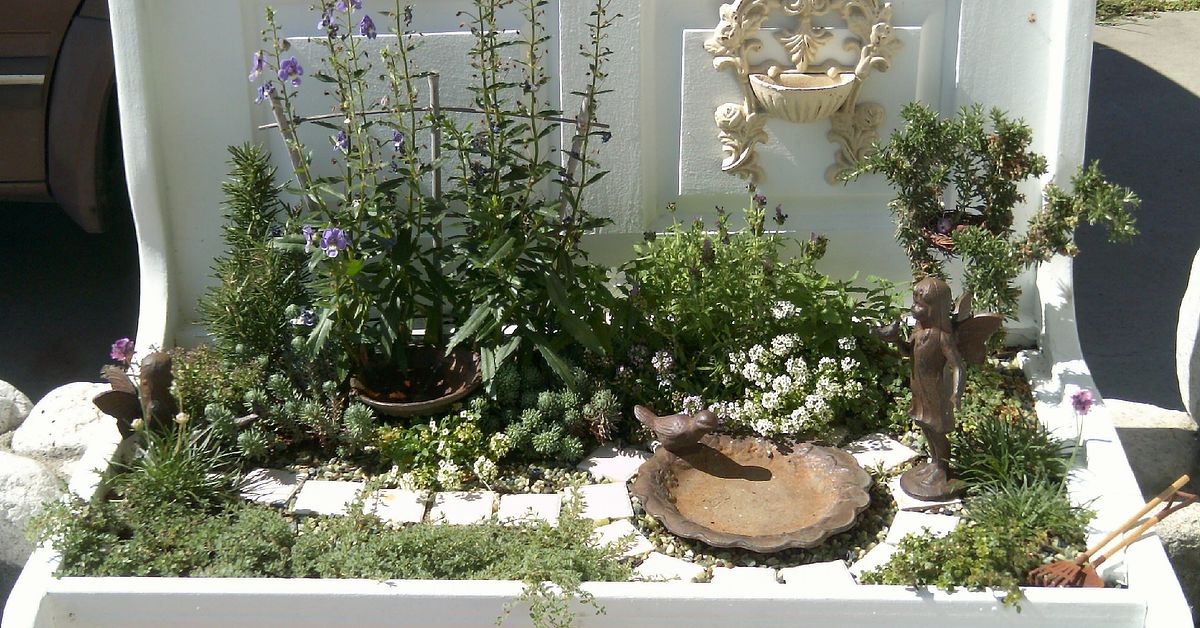
Some gardens ask for a shovel, a wheelbarrow, and a heroic amount of sunscreen. A fairy garden asks for a teacup, a pinch of moss, one suspiciously charming mushroom, and the willingness to believe that a tiny bench can improve your entire afternoon. That is the spirit behind Dianes Fairy Garden Collection: a whimsical, small-scale world built from miniature plants, fairy houses, little pathways, tiny furniture, natural textures, and enough imagination to make even a plain flowerpot look like prime magical real estate.
Whether you are decorating a patio, brightening a balcony, creating a gift, or designing a miniature landscape with children, fairy gardening blends container gardening, craft design, storytelling, and seasonal decorating. The best part is that it does not require a giant yard or a professional landscape budget. A shallow planter, broken clay pot, terrarium bowl, wheelbarrow, wooden box, or old basket can become a tiny village where succulents become trees, pebbles become roads, and a snail figurine suddenly looks like public transportation.
This guide explores how to plan, build, style, and maintain a fairy garden collection inspired by the Dianes Fairy Garden Collection concept. Think of it as a practical design manual with a wink: useful enough for real plants, playful enough for imaginary residents.
What Is Dianes Fairy Garden Collection?
Dianes Fairy Garden Collection can be understood as a curated approach to miniature fairy gardening. Instead of randomly dropping a fairy statue into a pot and calling it a day, the collection mindset treats every piece as part of a tiny world. Each accessory, plant, container, pathway, and decorative detail supports a scene. The result feels intentional, not cluttered.
A strong fairy garden collection usually includes several core elements: miniature houses, fairy doors, garden benches, bridges, stepping stones, fences, tiny animals, moss, low-growing plants, decorative gravel, shells, twigs, and seasonal accents. Some collections lean woodland and rustic. Others feel beachy, cottage-style, gothic, farmhouse, enchanted forest, or storybook cute. There is no single correct style, which is excellent news for anyone whose crafting table currently looks like a squirrel opened an Etsy shop.
The key idea is scale. Fairy gardens work because ordinary materials become extraordinary when they are made small. A piece of bark becomes a roof. Blue glass pebbles become a pond. Thyme becomes a miniature hedge. A chipped teacup becomes a dreamy front porch. The magic is not expensive; it is thoughtful.
Why Fairy Garden Collections Are So Popular
Fairy gardens appeal to gardeners, crafters, parents, collectors, and people who like tiny things for reasons that are both simple and surprisingly deep. They are small, personal, creative, and easy to change. Unlike a full-size garden bed, a miniature fairy garden can be redesigned in an afternoon. If the village mayor, also known as the resin frog, needs a new pond, you can make that happen before lunch.
They also fit modern living. Many people live in apartments, condos, townhomes, or houses with limited outdoor space. A fairy garden can thrive on a balcony, windowsill, patio table, porch step, or indoor shelf if the plants match the light conditions. Succulent fairy gardens are especially popular because succulents are compact, sculptural, and relatively low-maintenance. Terrarium-style fairy gardens bring the concept indoors, while outdoor versions can be tucked beneath trees, beside walkways, or near herb gardens.
Another reason fairy gardens remain beloved is emotional. They invite storytelling. A regular planter says, “Here are some plants.” A fairy garden says, “Someone lives here, and they may be hosting a mushroom tea party.” That little narrative makes the garden memorable. It gives children a reason to observe nature, adults a reason to slow down, and guests a reason to smile.
How to Start a Dianes Fairy Garden Collection
1. Choose a Theme Before Buying Accessories
The easiest way to avoid miniature chaos is to choose a theme first. A fairy garden can become crowded quickly because every tiny item looks adorable in the store. One minute you are buying a cottage. The next minute you own six gnomes, a bridge, three rabbits, a mailbox, and a sign that says “Fairies Welcome,” although honestly, fairies probably knew.
Start with one design direction. A woodland fairy garden may use bark, moss, acorns, twig fences, mushrooms, and shade-loving plants. A cottage garden may include a tiny house, white picket fence, flowering plants, gravel path, and miniature watering can. A beach fairy garden could feature sand, shells, blue stones, driftwood, and air plants. A succulent desert fairy garden might use gravel, small cacti, hens and chicks, sedum, and warm-toned stones.
When the theme is clear, the collection feels cohesive. You can still add personality, but each piece has a reason to be there.
2. Pick the Right Container
The container is the foundation of the entire miniature world. Popular choices include shallow bowls, terra-cotta pots, wooden boxes, galvanized tubs, hanging baskets, birdbaths, wheelbarrows, glass terrariums, broken pots, and large saucers. The best container depends on whether the garden will live indoors or outdoors and what plants you plan to use.
For living plants, drainage matters. A container with drainage holes helps prevent soggy soil and root problems. If you use a decorative container without holes, treat it more like a display piece and water carefully, or place small nursery pots inside it so plants can be removed for watering. For outdoor fairy gardens, choose containers that tolerate weather. Terra-cotta looks charming but may crack in freezing conditions. Metal can heat up in strong sun. Wood looks rustic but should be protected from constant moisture.
A broken clay pot is a classic fairy garden container because the broken pieces can become terraces, stairs, or retaining walls. This turns a gardening tragedy into a design feature, which is very mature of you and extremely convenient.
3. Select Miniature Plants That Match the Scene
Plants give a fairy garden life. Without them, the scene may look more like a toy display than a miniature landscape. Good fairy garden plants are compact, slow-growing, and easy to trim. Popular choices include baby tears, creeping thyme, Irish moss, sedum, hens and chicks, miniature ferns, polka-dot plant, dwarf mondo grass, pilea, small ivy, fittonia, and certain air plants.
Match plants to the garden’s conditions. Succulents need bright light and fast-draining soil. Ferns and mosses prefer more moisture and shade. Herbs like thyme enjoy sun and can double as tiny shrubs. Indoor terrarium plants need humidity and indirect light. Outdoor fairy gardens need plants suited to the local climate and season.
Scale matters here too. A plant with huge leaves can make a tiny cottage look like it was built under a botanical umbrella. Small leaves, fine textures, and low growth habits create the illusion of a true miniature landscape.
Essential Pieces in a Fairy Garden Collection
Fairy Houses and Doors
A fairy house is often the star of the garden. It creates the sense that someone lives inside the scene. Houses can be made from resin, wood, clay, stone, bark, or repurposed craft materials. Some are rustic and woodland-inspired, while others look like cottages, mushrooms, tree stumps, or tiny cabins.
Fairy doors are especially useful because they can be attached to tree trunks, rocks, fence posts, or the side of a container. A small door at the base of a tree instantly suggests a hidden world. Add a pebble path leading to the door, and suddenly the tree has better curb appeal than most apartments.
Pathways, Pebbles, and Ground Cover
Pathways help guide the eye through the miniature garden. They create movement and make the design feel like a real landscape. Use pea gravel, aquarium stones, crushed shells, sand, bark chips, tiny bricks, or flat pebbles. Curved paths look more natural and magical than straight lines, especially in woodland or cottage themes.
Ground cover hides bare soil and finishes the scene. Moss, fine gravel, small stones, sand, and miniature mulch can all work. For succulent gardens, gravel top dressing looks polished and helps keep leaves away from damp soil. For woodland scenes, moss gives an instant forest-floor effect.
Mini Furniture and Accessories
Benches, chairs, tables, lanterns, fences, wells, bridges, signs, birdbaths, mailboxes, and tiny tools add personality. Use them sparingly. One or two strong details usually look better than a crowded display. A fairy garden should feel discovered, not like a yard sale after a shrinking spell.
Accessories also help tell a story. A tiny rake beside a vegetable patch suggests someone has been gardening. A miniature teacup on a table suggests a visitor just stepped away. A little bridge over blue stones creates the illusion of water. These tiny cues make the scene more engaging.
Design Ideas for Dianes Fairy Garden Collection
The Woodland Cottage Garden
This style is classic and cozy. Use a mossy base, a small cottage, bark pieces, twig fencing, miniature mushrooms, and shade-tolerant plants. Add a pebble path and a bench near the front door. Keep the color palette earthy: green, brown, cream, gray, and muted red. This design works beautifully under a tree, in a shaded patio container, or in a rustic wooden planter.
The Succulent Fairy Village
A succulent fairy garden is ideal for sunny patios and bright indoor spaces. Use a shallow bowl or terra-cotta pot with drainage, then fill it with cactus or succulent mix. Plant hens and chicks, sedum, echeveria, and small trailing succulents. Add gravel, mini stepping stones, a tiny house, and perhaps a ceramic lizard who looks like he manages the homeowners association.
The Broken Pot Fairy Garden
Broken pot gardens use cracked terra-cotta pieces as layers, stairs, and terraces. Place the largest broken piece upright inside the pot to create height, then add soil behind it. Smaller shards can form steps. Plant small succulents or trailing plants along the levels. This style is dramatic, vertical, and perfect for people who accidentally break pots and then claim it was “for art.”
The Beach Fairy Garden
For a coastal look, use sand-colored gravel, shells, driftwood, blue glass stones, and small air plants or succulents. A tiny beach chair, shell cottage, or miniature boat can complete the scene. This style works well in a wide bowl or glass container. Keep moisture low if using sand and succulents together.
The Seasonal Fairy Display
A fairy garden collection becomes more fun when it changes with the seasons. Spring can bring tiny flowers and pastel signs. Summer can include beach chairs or picnic tables. Fall can feature miniature pumpkins, acorns, and orange leaves. Winter can include faux snow, tiny sleds, lanterns, and evergreen clippings. Seasonal updates keep the collection fresh without rebuilding everything from scratch.
How to Maintain a Fairy Garden
Maintenance depends on whether the garden contains living plants, artificial plants, or a mix of both. Living fairy gardens need the same basic care as container gardens: proper light, good drainage, suitable soil, and careful watering. The smaller the container, the faster it can dry out. However, overwatering is just as dangerous, especially with succulents and containers that drain poorly.
Check soil moisture with your finger before watering. If the top layer is dry and the plants need moisture, water gently near the roots rather than blasting the entire village with a watering can tsunami. A small squeeze bottle, turkey baster, or narrow-spout watering can offers better control. Fairy residents appreciate infrastructure that does not involve flash flooding.
Trim plants regularly to maintain scale. A creeping plant that looks adorable in May can become a jungle by July. Prune tiny hedges, remove dead leaves, and reposition accessories as plants grow. Outdoor accessories may fade, shift, or collect dirt, so clean them occasionally with a soft brush. If pieces are not weatherproof, bring them indoors during harsh weather.
DIY Ideas to Expand the Collection
You do not need to buy every miniature accessory. Handmade pieces often look more charming because they carry texture and personality. Twigs can become fences, ladders, or railings. Bottle caps can become tables. Pebbles can become stools. Popsicle sticks can become doors, signs, and bridges. Acorn caps make tiny bowls. Buttons can become stepping stones. A painted rock can become a cottage if you believe in yourself and own a very small paintbrush.
DIY projects also make fairy gardening more affordable. They are excellent for family craft days, classroom projects, garden club activities, and handmade gifts. Children can help paint signs, arrange stones, build twig fences, or create miniature mailboxes. Adults can handle sharper tools, sealants, and more detailed construction.
For durability, seal painted wood or clay pieces with outdoor-safe sealant if they will live outside. Avoid materials that rust quickly, break down in water, or release harmful substances into soil. When in doubt, use natural materials or keep delicate accessories in indoor displays.
Common Fairy Garden Mistakes to Avoid
The first common mistake is overcrowding. Miniature accessories are delightful, but too many can make the garden look messy. Leave open space so the eye can rest. A path, small lawn of moss, or empty gravel area can make the main features stand out.
The second mistake is mixing plants with different care needs. Succulents and moss may look cute together, but they usually disagree about water. One wants dry shoes; the other wants a spa day. Group plants with similar light and moisture requirements for better long-term success.
The third mistake is ignoring drainage. A fairy garden without drainage can quickly become a swamp, and unless your theme is “enchanted mosquito kingdom,” that is not ideal. Use containers with holes whenever possible and choose a potting mix appropriate for your plants.
The fourth mistake is forgetting scale. If the house, bench, plants, and figurines are wildly different sizes, the illusion weakens. Before arranging the garden, place the main pieces together and check whether they look believable as one world.
Buying Tips for Fairy Garden Accessories
When building a Dianes Fairy Garden Collection, shop with a plan. Look for accessories that fit your chosen theme, scale, and container size. Resin pieces are common because they are detailed and durable, but handmade clay, wood, and stone items can add character. Check whether outdoor accessories are weather-resistant. If the piece has painted details, consider how sun and rain may affect it.
Starter kits are useful for beginners because they provide coordinated pieces. However, mixing store-bought items with natural and handmade details often creates a more personal look. A fairy garden should not feel like it arrived fully assembled by a committee of garden gnomes with a barcode scanner. The best collections look collected, not copied.
Thrift stores, craft stores, garden centers, dollar stores, online marketplaces, and even your backyard can all provide materials. Look for tiny ceramic animals, small baskets, dollhouse pieces, smooth stones, shells, beads, and miniature tools. Just make sure items are safe for the environment where you will use them.
Experience Notes: Living With Dianes Fairy Garden Collection
One of the nicest experiences with a fairy garden collection is how quickly it becomes part of daily life. A full-size garden may be admired from a distance, but a miniature garden pulls people closer. Visitors lean in. Children crouch down. Adults who insist they are “not really into cute things” suddenly ask where the tiny bridge came from. The garden becomes a conversation starter, which is impressive for something that might fit inside a mixing bowl.
Creating a Dianes Fairy Garden Collection also teaches patience in a gentle way. You begin to notice scale, texture, plant growth, and light. You learn that moss dries out faster than expected, succulents stretch when they need more sun, and tiny gravel paths mysteriously migrate after heavy rain. These small lessons make you a better gardener without making the process feel intimidating.
The collection can also become a memory keeper. A shell from a beach trip can become part of a coastal fairy scene. A pebble from a family hike can line a path. A broken teacup from a grandmother’s cabinet can become a planter. A child’s painted rock can become the village bakery, even if it looks more like a potato with windows. These personal touches give the garden emotional value that store-bought pieces alone cannot provide.
Another rewarding experience is seasonal redesign. Changing a fairy garden for holidays or weather shifts is much easier than redecorating a room. In spring, you might add pastel flowers and a tiny wheelbarrow. In summer, a little pond and beach chair can appear. In autumn, miniature pumpkins and acorns make the scene cozy. In winter, a dusting of faux snow and a tiny lantern turn the garden into a storybook village. These updates keep the collection alive and encourage creativity throughout the year.
Fairy gardening is also wonderfully forgiving. If one arrangement does not work, move it. If a plant outgrows the scene, trim it or transplant it. If the tiny bench looks odd beside the cottage, place it under a fern and call it a woodland reading nook. The process invites experimentation rather than perfection. That may be the real magic of Dianes Fairy Garden Collection: it gives people permission to play.
For families, the experience can become a shared ritual. Children can choose a fairy house, arrange stones, name the tiny residents, or check for “fairy mail.” Adults can guide plant care, drainage, and design balance. Grandparents can build scenes with grandchildren. Teachers can use fairy gardens to introduce plant science, storytelling, and observation. The garden becomes more than decor; it becomes an activity.
For solo gardeners, the collection offers a calming creative outlet. Spending twenty minutes trimming thyme, rearranging pebbles, or placing a tiny sign can feel surprisingly restorative. It is a small act of world-building in a noisy world. You are not just maintaining a container garden; you are making a place where imagination has somewhere to sit down.
In the end, Dianes Fairy Garden Collection is less about owning a perfect set of miniatures and more about creating a tiny world with charm, care, and personality. It can be rustic or polished, simple or elaborate, indoor or outdoor, plant-filled or mostly decorative. What matters is that it makes you look twice. A good fairy garden always feels like something might happen after you walk away.
Conclusion
Dianes Fairy Garden Collection is a charming way to combine gardening, crafting, decorating, and storytelling in one miniature landscape. With the right container, suitable plants, thoughtful accessories, and a clear theme, anyone can create a fairy garden that feels personal and magical. Start small, choose pieces carefully, keep plant care realistic, and let the collection grow over time. The fairies may or may not move in, but your patio, windowsill, or garden corner will definitely look more enchanting.
Note: This article presents Dianes Fairy Garden Collection as a curated fairy-garden design concept and practical inspiration guide, based on real miniature gardening, container gardening, and fairy garden design practices.