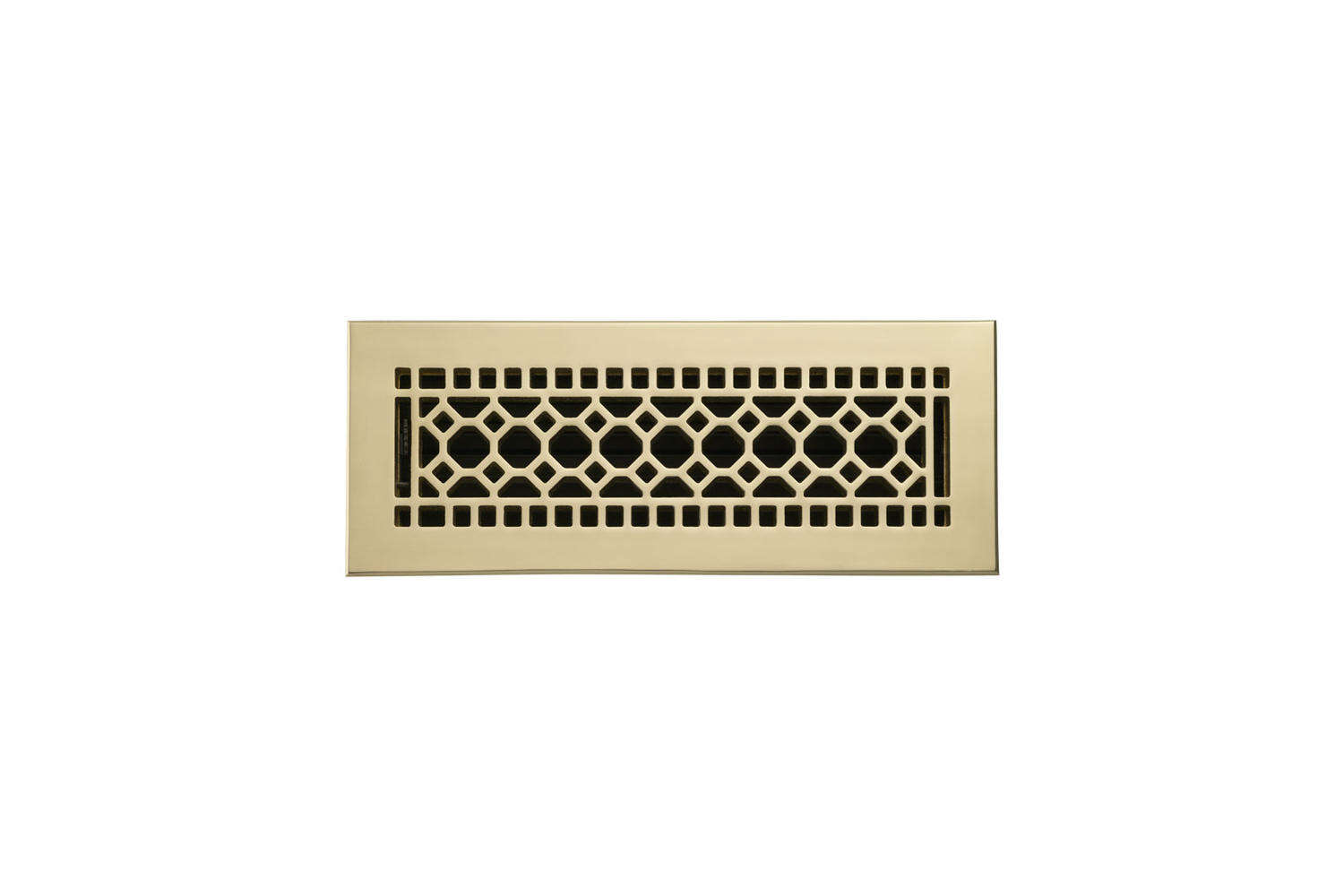
A Classic Brass 4 in. x 12 in. Register sounds like the sort of tiny home detail only a contractor, an architect, or one extremely passionate floor-vent enthusiast would notice. Then you install one, step back, and realize the humble air register has been quietly holding your room hostage for years. That old bent vent cover? The one with chipped paint, mystery lint, and a damper lever that gave up during the Obama administration? It was not “blending in.” It was auditioning for a haunted-house role.
A brass 4×12 register is a small upgrade with surprisingly big design energy. It covers a standard rectangular HVAC duct opening, controls airflow with an adjustable damper, and adds a warm, classic metallic accent to hardwood floors, painted trim, stone tile, or vintage-inspired interiors. In plain English: it lets your heating and cooling system breathe while making the floor look like someone with taste lives there.
This guide explains what a Classic Brass 4 in. x 12 in. Register is, how to choose the right one, where it works best, what to measure before buying, and how to keep it looking polished without turning cleaning day into a dramatic renovation montage.
What Is a Classic Brass 4 in. x 12 in. Register?
A floor register is a vent cover designed for a supply air opening. Unlike a simple grille, which usually covers an opening without controlling airflow, a register typically includes a damper or adjustable louvers. That means you can increase, reduce, or redirect airflow from the duct below.
The “4 in. x 12 in.” measurement usually refers to the duct opening size, not the full outside dimensions of the register faceplate. This is one of those details that seems boring until you order the wrong size and spend twenty minutes staring at a vent cover that sits on top of the floor like a tiny brass picnic tray. Measure the inside duct opening first, then confirm the product’s overall faceplate size before purchasing.
The “classic brass” part refers to the finish and style. Some products are solid brass, while others use steel, cast iron, aluminum, or another metal with a brass, antique brass, satin brass, or unlacquered brass finish. Each option has its own personality. Solid brass feels substantial and can age beautifully. Brass-finished steel or aluminum is often more budget-friendly and still provides that traditional golden tone. Antique brass has a mellow, lived-in look, while polished brass brings a brighter, more formal shine.
Why a 4×12 Brass Register Is More Than a Vent Cover
Home design is full of tiny decisions that quietly add up. Cabinet knobs, switch plates, door hinges, curtain rods, and yes, floor registers all shape the final look of a room. A Classic Brass 4 in. x 12 in. Register works especially well because it combines function with visible finish. It is not hiding in a closet. It is right there on the floor, usually near a wall, window, doorway, or high-traffic zone.
When the register matches or complements other hardware, the room feels more intentional. Brass pairs beautifully with walnut, oak, black accents, marble, white walls, creamy paint colors, and vintage rugs. It also plays nicely with modern interiors when used sparingly. Think of it as jewelry for your ductwork. Practical jewelry, but jewelry nonetheless.
Best Rooms for a Classic Brass 4 in. x 12 in. Register
Living Rooms
In a living room, a brass floor register can tie together coffee table legs, picture frames, lamp bases, curtain rods, or fireplace tools. If your room already has warm metal accents, a brass vent cover makes the floor feel included in the design conversation instead of being the awkward cousin at Thanksgiving.
Bedrooms
Bedrooms benefit from subtle upgrades. A 4×12 brass register near a window or beside a bed can add charm without demanding attention. Choose a finish that works with the mood of the room. Antique brass feels soft and traditional. Satin brass feels cleaner and more modern. Polished brass says, “Yes, I own matching nightstands, and I’m emotionally stable.”
Hallways
Hallways often get neglected, yet they contain some of the most visible floor vents in the house. A classic brass register can make a hallway feel finished, especially in older homes with wood floors, painted millwork, and traditional trim.
Home Offices
A brass register works surprisingly well in a home office. It adds polish without clutter. If the room includes a wood desk, leather chair, brass task lamp, or framed art, the register becomes one more small detail that makes the space feel designed instead of simply “where the printer lives.”
Kitchens and Dining Rooms
Brass can warm up tile, stone, painted cabinets, and white walls. In kitchens, however, durability and cleanability matter. Look for a register with a finish that can handle regular dusting and occasional splashes. In dining areas, avoid placing rugs directly over the register; your HVAC system is not trying to season the underside of your Persian runner.
How to Measure Before Buying
Measuring is the most important step, and it is also the step most people try to skip because optimism is free. Unfortunately, optimism does not make a 4×10 register fit a 4×12 opening.
Step 1: Remove the Existing Register
Lift the old register out of the duct opening. If it is painted in place, gently score around the edges with a utility knife first so you do not pull up paint or finish.
Step 2: Measure the Duct Opening
Measure the width and length of the actual hole in the floor, not the old register’s top plate. A 4 in. x 12 in. register is meant for an opening that is approximately 4 inches by 12 inches. Many sizing guides allow a small range, such as slightly under or over the nominal measurement, but the product specifications should always be your final authority.
Step 3: Check the Overall Faceplate Size
The visible top of the register is larger than the opening because it needs to rest on the floor. A common 4×12 register may have an outside dimension around 5.5 inches by 13.5 inches, though this varies by brand and design. Confirm that the faceplate will not interfere with baseboards, cabinet toe kicks, thresholds, or furniture legs.
Step 4: Confirm Floor, Wall, or Ceiling Use
Not every decorative register is suitable for every location. Floor registers should be strong enough for foot traffic. Wall and ceiling registers may use mounting screws or clips. If the product is labeled for floor use, make sure it sits securely and includes a damper if airflow control is important.
Solid Brass vs. Brass Finish: Which Should You Choose?
Solid brass has a premium feel and can develop a natural patina over time, especially if it is unlacquered. That aging process is part of the appeal for many homeowners. It gives the piece character, depth, and a soft glow that looks right at home in traditional, transitional, cottage, and historic interiors.
Brass-finished registers, on the other hand, may use steel, aluminum, or cast iron beneath the finish. These can be excellent choices when you want the brass look at a lower price or need a sturdier, heavier-feeling register for high-traffic areas. Some steel floor registers come with protective finishes that resist everyday wear and make cleaning easier.
The best choice depends on your budget, traffic level, room style, and maintenance preferences. If you love natural aging, unlacquered brass may be worth the splurge. If you prefer consistent color and lower upkeep, choose a sealed antique brass or satin brass finish. If your dog believes every floor vent is a launchpad, prioritize durability. Design is important, but so is surviving Labrador parkour.
Airflow Matters: Do Not Treat the Damper Like a Light Switch
The adjustable damper is useful, but it should not be treated as a permanent shutoff valve for rooms you rarely use. Many standard forced-air HVAC systems are designed for balanced airflow throughout the home. Closing too many registers can increase pressure in the ductwork, reduce comfort, and potentially strain equipment.
That does not mean you can never adjust a register. It means moderation is your friend. Slightly reducing airflow in one room may help balance comfort, especially if one area gets too warm or too cold. Completely closing multiple vents for long periods is usually not the best energy-saving strategy. Better options include sealing duct leaks, changing air filters, maintaining the system, improving insulation, using a programmable or smart thermostat, and asking an HVAC professional about zoning if your home has persistent comfort problems.
Design Styles That Love Brass Registers
Traditional
A classic brass register feels natural in a traditional home. It complements paneled doors, crown molding, antique furniture, oriental rugs, and warm wood floors. Choose scrollwork, lattice, or historic-inspired patterns for extra character.
Modern Classic
Modern classic interiors mix clean lines with timeless finishes. A simple brass register with a rectangular pattern can add warmth without looking ornate. Pair it with white oak floors, matte black hardware, and creamy walls for a polished but relaxed effect.
Vintage and Historic Homes
Older homes often have architectural details worth honoring. A brass floor register can look more appropriate than a basic white metal vent, especially in homes with original hardwood, brass door hardware, or period-inspired lighting.
Transitional Interiors
Transitional design loves balance. Brass registers help soften modern elements and elevate everyday details. They work well with shaker cabinets, neutral rugs, linen upholstery, and mixed-metal lighting.
Installation Tips for a Clean Fit
Most drop-in floor registers are easy to install. Remove the old register, vacuum the duct opening, check for loose debris, and place the new register into the opening. If the fit is snug, do not force it aggressively. A register should sit flat and secure, not wobble like a restaurant table with one short leg.
Before installation, clean around the floor opening. Dust, pet hair, construction grit, and small objects love to gather around vents. This is also a good time to inspect the duct boot for gaps, sharp edges, or loose connections. If you see major gaps or damaged ductwork, consider sealing or repair before dropping in the new register.
For wall or ceiling use, follow the manufacturer’s mounting instructions. Some registers require screws, clips, or specific damper clearance. Never assume a floor register can safely become a ceiling register unless it is rated and designed for that application. Gravity has opinions.
Maintenance: How to Keep Brass Looking Good
Floor registers collect dust because air is constantly moving through them. Add children, pets, crumbs, and real life, and the register becomes a tiny archaeological site. Fortunately, maintenance is simple.
For regular cleaning, remove the register and vacuum both the cover and the duct opening. Wipe the faceplate with a soft cloth and mild cleaner. Avoid harsh abrasives unless the manufacturer specifically approves them. For brass finishes, test any polish or cleaner on a hidden area first. If the finish is lacquered, aggressive polishing can damage the protective coating.
Unlacquered brass will naturally darken and develop patina. Some homeowners love this look; others prefer a brighter shine. If you want polished brass, use a brass-safe product and follow directions carefully. If you love patina, do less. This is one of the rare home maintenance tasks where tasteful neglect can be a design choice.
Common Mistakes to Avoid
Buying by the Old Cover Size
Always measure the duct opening, not the old cover. The old cover may be oversized, undersized, or simply wrong. Homes have secrets, and vents are very good at keeping them.
Ignoring the Faceplate Clearance
A beautiful brass register is less beautiful when it crashes into a baseboard or cabinet. Check the overall size before ordering, especially in tight spaces.
Covering It With Furniture or Rugs
Registers need breathing room. Placing a sofa, dresser, rug, or storage basket over a supply vent reduces airflow and can make the room less comfortable. If layout is tricky, consider a vent deflector or furniture arrangement that keeps air moving.
Choosing Looks Over Strength
If the register sits in a walkway, choose a durable model suitable for floor use. Decorative is good. Decorative and sturdy is better.
Is a Classic Brass 4 in. x 12 in. Register Worth It?
For many homeowners, yes. A brass register is not the cheapest vent cover on the shelf, but it can deliver a noticeable design upgrade for a relatively small area. Compared with replacing flooring, installing new trim, or buying furniture, swapping vent covers is easy, fast, and low-drama.
The value is strongest when the register is visible and coordinates with other finishes. If the vent is hidden under a bed, a premium brass cover may not be the smartest place to spend. If it is in the center of a living room, hallway, office, or dining area, the upgrade can make the whole room feel more finished.
Think of it as a detail that rewards close attention. Nobody may walk into your home and immediately shout, “Fantastic register!” But they may feel that the room looks warmer, more polished, and more complete. Good design often works that way. It whispers. Occasionally in brass.
Real-World Experiences With a Classic Brass 4 in. x 12 in. Register
After seeing brass registers used in different homes, the biggest lesson is that the upgrade looks most impressive when it relates to something else in the room. A single brass register in a room full of chrome, gray laminate, and cool white paint can look a little lonely. But place that same register in a room with brass cabinet pulls, an aged-gold mirror, warm oak flooring, or a vintage-style lamp, and suddenly it makes perfect sense.
One common experience is the “why did I not do this sooner?” moment. Replacing a basic builder-grade vent with a classic brass floor register usually takes only a few minutes, but the visual payoff feels larger than the effort. In older homes, especially those with hardwood floors, a brass register can look like it has always belonged there. It respects the age of the home without making the room feel like a museum where touching the sofa might summon a docent.
Another lesson is that finish choice matters. Polished brass can look elegant, but it is not always the best fit for casual rooms. In high-traffic spaces, antique brass or satin brass often feels more forgiving. It hides small scratches better and does not demand constant shining. Unlacquered brass has the most character over time, but homeowners should understand that patina is not a defect. It is the material aging naturally. If you want the register to stay bright forever, choose a protected finish instead of fighting chemistry with a polishing cloth every Saturday.
Installation is usually straightforward, but measuring is where people get tripped up. The most reliable approach is to remove the existing cover and measure the duct opening directly. People who measure the old faceplate sometimes order the wrong size because the visible top plate is larger than the opening. A 4×12 register should match a 4×12 duct opening, while the outside dimensions will be wider and longer. This tiny distinction saves returns, frustration, and the deeply humbling experience of being defeated by a rectangle.
In homes with pets, the register location matters. Dogs and cats seem magnetically attracted to floor vents. A sturdy register is important in traffic paths, and the damper mechanism should feel solid enough to handle occasional bumps. If the register sits near a food bowl, litter area, or entryway, expect more frequent cleaning. Dust, crumbs, and fur will find it. They always do. A removable drop-in register makes maintenance easier because you can lift it out, vacuum underneath, wipe it down, and replace it without tools.
Airflow is another real-world consideration. A decorative brass register should still do its job. If the design has very small openings or a restrictive pattern, it may reduce airflow compared with a plain metal register. Most homeowners will not notice a dramatic difference from one properly sized decorative register, but comfort matters. In rooms that already struggle to heat or cool evenly, choose a register that balances style with generous air passage. Beauty is wonderful, but not if the room becomes a sauna with crown molding.
Many people also discover that one upgraded register makes the remaining old registers look worse. This is the classic “one small improvement reveals five more projects” problem. The good news is that registers can be replaced gradually. Start with the most visible rooms first: living room, hallway, primary bedroom, dining room, or home office. Then update less visible areas over time. This approach keeps the budget under control while still improving the spaces you see every day.
The final experience is simple: details change how a home feels. A Classic Brass 4 in. x 12 in. Register will not remodel your entire house. It will not fix a bad floor plan, silence a noisy furnace, or convince your family to stop leaving shoes in the hallway. But it can make a practical object beautiful. And in a real home, where function and style constantly wrestle for the remote, that is a small win worth celebrating.
Conclusion
A Classic Brass 4 in. x 12 in. Register is a compact home upgrade with a lot of charm. It covers a standard HVAC duct opening, helps manage airflow, and adds a warm decorative finish that can elevate hardwood floors, traditional interiors, modern classic rooms, and historic homes. The key is to measure correctly, choose the right material and finish, protect airflow, and clean the register according to its surface type.
Whether you choose solid brass, antique brass, satin brass, or a brass-finished metal register, the goal is the same: make a necessary home feature look intentional. Because vents may be practical, but they do not have to be boring. Your floors deserve better than a sad metal rectangle with dust in its eyebrows.
Note: This article is written for general home-improvement and design guidance. Always confirm product specifications, duct opening size, material, finish care, and HVAC compatibility before purchasing or installing a register.