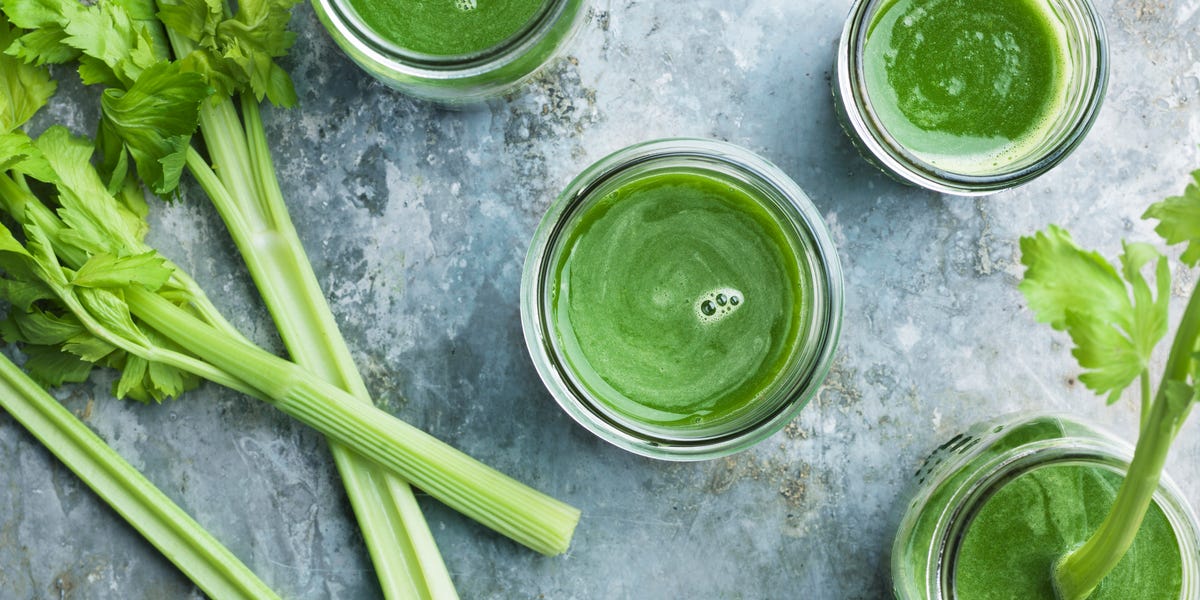
Celery juice has gone from humble vegetable drink to green celebrity. Fans claim it can improve digestion, clear the skin, reduce inflammation, support weight loss and “detox” nearly everything except an overflowing email inbox. The reality is less magicalbut still useful.
Plain celery juice is a hydrating, low-calorie drink that provides vitamins, minerals and naturally occurring plant compounds. It can be a healthy addition to a balanced diet, especially when it replaces a sugary beverage. However, it is not a cure, a meal replacement or a substitute for eating a variety of whole vegetables.
Here is what may actually happen when you drink celery juice, what the science does and does not support, and how to enjoy it without asking one green beverage to perform the work of an entire healthy lifestyle.
What Is in Celery Juice?
Celery is mostly water, which explains why several stalks can produce a surprisingly generous glass of juice. It also contains vitamin K, folate, potassium and smaller amounts of other vitamins and minerals. Celery provides plant compounds with antioxidant activity as well.
Juicing concentrates some of these components into an easy-to-drink serving. Unfortunately, the juicer also removes much of the pulp, and that pulp contains most of the vegetable’s dietary fiber.
This distinction matters. Drinking celery juice is not nutritionally identical to eating celery. The juice delivers fluid and micronutrients, while whole celery provides those benefits plus fiber and the satisfying work of chewing. Your jaw may not demand applause, but chewing can slow eating and help a snack feel more substantial.
Celery juice versus whole celery
Neither choice has to defeat the other in a nutritional cage match. Whole celery is usually the better everyday option when you want fiber, fullness and digestive support. Celery juice can be convenient when you enjoy the flavor, want additional fluid or struggle to include vegetables in your routine.
A blended celery smoothie preserves more fiber than juice because the pulp remains in the drink. That makes blending a useful compromise for people who want a drinkable option without discarding the fibrous portion of the vegetable.
Potential Celery Juice Benefits
1. It can contribute to hydration
The most immediate celery juice benefit is also the least glamorous: it provides water. Hydration supports normal circulation, temperature regulation, digestion and waste removal. A glass of celery juice counts toward your overall fluid intake, although it does not replace the need to drink water throughout the day.
This may be particularly appealing in hot weather or after light activity. For long, intense workouts involving heavy sweating, however, celery juice should not automatically replace a properly formulated hydration plan. Athletes may need a more specific balance of fluid, carbohydrates and electrolytes.
2. It supplies vitamins, minerals and plant compounds
Celery juice provides micronutrients found naturally in celery, including vitamin K, folate and potassium. Vitamin K contributes to normal blood clotting and bone health. Folate supports cell division, while potassium plays an important role in nerve, muscle and cardiovascular function.
Celery also contains plant chemicals with antioxidant properties. Antioxidants help the body manage oxidative stress, but this does not mean celery juice can single-handedly prevent disease. The strongest dietary strategy is still to eat a colorful variety of vegetables, fruits, beans, nuts and other minimally processed plant foods.
3. It may be a better alternative to sugary drinks
Unsweetened celery juice is generally low in sugar compared with soda, sweet tea, energy drinks and many fruit-heavy juice blends. Replacing a high-sugar beverage with plain celery juice can reduce added sugar and calories.
That benefit comes from the substitution, not from a secret fat-melting property hidden inside a celery stalk. Adding several apples, large amounts of pineapple, sweetened coconut water or syrup can quickly turn a vegetable drink into a much sweeter beverage.
4. It can help some people consume more vegetables
Some people genuinely enjoy salads. Others look at a raw vegetable and react as if it just assigned homework. For someone who rarely eats produce, a modest serving of celery juice may provide another way to include vegetable-derived nutrients.
It should be considered an addition rather than a nutritional loophole. Continue eating whole vegetables of different colors and types because no single juice delivers the full range of fiber, nutrients and plant compounds found in a varied diet.
5. It may fit into a heart-conscious eating pattern
Celery contains potassium and bioactive plant compounds that researchers have studied in relation to cardiovascular health. Diets rich in vegetables are consistently associated with better heart-health outcomes, and potassium helps support normal blood-pressure regulation.
Evidence for celery juice itself is much more limited. Drinking it should not be presented as a proven treatment for high blood pressure. Someone with hypertension will gain more reliable benefits from an overall eating pattern rich in vegetables, fruits, whole grains, beans, nuts and appropriate protein sources while limiting excess sodium.
6. It may feel refreshing and easy to digest
Because most insoluble fiber has been removed, celery juice may feel lighter than a large plate of raw vegetables. Some people prefer it in the morning or alongside breakfast.
That does not mean it “repairs the gut.” People with irritable bowel syndrome, food intolerances or sensitive digestion may experience bloating, cramping or diarrhea after drinking a large amount. Digestive responses are highly individual, so start small rather than immediately challenging your intestines to a 16-ounce green duel.
Does Celery Juice Detox Your Body?
There is no convincing evidence that celery juice removes stored toxins or performs a special cleanse. Your liver, kidneys, lungs, digestive tract and skin already participate in processing and eliminating waste products.
Drinking more fluid and replacing heavily processed foods with vegetables may help someone feel better. However, that improvement does not prove that toxins were “flushed out.” It may simply reflect better hydration, fewer calories, less alcohol, more produce or a more consistent routine.
Juice-only cleanses can be low in protein, fat, fiber and total energy. Following one for several days may cause hunger, fatigue, headaches, irritability and nutritional imbalances. Celery juice is best treated as a beverage, not as a complete diet wearing a leafy green disguise.
Can Celery Juice Help With Weight Loss?
Celery juice does not directly burn body fat. It may support a weight-management plan when it replaces a higher-calorie drink, but adding it on top of your usual intake does not guarantee weight loss.
Juice is also less filling than whole celery because much of its fiber is removed. Fiber slows digestion, supports fullness and can make it easier to manage appetite. A person who drinks celery juice for breakfast and skips protein or solid food may become hungry again very quickly.
For a more satisfying meal, pair a small serving with eggs, Greek yogurt, oatmeal, tofu, nuts or another source of protein and nourishing fat. Sustainable weight management comes from the overall pattern of eating, activity, sleep and stressnot from assigning superhero duties to breakfast juice.
How Celery Juice May Affect Digestion and Bowel Habits
Whole celery can support regular bowel movements because it contains insoluble fiber. Most of that fiber stays behind in the juicer, so strained celery juice is not a strong constipation remedy.
The fluid in the juice can still support hydration, which is important for normal bowel function. Some people also notice a bowel movement after drinking a large glass in the morning. This may be related to the volume of fluid, the timing of consumption or an individual gastrointestinal response rather than a unique cleansing effect.
Drinking too much may cause loose stools, abdominal discomfort or nausea. Begin with approximately four to eight ounces and see how your body responds. There is no health prize for finishing a giant jar while making the facial expression of someone reconsidering every decision that led to breakfast.
What About Skin, Inflammation and Energy?
Skin appearance
Better hydration can temporarily help dry skin look less dull, and nutrients from vegetables support overall health. Nevertheless, research has not established celery juice as a treatment for acne, eczema, psoriasis or other skin conditions.
Skin appearance is influenced by genetics, hormones, sun exposure, sleep, stress, medications and the overall diet. Persistent or severe symptoms deserve evaluation by a qualified healthcare professional rather than escalating from one glass of juice to a countertop celery refinery.
Inflammation
Celery contains antioxidant and anti-inflammatory plant compounds, but laboratory findings about individual compounds do not prove that drinking celery juice treats inflammatory disease in humans.
A varied eating pattern emphasizing vegetables, fruits, legumes, whole grains, nuts and healthy fats has more convincing support than relying on one food. People with arthritis, inflammatory bowel disease or autoimmune conditions should not replace prescribed treatment with celery juice.
Energy levels
Celery juice may feel energizing when it corrects mild dehydration or replaces a heavy, sugary drink. It does not contain substantial protein, fat or calories, however, so it cannot provide sustained energy as a complete meal.
Possible Side Effects and Important Precautions
Loss of dietary fiber
The main nutritional disadvantage of juicing is the removal of fiber. Regularly choose whole celery or blended drinks as well, and obtain fiber from beans, lentils, berries, vegetables, whole grains, nuts and seeds.
Celery allergy
Celery can trigger allergic reactions. It is also associated with pollen-food allergy syndrome, particularly among some people with birch or mugwort pollen allergies. Symptoms may include itching or swelling of the lips, mouth or throat, hives, digestive discomfort or, rarely, a severe reaction.
Stop drinking it and seek urgent help if you develop difficulty breathing, throat tightness, widespread hives, dizziness or facial swelling.
Vitamin K and blood-thinning medication
Celery contains vitamin K. People taking warfarin are generally advised to keep vitamin K intake consistent rather than suddenly consuming much larger or smaller amounts. A new daily celery-juice habit could meaningfully change intake, especially when several stalks are concentrated into one serving.
Discuss major dietary changes with the healthcare professional who manages your medication and blood testing.
Kidney disease and restricted diets
People with kidney disease may need to monitor potassium, sodium, fluid or other nutrients. The appropriate amount depends on kidney function, medications and laboratory results. Ask a renal dietitian or clinician before making concentrated vegetable juice a daily habit.
Food-safety concerns
Raw produce can carry harmful microorganisms. Wash celery thoroughly under running water, clean the juicer after every use and refrigerate fresh juice promptly. Homemade juice is best consumed soon after preparation.
Pregnant people, young children, older adults and anyone with a weakened immune system should be especially careful with unpasteurized juice. When buying bottled celery juice, check whether it has been pasteurized or otherwise treated for safety.
Commercial ingredients
Read bottled-juice labels. Some products include fruit concentrates, added sweeteners or additional sodium. A bottle decorated with leaves and inspirational typography can still contain ingredients you were not expecting.
How Much Celery Juice Should You Drink?
There is no scientifically established daily dose required to obtain celery juice benefits. For most healthy adults who tolerate it, a serving of four to eight ounces is a reasonable starting point. Larger amounts are not automatically better.
Drink it with or without food according to personal preference. Claims that it must be consumed on an empty stomach are not supported by strong clinical evidence. Your digestive system does not refuse celery nutrients because oatmeal entered the building first.
Avoid using celery juice as a meal replacement. Include adequate protein, healthy fat, complex carbohydrates and fiber across your meals.
How to Make Celery Juice Safely
Using a juicer
- Separate the celery stalks and rinse them thoroughly under cool running water.
- Trim damaged areas and remove any visible dirt.
- Cut the stalks into pieces that fit your juicer.
- Process the celery and collect the juice in a clean container.
- Drink it promptly or refrigerate it in a sealed container.
- Disassemble and wash the juicer immediately after use.
Using a blender
Blend chopped celery with a small amount of water until smooth. Drink it with the pulp to retain more fiber, or strain it through a fine mesh bag for a juice-like texture. Leaving the pulp in the drink provides a nutritional advantage, even if the result looks slightly more like a lawn decided to become breakfast.
Simple flavor options
Add lemon, lime, cucumber, mint or a small piece of ginger for variety. Limit large quantities of sweet fruit when your goal is a lower-sugar beverage.
A Realistic Seven-Day Celery Juice Experience
The following example describes what a practical one-week experiment might look like. It is not a promise that everyone will feel the same effects, and it should not be mistaken for a clinical trial or personal medical testimony.
Day 1: Meeting the flavor
A first glass of plain celery juice often tastes saltier and more vegetal than expected. Someone accustomed to fruit smoothies may wonder whether breakfast has accidentally become a liquid salad. Starting with four ounces makes the flavor and digestive response easier to evaluate.
The drink may feel refreshing, but it is unlikely to create an immediate transformation. Any early burst of energy could come from hydration, expectation or simply beginning the day with a deliberate routine.
Days 2 and 3: More fluid, possibly more bathroom visits
Adding juice without reducing other beverages increases total fluid intake. As a result, some people may urinate more frequently. This is not evidence that toxins are pouring out of the body; it is often the ordinary result of consuming more liquid.
Digestive reactions may also appear. A sensitive person could notice bloating, mild cramping or looser stools, while another person may notice nothing at all. Reducing the serving or drinking it alongside food may improve tolerance.
Days 4 and 5: The routine becomes more important than the juice
By the middle of the week, the biggest effect may be behavioral. Washing produce, preparing a drink and sitting down for breakfast can create a more structured morning. That routine may encourage better choices later, such as packing lunch or drinking less soda.
The opposite can also occur. Juicing several bunches of celery, cleaning six machine parts and discovering green droplets in surprising corners of the kitchen may feel inconvenient. A healthy habit has to fit real life. Eating whole celery, making a blended drink or buying pasteurized unsweetened juice can be more sustainable.
Days 6 and 7: Evaluating the results honestly
At the end of one week, dramatic weight loss, disease reversal or flawless skin would not be realistic expectations. More plausible observations include improved morning hydration, reduced intake of sugary drinks, enjoyment of the routine or confirmation that celery juice simply is not appealing.
It helps to track specific questions: Did the drink replace something less nutritious? Did it cause hunger because it replaced breakfast? Did digestion improve or worsen? Was the cost reasonable? Did the habit reduce or increase overall vegetable intake?
Someone who discarded the pulp and stopped eating whole vegetables may have accidentally lowered fiber intake. Someone who paired a small glass with a balanced breakfast while continuing to eat varied produce may have made a helpful addition.
What the experiment can teach you
The useful lesson is not whether celery juice deserves a permanent halo. It is whether the habit supports hydration, dietary variety and an enjoyable routine without causing symptoms, replacing balanced meals or creating unrealistic expectations.
Health improvements usually come from repeatable patterns. A modest glass enjoyed regularly can fit that pattern. So can a crunchy celery stalk, vegetable soup or salad. Your body does not award bonus points because the vegetable arrived through an expensive appliance.
Frequently Asked Questions
Is it good to drink celery juice every day?
It can be included daily if you tolerate it and it does not replace whole vegetables or balanced meals. People with allergies, kidney disease or medications affected by vitamin K should seek individualized advice.
Is celery juice better in the morning?
There is no strong evidence that morning consumption produces unique benefits. Choose the time that is convenient and comfortable for your digestion.
Does celery juice clean the liver?
No evidence shows that celery juice performs a special liver cleanse. The liver already processes substances in the body. Supporting liver health involves a balanced diet, physical activity, appropriate weight management, limited alcohol and medical care when needed.
Can celery juice cure high blood pressure?
No. Celery can be part of a heart-conscious diet, but its juice should not replace blood-pressure medication or a clinician-recommended treatment plan.
Should the pulp be removed?
Removing the pulp creates a smoother juice but eliminates much of the fiber. Keeping it in a blended drink generally provides greater digestive and satiety benefits.
Conclusion: Healthy Beverage, Not a Miracle Cure
The most believable celery juice benefits are hydration, convenient delivery of several micronutrients and the possibility of replacing a sugary drink. It may help someone consume more vegetable-based foods, but it does not detox the body, melt fat, cure inflammation or replace medical treatment.
Whole celery remains valuable because its fiber supports digestion and fullness. The healthiest approach is to enjoy celery juice in moderation while continuing to eat a wide variety of whole foods.
In other words, celery juice can be a supporting character in a healthy diet. It just should not be handed the entire script, the director’s chair and responsibility for saving the universe.