Sciatica has a special talent for making ordinary life feel wildly overdramatic. One minute you are tying your shoes like a civilized adult, and the next minute a streak of pain is running from your lower back through your buttock and down your leg like your body is auditioning for a disaster movie. The big question is whether acupuncture can actually help.
The honest answer is yes, it may help some people with sciatica, especially when the pain is linked to a herniated disk and standard home care has not done enough. But this is not a magic-needle fairy tale. Acupuncture is best viewed as one tool in a larger pain-management plan, not a solo act that automatically fixes every irritated nerve in town.
That balanced answer matters because sciatica is common, stubborn, and often frightening. Pain that shoots down one leg can make people assume the worst, even though many cases improve with time and conservative care. Acupuncture has become a popular non-drug option because people want relief without leaning too hard on pills, and recent research gives that interest a little more credibility than it used to have.
What sciatica actually is
Sciatica is not a diagnosis by itself. It is a symptom pattern caused by irritation or compression of the sciatic nerve or the nerve roots that feed into it. The classic signs are pain, tingling, numbness, or weakness that starts in the low back or buttock and radiates down one leg. Some people feel a burning sensation. Others describe an electric shock, a deep ache, or a weird combination of all three. Because the sciatic nerve is the body’s largest nerve, it does not exactly whisper when it is annoyed.
The most common cause is a herniated lumbar disk. Other causes can include spinal stenosis, bone changes that narrow the space around the nerves, or certain injuries. In many people, symptoms improve over several weeks with time, movement, stretching, and other conservative treatments. That is why most clinicians do not rush straight to dramatic interventions unless red-flag symptoms are present.
So, can acupuncture help?
For some people, yes. The strongest recent evidence comes from a randomized clinical trial published in JAMA Internal Medicine in late 2024. In that study, 216 adults with chronic sciatica caused by a herniated disk were assigned to either real acupuncture or a sham procedure. The acupuncture group received 10 sessions over four weeks. Compared with the sham group, they had greater reductions in leg pain and better physical function by week four, and the benefit remained measurable through one year.
That is the kind of study that makes clinicians raise an eyebrow in a good way. It does not prove acupuncture is the best treatment for every person with sciatica, but it does suggest that acupuncture may offer meaningful relief for carefully selected patients, particularly those with chronic symptoms tied to disk-related nerve irritation.
Harvard Health summed up the takeaway neatly: acupuncture may be worth considering for sciatica from a herniated disk, especially when more traditional treatments are not providing enough relief. That is a sensible middle ground. It is hopeful without sounding like a late-night infomercial.
Why the answer is still nuanced
Here is where we keep one foot on the brake. Broader evidence reviews have often found that acupuncture for back pain and sciatica looks promising, but the overall quality of the evidence has been mixed. Some studies show benefit, some show smaller effects, and some use methods that make the results harder to interpret. In plain English: the signal is encouraging, but the science is not neat enough to crown acupuncture the undisputed heavyweight champion of sciatic pain.
That matters because sciatica is not one-size-fits-all. A person with mild irritation after a weekend of heroic but questionable yard work is different from someone with months of leg pain from a confirmed herniated disk. The more specific the cause, the easier it is to judge whether acupuncture is likely to help.
How acupuncture might ease sciatica pain
Modern medicine does not fully explain every part of acupuncture in the same way traditional acupuncture does. Still, several practical theories keep showing up. Needle stimulation may influence pain signaling, encourage the release of natural pain-relieving chemicals such as endorphins, reduce muscle tension, and affect how the nervous system processes discomfort. It may also help some people move more comfortably, which is a big deal because gentle movement is often part of recovery.
In other words, acupuncture may not “unpinch” a disk the way a wrench fixes a pipe. What it may do is change how much pain you feel, reduce guarding in nearby muscles, and improve function enough for you to keep up with stretching, walking, and physical therapy. That is not a small win. When sciatica is flaring, even getting through the grocery store without turning into a statue can feel heroic.
What a typical acupuncture experience looks like
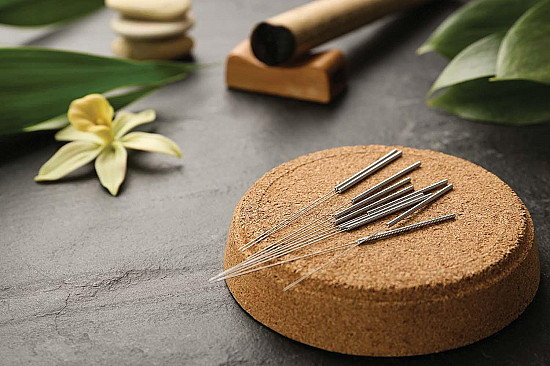
A session usually begins with a conversation about your symptoms, where the pain travels, what makes it worse, and whether you have numbness, weakness, or sleep disruption. Then the practitioner places very thin needles into specific points. Many people feel little more than a tiny prick, a dull ache, warmth, heaviness, or a brief zing. The session often lasts around 20 to 40 minutes.
Do you walk out cured after one appointment? Usually not. Some people feel looser or calmer after the first visit. Others notice improvement after a few sessions. In the 2024 trial, participants had 10 sessions over four weeks, which is a useful reminder that acupuncture is generally delivered as a short course, not a one-and-done event. Think of it less like flipping a light switch and more like nudging your pain system in a better direction over time.
When acupuncture makes sense for sciatica
Acupuncture may be a reasonable option if you have ongoing sciatica, want to try a non-drug approach, are looking to reduce reliance on pain medicine, or need something that helps you stay functional while your body settles down. It may be especially appealing for people whose pain has dragged on long enough to interfere with work, sleep, exercise, or the basic joy of sitting in a chair without negotiating with their spine.
It also fits well into a broader conservative-care strategy that may include walking, gentle stretching, physical therapy, heat or ice, short-term use of pain relievers when appropriate, and avoiding long stretches of total inactivity. Staying active as pain allows is a common theme in major clinical guidance for back pain and sciatica. Bed rest sounds tempting, but too much of it can turn your back and hips into grumpy roommates.
When acupuncture should not be your only plan
There are situations where sciatica needs prompt medical evaluation, not just a wellness appointment and a hopeful playlist. Seek urgent care if you have new bowel or bladder dysfunction, saddle anesthesia, rapidly worsening weakness, major trauma, fever, unexplained weight loss, a history of cancer, or severe symptoms that keep escalating. These red flags can point to serious conditions such as cauda equina syndrome, infection, fracture, or a tumor.
Even without red flags, see a clinician if symptoms are not improving after several weeks, if the pain is intense enough to limit normal activity, or if numbness and weakness are becoming more noticeable. Acupuncture can be a useful complement, but it should not replace proper evaluation when the story sounds more complicated than ordinary sciatica.
Is acupuncture safe?
In general, acupuncture is considered low risk when performed by a qualified, licensed practitioner using sterile, single-use needles. The most common side effects are mild soreness, small bruises, or a tiny bit of bleeding where needles were inserted. Serious complications are rare, but they can happen when acupuncture is done improperly or with poor infection control.
Before treatment, tell the practitioner if you are pregnant, have a pacemaker, take blood thinners, have a bleeding disorder, have chronic skin problems, or are at high risk for infection. This is not the time for mystery and intrigue. Good acupuncture is careful acupuncture.
How to use acupuncture wisely as part of a bigger sciatica plan
If you are thinking about acupuncture for sciatica, the smartest approach is to treat it as one part of a coordinated strategy:
- Get a proper medical evaluation if symptoms are severe, persistent, or unusual.
- Use acupuncture with, not instead of, exercise-based rehabilitation when appropriate.
- Choose a licensed practitioner with solid credentials and experience treating pain conditions.
- Give the treatment a fair trial rather than judging it after a single visit.
- Keep track of practical outcomes: pain level, walking tolerance, sleep, sitting comfort, and daily function.
The last point matters most. The best question is not whether acupuncture sounds impressive. It is whether you can sit longer, walk farther, sleep better, and swear less every time you stand up from the couch.
Common experiences people report with acupuncture for sciatica
One of the most useful ways to understand acupuncture is to look at the kinds of experiences people often describe when sciatica is part of the picture. Not dramatic miracle stories. Not spooky anti-science tales either. Just the very human middle ground.
A common experience is that the first session does not produce fireworks, but it does create a subtle shift. A person might leave feeling a little less tight in the low back, a little more relaxed in the hip, or a little less “grabby” in the leg. That kind of early change can sound underwhelming until you remember that sciatica often makes tiny improvements feel enormous. Sleeping through the night without being jolted awake by leg pain is not a small thing. Neither is getting through a workday without standing up every seven minutes like a confused meerkat.
Another common pattern is delayed improvement. Some patients report that they feel only mildly better after the first or second appointment, then realize after the fourth or fifth that walking is easier, the pain is traveling less far down the leg, or sitting in the car is not quite as miserable. This matches the idea that acupuncture often works as a short course rather than an instant rescue. The body does not always change its pain volume in one dramatic move. Sometimes it turns the dial slowly.
People also describe the treatment itself in surprisingly ordinary terms. Many expect the needles to feel intimidating, then discover that the sensation is brief and mild. They may feel a pinch, a dull pressure, warmth, heaviness, or a twitch in the muscle. Some feel relaxed enough to nearly nap. Others feel energized afterward. A few feel sore for a day, much like after a workout. That range is normal.
There are also people who try acupuncture and conclude, very reasonably, that it is not their thing. Maybe the effect is too small. Maybe the relief fades quickly. Maybe physical therapy helps more. That does not mean they failed acupuncture or that acupuncture failed science. It means sciatica has different causes, different pain patterns, and different responses. Bodies can be annoyingly individual.
Clinically, the most encouraging experience is often not “my pain vanished forever,” but “I can function again.” Someone who could barely tolerate sitting through dinner may now manage a meal and a short walk. Someone who avoided exercise may restart stretching and strengthening because the pain has settled enough to move. Someone relying heavily on pain relievers may use them less often. These practical wins matter because function and confidence are part of healing too.
The most realistic expectation is improvement, not perfection. For many people, acupuncture is not the entire answer to sciatica. It is the thing that lowers the volume enough so the rest of the recovery plan can finally be heard.
Conclusion
So, can acupuncture ease your sciatica? It can, and the best recent evidence suggests it may be especially helpful for chronic sciatica caused by a herniated disk. But the keyword is can, not will. Acupuncture is not a guaranteed cure, and it works best when it is paired with smart medical evaluation, movement, and a broader treatment plan.
That makes acupuncture neither hype nor nonsense. It sits in the more useful category of “promising, reasonably safe, and worth considering for the right person.” If your sciatica has overstayed its welcome and standard home care is not cutting it, acupuncture may be the nudge your recovery needs. Just do yourself a favor and choose a licensed practitioner, keep your expectations grounded, and pay attention to whether your real life is improving, not just your hopes.