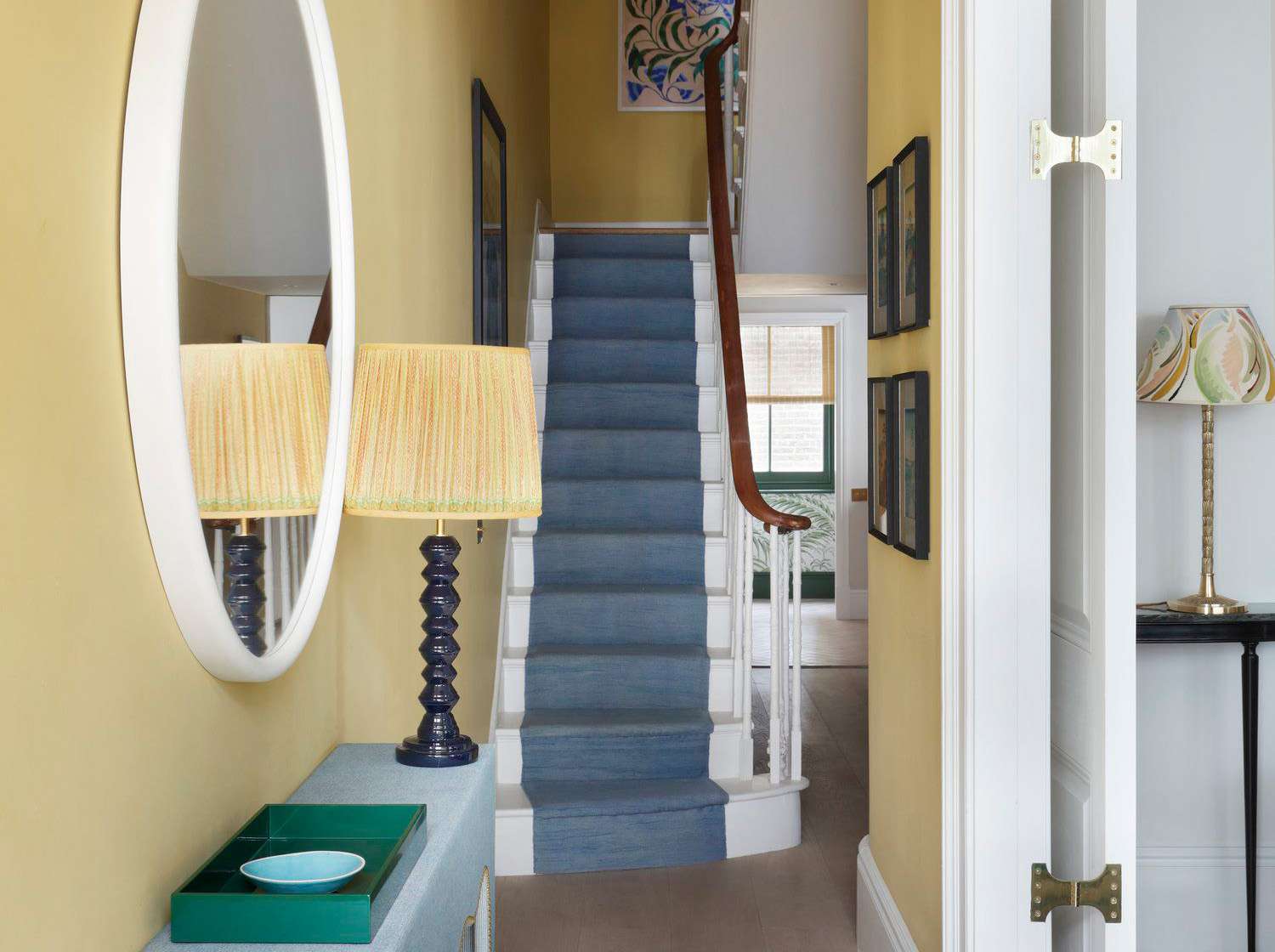
A narrow hallway is one of those spaces that often gets treated like the middle child of home design: overlooked, slightly underappreciated, and mostly remembered when it is causing problems. It is where shoes pile up, mail lands with no clear purpose, and the walls somehow look both empty and crowded at the same time. But a skinny corridor does not have to be a design dead zone. With the right mix of storage, lighting, color, and scale, a narrow hallway can become one of the smartest and most stylish parts of your home.
The secret is simple: stop treating it like leftover square footage. A hallway may be slim, but it still shapes first impressions, daily routines, and the flow of the whole house. The best narrow hallway ideas make the space feel brighter, calmer, and easier to live with. Some create storage where there seems to be none. Others add personality without making the area feel tight. And a few just make you feel wildly organized, which, frankly, is a thrilling hobby.
Below, you will find 30 narrow hallway ideas that balance beauty and practicality, whether you are working with a tight apartment corridor, a long builder-grade hallway, or an entry passage that seems determined to collect everything you own.
Start With the Basics: What Makes a Narrow Hallway Work?
Before diving into the ideas, keep three principles in mind. First, choose slim or wall-mounted pieces whenever possible so you preserve walking space. Second, use light, reflection, and visual rhythm to make the hallway feel more open. Third, every decorative choice should either add function, add personality, or ideally do both. If an item does neither, it may be time for a polite goodbye.
30 Narrow Hallway Ideas for Maximum Style and Function
1. Use a Slim Console Table
A narrow console instantly gives the hallway purpose. Choose one with a shallow depth so it does not crowd the path, then top it with a tray for keys, a small lamp, and one decorative accent. It is the grown-up version of “I swear I know where my wallet is.”
2. Hang a Large Mirror
A mirror is one of the oldest hallway tricks for a reason: it reflects light, visually expands the space, and gives the eye somewhere to land. A single oversized mirror usually looks cleaner than a cluster of smaller ones in a tight corridor.
3. Add a Runner Rug
A hallway runner helps define the zone, softens foot traffic, and makes the space feel intentional. In a long hallway, it also creates rhythm and movement. Go for a durable, low-pile option that can handle real life, because hallways are not exactly peaceful museums.
4. Install Wall Sconces
If floor space is precious, move your lighting to the wall. Sconces add warmth, free up tabletop room, and make a narrow hallway feel designed rather than merely survived. They also help break up a long corridor with a more layered glow.
5. Paint It a Soft, Warm Neutral
Light warm neutrals, creamy whites, and soft taupes can brighten a narrow hallway without making it feel sterile. These shades bounce light around and pair well with nearly every style, from modern to traditional to “I bought this bench because it was on sale and now I love it.”
6. Try a Moody Color on Purpose
Yes, really. A narrow hallway can also look fantastic in a deep, saturated color if you support it with good lighting and a few reflective surfaces. The result feels cozy, dramatic, and intentional, not cave-like.
7. Create a Mini Drop Zone
If your hallway doubles as an entry, give everyday clutter a proper landing spot. A few hooks, a tray, and a narrow shelf can keep coats, keys, and bags from migrating into every room like tiny uninvited tenants.
8. Use Wall-Mounted Hooks Instead of Bulky Furniture
Wall hooks are a lifesaver in slim spaces. They hold coats, hats, and dog leashes without needing a full hall tree or standing rack. Pick a style that matches your decor so the solution looks deliberate, not temporary.
9. Add a Floating Shelf
A shallow floating shelf gives you display and storage space without visually weighing down the hallway. It is perfect for keys, framed art, a candle, or a small bowl for the pocket junk you insist you will sort later.
10. Choose Furniture With Hidden Storage
A bench with cubbies, a console with drawers, or a floating cabinet with closed fronts keeps everyday essentials out of sight. In a narrow hallway, hidden storage is especially useful because visible clutter can make the whole space feel tighter.
11. Use Vertical Space
When square footage is limited, think upward. Tall shelving, stacked hooks, vertical art arrangements, and ceiling-height storage help you use the full wall instead of only the bottom half. This makes the hallway work harder without feeling wider physically.
12. Build in a Bench if You Can
A built-in bench can turn an awkward hallway niche into a hardworking feature. Add a cushion, a few baskets underneath, and suddenly that forgotten passage becomes a useful perch for shoes, bags, and daily routines.
13. Go for Narrow Closed Shoe Storage
Shoes are often the real villains of hallway chaos. A slim shoe cabinet keeps them tucked away while maintaining a cleaner look. This is especially smart near the front door, where clutter tends to multiply with suspicious speed.
14. Add a Gallery Wall
A gallery wall gives a narrow hallway personality and can make it feel like a destination rather than just a connector. Use matching frames for a polished look, or mix styles carefully for something more relaxed and collected.
15. Install Picture Ledges
Picture ledges are an excellent option if you like to swap art seasonally or avoid hammering a dozen separate holes. They add depth and interest while staying fairly shallow, which matters in a narrow pass-through space.
16. Make the Ceiling Interesting
If the walls are busy or the footprint is too tight for decor, look up. A painted ceiling, subtle wallpaper, or even a statement light fixture can pull the eye upward and make the hallway feel more dynamic.
17. Use Wallpaper in Small Doses
Wallpaper can bring energy to a narrow hallway, especially in a long corridor that feels flat. Try it on one wall, above wainscoting, or in a small entry section for impact without overload. This is how you get drama without the emotional exhaustion.
18. Add Wainscoting or Wall Paneling
Architectural detail makes a hallway feel more finished and upscale. Wainscoting, beadboard, or simple wall molding adds texture and structure, especially in plain builder-grade spaces that need a little character boost.
19. Keep Decor Low-Profile
Chunky furniture and deep decor pieces can make a narrow hallway feel cramped fast. Choose streamlined silhouettes, shallow shelves, and wall-hugging pieces to keep the walkway clear and the space visually calm.
20. Style the End of the Hall
If you have a long hallway, do not ignore the far wall. A mirror, artwork, small table, or bold paint color at the end gives the eye a focal point and prevents the corridor from feeling like an endless tunnel.
21. Add a Small Lamp for Warmth
Overhead lights alone can make a hallway feel flat and harsh. A compact lamp on a console or shelf creates a softer glow and makes the area feel more welcoming, especially in the evening when the rest of the house starts winding down.
22. Try Glass or Acrylic Pieces
Transparent furniture can be surprisingly useful in narrow areas because it does not visually block the space. An acrylic console, glass lamp, or slim lucite stool keeps the hallway functional while looking lighter and less crowded.
23. Layer Storage With Baskets and Trays
Small organizational pieces make a big difference. A tray keeps keys and mail from spreading everywhere, while baskets underneath a bench or shelf corral shoes, scarves, and reusable bags. Think of it as hallway diplomacy.
24. Carve Out a Faux Entryway
If your narrow hall opens directly into another room, define the area with a rug, mirror, hooks, or a small table. Creating a visual entry zone makes the whole home feel more organized, even when the architecture did you no favors.
25. Bring in One Tall Accent
A tall mirror, sculptural coat rack, slim plant, or vertical art piece can make a narrow hallway feel more balanced. Height draws the eye upward and helps the space feel designed from top to bottom.
26. Use Matching Storage for a Cleaner Look
Uniform bins, coordinated frames, and matching hooks instantly reduce visual noise. In a narrow hallway, consistency goes a long way because every object is more noticeable than it would be in a larger room.
27. Add a Bench Only if It Truly Fits
A bench can be wonderful, but only if it leaves enough room to move comfortably. In very tight hallways, a wall-mounted shelf with hooks may do the job better. Style should never force you to walk sideways like a crab.
28. Use Art to Set the Mood
Hallways are ideal for artwork because people naturally move through them slowly. Family photos, black-and-white prints, abstract canvases, or local art can all make the space more personal and memorable.
29. Keep the Floor Visually Clear
The more open floor you can see, the more spacious a narrow hallway feels. Floating cabinets, wall-mounted shelves, and off-the-floor lighting help preserve that airy look, even when you are adding plenty of function.
30. Edit Ruthlessly
The best narrow hallway idea may be the least glamorous one: use less stuff. A few purposeful elements will always outperform a crowded collection of decor and storage pieces. When in doubt, remove one thing and the hallway will usually thank you.
How to Combine These Ideas Without Overdoing It
You do not need all 30 ideas in one hallway unless your design goal is “stylish obstacle course.” The smartest approach is to combine one storage solution, one lighting upgrade, one visual-expanding trick, and one personality layer. For example, pair a slim console with a mirror, a runner, and a wall sconce. Or use a shoe cabinet, framed art, warm paint, and hooks. The winning formula is balance.
If your hallway is especially tight, prioritize function first: storage, lighting, and clear walking space. If it already works well but feels boring, focus on style: art, wallpaper, paneling, or a richer color palette. In other words, solve the problem your hallway actually has, not the one Pinterest convinced you it should have.
Real-Life Experience: What a Well-Designed Narrow Hallway Changes Day to Day
Living with a narrow hallway teaches you very quickly that small spaces affect your mood more than you expect. When the corridor is cluttered, dark, or awkward, the whole home can feel less settled. You walk in the door and immediately see shoes, bags, and random paperwork auditioning for the role of “tiny daily stressor.” A hallway may not be where you spend the most time, but it is often where your day begins and ends. That makes its design surprisingly personal.
One of the biggest changes happens when the hallway starts supporting your routine instead of interrupting it. A slim console with a tray means your keys stop disappearing. Hooks mean coats do not end up on dining chairs. A bench or a small perch makes taking shoes on and off easier, especially when you are rushing out the door or coming home with grocery bags cutting off circulation to your fingers. Suddenly, the hallway is not just a corridor. It becomes part of how your home functions.
Lighting also changes the experience more than most people expect. A narrow hallway with harsh overhead light can feel cold and purely utilitarian. Add a warm lamp or a pair of sconces, and the same space feels calmer, softer, and more intentional. At night, that glow can make the home feel welcoming instead of vaguely like a dentist office with better throw pillows.
Then there is the visual side. When a hallway has art, a runner, or a mirror, it begins to feel like a real room with a point of view. That matters because narrow hallways are often the spaces that connect everything else. They carry you from bedrooms to bathrooms, from entry to living room, from chaos to coffee. If that passage feels unfinished, the whole house can feel a little incomplete. But when it is styled thoughtfully, the home feels more cohesive from end to end.
There is also something deeply satisfying about making an awkward space work well. Narrow hallways can be annoying. They limit furniture choices, collect clutter fast, and do not leave much room for mistakes. But when you figure them out, they reward you every single day. You notice the ease of moving through the house. You notice how much tidier everything stays. You notice that guests pause to admire the art or the wallpaper instead of breezing past the hallway as if it does not exist.
Most of all, a successful narrow hallway proves that style is not about square footage. It is about intention. A hallway does not need to be wide to be beautiful. It does not need grand architecture to be memorable. It just needs thoughtful choices that respect how people actually live. And that, honestly, is what good design is all about: making ordinary life look better, feel easier, and function with a little less daily nonsense.
Conclusion
The best narrow hallway ideas do not just make a small space prettier. They make it smarter. With slim furniture, layered lighting, wall-mounted storage, reflective surfaces, and a little personality, even the tightest corridor can feel polished and practical. Whether you want a hallway that works harder, looks brighter, or finally stops collecting every loose shoe in the household, the solution is not necessarily more space. It is better design.