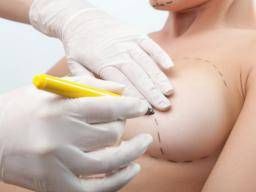
Breast augmentation can change breast size, shape, symmetry, and projection, but it is not a simple beauty appointment with better lighting. It is elective surgery involving anesthesia, incisions, medical devices, recovery, long-term monitoring, and the possibility of future operations.
Some people pursue augmentation after pregnancy, weight loss, aging, or naturally uneven breast development. Others want proportions that feel more aligned with their body or gender identity. Whatever the motivation, the best decision is an informed onenot a decision made because a social media filter had a particularly persuasive afternoon.
This guide explains breast implant options, fat transfer, surgical techniques, recovery, risks, future screening, breastfeeding considerations, and the practical experiences patients commonly encounter.
What is breast augmentation?
Breast augmentation, also called augmentation mammoplasty, is surgery performed to increase breast volume or change breast shape. The procedure usually uses saline-filled or silicone gel-filled implants placed beneath breast tissue, beneath the chest muscle, or in a dual-plane position that combines aspects of both.
In the United States, the two main implant categories approved by the Food and Drug Administration are saline-filled and silicone gel-filled implants. Both have a silicone outer shell, but their filling, feel, behavior after rupture, sizes, profiles, and other design features differ.
What breast augmentation can accomplish
Depending on anatomy and surgical planning, augmentation may:
- Increase breast volume and upper-pole fullness.
- Improve noticeable asymmetry.
- Restore volume lost after pregnancy, breastfeeding, aging, or weight changes.
- Improve the balance between the chest, waist, and hips.
- Support gender-affirming goals for some patients.
Augmentation alone does not reliably correct substantial sagging. When the nipple sits low or excess skin is the main concern, a breast lift may be recommended with or without implants. Adding a larger implant to avoid a needed lift can create an oversized result without fixing the underlying positionrather like buying a larger lampshade when the lamp itself is leaning.
Breast implant options
Saline implants
Saline implants have a silicone shell filled with sterile saltwater. They are usually inserted while empty and then filled, which may allow a smaller incision and minor adjustments in volume during surgery.
If a saline implant ruptures, the breast generally loses volume noticeably as the saline is absorbed by the body. The implant shell still requires evaluation and usually surgical removal or replacement. Saline implants may feel firmer than silicone implants and may be more likely to show rippling, especially in thin patients with limited natural breast tissue.
Silicone gel implants
Silicone implants are prefilled with silicone gel. Many patients feel that silicone more closely resembles natural breast tissue, particularly when there is little tissue available to cover the implant.
Silicone gel varies in cohesiveness. Highly cohesive implants, casually called “gummy bear” implants, are designed to hold their shape more firmly. A silicone rupture may be “silent,” meaning the breast can appear normal even when the shell has torn. Ultrasound or magnetic resonance imaging may therefore be necessary to evaluate implant integrity.
Round versus shaped implants
Round implants can provide fullness throughout the breast and do not create a visible rotation problem because their shape is symmetrical. Anatomically shaped implants have more volume toward the bottom, but rotation can distort the breast contour.
Shape alone does not determine whether a result looks natural. Implant width, projection, placement, tissue thickness, chest-wall shape, skin quality, and surgical technique often matter more than the marketing name printed on the box.
Smooth versus textured surfaces
Implants may have smooth or textured outer surfaces. Textured surfaces were developed partly to limit movement or rotation in certain implant designs. However, breast implant-associated anaplastic large cell lymphoma, or BIA-ALCL, has occurred more frequently in patients with textured implants than in those with smooth implants. The condition is a lymphoma of the immune system, not conventional breast cancer.
Fat transfer breast augmentation
Fat transfer is an alternative for patients seeking a relatively modest increase without implants. A surgeon removes fat through liposuction, processes it, and injects selected fat cells into the breasts.
The technique can provide subtle volume and contour changes while also reshaping a donor area such as the abdomen, thighs, or flanks. However, not all transferred fat survives, results are less predictable than implant volume, and more than one session may be needed. It is generally not the best route for someone seeking a dramatic increase in size.
Recovery also involves the liposuction sites. Bruising, swelling, tenderness, and compression garments can make the process feel like two procedures sharing one calendar. Final results take time because swelling must decrease and the surviving fat must stabilize.
How implant size should be chosen
Implants are measured in cubic centimeters rather than bra cup sizes. Cup sizing is inconsistent among brands, so asking for “a full C cup” is less precise than it sounds.
A responsible sizing process considers:
- Chest and breast-base width.
- Existing breast tissue and skin elasticity.
- Nipple position and natural asymmetry.
- Implant projection and profile.
- Desired proportions rather than a celebrity photograph.
- Exercise habits, work demands, and long-term comfort.
Very large implants may place more stress on skin and supportive tissue. Over time, that stress can contribute to stretching, implant descent, visible edges, rippling, discomfort, or the need for revision. The goal is not to find the largest implant that technically fits. It is to find a size that fits the body, lifestyle, tissues, and desired appearance.
Where are breast implants placed?
Subglandular placement
With subglandular placement, the implant sits beneath the breast tissue but above the chest muscle. This can mean less muscle-related discomfort and no implant movement when the pectoral muscles contract. However, implant edges and rippling may be easier to see in patients with thin tissue coverage.
Submuscular placement
Submuscular placement positions at least part of the implant beneath the pectoral muscle. The extra tissue coverage can soften the implant outline and may be useful for patients with limited natural breast tissue. Recovery can involve more tightness, and the implant may move when the chest muscle contracts, a phenomenon called animation deformity.
Dual-plane placement
A dual-plane technique places the upper part of the implant beneath the muscle while allowing the lower portion to sit beneath breast tissue. The method can combine upper-pole coverage with more flexibility in shaping the lower breast. The most appropriate approach depends on anatomy rather than a universal “best” placement.
Incision choices and scarring
Common incision locations include the fold under the breast, the border of the areola, and the armpit. Each option has benefits and limitations involving visibility, surgical access, implant type, sensation, contamination risk, and future breastfeeding.
The inframammary incision in the breast fold provides direct access and is widely used because the surgeon can carefully control the implant pocket. A periareolar incision may blend with the color transition around the areola, but it passes close to breast ducts and nerves. An armpit incision avoids a scar directly on the breast but can make positioning and future revision more complicated.
Scars are permanent, although they usually flatten and fade over time. Genetics, skin tone, sun exposure, smoking, wound tension, infection, and aftercare can all affect scar quality.
Preparing for breast augmentation surgery
A good consultation should include a medical history, physical examination, discussion of goals, review of photographs, and clear explanation of alternatives and complications. Patients should disclose previous operations, pregnancies, breast conditions, allergies, nicotine use, medications, supplements, and any family or personal history of breast cancer.
The FDA requires manufacturers to provide detailed patient information, including a boxed warning and decision checklist. Patients should read the manufacturer’s labeling rather than treating it like the terms-and-conditions box everyone normally checks while feeling slightly guilty.
Choosing a surgeon and surgical facility
Verify that the surgeon has recognized plastic-surgery board certification, hospital privileges where applicable, and substantial experience performing breast augmentation and revision surgery. Ask where the operation will take place and whether the facility is properly licensed or accredited.
Useful consultation questions include:
- How often do you perform this operation?
- Which implant, placement, and incision do you recommend for my anatomy?
- What complications do you see most often?
- Who handles emergencies after office hours?
- What costs would I face if revision surgery became necessary?
- How many implant-related procedures might I reasonably need during my lifetime?
A qualified surgeon should welcome detailed questions and explain trade-offs without promising perfection.
What happens during the operation?
Breast augmentation is commonly performed as an outpatient procedure under general anesthesia, although anesthesia plans vary. After making the selected incision, the surgeon creates a pocket, positions the implant, checks symmetry and hemostasis, and closes the incision in layers.
The operation may take approximately one to several hours depending on complexity, whether a lift is added, and whether previous implants or scar tissue must be addressed. Patients need an adult to drive them home and should arrange help with children, pets, meals, and household tasks during early recovery.
Breast augmentation recovery
The first several days
Pressure, soreness, swelling, bruising, fatigue, and a tight feeling across the chest are common. Acute pain often improves over the first few days, while soreness and swelling may continue for several weeks. Prescription or over-the-counter medication may be recommended according to the surgeon’s instructions.
Patients may be asked to wear a surgical or supportive bra. Sleeping on the back with the upper body elevated can be more comfortable. Gentle walking is encouraged, but reaching, pushing, pulling, and lifting should be limited.
Returning to work and exercise
Someone with a desk job may return sooner than a nurse, hairstylist, warehouse employee, fitness instructor, or parent who regularly lifts a toddler shaped like a joyful sack of potatoes.
Strenuous exercise and heavy lifting are generally restricted until the surgeon confirms that healing is adequate. Full recovery commonly takes several weeks, but implant placement, additional procedures, individual healing, and job demands can lengthen the timeline.
When results begin to look natural
Implants often appear high, firm, or unusually round immediately after surgery. As swelling decreases and tissues relax, implants may settle into a softer position. This process is sometimes called “drop and fluff.” Breasts may settle at different rates, so temporary unevenness does not automatically mean something has gone wrong.
Breast augmentation risks and complications
Possible surgical complications include bleeding, hematoma, infection, seroma, poor wound healing, unfavorable scars, anesthesia problems, persistent pain, altered nipple sensation, asymmetry, implant displacement, rippling, rupture, and the need for revision surgery.
Capsular contracture
The body normally forms scar tissue around an implant. Capsular contracture occurs when that tissue tightens excessively, making the breast feel firm, painful, misshapen, or elevated. Mild cases may be observed, while severe cases may require surgery to remove or release the capsule and replace or remove the implant.
Rupture and deflation
A ruptured saline implant generally becomes visibly smaller. Silicone rupture can be harder to detect because gel may remain within the scar capsule. Symptoms can include a change in shape, lumps, firmness, swelling, soreness, numbness, or altered sensation, but some ruptures cause no obvious symptoms.
BIA-ALCL and other rare capsule-associated cancers
BIA-ALCL usually develops in fluid or scar tissue surrounding an implant and has been associated particularly with textured surfaces. Warning signs can include persistent swelling, pain, a mass, or a noticeable change in breast shape years after surgery. The FDA has also received reports of squamous cell carcinoma and other rare malignancies arising in the implant capsule. These conditions are uncommon, but new or persistent changes should be assessed promptly.
Breast implant illness
Some patients report systemic symptoms such as fatigue, memory difficulties, “brain fog,” muscle or joint pain, and rashes, often grouped under the term breast implant illness. The causes remain poorly understood, and there is no single diagnostic test. Some patients report improvement after implant removal, while others do not. Symptoms deserve a complete medical evaluation rather than automatic dismissal or an automatic assumption that implants are the only possible cause.
Breast implants are not lifetime devices
Implants do not have a guaranteed expiration date, and they do not automatically need replacement at a particular anniversary when they are intact and causing no problems. However, they are not considered lifetime devices. The likelihood of complications and additional surgery generally increases the longer a patient has them.
Future surgery may be needed because of rupture, contracture, displacement, pain, cosmetic changes, aging tissues, pregnancy, weight fluctuation, or a change in personal preference. Anyone budgeting for augmentation should consider the potential long-term costs of imaging, revision, replacement, or removalnot only the initial surgical fee.
Monitoring silicone implants
FDA labeling recommends that patients without symptoms receive their first ultrasound or MRI to screen silicone implants for rupture approximately five to six years after implantation and repeat imaging every two to three years afterward. MRI is recommended when symptoms are present or ultrasound findings are uncertain. These implant-integrity examinations do not replace routine breast cancer screening.
Patients should keep the device card listing the manufacturer, model, surface, size, and serial or lot information. Future clinicians cannot investigate an implant effectively when its identity has disappeared into the same mysterious dimension as missing socks.
Mammograms after breast augmentation
Breast implants do not eliminate the need for age- and risk-appropriate breast cancer screening. Tell the imaging center about your implants when scheduling. Facilities experienced with augmented breasts can perform additional implant-displacement views, in which the implant is moved toward the chest wall while breast tissue is brought forward for imaging.
Mammography is designed to evaluate breast tissue, while ultrasound or noncontrast MRI may be used to investigate implant integrity. The correct examination depends on age, symptoms, implant type, and clinical history.
Current evidence does not indicate that standard breast implants raise the risk of ordinary breast cancer, although rare cancers can arise in the surrounding capsule.
Pregnancy and breastfeeding after augmentation
Some patients breastfeed successfully after augmentation, while others experience reduced milk supply. Outcomes depend partly on the incision, implant placement, preexisting breast anatomy, nerve preservation, and whether milk ducts or glandular tissue were affected.
An incision around the areola may have a greater chance of disturbing ducts or nerves than an incision in the breast fold, although individual outcomes vary. Anyone planning future pregnancies should discuss breastfeeding goals before choosing a technique.
Pregnancy and breastfeeding can also stretch skin and change breast volume, shape, and implant position. The implant itself may remain intact while the surrounding breast changes substantially. Patients expecting pregnancy soon may decide to postpone surgery, although this is a personal decision rather than an absolute rule.
Common patient experiences: the practical side of augmentation
The consultation can be more emotional than expected
Many patients arrive thinking the consultation will revolve around implant size. Instead, the most useful discussions focus on proportions, asymmetry, skin quality, nipple position, future pregnancy, exercise habits, and what the patient hopes surgery will change emotionally.
A common experience is discovering that the requested look does not match the person’s anatomy. A photograph may show a result created by different chest dimensions, natural tissue, lighting, posture, editing, or a breast lift. A thoughtful surgeon redirects the conversation from copying someone else’s breasts to building a realistic plan for the patient’s own body.
The first week may feel inconvenient rather than dramatic
Patients often describe chest pressure, restricted arm movement, interrupted sleep, swelling, and difficulty with surprisingly ordinary tasks. Pulling open a heavy door, washing long hair, lifting a grocery bag, or reaching a high shelf can suddenly feel like an Olympic event nobody trained for.
Help at home is especially valuable for parents and pet owners. A child may understand “Mom had surgery” right until the exact moment they request to be carried. Preparing meals, placing daily items at waist height, arranging transportation, and setting up a comfortable sleeping area can make recovery noticeably easier.
The mirror is unreliable during early healing
Early results can look high, tight, swollen, square, uneven, or larger than expected. One breast may settle faster than the other. Bruising and changes in sensation can add to the impression that something is wrong even when healing is progressing normally.
Patients frequently benefit from limiting constant mirror checks and comparing progress over weeks rather than hours. Surgeons evaluate healing based on examinations, symptoms, photographs, and the expected timelinenot on a midnight panic inspired by bathroom lighting.
Sensation changes can be unpredictable
Nipples or areas of breast skin may feel numb, hypersensitive, tingly, itchy, or simply unfamiliar. Sensation often improves as nerves recover, but permanent changes are possible. Patients should understand this before surgery, especially when breast or nipple sensation is important to sexual well-being.
Temporary nerve sensations are sometimes described as electric zaps, quick stings, or crawling feelings beneath the skin. These should still be discussed during follow-up, particularly when accompanied by increasing pain, redness, heat, fever, swelling, or drainage.
The emotional adjustment may continue after physical healing
Even a technically successful result can take time to feel like part of the body. Some patients feel immediately delighted. Others experience temporary doubt, worry that they chose the wrong size, or feel unexpectedly self-conscious about attention from other people.
Realistic expectations help. Augmentation can alter body proportions, but it cannot guarantee confidence, repair a relationship, satisfy a critical partner, or make every item of clothing fit perfectly. Patients who choose surgery for themselves and understand both the benefits and limitations are generally better prepared for the adjustment.
Long-term ownership is part of the experience
The operation does not end when the incisions close. Patients must keep implant records, attend follow-up appointments, continue breast cancer screening, watch for changes, and plan for the possibility of future imaging or surgery.
A useful mindset is to view implants as medical devices requiring lifelong awareness, not as permanent household fixtures installed once and forgotten. Most days, patients may not think about them at all. But when a new lump, swelling, firmness, pain, asymmetry, or shape change appears, prompt evaluation matters.
When to contact a healthcare professional
Contact the surgical team promptly for increasing redness, warmth, drainage, fever, severe or worsening pain, sudden enlargement, marked asymmetry, shortness of breath, chest pain, or swelling that develops unexpectedly.
Later concernsincluding persistent swelling, a new mass, hardening, implant movement, breast distortion, or a change in sizealso warrant assessment. Do not assume every change is normal aging, and do not attempt to diagnose rupture by squeezing or repeatedly manipulating the breast.
Conclusion
Breast augmentation can produce meaningful improvements in volume, symmetry, and body proportion, but successful decision-making requires more than selecting an implant from a catalog. Patients should understand implant materials, placement, incision options, recovery, scarring, rupture screening, rare capsule-associated cancers, breastfeeding considerations, and the possibility of future surgery.
The safest path begins with a qualified plastic surgeon, an accredited surgical setting, complete medical disclosure, careful review of implant labeling, and goals grounded in personal preference rather than pressure. A beautiful result matters, but an informed patient who knows what happens next yearand ten years from nowis an even better outcome.