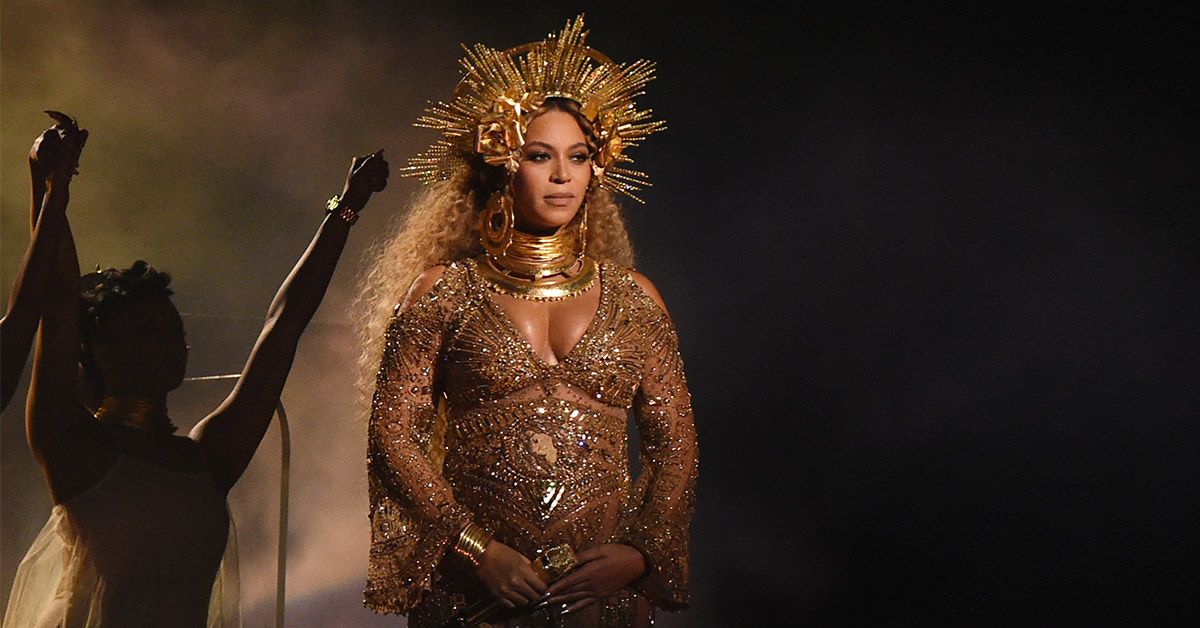
When Beyoncé speaks, the internet usually grabs its glitter, clears its schedule, and pays attention. But one of her most powerful public moments was not a surprise album drop, a stadium-shaking performance, or a red-carpet look that sent fashion editors into cardiac jazz hands. It was her honest description of a dangerous pregnancy, an emergency C-section, weeks with her newborn twins in the NICU, and a postpartum recovery that took patience, support, and self-compassion.
Her story helped put a brighter spotlight on a serious issue that deserves much more than celebrity-news treatment: maternal health in the United States. Behind every glamorous pregnancy photo can be swelling, high blood pressure, fear, surgery, trauma, recovery, and a medical system that does not treat every mother equally. Beyoncé’s experience matters not because fame makes pregnancy complications more important, but because fame can make people listen to what many families have been saying for years.
Maternal health issues affect women and birthing people across race, income, age, and geography. Still, the burden is not shared equally. In the United States, Black women continue to face much higher risks of pregnancy-related complications and death than White women. That painful reality turns Beyoncé’s story into more than a personal birth experience. It becomes a public invitation to talk about preeclampsia, emergency childbirth, postpartum care, racial disparities, respectful medical treatment, and the simple but life-saving act of listening when a pregnant or postpartum person says, “Something is wrong.”
Why Beyoncé’s Pregnancy Story Resonated So Deeply
In a widely discussed 2018 essay, Beyoncé revealed that during her pregnancy with twins Rumi and Sir, she developed toxemia, a term often used in connection with preeclampsia. She described being swollen, placed on bed rest for more than a month, and needing an emergency C-section because her health and her babies’ health were at risk. After delivery, her twins spent weeks in the neonatal intensive care unit.
For many readers, the revelation was startling. Beyoncé is often framed as superhuman: polished, powerful, and seemingly able to command wind machines by raising one eyebrow. But pregnancy does not care how many Grammys someone has. Complications can happen to anyone, and even the most prepared family can be thrown into fear when a routine pregnancy becomes a medical emergency.
Her honesty also challenged the glossy myth that birth is always simple, beautiful, and followed by a magical “bounce back.” Beyoncé spoke about needing time to heal after major abdominal surgery and about accepting her changed body rather than rushing to punish it into a pre-pregnancy shape. That message was especially important in a culture that too often treats postpartum bodies like before-and-after marketing projects instead of bodies that have just done something extraordinary.
What Is Preeclampsia, and Why Is It Dangerous?
Preeclampsia is a serious pregnancy complication involving high blood pressure and signs that organs such as the kidneys or liver may be affected. It usually appears after 20 weeks of pregnancy, but warning signs can also develop after delivery. In plain English: the body’s blood pressure system starts acting like a smoke alarm that should never be ignored.
Symptoms may include a severe headache that does not go away, vision changes, swelling in the face or hands, sudden weight gain, upper abdominal pain, nausea, vomiting, and trouble breathing. Some people have no obvious symptoms, which is why regular prenatal care and blood pressure checks are so important. Preeclampsia can lead to seizures, stroke, organ damage, preterm birth, and, in severe cases, death.
Beyoncé’s pregnancy involved twins, and carrying multiples is one known risk factor for preeclampsia. Other risk factors include chronic high blood pressure, kidney disease, diabetes, a history of preeclampsia, first pregnancy, family history, pregnancy through IVF, and age-related risks. None of this means someone “caused” the condition. Preeclampsia is not a character flaw, a missed yoga class, or a punishment for eating fries. It is a medical condition that requires monitoring and, sometimes, urgent delivery.
The Emergency C-Section Conversation We Need to Have
A cesarean section can be planned, unplanned, or an emergency. In Beyoncé’s case, the emergency C-section was necessary because her health and her babies’ health were in danger. That detail matters because C-sections are sometimes discussed casually, as if they are the easy route. Anyone who has recovered from one may now pause to laugh dramatically into a throw pillow.
A C-section is major surgery. It involves anesthesia, an incision through the abdomen and uterus, blood-loss risk, infection risk, mobility challenges, pain management, and weeks of healing. Recovery can be even more complicated when a newborn is premature, in the NICU, or medically fragile. The parent is healing while also worrying, pumping milk, traveling between hospital spaces, learning medical updates, and trying to sleep in tiny scraps of time.
Beyoncé’s comments helped normalize the truth that surgical birth is still birth, and recovery from surgical birth deserves respect. The goal should never be to rank birth experiences from “real” to “less real.” The goal is safety, dignity, and a healthy parent-baby outcome whenever possible.
Black Maternal Health: The Bigger Issue Behind the Headline
The United States has a maternal health problem, and Black women are at the center of the crisis. Recent national data show that Black women experience maternal mortality at a far higher rate than White, Hispanic, and many Asian women. This disparity persists even when education and income are considered, which means the problem cannot be explained away by individual choices.
Several factors drive this inequity. They include unequal access to quality care, chronic stress, differences in treatment, implicit bias, structural racism, higher rates of certain health conditions, gaps in insurance coverage, and medical systems that may dismiss or minimize Black women’s symptoms. When a patient says she cannot breathe, has severe pain, feels something is wrong, or is experiencing alarming swelling, the response should be swift and serious. Too often, stories from Black mothers reveal the opposite.
This is why celebrity stories can be useful when handled responsibly. Beyoncé’s experience does not represent every Black mother’s experience, and fame gives her resources many families do not have. Still, her openness helped push maternal health issues into mainstream conversation. If a global superstar can face a life-threatening pregnancy complication, the public may better understand that maternal health is not a niche issue. It is a national health priority.
Maternal Mortality Is Often Preventable
One of the most important facts about maternal mortality is also one of the most frustrating: many pregnancy-related deaths are preventable. Prevention does not mean every tragedy can be avoided, but it does mean better systems can save lives. That includes earlier prenatal care, timely diagnosis, better blood pressure monitoring, emergency-response protocols, respectful communication, postpartum follow-up, mental health support, and access to specialists when risk factors appear.
The postpartum period is especially critical. Many people assume the danger ends once the baby arrives, but serious complications can happen days, weeks, or months after delivery. Blood pressure problems, infections, blood clots, heavy bleeding, heart conditions, and postpartum depression can all become emergencies. The body does not read the hospital discharge papers and say, “Great, we are done now.” Recovery is a season, not a checkbox.
That is why modern maternal health experts increasingly talk about the “fourth trimester,” the first 12 weeks after birth. New parents need more than one quick appointment and a brochure that disappears into a diaper bag. They need ongoing care, emotional support, clear warning-sign education, and clinicians who take concerns seriously.
Maternity Care Deserts Make the Problem Worse
Access to care is another major piece of the maternal health puzzle. Across the United States, many counties have no birthing hospital, birth center, or obstetric clinician. These areas are often called maternity care deserts, and they force families to travel farther for prenatal visits, emergency care, and delivery services.
Long drives may sound like an inconvenience until labor starts early, blood pressure spikes, or warning signs appear at 2 a.m. Then distance becomes dangerous. Rural families, low-income families, and communities of color are often hit hardest by limited maternity care access. When hospitals close obstetric units, the impact is not abstract. It can mean delayed care, fewer choices, higher stress, and worse outcomes.
Improving maternal health requires more than telling pregnant people to “advocate for themselves,” although self-advocacy can be helpful. People cannot advocate their way into a hospital that no longer has an obstetric unit. They cannot positive-think their way past insurance barriers, transportation problems, or a clinician shortage. System-level problems need system-level solutions.
Warning Signs Families Should Know
Education can save lives, especially when families know which symptoms require immediate medical attention. During pregnancy and up to a year after birth, urgent warning signs may include severe headache, vision changes, chest pain, trouble breathing, heavy bleeding, swelling of the face or hands, fainting, seizures, thoughts of self-harm, fever, severe abdominal pain, or a general feeling that something is seriously wrong.
The last one matters. “Something feels wrong” may not sound clinical, but many patients know when their body has crossed from uncomfortable to alarming. Families, doulas, partners, friends, and clinicians should take that instinct seriously. A supportive partner can help track symptoms, ask questions, request a second opinion, and insist on timely care when the patient is exhausted or being dismissed.
For people with a history of high blood pressure, preeclampsia, diabetes, kidney disease, or previous pregnancy complications, planning ahead is especially important. That may include discussing aspirin prevention when appropriate, monitoring blood pressure at home, understanding personal risk factors, and creating a postpartum care plan before delivery.
Respectful Care Is Not a Luxury
Respectful maternity care means patients are heard, informed, and treated as partners in decision-making. It means explaining procedures before they happen, asking for consent, using plain language, managing pain seriously, and not brushing off concerns because a patient seems “dramatic,” “anxious,” “too calm,” “too young,” “too educated,” or any other stereotype dressed up as clinical judgment.
For Black mothers, respectful care is inseparable from health equity. Research and lived experience both show that bias can affect how symptoms are interpreted and how quickly treatment is offered. A patient’s pain should not have to become a performance to be believed. A mother should not need celebrity status, medical vocabulary, or a room full of advocates to receive safe care.
Hospitals and clinics can improve outcomes through bias training, diverse care teams, standardized emergency protocols, quality-improvement programs, community partnerships, doulas, midwives, and better postpartum follow-up. Policy also matters. Paid leave, Medicaid postpartum coverage, transportation support, rural hospital investment, and affordable insurance can all influence whether a complication is caught early or becomes a crisis.
How Beyoncé Changed the Public Conversation
Beyoncé did not turn maternal health into a new issue. Black women, midwives, doulas, physicians, researchers, and advocates had already been sounding the alarm for years. What she did was bring a deeply personal example into a massive cultural spotlight. Her story made headlines because of her fame, but it stayed meaningful because it reflected real experiences shared by countless families.
She also modeled a healthier postpartum message. Instead of presenting recovery as a race, she described rest, healing, and self-love. That matters in an online culture where new mothers can be bombarded with “snapback” images before they have even figured out the baby monitor. Bodies need time. Surgical scars need time. Hormones need time. Hearts need time too.
By speaking openly about a frightening birth, she helped remove some of the shame around complicated pregnancies. People who have experienced preeclampsia, emergency delivery, NICU stays, or difficult postpartum recovery may feel less alone when someone so visible says, in effect, “This happened to me too.”
What Readers Can Take Away
The main lesson from Beyoncé’s maternal health story is not that pregnancy should be feared. It is that pregnancy deserves careful, respectful, evidence-based care. Most pregnancies do not involve life-threatening emergencies, but every pregnant and postpartum person deserves access to monitoring, clear information, and fast help when warning signs appear.
Families can prepare by learning urgent maternal warning signs, attending prenatal appointments, asking about personal risk factors, tracking blood pressure when advised, and building a support team. Partners and loved ones can help by listening, taking symptoms seriously, and speaking up when care feels delayed or dismissive. Clinicians can help by treating every concern with dignity and every patient as the expert on their own body.
At the community level, maternal health improves when people support policies and programs that expand access to prenatal care, postpartum care, mental health services, doulas, midwives, transportation, and safe hospitals. Maternal health is not only a medical issue. It is a family issue, a workplace issue, a racial justice issue, and a public health issue.
Personal Experiences and Everyday Lessons Related to Maternal Health
One reason Beyoncé’s story connected with so many people is that it sounded familiar, even to those far outside the celebrity world. Many families have a version of the moment when joy suddenly shares the room with fear. A routine appointment becomes extra monitoring. A headache becomes a blood pressure check. A planned birth becomes an emergency surgery. The nursery is ready, the tiny socks are folded, and suddenly everyone is learning medical terms they never wanted to Google at midnight.
For some mothers, the hardest part is not only the complication itself but the feeling of not being heard. A woman may say her swelling feels unusual, her pain feels wrong, or her breathing feels different, only to be told that pregnancy is uncomfortable. Pregnancy is uncomfortable, yes, but “normal discomfort” should never become a blanket excuse. The difference between reassurance and dismissal can be life-changing. Good care says, “Let’s check.” Dismissive care says, “You’re probably fine.” In maternal health, “let’s check” is often the safer sentence.
Partners also learn powerful lessons during complicated pregnancies. A supportive partner may become the note-taker, appointment driver, medication reminder, question-asker, and emotional anchor. This is not glamorous work. No one gives awards for finding the hospital parking ticket while carrying three bags and pretending not to panic. But support matters. Beyoncé described the importance of having a strong support system, and that point applies to every family. A calm advocate can help a patient feel less alone and can make sure concerns do not disappear in a busy medical setting.
NICU experiences add another emotional layer. Parents may feel grateful their baby is receiving care while also grieving the loss of the peaceful first days they imagined. They may celebrate tiny milestones: one less tube, one better feeding, one stable night. Meanwhile, the recovering parent may still be in pain, hormonal, sleep-deprived, and trying to process what happened. This is why postpartum care must include emotional health, not just incision checks and blood pressure readings.
Another common experience is body shock after birth. Many new mothers are surprised by how unfamiliar their bodies feel. After a C-section, standing up can feel like negotiating a peace treaty with your abdomen. After preeclampsia, swelling and blood pressure concerns may continue after delivery. After any difficult birth, the body may feel less like a “before and after” photo and more like a brave, bruised teammate that deserves kindness. Beyoncé’s message about self-love after birth is not fluffy celebrity talk. It is a practical survival tool.
Families who have lived through maternal health scares often become passionate advocates for others. They tell friends to buy a blood pressure cuff if recommended. They remind sisters, cousins, and coworkers not to ignore severe headaches or vision changes. They encourage postpartum checkups and push back against the idea that mothers should silently endure everything. In that way, one person’s story can become a ripple of prevention.
The everyday takeaway is simple: listen early, act quickly, and treat maternal health as real health. A mother is not just the baby’s transportation system. She is a full person whose safety, comfort, and voice matter before, during, and long after birth.
Conclusion
Beyoncé’s pregnancy story helped shine a needed spotlight on maternal health issues that too often remain hidden behind perfect photos and polite silence. Her experience with toxemia, emergency C-section, NICU time, and postpartum healing shows that pregnancy complications can affect anyone. But the broader maternal health crisis, especially for Black women in the United States, shows that outcomes are shaped by access, bias, quality of care, and whether warning signs are taken seriously.
The solution is not fear. The solution is better care, better listening, better systems, and better support. Maternal health should never depend on fame, geography, income, or the ability to fight to be believed. Every mother deserves safe care. Every baby deserves a healthy start. And every family deserves a medical system that treats birth not as a performance, but as a major life event worthy of skill, respect, and humanity.
Note: This article is for educational and informational purposes only. It does not replace professional medical advice, diagnosis, or treatment. Anyone who is pregnant, recently gave birth, or is experiencing urgent symptoms should contact a qualified healthcare professional or emergency services immediately.