“`
Vinyl siding is a little like the reliable friend who shows up on moving day with a pickup truck, snacks, and zero drama. It may not be the fanciest exterior material on the block, but it has earned its popularity for very practical reasons: it is affordable, durable, widely available, low maintenance, and surprisingly flexible in style. For many American homeowners, vinyl siding offers the sweet spot between curb appeal and not needing to sell a kidney to pay for an exterior remodel.
If your current siding is faded, cracked, warped, or giving your house the emotional energy of a forgotten garden shed, replacing it with vinyl can dramatically improve the look and protection of your home. Modern vinyl siding is not the thin, chalky, limited-color material some people remember from decades ago. Today’s options include clapboard, Dutch lap, vertical board and batten, shakes, shingles, insulated panels, darker designer colors, wood-grain textures, and trim systems that can make a modest house look like it finally got invited to the nice side of the neighborhood.
This guide breaks down the main benefits of vinyl siding, current cost expectations, style choices, installation factors, and real-world homeowner experiences so you can decide whether vinyl siding is the right exterior upgrade for your home.
What Is Vinyl Siding?
Vinyl siding is an exterior cladding made primarily from polyvinyl chloride, commonly called PVC. It is designed to protect a home’s exterior walls from weather while providing a finished appearance. Panels are typically installed in overlapping rows, allowing water to shed away from the structure while giving the house a clean, uniform look.
Most vinyl siding is sold by the “square,” which equals 100 square feet of siding coverage. Contractors calculate your project based on the exterior wall area, then add extra material for waste, cuts, corners, trim, gables, dormers, and the occasional “why does this wall have seven weird angles?” surprise.
Top Benefits of Vinyl Siding
1. Vinyl Siding Is Budget-Friendly
One of the biggest benefits of vinyl siding is cost. Compared with wood, brick, stone veneer, stucco, and many fiber-cement products, vinyl siding is often one of the most affordable ways to refresh a home’s exterior. For a full professional installation, many homeowners can expect a broad range of about $4 to $15 per square foot depending on product quality, labor rates, home design, region, removal needs, and accessories.
On a typical house, that can translate into a project cost ranging from several thousand dollars for a smaller or simpler home to $20,000 or more for a larger home with premium insulated siding, complex architecture, or extensive old-siding removal. While that is not pocket change, it is often more attainable than high-end exterior materials. Your house gets a fresh outfit without demanding a couture budget.
2. It Requires Very Little Maintenance
Vinyl siding does not need regular painting, staining, scraping, or sealing. That alone makes it attractive to homeowners who would rather spend weekends grilling, gardening, watching football, or doing literally anything besides balancing on a ladder with a paintbrush.
Basic maintenance usually involves rinsing the siding with a garden hose and occasionally washing dirty areas with mild soap and water. Mold, mildew, pollen, spider webs, and general outdoor grime can collect on any exterior surface, but vinyl is relatively easy to clean. In most cases, a soft brush and gentle cleaner will do the job. Avoid blasting it aggressively with a pressure washer at close range, because water can be forced behind the panels if you get too enthusiastic.
3. It Resists Rot, Insects, and Moisture Damage
Wood siding is beautiful, but it can rot, split, swell, attract insects, and require consistent maintenance. Vinyl siding does not rot and is not a food source for termites or carpenter ants. That makes it a practical option in humid regions, rainy climates, and areas where wood-damaging insects are common.
That said, vinyl siding is not a waterproof wall system by itself. Proper installation matters. A good siding job includes flashing, a water-resistive barrier, correctly installed trim, and attention to windows, doors, corners, and penetrations. Think of vinyl siding as the raincoat, not the entire immune system.
4. Modern Vinyl Siding Comes in Many Styles
Vinyl siding used to have a reputation for looking, well, vinyl. Today’s products are much more convincing. Homeowners can choose from traditional horizontal lap siding, Dutch lap profiles, beaded styles, vertical board and batten, cedar-look shakes, scalloped shingles, and insulated panels with deeper shadow lines.
Color selection has also improved. Classic white, beige, tan, cream, and gray remain popular because they age well and play nicely with trim. But many brands now offer darker blues, greens, charcoals, browns, and warm neutrals for homeowners who want more personality. Basically, vinyl siding grew up, got a better haircut, and learned how to coordinate accessories.
5. It Can Improve Curb Appeal Quickly
Few exterior projects change a home’s appearance as dramatically as new siding. Replacing faded or damaged siding can make the whole property look cleaner, newer, and better maintained. This matters whether you plan to sell soon or simply want to stop apologizing for your house every time someone pulls into the driveway.
Vinyl siding also pairs well with other exterior upgrades. New gutters, shutters, stone veneer accents, porch columns, exterior lighting, and a bold front door can all work together with fresh siding to create a polished look. Even a modest ranch or split-level home can gain depth and character with the right mix of siding profiles and trim.
6. Vinyl Siding Offers Strong Resale Value
Siding replacement is often considered a strong exterior remodeling project because it improves both appearance and function. National remodeling data has shown vinyl siding replacement recovering a high percentage of its cost at resale compared with many other home improvement projects. Of course, resale value depends on your local market, neighborhood expectations, installation quality, and the condition of the rest of the house.
Still, buyers tend to notice exterior condition immediately. If the siding looks neglected, they may wonder what else has been ignored. New vinyl siding sends a different message: “This home has been cared for.” That is much better than the message old siding sends, which is usually something like, “Please budget for repairs immediately.”
Vinyl Siding Costs: What Homeowners Should Expect
Vinyl siding prices vary widely, but most projects are shaped by a few predictable cost factors: material grade, insulation, labor, old siding removal, trim package, home size, number of stories, and regional pricing.
Average Cost Per Square Foot
Standard vinyl siding typically costs less than insulated or premium designer options. A reasonable installed range for many homes is about $4 to $12 per square foot, while premium products, complex projects, or high-cost labor markets may push the installed price higher. Insulated vinyl siding often costs more, commonly landing around $6 to $12 per square foot installed, depending on the product and project details.
For example, a home with 1,500 square feet of exterior wall area might cost roughly $7,500 to $18,000 depending on the siding selected and local labor rates. A larger home with 2,500 square feet of exterior wall area could land closer to $12,500 to $30,000 or more if it includes insulated siding, detailed trim, removal, repairs, and multi-story labor.
Material Grades
Builder-grade vinyl is usually the most affordable. It can work well for budget-conscious projects, rentals, or homes where cost control is the top priority. Mid-grade vinyl typically offers better thickness, color choices, and impact resistance. Premium vinyl siding may include richer textures, deeper profiles, stronger locking systems, darker colors, longer warranties, and improved fade resistance.
Thickness matters, but it is not the only quality indicator. Look at panel rigidity, wind rating, color technology, warranty details, profile depth, and brand reputation. A thicker panel that is poorly installed will still perform poorly. Siding is a team sport: product quality and installation quality both need to show up.
Labor and Installation Costs
Labor can represent a large share of the total project. Installation costs rise when a home has multiple stories, steep slopes, difficult access, dormers, bay windows, decorative trim, or damaged sheathing that needs repair. Removing old siding, disposing of debris, installing housewrap, replacing rotted wood, and upgrading trim can also increase the final bill.
Simple box-shaped homes are cheaper to side. Homes with lots of corners, peaks, bump-outs, and architectural details cost more because they require more cutting, fitting, flashing, and patience. Unfortunately, contractors do not offer discounts for “charming complexity.”
Main Vinyl Siding Options
Horizontal Lap Siding
Horizontal lap siding is the classic choice. It works well on Colonial, ranch, Cape Cod, split-level, and many suburban homes. It is widely available, usually affordable, and easy to pair with standard trim. If you want a timeless look without overthinking the decision, horizontal lap siding is the dependable option.
Dutch Lap Siding
Dutch lap siding has a curved notch or shadow line that gives the wall more depth. It looks slightly more decorative than standard clapboard and can make a simple facade feel more dimensional. It is a good choice when you want traditional style with a little extra visual interest.
Board and Batten Vinyl Siding
Board and batten siding runs vertically and is especially popular on farmhouse, cottage, Craftsman, and modern homes. It can be used on the full house or as an accent on gables, porches, and entryways. Vertical siding tends to cost more than basic horizontal siding because installation can be more detailed, but it can add a custom look.
Vinyl Shakes and Shingles
Vinyl shakes and shingles mimic cedar without the maintenance of real wood. They are often used on gables, dormers, and upper stories to add texture. Full-house shake siding can create a coastal or cottage feel, while accent areas can make a standard exterior look more expensive than it actually was. That is not cheating; that is strategy.
Insulated Vinyl Siding
Insulated vinyl siding has rigid foam backing attached to the panel. This backing can improve impact resistance, reduce wall irregularities, add a small amount of thermal resistance, and help reduce outdoor noise. It is especially attractive for older homes with drafty walls or uneven sheathing.
Insulated siding is not a magic energy wand. It will not fix a poorly insulated attic, leaky windows, or gaps around doors. However, when installed as part of a thoughtful exterior upgrade with proper air sealing and a water-resistive barrier, it can improve comfort and help reduce energy loss.
Pros and Cons of Vinyl Siding
Pros
- Generally more affordable than many siding alternatives
- Low maintenance and easy to clean
- Does not need regular painting or staining
- Resists rot, insects, and moisture-related decay
- Available in many colors, profiles, and textures
- Can improve curb appeal quickly
- Insulated options may improve comfort and noise control
- Strong resale-value potential when professionally installed
Cons
- Can crack under hard impact, especially in very cold weather
- May warp if exposed to extreme heat or improper installation
- Lower-end products may fade faster
- Does not have the same premium feel as real wood, brick, or stone
- Improper installation can trap moisture or allow water intrusion
- Color changes usually require painting or replacement
How to Choose the Best Vinyl Siding for Your Home
Start with your home’s architecture. A traditional Colonial may look best with clapboard or Dutch lap siding. A farmhouse-style home may benefit from board and batten. A Cape Cod or coastal house may look great with shake accents. The goal is not to pick the trendiest siding; it is to pick siding that looks like it belongs on your house.
Next, consider climate. In hot, sunny regions, fade-resistant colors and proper panel expansion are important. In cold climates, impact resistance matters because brittle materials can be more vulnerable during freezing temperatures. In storm-prone areas, look for products with strong wind ratings and a reputable installation crew.
Then think about color. Neutral colors usually have the broadest resale appeal, but that does not mean your home must dress like a bowl of oatmeal. Soft gray, warm taupe, deep blue, sage green, and charcoal can all look sophisticated when paired with the right trim, roof color, and front door.
Installation Matters More Than Most People Think
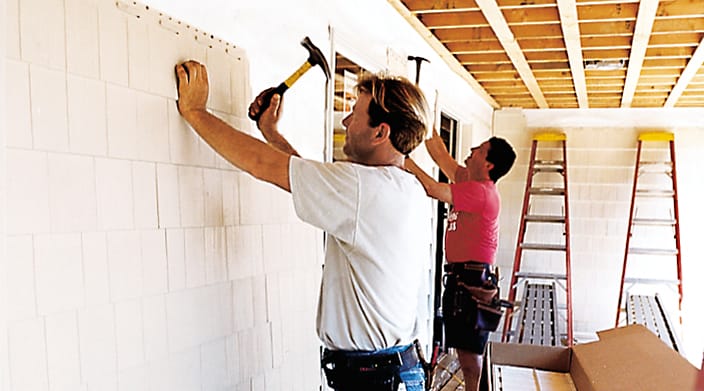
Vinyl siding expands and contracts with temperature changes, so it must be installed with proper clearances and fastening. Panels should not be nailed too tightly. Joints, corners, windows, doors, and trim must be handled correctly. If siding is installed too tight, it can buckle. If water management details are skipped, moisture problems can hide behind the wall system.
That is why hiring a qualified siding contractor is usually worth the money. Ask about licensing, insurance, manufacturer certifications, warranty coverage, product specifications, removal and disposal, sheathing repair, flashing, housewrap, and cleanup. A cheap quote that ignores these details may become expensive later.
Maintenance Tips for Vinyl Siding
To keep vinyl siding looking good, inspect it at least once or twice a year. Look for loose panels, cracks, gaps, warped areas, damaged trim, and places where caulk or flashing around openings may need attention. Clean the siding with mild soap and water when dirt builds up. Trim shrubs away from the walls to reduce moisture and scratching.
Avoid placing grills, fire pits, or intense heat sources too close to vinyl siding. Reflected sunlight from certain energy-efficient windows can also create hot spots, so pay attention if you notice unusual warping. Small damaged sections can often be repaired without replacing the entire wall, especially if you save extra panels from the original installation.
Is Vinyl Siding Worth It?
Vinyl siding is worth it for many homeowners who want an affordable, attractive, low-maintenance exterior. It is especially practical when the existing siding is worn out, the home needs curb appeal, or the owner wants to reduce future upkeep. It may not be the best choice for historic homes requiring authentic materials or luxury properties where buyers expect wood, stone, brick, or high-end fiber cement. But for millions of homes, vinyl siding is a smart and sensible upgrade.
The best results come from choosing a quality product, matching the style to the architecture, using colors that complement the roof and trim, and hiring a contractor who understands proper installation. Vinyl siding is not glamorous in the way marble countertops are glamorous, but it quietly protects your home every day. Honestly, that deserves more respect.
Real-World Experiences With Vinyl Siding
Homeowners who replace old siding with vinyl often notice the visual transformation first. A faded exterior can make even a structurally sound house feel tired. Once new siding goes up, the house can look brighter, cleaner, and more finished almost overnight. Many people compare it to getting new glasses: suddenly, everything looks sharper, and you wonder why you waited so long.
One common experience is surprise at how much trim affects the final result. The siding panels matter, but corners, window surrounds, fascia, soffits, shutters, and accent areas can make or break the design. A basic beige siding job with thin trim may look plain, while the same house with wider white trim, shake accents in the gables, and a contrasting front door can look custom. Homeowners who spend time planning the full exterior palette usually end up happier than those who simply choose “whatever is cheapest and not weird.”
Another lesson is that darker colors need careful thought. Deep blue, charcoal, forest green, and rich brown can look fantastic, especially on modern and farmhouse-style homes. But dark colors can absorb more heat, show dust differently, and may have more noticeable fading over many years depending on the product. Choosing a reputable brand with fade-resistant technology and a strong warranty helps reduce that concern.
Many homeowners also appreciate the reduced maintenance after switching from wood. Instead of repainting every few years, they can rinse the exterior and move on with life. This is especially valuable for busy families, older homeowners, rental-property owners, and anyone who has ever painted a two-story wall in July and questioned all their life choices.
Noise reduction is another pleasant surprise with insulated vinyl siding. It will not turn a house beside a busy road into a recording studio, but foam-backed siding can soften outdoor noise compared with thin, older siding. Homeowners in windy or colder climates may also notice fewer drafts when insulated siding is combined with housewrap, air sealing, and proper installation.
However, real-world experience also shows that vinyl siding is only as good as the installation behind it. Poorly installed siding can buckle, rattle, leak, or look uneven. Homeowners should be cautious with unusually low bids, vague contracts, and contractors who do not explain flashing, water barriers, or repair allowances. A good contractor will inspect the existing walls, discuss possible hidden damage, explain product choices, and provide a written scope of work.
Homeowners should also order and keep extra siding panels if possible. Colors and product lines can change over time. If a storm, ladder accident, baseball, or ambitious lawn mower damages a panel years later, having matching material in the garage can make repairs much easier. Store extra pieces flat and protected from extreme heat.
Finally, many people find that vinyl siding delivers the best value when it is part of a broader exterior refresh. New siding with old gutters, peeling trim, and a dented front door can feel unfinished. But siding combined with fresh gutters, updated lighting, neat landscaping, and a clean entryway can make the entire property feel renewed. You do not have to remodel everything at once, but it helps to think of the exterior as one connected design.
The bottom line from real homeowner experience is simple: vinyl siding is practical, forgiving, and cost-effective when chosen carefully. It will not make your house indestructible or magically pay your utility bills, but it can protect the structure, reduce maintenance, improve curb appeal, and make coming home feel a little better. And sometimes, that is exactly what a good renovation should do.
Conclusion
Vinyl siding remains one of the most popular exterior upgrades because it solves several homeowner problems at once. It improves curb appeal, protects against weather, resists rot and insects, reduces maintenance, and offers many design options at a relatively accessible price. From budget-friendly lap siding to premium insulated panels and cedar-look shakes, today’s vinyl siding gives homeowners more flexibility than ever.
Before choosing a product, compare costs, warranties, thickness, color options, insulation value, and installer experience. A well-installed mid-grade vinyl siding system can often outperform a premium product installed poorly. In other words, do not just buy the siding; buy the workmanship too.
If your home’s exterior is showing its age, vinyl siding may be one of the smartest ways to give it a fresh, durable, low-maintenance future. Your house gets better protection. You get fewer chores. Everybody wins, except maybe the paintbrush sitting unused in the garage.