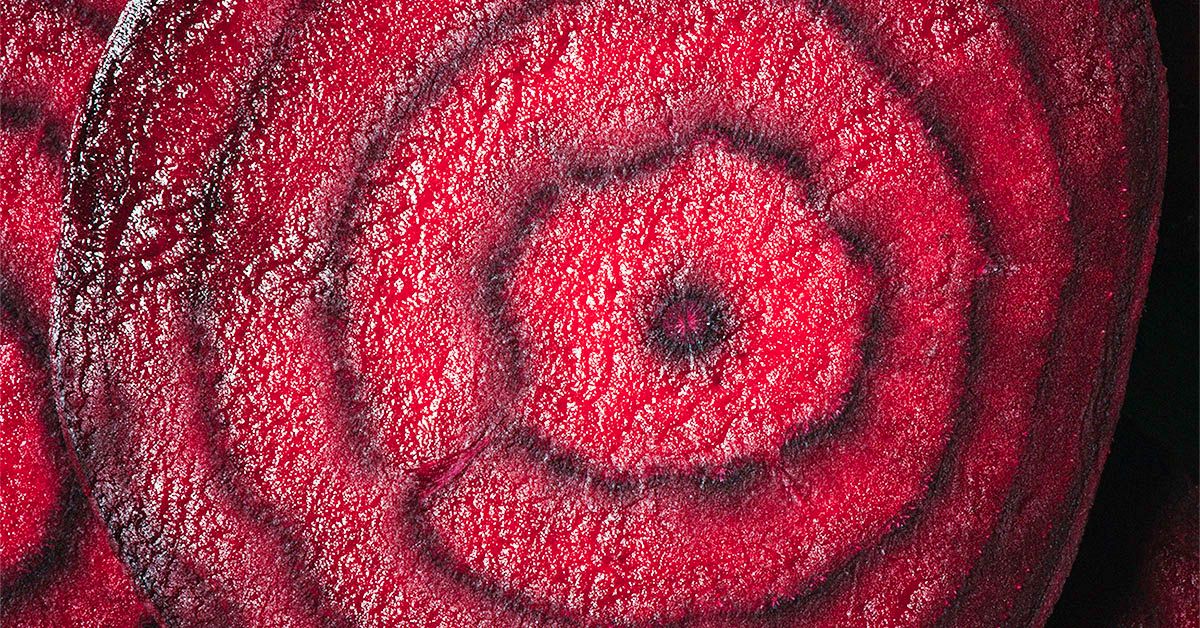
Beetroot is sweet, earthy, brilliantly colored, and unusually talented at making a cutting board look like a crime scene. Beneath that dramatic appearance, however, is a nutrient-dense root vegetable containing fiber, folate, potassium, plant pigments, and naturally occurring nitrates.
Research suggests that beetroot may support healthy blood flow, modestly reduce blood pressure, and improve certain types of exercise performance. Whole beets also contribute to digestive health and make it easier to eat a more varied, plant-rich diet. They are not a miracle food, but they have earned considerably more respect than their old role as the forgotten item at the salad bar.
What Is Beetroot?
Beetroot, commonly called a beet in the United States, is the edible taproot of Beta vulgaris. Familiar red and purple varieties contain betalain pigments, while golden beets have a sunny yellow-orange color and a somewhat milder flavor. Candy-striped Chioggia beets look especially impressive when sliced raw.
The root can be roasted, boiled, steamed, pickled, juiced, or grated into salads. Beet leaves and stems are edible too. Known as beet greens, they can be prepared much like spinach or Swiss chard and provide vitamins A, C, and K.
Beetroot Nutrition Facts
According to standard USDA food-composition data, approximately one cup of raw beets, weighing about 136 grams, provides:
- 58 calories
- 13 grams of carbohydrates
- 3.8 grams of dietary fiber
- 9 grams of naturally occurring sugar
- 2.2 grams of protein
- Less than 0.5 gram of fat
- About 148 micrograms of folate
- About 440 milligrams of potassium
- Small amounts of manganese, iron, magnesium, vitamin C, and vitamin B6
Exact values vary with the beet variety, serving size, growing conditions, and cooking method. Beets are not unusually high in protein or fat, but they deliver useful micronutrients for relatively few calories.
Folate
Beets are a notable source of folate, the natural form of vitamin B9. Folate supports DNA production, cell division, and normal red blood cell formation. Adequate intake is especially important during pregnancy because folate is involved in early fetal development.
Beets can contribute to total folate intake, but they do not replace prenatal vitamins or the folic acid recommendations given to people who are pregnant or could become pregnant.
Fiber
A cup of raw beetroot supplies nearly four grams of fiber. Fiber supports regular bowel movements, feeds beneficial intestinal microbes, and can help meals feel more satisfying. It also slows the absorption of carbohydrates compared with drinking filtered beet juice, which contains little of the original fiber.
Potassium and manganese
Potassium helps regulate fluid balance and supports normal nerve, muscle, and heart function. Manganese participates in metabolism, bone formation, and antioxidant defense. Beetroot provides both, although it should be viewed as one contributor within a varied diet rather than the only vegetable invited to dinner.
Betalains
Betalains are pigments responsible for the deep crimson color of many beets. Laboratory research indicates that these compounds have antioxidant and anti-inflammatory activity. Human research is still developing, so claims that beetroot can “detox” the body or treat chronic diseases travel well beyond the available evidence.
Potential Health Benefits of Beetroot
1. May support healthy blood pressure
Beetroot is one of the better-known vegetable sources of dietary nitrate. After beetroot is eaten, bacteria in the mouth help convert nitrate into nitrite. The body then uses nitrite to produce nitric oxide, a signaling molecule that relaxes and widens blood vessels.
Clinical trials and systematic reviews suggest that nitrate-rich beetroot juice can produce a modest reduction in systolic blood pressure, particularly in some people with hypertension. Results vary according to nitrate dose, study duration, baseline blood pressure, medication use, and individual biology.
Beet juice should not be treated as a replacement for prescribed blood pressure medicine. Think of it as a potentially helpful food, not a cardiologist wearing a vegetable costume.
2. May improve endurance exercise performance
Dietary nitrate may reduce the oxygen cost of certain physical activities and improve blood flow to working muscles. Some studies have found small improvements in time-to-exhaustion tests, exercise efficiency, running, or cycling performance after participants consumed nitrate-rich beetroot juice.
The effect is not universal. Well-trained elite athletes may experience a smaller benefit than recreational exercisers, and a single serving does not guarantee a faster race. When beetroot juice is used for performance, research protocols commonly provide it two to three hours before exercise, allowing time for the nitrate-to-nitric-oxide pathway to work.
People trying a concentrated product should test it during training rather than for the first time on race morning. A personal record is exciting; discovering that beet juice disagrees with your stomach at mile nine is less festive.
3. Supports digestive health
Whole beets provide fiber that adds bulk to stool and helps support regularity. Fiber also contributes to a diverse gut environment because intestinal bacteria ferment certain fibers and produce compounds that influence colon health.
Increase fiber gradually if your usual diet is low in plant foods. A sudden beet-heavy menu may cause gas, bloating, or abdominal discomfort. Drinking enough water can help the digestive system adjust.
4. Contributes to a heart-healthy eating pattern
Beetroot is naturally low in saturated fat and sodium when served fresh and without salty toppings. It can replace more heavily processed side dishes and contributes fiber, potassium, folate, and phytochemicals to meals.
Its greatest cardiovascular value may come from helping build a diet rich in vegetables, fruits, beans, whole grains, nuts, and other minimally processed foods. No single serving can cancel out smoking, chronic inactivity, or a steady parade of high-sodium meals.
5. Provides antioxidants
Normal metabolism and environmental exposures generate unstable molecules called free radicals. The body has its own defense systems, while antioxidants from foods contribute additional protection against oxidative damage.
Beets contain betalains, phenolic compounds, and vitamin C. These substances show promising antioxidant effects, but evidence does not establish beetroot as a treatment for cancer, liver disease, dementia, or inflammatory disorders. Colorful vegetables support health best as part of an overall dietary pattern.
6. May support brain blood flow
Because nitric oxide influences circulation, researchers have studied whether dietary nitrate can improve blood flow within the brain. Small studies have produced interesting findings, especially among older adults, but there is not enough evidence to conclude that beetroot prevents cognitive decline.
Eating beets is perfectly reasonable. Expecting them to remember where you left your keys is assigning the vegetable too much responsibility.
7. Helps add variety to meals
Dietary variety is an underrated health advantage. Different plants provide different combinations of fiber, vitamins, minerals, and phytochemicals. Red, golden, and striped beets can make salads, grain bowls, soups, dips, and vegetable sides more interesting, improving the odds that nutritious eating remains enjoyable.
Whole Beets, Beet Juice, or Beet Powder?
Whole beetroot
Whole beets provide fiber and require chewing, which generally makes them more filling than juice. Roasting concentrates their sweetness, steaming preserves a tender texture, and raw grated beets add crunch. Whole beetroot is usually the most practical option for everyday nutrition.
Beetroot juice
Juice delivers a concentrated amount of nitrate and is the form most frequently studied for blood pressure and exercise performance. It contains much less fiber than the whole vegetable and can provide more sugar in a quickly consumed serving.
Check commercial labels for serving size, added sugar, sodium, and nitrate content. A brightly colored bottle is not automatically a carefully standardized sports product.
Beet powder and supplements
Powders are convenient, but their nitrate and betalain content can vary. Some products provide specific nitrate measurements, while others merely promise “beet power,” which is not a recognized unit of nutrition.
Choose products from reputable manufacturers that use independent quality testing. Anyone who takes medication, has kidney disease, or is considering a concentrated supplement for a medical purpose should consult a healthcare professional first.
Possible Side Effects and Precautions
Beeturia and red stool
Beet pigments can turn urine pink or red, a harmless effect known as beeturia. They may also discolor stool. This usually disappears after the pigments pass through the body.
Do not automatically blame beets if red urine or stool is unexplained, persistent, painful, or accompanied by other symptoms. Blood in urine or stool requires appropriate medical evaluation.
Kidney stones and oxalates
Beets and especially beet greens contain oxalates. Most people can eat oxalate-containing foods without a problem, but individuals with a history of calcium oxalate kidney stones may receive personalized advice to limit certain foods.
Do not eliminate nutritious foods based on a generic “kidney cleanse” list. Stone prevention depends on the type of stone and may involve fluid, sodium, calcium, protein, and oxalate intake. A clinician or registered dietitian can provide guidance based on medical history and urine testing.
Low blood pressure and medication
Large or concentrated servings of beetroot juice may lower blood pressure. People who already have low blood pressure, experience dizziness, or take antihypertensive medication should discuss regular use of concentrated beet products with their healthcare provider.
Kidney disease and potassium
Some people with chronic kidney disease need to manage dietary potassium. Because beets and beet greens contain potassium, serving sizes may need to fit an individualized renal eating plan.
Digestive discomfort and allergy
Eating a large amount of beetroot may cause gas, cramping, or diarrhea, particularly when fiber intake rises suddenly. True beet allergy appears uncommon, but itching, swelling, hives, wheezing, or breathing difficulty after eating requires prompt medical attention.
How to Prepare and Eat Beetroot
Roast it
Scrub whole beets, trim the greens while leaving a short stem, and roast them at about 400°F until a knife slides easily into the center. Depending on size, this may take 35 to 60 minutes. Once cool enough to handle, the skins usually rub off easily.
Steam or boil it
Steaming produces tender beets without requiring much added fat. Boiling also works, although some water-soluble nutrients and pigments can move into the cooking water. Avoid cooking beets into flavorless maroon tennis balls; tender is the goal.
Serve it raw
Peel and grate raw beetroot into slaws, salads, wraps, or grain bowls. Thin slices pair well with citrus, apples, fresh herbs, yogurt, goat cheese, walnuts, or a tangy vinaigrette.
Use the greens
Wash beet greens carefully because soil can collect around the stems. Sauté them with olive oil, garlic, and lemon, or add younger leaves to soups and salads. The stems need slightly more cooking time than the leaves.
Watch pickled products
Pickled beets are convenient and flavorful, but some products contain considerable added sugar or sodium. Compare labels if either nutrient matters to your eating plan.
Practical Beetroot Experiences: What People Commonly Notice
The following experiences are realistic, illustrative examples rather than personal medical testimonials. They show how beetroot can fit into ordinary routines, including the minor surprises that polished nutrition headlines sometimes forget to mention.
The first roasting experiment
A common beginner experience starts with good intentions and ends with pink fingers. After roasting whole beets, the skins slip away easily, but the pigments transfer to hands, towels, and pale cutting boards with remarkable enthusiasm. Wearing kitchen gloves or peeling the beets under cool running water makes cleanup easier.
The flavor is often another surprise. People who remember soft canned beets may expect aggressive earthiness. Roasting caramelizes the natural sugars, producing a sweeter, richer vegetable that works well with balsamic vinegar, orange, feta, dill, or toasted nuts. Several portions can be prepared at once and refrigerated for quick salads and lunches.
Trying beet juice before a workout
A recreational runner might drink a small serving of beetroot juice two or three hours before a long training session. The person may notice no dramatic burst of energy because beet juice is not a stimulant. If it helps, the effect is more likely to feel like slightly steadier endurance than a caffeine-style jolt.
The sensible approach is to start with the labeled serving and observe digestive tolerance. Concentrated beet juice can feel heavy or cause stomach discomfort in some people. Trying it during a routine workout provides useful information without gambling an entry fee, months of training, and a race-day portable toilet strategy on an unfamiliar product.
The beeturia surprise
Someone new to beets may eat a large roasted portion at dinner and briefly panic the next morning after noticing pink urine or reddish stool. Remembering the previous meal usually solves the mystery. Beet pigments can pass through the digestive tract, and the color change is typically harmless and temporary.
The important word is “typically.” If discoloration continues when beets are no longer being eaten, or appears with pain, weakness, black stool, clots, or urinary symptoms, it should not be dismissed as beeturia.
Making beets acceptable to a skeptic
Some people simply dislike the earthy taste. Forcing down a bowl of plain boiled beets in the name of wellness is unlikely to create a lasting habit. Combining a small amount with familiar flavors works better. Examples include roasted beet and orange salad, beet hummus, a berry-and-beet smoothie, or tacos topped with pickled beets and cabbage.
Golden beets may be an easier introduction because their flavor is generally milder and they are less likely to redecorate the kitchen. Repeated, low-pressure exposure can also help. Nobody receives a nutrition medal for falling in love on the first bite.
Using the entire bunch
A shopper may initially buy a bunch for the roots and treat the leaves as packaging. Cooking the greens changes the value equation. The roots become a roasted side dish, the leaves join a garlicky sauté, and the stems can be chopped into soup or cooked briefly before the leaves are added.
Removing the tops before storing the roots also helps because attached greens continue drawing moisture from them. Place unwashed roots in the refrigerator and store the greens separately, ideally using them within a few days. This simple habit reduces food waste and turns one purchase into several meal components.
Finding a sustainable serving
People often begin a new “superfood” with unnecessary intensity. One person might drink beet juice daily, roast six beets, add beet powder to breakfast, and then wonder why digestion has become unusually conversational. A smaller serving introduced gradually is more practical.
A half cup of cooked beetroot can fit comfortably beside grains, beans, fish, poultry, or other vegetables. It is enough to add color and nutrition without making every meal taste like the same root. The most useful experience is usually not a dramatic transformation but discovering two or three preparations enjoyable enough to repeat.
Frequently Asked Questions
Is it healthy to eat beetroot every day?
For most healthy adults, a moderate serving can be included regularly as part of a varied diet. Daily consumption is not required to obtain benefits. People with calcium oxalate kidney stones, kidney disease, low blood pressure, or relevant medication use should ask a healthcare professional whether concentrated or frequent intake is appropriate.
Is beetroot high in sugar?
Beets taste sweet and contain more natural sugar than some non-starchy vegetables, but whole beets also provide fiber and relatively few calories. Portion size and the overall meal matter more than labeling the vegetable “high sugar.” Juice delivers the sugar more quickly and without most of the fiber.
Is raw or cooked beetroot better?
Both are nutritious. Raw beets offer crunch and avoid heat-related nutrient losses. Roasting improves sweetness, while steaming and boiling soften the vegetable. The best method is the one that helps you eat an appropriate serving consistently.
Can beetroot cure high blood pressure?
No. Beetroot may modestly support blood pressure control, but it cannot cure hypertension or replace prescribed treatment. Blood pressure management may also require medication, physical activity, adequate sleep, sodium reduction, weight management, and medical follow-up.
Conclusion
Beetroot combines fiber, folate, potassium, betalain pigments, and dietary nitrate in a colorful, low-calorie package. Its strongest research-supported advantages involve nitric oxide production, blood flow, and possible modest improvements in blood pressure and endurance exercise. Whole beets additionally offer fiber that beet juice largely leaves behind.
Beets are valuable, but they are not magical. Enjoy them roasted, steamed, raw, pickled, or blended into meals while keeping concentrated products in perspective. A sustainable serving of a vegetable you genuinely like will do more good than an ambitious beet routine abandoned after three extremely purple days.