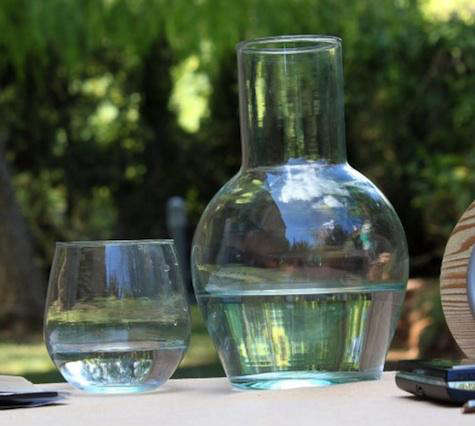
A bedside decanter is one of those small objects that quietly makes a bedroom feel more civilized. It sits on the nightstand, usually beside a lamp, a book, and the phone you promised yourself you would not scroll at midnight. In its simplest form, a bedside decanter is a small water carafe, often paired with a matching drinking glass. In its best form, it is part hydration helper, part decor accent, and part tiny hotel luxury that says, “Yes, I am the kind of person who keeps water in a beautiful vessel instead of balancing a half-crushed plastic bottle next to a charging cable.”
The charm of a bedside decanter is practical first. Many people wake up thirsty during the night, especially after salty food, a warm room, dry air, alcohol, certain medications, or simply not drinking enough water earlier in the day. Having fresh water within arm’s reach can prevent the sleepy stumble to the kitchen, which is convenient for adults, comforting for guests, and extremely useful when taking bedtime medication. But a good bedside water carafe also changes the mood of a room. It makes the nightstand feel intentional rather than accidental, polished rather than cluttered.
This guide explores what a bedside decanter is, how to choose one, where to place it, how to keep it clean, and how to style it without turning your nightstand into a boutique hotel lobby with commitment issues.
What Is a Bedside Decanter?
A bedside decanter is a small container designed to hold drinking water near the bed. Unlike a wine decanter, which is usually built to aerate and serve wine, a bedside decanter is meant for easy nighttime hydration. It may also be called a bedside carafe, nightstand carafe, water decanter, bedroom water carafe, or carafe and tumbler set.
Most designs include a matching cup that fits over the mouth of the carafe. This clever detail does two things at once: it keeps dust away from the water and gives you a glass ready to use. Some versions come with a stopper, lid, silicone coaster, wooden tray, or stackable cup. The most common materials are clear glass, borosilicate glass, ceramic, stainless steel, and occasionally crystal-inspired glass. For daily drinking water, however, lead-free glass or food-safe ceramic is usually the smarter choice.
Is It the Same as a Wine Decanter?
Not exactly. A wine decanter is designed for wine service, often with a wide base to expose the wine to oxygen. A bedside decanter is smaller, simpler, and built for water. It should be easy to fill, easy to pour, and easy to clean. The goal is not drama. The goal is to get a sip of water at 2:13 a.m. without knocking over your reading glasses.
Why a Bedside Decanter Belongs on Your Nightstand
A bedside decanter may seem like a minor detail, but minor details are what make a room feel finished. A bed can be beautiful, the sheets can be crisp, and the wall color can be perfect, but if the nightstand looks like a receipt drawer had a nervous breakdown, the whole room suffers. A decanter gives the bedside area a focal point that is useful and attractive.
It Encourages Better Hydration Habits
Water supports everyday body functions, from temperature regulation to digestion. Many adults do not need to drink huge amounts of water right before bed, but having a small amount nearby can be helpful when you wake up thirsty or need to take medication. The key is balance. Drinking too much water immediately before sleeping may lead to nighttime bathroom trips, which can interrupt sleep. A bedside decanter works best as a convenience tool, not a challenge to finish 30 ounces before lights out.
It Reduces Bedroom Clutter
One elegant glass carafe looks better than three disposable bottles, a mug from last Tuesday, and a mystery cup you are not emotionally ready to identify. A decanter creates a dedicated water station. That means less visual mess, fewer abandoned containers, and a cleaner nightstand routine.
It Makes Guests Feel Cared For
If you host overnight guests, a bedside decanter is a thoughtful touch. A clean carafe and glass beside the bed tells guests they do not need to wander through an unfamiliar kitchen in the dark. Add a small tray, a folded napkin, and perhaps a tiny vase or notecard, and suddenly the guest room feels like a boutique inn instead of “the room where we keep the extra printer paper.”
How to Choose the Best Bedside Decanter
The best bedside decanter is not necessarily the fanciest one. It is the one you will actually use, clean, and refill. Before buying, think about size, material, shape, cleaning ease, and how it fits your bedroom style.
1. Choose the Right Capacity
For most people, a bedside decanter between 16 and 32 ounces is practical. A smaller 12- to 18-ounce carafe works well for people who only want a few sips or take medication at night. A larger 24- to 32-ounce option is better for guest rooms, warm climates, or anyone who prefers a generous water supply nearby. Avoid oversized pitchers unless you have a large nightstand. A giant vessel beside the bed may look dramatic, but so does a water spill on a paperback novel.
2. Pick a Safe, Easy-Clean Material
Clear glass is the classic choice because it looks clean, shows the water level, and works with almost any bedroom style. Borosilicate glass is popular because it is lighter and more resistant to temperature changes than ordinary glass. Ceramic decanters add a softer, handmade look and are excellent for warm, earthy rooms. Stainless steel options can be more durable, but they may feel less decorative unless the bedroom has a modern or minimalist design.
One important safety note: avoid using vintage lead crystal decanters for overnight water storage. Crystal can be beautiful, but leaded crystal is not ideal for storing beverages for long periods. If a piece is vintage, painted, heavily decorated, or not clearly marked as food-safe and lead-free, use it as decor rather than drinkware.
3. Look for a Cup That Doubles as a Lid
A carafe-and-tumbler set is especially useful for the bedroom. The cup sits upside down over the opening of the decanter, helping protect the water from dust while saving space. This design also prevents the classic bedside problem: finding water but not finding a glass. If the cup has a comfortable rim and stable base, even better.
4. Consider the Pour
A good bedside decanter should pour smoothly. Look for a narrow neck, a balanced body, and a rim that does not dribble. If you have ever poured water and watched it run down the side of a container like it was trying to escape responsibility, you know why this matters. A clean pour protects your nightstand, books, electronics, and dignity.
5. Match It to Your Bedroom Style
A bedside decanter can blend in or stand out. For a modern bedroom, choose clear glass, smoked glass, or a simple cylinder shape. For a cottage-style room, try ribbed glass, pressed glass, or soft ceramic. For a hotel-inspired bedroom, choose a matching carafe and tumbler set on a tray. For a vintage look, choose etched glass or colored glass, but confirm it is safe for drinking if you plan to use it daily.
Bedside Decanter Styling Ideas
Styling a bedside decanter is about restraint. The nightstand should support sleep, not audition for a catalog spread. The decanter should be easy to reach and not crowded by too many decorative items.
Minimalist Nightstand
Place a clear glass bedside decanter beside a simple lamp and one book. Use a small coaster or tray to protect the surface. Keep the color palette calm: white bedding, natural wood, black metal, or soft gray tones. The result is clean, quiet, and practical.
Warm and Cozy Bedroom
Pair a ceramic carafe with a linen lampshade, a woven tray, and a small dish for jewelry. This works especially well with beige, terracotta, cream, olive, and walnut tones. The carafe becomes part of the room’s texture rather than a shiny object fighting for attention.
Guest Room Setup
For a guest room, use a decanter and glass set with a folded napkin, a small vase, and a card with the Wi-Fi password. Add a reading lamp and an empty drawer if possible. This little setup tells guests you thought about their comfort before they had to ask.
Small Bedroom Solution
If your nightstand is tiny, choose a slim carafe with a stacking cup. Place it on a narrow coaster or small tray. Avoid wide-bottom decanters, oversized lamps, and decorative extras. In small rooms, every square inch is prime real estate, and your water should not have a bigger footprint than your alarm clock.
How to Keep a Bedside Decanter Clean
A bedside decanter should be refilled with fresh water daily. Even if it only holds water, it still needs regular washing. Dust, minerals, fingerprints, and bacteria can build up over time, especially around the rim, stopper, and cup.
Daily Care
Empty the decanter each morning, rinse it, and let it air dry. Wash the matching glass or tumbler with warm, soapy water. If the decanter is dishwasher-safe, follow the manufacturer’s instructions. Many delicate, vintage-style, hand-blown, or decorated pieces should be washed by hand.
Weekly Deep Cleaning
Once a week, wash the decanter more thoroughly. Fill it with warm water and a small amount of mild dish soap, then use a bottle brush to clean the inside. Rinse well until no soap scent remains. If you notice mineral cloudiness from hard water, soak the glass with white vinegar, rinse, and dry with a lint-free cloth. Do not scrub delicate glass aggressively with abrasive powders, which can dull or scratch the surface.
Drying Matters
Let the decanter dry completely before putting it away. Trapped moisture can create odors or encourage buildup. If the neck is narrow, place it upside down at a slight angle on a drying rack so air can circulate.
Where to Place a Bedside Decanter
The ideal spot is within easy reach but away from electronics. Keep the decanter toward the back or side of the nightstand, not right at the edge. If you use a phone charger, alarm clock, or lamp with a cord, give the decanter its own coaster or tray. Water and electronics are not natural friends. They are more like coworkers forced into the same meeting.
For children’s rooms or homes with pets, choose a durable, low-profile carafe or skip glass entirely. A covered water bottle may be safer if there is a curious cat, an enthusiastic dog tail, or a child who treats the nightstand like a launchpad.
Common Mistakes to Avoid
Using Decorative Pieces That Are Not Food-Safe
Not every beautiful vessel belongs in daily drinkware rotation. Some vintage, painted, metallic, or imported decorative glassware may not be intended for storing water. When in doubt, use it for flowers, not fluids.
Leaving the Same Water for Days
Fresh water tastes better and feels more inviting. Refill the decanter each evening or morning. If water has been sitting uncovered, near sunlight, or in a warm room, replace it.
Choosing Style Over Stability
A narrow, top-heavy decanter may look elegant until it tips over. Choose a design with a stable base, especially if your nightstand is small or crowded.
Drinking Too Much Right Before Bed
The bedside decanter is there for comfort, not competitive hydration. If nighttime bathroom trips disturb your sleep, drink more water earlier in the day and keep only a modest amount by the bed for thirst or medication.
Best Uses for a Bedside Decanter Beyond the Bedroom
Although the bedroom is the obvious home for a bedside decanter, it can be useful elsewhere. Place one in a home office to encourage sipping water during work. Use one in a bathroom for mouthwash if it is clearly labeled and kept separate from drinking water. Set one on a dining table for an intimate dinner. Add one to a reading nook, nursery side table, meditation corner, or guest suite.
The shape and scale make it more flexible than a large pitcher. A bedside decanter is small enough to feel personal and attractive enough to stay visible. That is a rare combination. Many useful household items look like they belong in a utility closet. A decanter earns its place in the room.
Experience Notes: Living With a Bedside Decanter
After using a bedside decanter for a while, you start to notice that it changes more than your access to water. It changes the feeling of the evening routine. Filling the carafe becomes a tiny signal that the day is closing. You walk to the kitchen, rinse the glass, fill the decanter with cool water, and place it beside the bed. It takes less than a minute, but it feels oddly ceremonial, like turning down the room for yourself.
The first benefit is convenience. When you wake up with a dry mouth, you do not have to debate whether you are thirsty enough to leave the warm bed. The water is already there. You take a sip, put the glass back, and return to sleep without fully entering “kitchen expedition mode.” This is especially helpful in dry weather, after a salty dinner, or during allergy season when mouth breathing turns your throat into a desert with a mortgage.
The second benefit is visual calm. A matching carafe and cup look intentional. They remove the random collection of water bottles that often gathers beside the bed like a small plastic village. That visual upgrade matters because the bedroom is usually the first and last room you see each day. A cleaner nightstand makes the whole space feel more restful.
One practical lesson is that size matters. A huge decanter looks elegant in photos but can feel awkward in real life. If your nightstand also holds a lamp, book, phone, glasses, hand cream, and maybe a tiny pile of “I’ll deal with this tomorrow,” choose a compact carafe. A 16- to 24-ounce size is usually enough. It provides water without taking over the surface.
Another lesson is to use a tray. A small tray or coaster catches condensation, protects wood, and creates a defined zone. Without a tray, the carafe may drift around the nightstand. With a tray, it looks like it belongs there. Add a small cloth napkin if you want the guest-room treatment. It is a tiny detail, but tiny details are how ordinary corners become charming.
Cleaning also becomes part of the habit. The best routine is simple: refill daily, wash the glass daily, and deep clean the decanter weekly. If the glass starts to look cloudy, a vinegar soak helps remove mineral buildup. Drying it properly keeps it fresh. The moment a decanter becomes hard to clean, people stop using it, so a wide enough opening is more important than a dramatic silhouette.
The most surprising experience is how a bedside decanter can make a room feel more adult without making it feel stiff. It is not expensive, complicated, or trendy in a loud way. It is just useful beauty. It helps you drink when you are thirsty, helps guests feel comfortable, and helps the nightstand look like someone made a decision on purpose. That is a lot of work for one small glass object.
Conclusion
A bedside decanter is a simple upgrade with a generous payoff. It keeps water close, reduces nightstand clutter, improves guest comfort, and adds a polished detail to the bedroom. The best bedside decanter is safe, stable, easy to clean, and sized for your actual routine. Choose lead-free glass, borosilicate glass, ceramic, or another food-safe material. Refill it daily, clean it regularly, and place it where it is easy to reach but safely away from electronics.
In a world full of oversized gadgets and complicated home trends, the bedside decanter is refreshingly straightforward. It does not need an app, a subscription, or a firmware update. It just sits there looking lovely and offering water when you need it. Honestly, that is more than can be said for many things on the nightstand.
Note: This article is for lifestyle, home decor, and general hydration information. Anyone with medical conditions affecting fluid intake, kidney health, sleep, or nighttime urination should follow guidance from a qualified healthcare professional.