Some bathroom upgrades announce themselves with fireworks: a freestanding tub, a rainfall shower, a mirror that makes you look rested even when your inbox says otherwise. Hammam towels are quieter. They arrive folded thin, often striped, sometimes fringed, and at first glance they may look more like a stylish scarf than a bath towel. Then you use one, hang it up, and realize it dries before your regular towel has finished sulking on the hook.
A hammam towel, also known as a Turkish towel, peshtemal, or fouta-style towel, is a flat-woven textile traditionally used in bathhouses. Unlike thick terry towels with looped piles, hammam towels are usually lightweight, compact, absorbent, and quick drying. That combination has made them popular far beyond the steam rooms and marble benches of traditional hammams. Today, they show up in modern bathrooms, beach bags, gym lockers, guest rooms, spa baskets, minimalist apartments, and the suitcases of people who have finally learned not to pack like they are moving continents.
This guide explores what hammam towels are, why they work, how they compare with regular bath towels, how to choose a good one, and how to care for it so it becomes softer and more lovable over time. Consider it your friendly, fluff-free manual to the towel that refuses to be bulky.
What Is a Hammam Towel?
A hammam towel is a flat-woven towel inspired by the textiles used in Turkish and Middle Eastern bathhouse culture. The word “hammam” refers to a public bathing space associated with cleansing, steam, relaxation, and social ritual. Historically, hammams were not just places to get clean. They were community spaces, wellness spaces, and, frankly, the original “self-care Sunday” long before anyone put eucalyptus in a shower and called it a lifestyle.
The towel traditionally used in that setting is called a peshtemal. It is typically woven from cotton, linen, bamboo blends, or other natural fibers. The most common versions are made from Turkish cotton, prized for its long fibers, smooth hand feel, and ability to balance softness with durability. A classic hammam towel is thin compared with a terry bath towel, but thin does not mean weak. A good one can dry the body efficiently, wrap comfortably around the waist or shoulders, and fold down small enough to make your linen closet feel emotionally stable.
Why Hammam Towels Are Suddenly Everywhere
Hammam towels are not new, but their popularity in American bathrooms has grown because they solve several modern problems at once. Small bathroom? They take up less shelf space. Humid climate? They dry faster than many plush towels. Frequent travel? They pack flat. Design-conscious home? They look elegant even when tossed casually over a tub, which is more than can be said for the neon beach towel you won at a company picnic in 2011.
The rise of spa-inspired home design has also helped. Many homeowners want bathrooms that feel calm, layered, and intentional. Hammam towels add texture without visual heaviness. Their stripes, hand-tied fringe, and soft neutral colors work well with stone, wood, tile, brass, matte black fixtures, and white walls. In other words, they behave beautifully in the background while still looking like you made an effort.
Hammam Towels vs. Regular Terry Towels
Texture and Construction
The biggest difference is weave. Traditional bath towels are usually terry cloth, made with loops that increase surface area and help absorb water. Hammam towels are flat woven, which makes them lighter and thinner. Terry cloth often feels plush and cushiony. Hammam towels feel smoother, more flexible, and more fabric-like.
Neither style is automatically better. They simply perform differently. A thick terry towel feels luxurious after a winter shower and can absorb a lot of water quickly. A hammam towel dries faster, packs smaller, and often becomes softer with repeated washing. Choosing between them is less about right versus wrong and more about whether you want a towel that behaves like a blanket or one that behaves like a very sophisticated multitasker.
Absorbency
Many people assume a towel must be thick to be absorbent. That is not always true. Fiber content matters greatly. Cotton is naturally good at attracting and holding water, which is why 100% cotton towels remain a smart choice for everyday bathing. A hammam towel made with quality cotton can absorb well, especially after it has been washed a few times and the fibers have opened up.
However, if your definition of luxury is “wrap me in a cloud and let me become a burrito,” a dense terry bath sheet may still win. Hammam towels are absorbent, but they do not usually feel as plush or heavy as high-GSM terry towels. Think of them as efficient rather than dramatic. They dry you off, look good doing it, and do not demand half the laundry room in return.
Drying Time
This is where hammam towels shine. Because they are flat woven and lighter in weight, air can move through them more easily. That means they often dry faster on a hook, rack, or clothesline. Faster drying is convenient, but it also matters for freshness. A damp towel that stays damp too long can develop musty odors. A quick-drying hammam towel is less likely to become that mysterious bathroom smell everyone pretends not to notice.
Storage and Travel
A stack of thick towels can swallow an entire cabinet. A stack of hammam towels behaves with manners. They fold compactly and can be rolled into baskets, tucked into vanity shelves, or stored in a guest bathroom without creating a textile avalanche. For travel, camping, beach days, dorms, gyms, and apartments, the compact size is a major advantage.
How to Choose the Best Hammam Towel
Look for Quality Cotton
Turkish cotton is a strong option because it is known for long fibers that help create a smoother, more durable yarn. Longer fibers generally mean fewer loose ends, which can reduce roughness and improve longevity. Some hammam towels are made with organic cotton, while others use cotton-linen or cotton-bamboo blends. Cotton offers absorbency and softness; linen adds crispness and strength; bamboo blends can feel silky and lightweight.
If you are buying for bath use, prioritize cotton-rich options. If you want a decorative throw, picnic cloth, or scarf-like wrap, blends can be lovely. For the bathroom, though, the towel still needs to do the job. Looking pretty while failing to dry you is not a personality trait; it is a decorative napkin with ambition.
Check the Size
Hammam towels come in several sizes. A common bath towel size may be around 35 by 70 inches, though dimensions vary by brand. Bath-sheet versions are larger and better for full-body wrapping. Hand towel and washcloth versions are useful for powder rooms, guest baths, and travel kits.
If you are tall, prefer extra coverage, or like to wrap a towel securely after showering, choose a larger peshtemal or hammam bath sheet. If you want something for hair drying, the gym, or beach trips, a standard-size hammam towel is often enough.
Consider Weight and Feel
Towel weight is often measured in GSM, or grams per square meter. Traditional terry bath towels commonly range from medium-weight everyday towels to heavy spa-style towels. Hammam towels usually sit on the lighter side because of their flat-woven construction. A lighter towel dries faster and packs smaller. A heavier hammam towel may feel more substantial and absorb more water, but it may also take longer to dry.
The best choice depends on your bathroom. In a humid bathroom with poor ventilation, lighter is your friend. In a dry climate or a large, airy bathroom, you may enjoy a thicker hybrid hammam towel with more plushness.
Inspect the Weave and Fringe
A good hammam towel should feel tightly woven, not flimsy. Hold it up to the light. A little openness is normal in a flat weave, but large irregular gaps may suggest weaker construction. The edges should be finished cleanly, and the fringe should feel secure. Hand-tied fringe adds charm, but it should not unravel the first time you introduce it to a washing machine.
Look for Textile Safety Certifications
If you are shopping for towels that touch your skin every day, certifications can be useful. Labels such as OEKO-TEX Standard 100 indicate that a textile has been tested for certain harmful substances. Organic cotton certifications can also matter if sustainability and farming standards are important to you. Certifications are not the only sign of quality, but they help separate meaningful claims from marketing confetti.
Where Hammam Towels Work Best
In the Primary Bathroom
Use hammam towels as daily bath towels if you prefer a lighter, faster-drying experience. They are especially helpful in bathrooms where thick towels tend to stay damp. Hang them fully spread when possible, rather than bunched on a hook, to maximize airflow.
In Guest Bathrooms
Hammam towels instantly make a guest bathroom feel thoughtful. Place a folded stack on an open shelf or roll a few into a basket. Choose neutral stripes for a spa look, or add color if the room needs energy. Guests may ask where you bought them, which is the adult version of winning a trophy.
At the Beach or Pool
Because hammam towels are lightweight and quick drying, they are excellent for beach and pool use. Sand shakes off more easily than it does from many looped terry towels, and the towel can double as a wrap, blanket, or shade cloth. A large hammam towel can go from beach mat to sarong to car-seat protector with impressive confidence.
For Travel and Gym Bags
If you have ever packed a thick towel in a carry-on, you know it can feel like smuggling a damp sheep. Hammam towels solve that problem. They roll tightly, dry faster after use, and do not add much weight. For gym bags, they are especially practical because they are less likely to remain wet and musty until you remember them later with horror.
How to Wash and Care for Hammam Towels
Hammam towels are easy to care for, but a few habits will keep them absorbent and soft. Before the first use, many textile sellers recommend soaking the towel in cold water for several hours or overnight, then washing it. This helps the fibers relax and can improve absorbency.
Wash hammam towels with mild detergent and avoid fabric softener. Fabric softener may sound helpful, but it can coat fibers and reduce absorbency. Dryer sheets can do the same. If towels develop a musty smell, a small amount of white vinegar in the rinse cycle can help refresh them. Avoid using too much detergent, because residue can build up and make towels feel stiff.
Machine drying on low heat is usually safe for cotton hammam towels, but air drying is even better when you have space. They dry quickly on a rack or line, and air drying helps protect the fibers and fringe. If you tumble dry, remove the towel while it is dry but not overbaked. Towels are not cookies; crisp edges are not the goal.
Design Tips: Styling Hammam Towels in the Bathroom
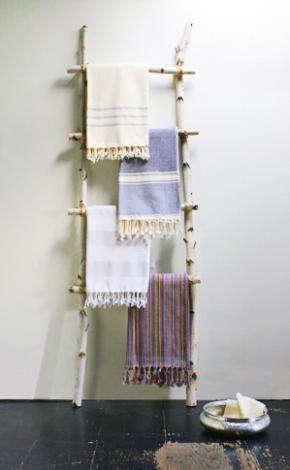
Hammam towels are practical, but their secret superpower is style. Their flat weave and subtle patterns add softness to hard bathroom surfaces. A white bathroom with chrome fixtures can feel cold, but a few striped cotton hammam towels instantly warm it up. Earthy towels pair beautifully with terracotta tile, wood vanities, and brushed brass. Navy or charcoal stripes can make a bathroom feel tailored and modern.
For a clean spa look, choose two or three colors and repeat them. For example, use ivory bath towels, beige hand towels, and one charcoal accent towel. If your bathroom is small, avoid too many competing patterns. A single stripe design can add interest without visual clutter.
You can also layer hammam towels with terry towels. Keep plush terry towels for cold nights or deep comfort, and use hammam towels for hair, travel, guests, or daily quick-dry convenience. A mixed towel system gives you the best of both worlds: the comfort of terry and the breezy intelligence of flat weave.
Common Mistakes to Avoid
Expecting Plush Terry Fluff
A hammam towel is not trying to be a hotel terry towel. If you expect thick pile and cloudlike volume, you may be disappointed at first. Give the towel a few washes and judge it by its own strengths: speed, versatility, drape, and compact storage.
Using Fabric Softener
This is the classic towel-care mistake. Fabric softener can make a towel feel smooth in the short term while making it less absorbent over time. Skip it. Your towel will thank you by doing its one job properly.
Leaving It Crumpled
Even quick-drying towels need airflow. Do not leave a damp hammam towel in a pile, gym bag, or laundry basket. Hang it open and let it breathe. A towel cannot perform miracles while stuffed into a dark corner like a forgotten sandwich.
Buying Only for Looks
Some hammam towels are more decorative than functional. Before buying, check fiber content, size, weave quality, and care instructions. A beautiful towel that does not absorb well may still work as a throw or beach wrap, but it may not become your favorite post-shower companion.
Are Hammam Towels Worth It?
For many homes, yes. Hammam towels are worth considering if you want towels that dry quickly, store neatly, travel easily, and add understated style to the bathroom. They are especially useful for small spaces, humid climates, beach households, gym routines, and anyone who dislikes bulky laundry.
They may not replace every towel in your house. Some people still prefer a thick terry towel after a long bath or cold-weather shower. But hammam towels are excellent as part of a smart towel collection. Use them for daily showers, hair drying, guest baths, travel, beach days, and decorative layering. Once you start using them, regular towels may begin to look a little high-maintenance.
Personal Experiences and Practical Lessons With Hammam Towels
The first time many people use a hammam towel, the reaction is usually confusion. It feels too thin. It folds too neatly. It does not have that plush department-store drama. You may wonder whether someone accidentally sold you a table runner with spa aspirations. But after a week, the appeal becomes obvious. The towel dries quickly, takes up almost no space, and somehow looks elegant even when hanging from a basic bathroom hook.
One of the most noticeable experiences is how useful hammam towels are for hair. A heavy terry towel wrapped around wet hair can feel like wearing a small upholstered chair on your head. A hammam towel is lighter, easier to twist, and less likely to pull at the scalp. For people with long hair, curly hair, or delicate strands, that lighter weight can make the post-shower routine more comfortable.
Another real-life advantage appears on laundry day. Thick towels fill the washer quickly and take a long time to dry. Hammam towels reduce that bulk. A few can go through the wash without turning the dryer into a three-act opera. In a busy household, this matters. In a small apartment, it matters even more. When your drying rack is also competing with jeans, workout clothes, and one mysterious sock that has been single since spring, fast-drying towels feel like a luxury.
Hammam towels also perform beautifully outside the bathroom. Take one to the beach and it becomes a towel, wrap, picnic layer, and emergency sun cover. Bring one on a road trip and it can serve as a blanket, pillow cover, or quick hotel towel upgrade. Keep one in a gym bag and it will not punish you with that damp locker-room smell as quickly as a thick towel might. The versatility is not a gimmick; it is the natural result of a textile that is large, light, absorbent, and easy to fold.
There is also a design experience worth mentioning. Replacing a pile of mismatched towels with a few coordinated hammam towels can make a bathroom feel calmer overnight. The room looks less crowded. Shelves look more intentional. Even a basic rental bathroom gains texture and personality. It is not a renovation, but it is the kind of small change that makes you pause and think, “Maybe I do have my life together,” at least until you open the junk drawer.
The learning curve is simple: wash before judging, avoid softener, hang fully open, and choose the right size. After several washes, many hammam towels soften and become more absorbent. They develop character rather than wearing out quickly. The fringe may twist a little, the weave may relax, and the towel begins to feel personal. That is part of the charm. A good hammam towel is not just a bathroom accessory. It is a practical textile with history, beauty, and enough common sense to dry before dinner.
Conclusion
Hammam towels bring together tradition, function, and modern design in a way few bath accessories can. They are lightweight but useful, stylish but not fussy, and compact without feeling cheap. Their flat-woven structure makes them quick drying and travel friendly, while quality cotton gives them the absorbency needed for everyday use.
If your bathroom needs more breathing room, your linen closet is staging a rebellion, or your towels never seem fully dry, hammam towels are a smart upgrade. They may not replace every plush towel you own, but they can make your bath routine easier, fresher, and more beautiful. And honestly, any towel that saves space, dries fast, and looks good on a hook deserves at least a little applause.
Note: This article is original editorial content synthesized from real textile, bath design, towel-care, and hammam history information from reputable U.S. and international reference sources.