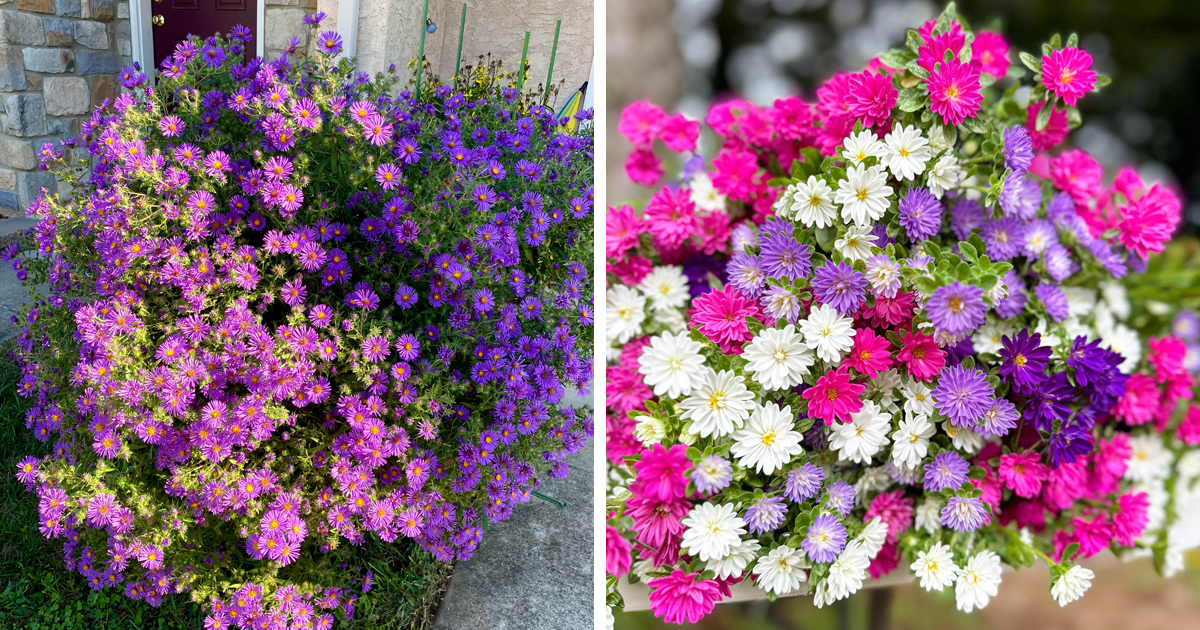
When the summer garden starts looking like it stayed too long at the party, asters walk in wearing purple, blue, pink, and white like they own the place. And honestly? They kind of do. These late-season bloomers bring that “one more round” energy to flower beds, pollinator gardens, cottage borders, and meadow-style landscapes just when many plants are packing up for the year.
Aster growth and care is not complicated, but it rewards gardeners who understand timing, sunlight, soil, spacing, and a little strategic pruning. Give asters what they want, and they will give you starry daisy-like flowers, happy bees, fluttering butterflies, and a fall garden that looks intentional rather than exhausted. Ignore their basic needs, and they may flop, mildew, or spread like they misunderstood the word “enthusiasm.”
This guide covers everything you should know about growing asters, from choosing the right variety to planting, watering, pruning, dividing, troubleshooting, and designing a landscape that glows from late summer into fall.
What Are Asters?
Asters are herbaceous flowering plants in the Asteraceae family, famous for their star-shaped blooms with yellow centers and colorful ray petals. Many popular North American “asters” once belonged to the genus Aster, but botanists later moved many native species into genera such as Symphyotrichum and Eurybia. Gardeners, being practical people with muddy shoes, still call them asters.
Most garden asters are perennials, meaning they return year after year when grown in suitable conditions. They are especially beloved because they bloom late in the growing season, often from August through October, depending on the species, cultivar, and climate. While spring flowers are charming and summer flowers are dramatic, asters are the reliable friends who show up with snacks when everyone else is tired.
Why Grow Asters in Your Landscape?
Asters are more than pretty faces. They are workhorses in the fall garden. Their blooms provide nectar and pollen for bees, butterflies, and other beneficial insects at a time when food sources become less abundant. Native asters are especially valuable in pollinator-friendly landscapes because they support local wildlife while adding long-lasting color.
They also fit many garden styles. Asters can look relaxed in prairie plantings, romantic in cottage gardens, polished in mixed perennial borders, and natural in rain gardens or wildlife areas. Compact cultivars make excellent edging plants, while taller species create a glowing backdrop behind shorter perennials.
Popular Types of Asters for Home Gardens
New England Aster
New England aster, commonly listed as Symphyotrichum novae-angliae, is one of the most recognized native asters. It often produces purple, lavender, rose, or pink flowers with golden centers. Depending on the cultivar, it can grow from about 2 feet to more than 5 feet tall. This is the aster for gardeners who want drama, height, and a pollinator buffet.
New York Aster
New York aster is another classic fall bloomer. It typically has smoother leaves and a wide range of flower colors, including violet, blue, pink, and white. Many cultivated varieties are compact enough for smaller gardens, making them useful when you want fall flowers without creating a botanical skyscraper.
Smooth Aster
Smooth aster, or Symphyotrichum laeve, is known for bluish-purple flowers and smooth foliage. It is a strong choice for naturalistic borders, pollinator gardens, and meadow-style landscapes. It can tolerate a range of soil conditions once established and looks excellent when paired with ornamental grasses.
Aromatic Aster
Aromatic aster, or Symphyotrichum oblongifolium, is often shorter and bushier than some tall asters. It has fragrant foliage when crushed and produces masses of purple-blue flowers in fall. It is a wonderful option for sunny borders, slopes, and dry-to-medium soils.
Wood Asters
Wood asters, including blue wood aster and white wood aster, are useful for partial shade. These are excellent choices for woodland edges, lightly shaded beds, and natural gardens where full-sun plants sulk like they were invited to the wrong event.
Best Growing Conditions for Asters
Sunlight
Most asters bloom best in full sun, which means at least six hours of direct light per day. Some species tolerate light shade, and woodland asters may actually prefer partial shade. In general, more sun leads to stronger stems, heavier flowering, and fewer disease problems. Too much shade can cause leggy growth, weak blooming, and the kind of flopping that makes a garden look like it needs a nap.
Soil
Asters prefer well-drained soil. Many types enjoy average to moderately rich soil with consistent moisture, especially during establishment. Heavy, soggy soil can encourage root and crown problems, while extremely poor dry soil may reduce flowering. The sweet spot is soil that holds some moisture but does not stay waterlogged.
If your soil is compacted clay, improve it with compost and plant asters slightly high so the crown does not sit in a wet pocket. If your soil is sandy, compost helps increase water retention. Asters are forgiving, but they are not swamp creatures wearing flower hats.
Water
Newly planted asters need regular watering while they develop roots. Aim for deep watering rather than frequent shallow splashes. Once established, many asters become moderately drought tolerant, especially native species adapted to local conditions. Still, consistent moisture during hot weather helps plants maintain attractive foliage and better flower production.
Fertilizer
Asters do not need heavy feeding. In fact, too much nitrogen can produce tall, soft growth that flops and flowers less. A light application of compost in spring is often enough for plants growing in decent soil. If your soil is poor, use a balanced slow-release fertilizer sparingly. Think of fertilizer like seasoning: helpful in the right amount, regrettable when dumped on with wild confidence.
How to Plant Asters
The best time to plant perennial asters is usually spring, giving them a full growing season to settle in before winter. Fall planting can also work in many regions, but plant early enough for roots to establish before freezing weather. In colder climates, give fall-planted asters at least several weeks before the ground freezes.
Choose a site with proper light and drainage. Dig a hole as deep as the root ball and about twice as wide. Set the plant at the same depth it was growing in the container. Backfill with native soil mixed with compost if needed, then water thoroughly. Add a light mulch layer around the plant, keeping mulch away from the crown to prevent moisture buildup.
Spacing matters. Compact asters may need only 12 to 18 inches between plants, while taller varieties may need 24 to 36 inches. Good spacing improves air circulation, which helps reduce powdery mildew and leaf spot problems.
Aster Care Through the Seasons
Spring Care
In spring, cut back any remaining dead stems from the previous year if you left them for winter habitat. Remove debris that looks diseased, but consider leaving some clean stems and leaf litter in nearby natural areas to support overwintering beneficial insects.
Spring is also the best time to divide crowded asters. If the center of a clump looks weak, flowering has declined, or the plant is spreading too aggressively, dig it up and separate healthy outer sections. Replant divisions immediately and water them well.
Summer Care
Summer is when you shape asters for better performance. Tall asters can be pinched or cut back by about one-third in late spring or early summer to encourage bushier growth and reduce flopping. Stop pruning by midsummer so the plants have time to form flower buds.
Keep an eye on watering during dry spells. Mulch helps conserve soil moisture and reduce weed competition, but avoid piling mulch against stems. If plants are tall, install supports early, before they lean dramatically across the path like they are asking for directions.
Fall Care
Fall is showtime. Enjoy the blooms, watch pollinators work, and resist the urge to over-manage. Deadheading can keep plants tidier and may reduce self-seeding, but leaving some seed heads can feed birds and add winter texture.
If you want a neat garden, cut stems after flowering. If you prefer a wildlife-friendly approach, leave stems standing until late winter or early spring. There is no single perfect answer; your garden style and local ecosystem goals can guide the decision.
Winter Care
Asters are generally hardy perennials when matched to the right USDA growing zone. Winter care is simple: avoid wet crowns, keep mulch light, and do not fertilize late in the season. In colder regions, a loose layer of leaves can help protect roots, but the plant should not be buried under a soggy blanket.
Pruning and Pinching Asters
Pinching is one of the best tricks for growing fuller asters. When plants reach about 8 to 12 inches tall in late spring, remove the top few inches of growth. This encourages side branching and creates a more compact, flower-filled plant. Tall varieties may be pinched once or twice before midsummer.
The famous “Chelsea chop” method, often done in late May or early June, involves cutting selected perennials back by about one-third to one-half. For asters, this can delay bloom slightly, reduce height, and increase branching. You can cut back the entire plant or only the front half to create a layered bloom effect.
Do not pinch too late. Cutting asters after flower buds begin forming may reduce the autumn display. A good rule for many regions is to stop pruning by early to mid-July.
Dividing and Propagating Asters
Asters often benefit from division every two to three years, especially fast-growing clumps. Division improves airflow, renews vigor, and helps control spread. Early spring is the ideal time because new shoots are just emerging and the plant has the season ahead to recover.
To divide asters, dig up the clump, shake away loose soil, and separate sections with several shoots and healthy roots. Discard woody or weak centers. Replant divisions at the same depth, water deeply, and keep the soil evenly moist while they reestablish.
Asters can also be grown from seed, though named cultivars may not come true from seed. For predictable color, height, and habit, buy nursery plants or divide existing cultivars.
Common Aster Problems and Solutions
Powdery Mildew
Powdery mildew appears as a gray-white coating on leaves. It is common in crowded plantings, humid weather, and areas with poor airflow. Prevent it by spacing plants properly, thinning dense clumps, watering at the base, and choosing resistant varieties when available. Mild mildew late in the season is often cosmetic, but severe cases can weaken plants.
Aster Yellows
Aster yellows is a disease spread by leafhoppers. Symptoms may include distorted flowers, greenish petals, yellowing, stunted growth, and strange clusters of weak shoots. Unfortunately, infected plants cannot be cured. Remove and discard affected plants to reduce spread, and manage nearby weeds that may host the disease.
Rust and Leaf Spots
Rust may cause orange spots on leaf undersides, while fungal leaf spots create dark or discolored patches. Improve air circulation, avoid overhead watering, remove infected foliage, and clean up diseased debris at the end of the season.
Flopping
Flopping happens when tall asters grow too lush, receive too much shade, or are not pruned early. Prevent it by planting in full sun, avoiding excessive fertilizer, pinching in late spring, and using discreet supports. Planting tall asters behind sturdier companions can also hide supports naturally.
Overenthusiastic Spreading
Some asters spread by rhizomes or self-seeding. In meadow gardens, this can be charming. In formal borders, it can feel like a floral takeover. Deadhead before seeds mature, divide clumps regularly, and use a sharp spade to trim spreading edges.
Best Companion Plants for Asters
Asters look stunning with other late-season perennials and grasses. Pair purple or blue asters with goldenrod for a classic fall combination that looks like nature hired a color consultant. Black-eyed Susans, coneflowers, sedums, Joe-Pye weed, switchgrass, little bluestem, and ornamental grasses all make excellent companions.
For a cottage garden look, combine asters with phlox, roses, salvia, and catmint. For a pollinator garden, use native grasses and flowers with staggered bloom times so insects have food from spring through fall. For a clean modern border, mass one compact aster cultivar in repeated drifts rather than sprinkling single plants everywhere.
Design Ideas for a Starry Aster Landscape
Use tall asters at the back of borders, medium types in the middle, and compact cultivars along edges. Repeating the same aster in three or five groups creates rhythm and prevents the garden from looking like a plant sale exploded.
In meadow plantings, mix asters with grasses and late-blooming natives. In rain gardens, choose species that tolerate occasional moisture but still provide drainage. In small spaces, select compact cultivars such as dome-shaped New England aster selections or aromatic aster varieties that stay lower and bushier.
Color matters, too. Purple asters pair beautifully with yellow, bronze, orange, and chartreuse. Pink asters soften ornamental grasses and look charming with white blooms. White asters brighten evening gardens and shady edges.
of Real-World Experience: What Growing Asters Teaches You
Experience with asters teaches one lesson quickly: these plants are easy, but they are not furniture. You cannot simply place them in the garden and expect them to behave perfectly forever. They are living, changing perennials with opinions. Most of those opinions are reasonable: “Please give me sun,” “Please do not drown my crown,” and “Please divide me before I become a purple shrub with commitment issues.”
One of the most useful lessons is to choose the right aster for the right spot. A tall New England aster in the front of a narrow walkway may look adorable in a nursery pot, but by September it can become a cheerful traffic cone for bees. Put tall varieties where height is an asset: behind shorter perennials, along fences, or in naturalistic borders. Use compact cultivars near patios, paths, and containers.
Another practical experience: pinching works. Gardeners sometimes feel nervous cutting back a healthy plant, but asters usually respond with more branching and better shape. A pinched aster may look slightly offended for a week, then it quietly becomes fuller and sturdier. By fall, the difference is obvious. The unpinched plant may be leaning on its neighbors like a tired uncle at Thanksgiving, while the pinched one stands with dignity.
Watering also becomes clearer with practice. Asters do not like extremes. New plants need consistent moisture, especially in hot weather, but established plants often prefer moderation. The goal is deep, occasional watering rather than daily sprinkles. If leaves wilt in afternoon heat but recover by evening, the plant may simply be reacting to heat. If it stays wilted, drops leaves, or browns at the base, check soil moisture and drainage.
Powdery mildew is another teacher. Many gardeners panic when they see white powder on late-season foliage. The truth is that mild mildew near the end of the season is common and not always disastrous. The better response is prevention: more spacing, spring division, base watering, and less nitrogen. Aster care improves when you stop trying to rescue every leaf and start designing for airflow from the beginning.
Finally, asters remind gardeners to value the late season. Spring gardens get attention because everyone is excited to be outside again. Summer gardens get applause because everything is loud and colorful. But fall gardens have a special magic. When asters bloom, the light is softer, the air is cooler, and pollinators seem grateful for every flower. A well-grown aster turns the end of the season into a grand finale instead of a slow fade.
If your first year with asters is imperfect, congratulations: you are gardening correctly. Move what flops, divide what crowds, pinch what stretches, and celebrate what blooms. Asters are generous plants. Meet them halfway, and they will return each autumn with a sky full of flowers.
Conclusion
Asters are among the best perennials for bringing late-season color, pollinator value, and natural charm to the American garden. Their care is refreshingly manageable: plant them in the right light, give them well-drained soil, water deeply while they establish, avoid overfeeding, pinch tall varieties early, divide crowded clumps, and watch for common issues such as powdery mildew and aster yellows.
Whether you want a tidy border, a buzzing pollinator patch, a cottage-style flower bed, or a meadow that glows in autumn, asters can help create a starry landscape that feels alive until frost. They are beautiful, useful, and just a little dramaticwhich, frankly, is exactly what a fall garden needs.