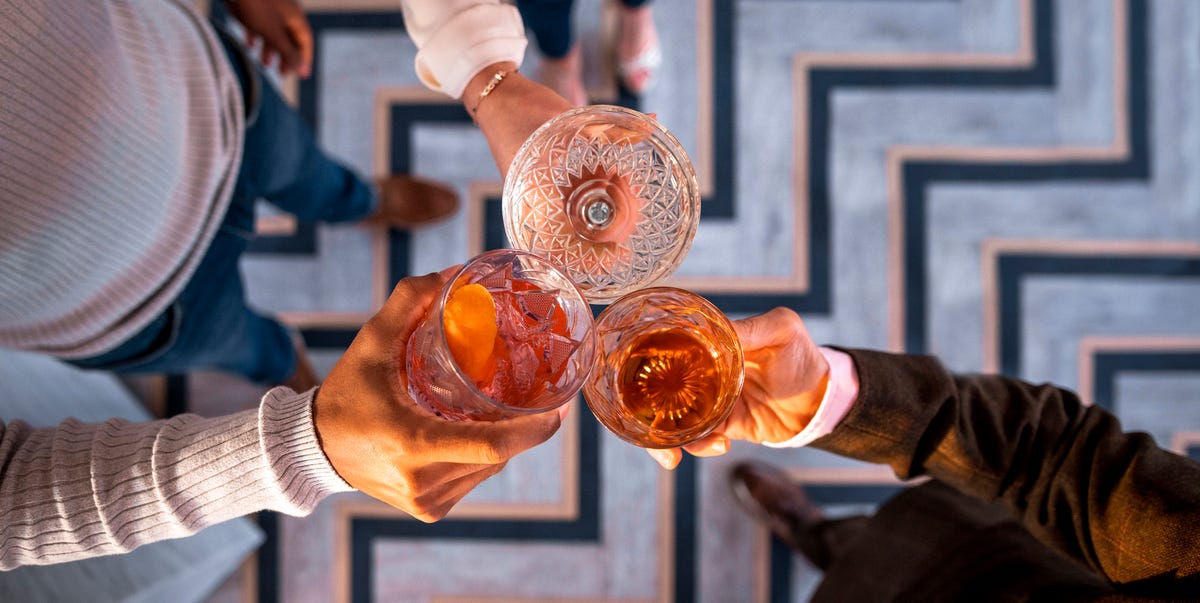
Trying to enjoy a drink without turning your glass into a dessert buffet? Good news: you do not have to retire to a lonely corner with plain ice water while everyone else says “cheers.” The best low-calorie alcoholic drinks are usually simple, crisp, and built with smart mixers: soda water, fresh citrus, unsweetened tea, diet tonic, light beer, dry wine, or sparkling wine. The trouble usually starts when alcohol invites its chaotic friends: syrup, regular soda, cream, sweet-and-sour mix, juice blends, flavored liqueurs, and those oversized fishbowl cocktails that look like they were designed by a carnival committee.
This guide breaks down the 9 best low-calorie alcoholic drinks and lowest sugar cocktails for adults who choose to drink and want to be more mindful of calories, sugar, and portion size. The goal is not to pretend alcohol is a wellness drink. It is not. Alcohol contains about 7 calories per gram, and U.S. health guidance recommends drinking less or not drinking at all for better health. But if you do drink, choosing lighter options can help you avoid the sneaky sugar-and-calorie pileup that happens fast with margarita mix, coladas, sweet wines, and syrup-heavy cocktails.
For reference, a standard U.S. drink is generally 12 ounces of regular beer, 5 ounces of wine, or 1.5 ounces of 80-proof spirits. A 1.5-ounce pour of plain vodka, gin, rum, tequila, or whiskey is usually around 97 calories and contains no sugar before mixers are added. That “before mixers” part is doing a lot of work. The mixer is often where a neat little drink becomes a 400-calorie plot twist.
What Makes an Alcoholic Drink Low-Calorie and Low-Sugar?
A low-calorie cocktail usually follows three simple rules: use a measured amount of alcohol, skip added sugar, and choose a zero-calorie or low-calorie mixer. Club soda, sparkling water, diet tonic, unsweetened iced tea, fresh lemon, lime, cucumber, mint, and bitters can add flavor without turning your drink into liquid cake.
Low sugar does not always mean low calorie, and low calorie does not always mean low alcohol. A dry martini may be low in sugar, but it can still be strong. A light beer may have fewer calories than regular beer, but drinking three of them is not “light” anymore. Portion size is the tiny detail that likes to wear an invisibility cloak.
9 Best Low-Calorie Alcoholic Drinks and Lowest Sugar Cocktails
1. Vodka Soda with Lime
Approximate calories: 95–110 per drink
Approximate sugar: 0 grams, unless sweetened flavoring is added
The vodka soda is the little black dress of low-calorie alcoholic drinks: simple, reliable, and hard to mess up. It usually contains vodka, club soda, ice, and a squeeze of lime. Since plain vodka has no sugar and club soda has no calories, most of the calories come from the alcohol itself.
To make it taste less like “hydration with consequences,” ask for extra lime, lemon, cucumber, mint, or a splash of unsweetened cranberry if you want color and tartness. Avoid flavored vodkas unless you know they are unsweetened. Some are sugar-free; others are basically perfume with a sweet tooth.
2. Tequila Soda or Ranch Water
Approximate calories: 100–130 per drink
Approximate sugar: 0–2 grams, depending on lime juice
Tequila soda is another superstar among the lowest sugar cocktails. The basic version is tequila, soda water, ice, and lime. Ranch Water, its Texas cousin, typically uses tequila, fresh lime juice, and sparkling mineral water. It tastes bright, refreshing, and grown-up without requiring a syrup pump or a blender loud enough to interrupt a conversation three tables away.
For the lowest sugar version, skip agave nectar, orange liqueur, and bottled margarita mix. A classic margarita can be delicious, but between sweet-and-sour mix, triple sec, and a heavy pour, it can climb quickly in calories and sugar. Tequila soda gives you the citrusy personality without the sugar confetti.
3. Gin and Diet Tonic or Gin Soda
Approximate calories: 100–125 per drink
Approximate sugar: 0 grams with diet tonic or soda water
A traditional gin and tonic sounds light, but regular tonic water contains added sugar. The fix is easy: order gin with diet tonic or soda water. Add lime, cucumber, rosemary, basil, or grapefruit peel for flavor. Gin’s botanical notes make it feel more complex than many simple low-calorie cocktails, which is excellent when you want a drink that tastes like it owns a library card.
One warning: “tonic” and “soda water” are not the same thing. Club soda and sparkling water are typically unsweetened. Regular tonic water is usually sweetened. Diet tonic keeps the familiar bitter-sweet flavor while cutting sugar and calories.
4. Dry Martini
Approximate calories: 120–170 per drink, depending on pour size
Approximate sugar: Usually very low
A dry martini made with gin or vodka and a small amount of dry vermouth is one of the lowest sugar classic cocktails. It is elegant, minimal, and not hiding behind juice. But it is also alcohol-forward, so sip slowly. A martini is not a sports drink, despite being served in a glass that looks like it won an architecture award.
For a lighter option, ask for a smaller pour or choose a “wet” martini with a little more vermouth and less spirit. Olives add sodium, while a lemon twist keeps it cleaner and brighter. Skip dessert-style martinis, such as chocolate, espresso with syrup, or creamy versions, if low sugar is the mission.
5. Brut Champagne or Dry Sparkling Wine
Approximate calories: 80–100 per 4-ounce glass
Approximate sugar: Low, especially brut nature, extra brut, and brut styles
Dry sparkling wine is a festive low-calorie alcoholic drink that does not need much help. Champagne, cava, prosecco, and American sparkling wines vary in sweetness, so look for labels such as brut nature, extra brut, or brut when you want less sugar. “Demi-sec” and “doux” are sweeter styles and usually contain more sugar.
The bubbles make a small serving feel celebratory, which is useful if you like the ritual of a drink more than the alcohol itself. Add a lemon twist or a few berries if you want flair, but avoid juice-heavy mimosas if you are watching sugar.
6. White Wine Spritzer
Approximate calories: 70–120 per drink, depending on the wine-to-soda ratio
Approximate sugar: Low when made with dry wine and soda water
A white wine spritzer is dry white wine topped with sparkling water or club soda. It lowers the calories per glass because part of the drink is replaced with bubbles. It also stretches the drinking experience, which can help you pace yourself during long dinners, weddings, and any gathering where someone insists on making a toast every 11 minutes.
Choose dry wines such as sauvignon blanc, pinot grigio, dry riesling, albariño, or unoaked chardonnay. Avoid sweet wines, sweetened wine coolers, and spritzers made with lemon-lime soda. Add citrus slices, mint, or frozen grapes for flavor without much sugar.
7. Light Beer or Low-Carb Beer
Approximate calories: 55–110 per 12-ounce serving, depending on brand
Approximate sugar: Usually low, but carbs vary
Light beer is not glamorous, but it earns its place on this list because it is portion-controlled, easy to find, and often lower in calories and carbohydrates than regular beer. Many light beers sit around 90–110 calories per 12-ounce can or bottle, while some ultra-light options are even lower.
Read labels when available. Some craft beers, flavored beers, hard ciders, and strong IPAs can contain more calories and carbohydrates due to higher alcohol content, residual sugars, or larger serving sizes. A 16-ounce double IPA may be delicious, but it is not exactly sneaking quietly through the calorie door.
8. Rum and Diet Cola
Approximate calories: 95–120 per drink
Approximate sugar: 0 grams with diet cola
A rum and regular cola can contain a lot of sugar because regular soda is sweetened. Swap in diet cola or zero-sugar cola, and the drink becomes much lower in sugar and calories. Plain rum itself contains no sugar, although flavored and spiced rums may vary. Always check the bottle if you are mixing at home.
For a fresher version, add lime and turn it into a lower-sugar Cuba Libre-style drink. If you prefer darker rum, use a measured pour. The flavor is bigger, but the calories still mostly depend on the amount of alcohol and the mixer.
9. Dry Red or White Wine
Approximate calories: 115–130 per 5-ounce glass
Approximate sugar: Usually low in dry styles
Dry wine can be a solid lower-sugar alcoholic drink when served in a standard 5-ounce pour. Red wines such as pinot noir, cabernet sauvignon, merlot, and syrah are generally dry. For whites, look for sauvignon blanc, pinot grigio, dry riesling, or brut sparkling wine. Sweet wines, dessert wines, and many wine cocktails contain more sugar.
The biggest issue with wine is pour size. Restaurant and home pours can easily creep from 5 ounces to 8 or 9 ounces, which changes the calorie count quickly. A large glass may still be called “one wine” in casual conversation, but your body is doing the math with a calculator, not vibes.
Low-Calorie Cocktail Swaps That Actually Work
The easiest way to build a lighter cocktail is to keep the alcohol simple and upgrade the flavor with low-sugar ingredients. Replace regular soda with diet soda, ginger beer with diet ginger beer, sweet-and-sour mix with fresh lemon or lime, simple syrup with muddled herbs, and heavy juice pours with a small splash. Choose soda water instead of tonic unless it is diet tonic.
Bitters, citrus peel, fresh herbs, cucumber, jalapeño, ginger, cinnamon, and unsweetened tea can make a drink taste interesting without adding much sugar. If a cocktail menu includes words like “syrup,” “liqueur,” “cream,” “colada,” “daiquiri,” “mudslide,” “sour mix,” or “frozen,” assume the sugar is not shy.
Drinks to Limit When You Want Fewer Calories and Less Sugar
Some alcoholic drinks are calorie traps wearing tiny umbrellas. Piña coladas, frozen margaritas, mudslides, Long Island iced teas, sweet sangria, hard lemonade, regular cider, dessert martinis, and cocktails made with energy drinks can contain large amounts of sugar and calories. They may taste like vacation, but so does sunscreen, and nobody is putting that in a martini glass.
Pre-mixed cocktails can also be tricky. Some canned cocktails and hard seltzers are genuinely low in sugar, while others contain added sweeteners. Check the nutrition label for calories, added sugars, total carbohydrates, serving size, and alcohol by volume. A can that looks like one serving may contain more than one standard drink.
How to Order Low-Calorie Alcoholic Drinks at a Bar
Ordering lighter drinks is simple when you use clear language. Try: “vodka soda with extra lime,” “tequila soda, no syrup,” “gin with diet tonic,” “dry white wine spritzer,” “brut sparkling wine,” or “rum and Diet Coke.” If you want a margarita, ask for tequila, fresh lime, soda water, and no sweet-and-sour mix. Some bartenders will happily make it; others will look at you like you asked them to solve a tax form. Stay polite and specific.
Another smart habit is alternating alcoholic drinks with water or sparkling water. It helps with pacing, hydration, and decision-making. By drink three, nobody is better at choosing snacks. Nobody. That basket of fries starts making persuasive arguments.
Low-Calorie Does Not Mean Risk-Free
It is important to say the quiet part clearly: alcohol is not required for health, and drinking less is generally better than drinking more. Adults who do not drink should not start for supposed health benefits. People who are pregnant, under the legal drinking age, taking certain medications, managing liver disease, living with alcohol use disorder, or advised by a clinician to avoid alcohol should skip it entirely.
For adults who choose to drink, moderation matters. Lower-calorie drinks can reduce sugar and calories, but they do not remove alcohol-related risks. A vodka soda is lighter than a frozen cocktail, but it is still alcohol. Think of low-calorie options as damage control for your nutrition goals, not a permission slip from the wellness gods.
Experience-Based Notes: What Works in Real Life
In real-world social settings, the best low-calorie alcoholic drink is often the one that is easy to order, easy to sip slowly, and not so boring that you immediately start negotiating with the dessert menu. Vodka soda and tequila soda win here because nearly every bar can make them. There is no need for special ingredients, no long explanation, and no risk of receiving a neon-blue mystery beverage that tastes like melted candy and poor planning.
At restaurants, wine spritzers are underrated. They are especially useful when dinner is long, conversation is good, and you want something in your hand without feeling like you are stacking drinks. A dry white wine spritzer with lots of ice and sparkling water feels refreshing and relaxed. It also pairs well with lighter meals such as seafood, salads, grilled chicken, and vegetable dishes. If you are eating something richer, a small glass of dry red wine can feel more satisfying than two sweet cocktails.
For parties, sparkling wine is the easiest low-sugar crowd-pleaser. A brut sparkling wine looks celebratory and does not need sugary mixers. If you are hosting, set up a “lighter bar” with soda water, citrus wedges, mint, cucumber, diet tonic, unsweetened iced tea, and a few zero-sugar sodas. People can build drinks that taste fun without pouring half a bottle of syrup into the glass. Bonus: your counter will look like you planned ahead instead of panic-buying mixers fifteen minutes before guests arrived.
Hard seltzers can be convenient, but they deserve label-reading. Some are low calorie and contain little to no sugar; others are sweeter than expected. The same goes for canned cocktails. The can may look sleek and fitness-adjacent, but the nutrition facts are where the truth lives. Look for calories per can, grams of sugar, total carbohydrates, and ABV. A lower ABV option can help reduce total alcohol intake, especially during long events.
One of the best habits is deciding your drink before you arrive. Menus are designed to tempt, and after a long day, “frozen mango passionfruit margarita tower” can sound like a reasonable adult decision. Having a default order makes things easier: vodka soda with lime, tequila soda, brut sparkling wine, light beer, dry wine, or gin with diet tonic. This is not about being strict forever. It is about not letting every casual drink become a sugar festival with a garnish.
Another useful experience: flavor matters more than sweetness. Fresh lime, mint, cucumber, bitters, citrus peel, ginger, and herbs can make a drink feel special without sugar. Ask for extra citrus. Ask for it tall with more soda water. Ask for no syrup. Most bartenders understand. And if they do not, order something simple from the menu and enjoy your night. The point is to make better choices most of the time, not turn happy hour into a chemistry exam.
Final Thoughts
The best low-calorie alcoholic drinks are usually the simplest: spirits with soda water, dry wine, brut sparkling wine, light beer, or cocktails made without sugary mixers. The lowest sugar cocktails rely on citrus, bubbles, herbs, and measured pours instead of syrup, juice blends, and regular soda. If you remember one rule, make it this: the mixer often matters as much as the alcohol.
Choose drinks you genuinely enjoy, sip slowly, watch portions, and alternate with water. Low-calorie cocktails can fit into a balanced lifestyle for adults who choose to drink, but moderation still matters. After all, the goal is to enjoy the night without waking up to discover your cocktail had more sugar than a birthday cake wearing sunglasses.
Note: This article is for general informational and educational purposes only. It is intended for adults of legal drinking age who choose to drink alcohol. It should not be used as medical advice, nutrition therapy, or a recommendation to start drinking.