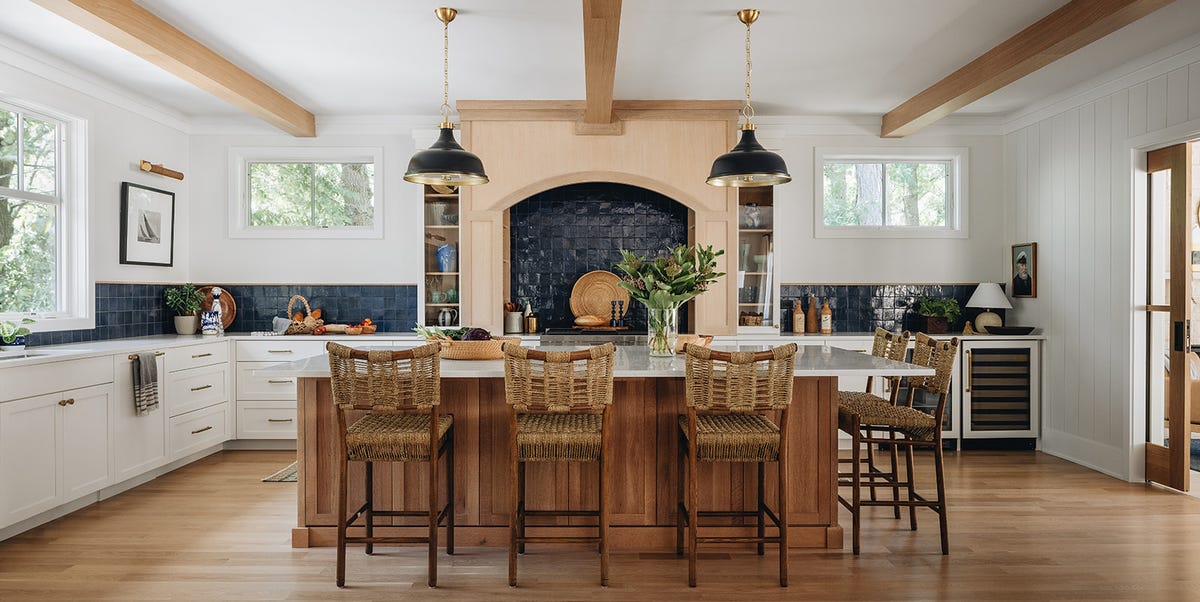
A lake house should feel like a deep exhale. It is where wet towels appear out of nowhere, someone always loses a flip-flop, and dinner somehow tastes better because there is a sunset involved. But a beautiful lake house makeover is not simply about painting everything “coastal white” and tossing a paddle on the wall. It is about creating a home that can handle muddy feet, rainy afternoons, sleeping bags, birthday cakes, board games, and the occasional dramatic cannonball.
The best lake house renovation ideas blend practical durability with relaxed beauty. They make it easy to host a crowd without making the house feel like a vacation rental lobby. They frame the water view without turning every wall into glass. Most importantly, they leave room for real life: laughter in the kitchen, kids racing to the dock, grandparents claiming the good porch chair, and guests who somehow stay “just one more night” for three days.
This lake house makeover guide explores how to transform an aging waterfront home into a warm, functional retreat designed for gathering, recharging, and making the kind of memories that get retold long after the marshmallows are gone.
Start With the Feeling You Want the Lake House to Create
Before selecting flooring, light fixtures, or a paint shade with a name like “Whispering Fog,” define the emotional purpose of the home. A lake house makeover works best when it begins with a simple question: How do we want people to feel when they walk in?
For many homeowners, the answer is some version of calm, comfortable, and welcome. That does not mean the house needs to look beige enough to disappear into a bowl of oatmeal. It means every decision should support easy living.
A family-focused lake home might need large gathering zones, washable rugs, extra bunks, and a kitchen that can survive a pancake invasion. A couples’ retreat may lean into quiet reading corners, spa-like bathrooms, soft lighting, and a screened porch designed for coffee at sunrise. A multigenerational lake house may need flexible bedrooms, accessible pathways, wider doorways, and storage for everything from fishing tackle to inflatable swans the size of compact cars.
The most memorable lake homes do not chase every design trend. They build around the landscape, the family’s habits, and the moments that matter most.
Protect the House Before You Pretty It Up
Lakefront homes have a special charm, but they also deal with special stress. Moisture, changing temperatures, sun exposure, wind, muddy traffic, insects, shoreline runoff, and the occasional surprise storm all have opinions about your renovation plans.
Before focusing on decorative finishes, inspect the home’s major systems. Look closely at the roof, gutters, drainage, windows, siding, foundation, decks, dock access, insulation, plumbing, electrical service, and ventilation. A lake house with a beautiful new kitchen but a persistent moisture issue is still a headache wearing fancy cabinet hardware.
Prioritize Moisture Management
Moisture control should be near the top of every waterfront renovation checklist. Repair leaks quickly, improve drainage around the home, maintain gutters and downspouts, and make sure bathrooms, kitchens, laundry rooms, and lower-level spaces are properly ventilated.
In basements, mudrooms, and other high-risk areas, choose materials that can tolerate damp shoes, humidity, and occasional water exposure. Porcelain tile, sealed concrete, quality vinyl flooring, and moisture-resistant wall finishes can be smarter choices than materials that panic at the sight of a wet sock.
Respect the Shoreline
A lake house makeover should enhance the property without treating the shoreline like an empty lot waiting for a parking garage. Native vegetation, trees, shrubs, and natural planting areas can help preserve the character of the site while reducing erosion and runoff.
Before adding a large deck, path, retaining wall, boathouse, fire feature, or shoreline seating area, check local zoning rules, setback requirements, environmental regulations, and permit needs. Waterfront properties often have stricter building limitations, and that is not bureaucracy trying to ruin your summer. It is usually an attempt to protect the lake, the land, and your very expensive view.
Create a Lake House Layout That Invites People to Gather
The magic of a successful lake house interior often comes down to circulation. People should be able to move from the dock to the mudroom, from the kitchen to the deck, and from the living room to the porch without creating a traffic jam worthy of a holiday airport.
A smart lake house layout usually centers on one main social zone. This may include a kitchen, dining area, living room, and outdoor entertaining space that connect naturally. The goal is not necessarily a completely open floor plan. The goal is visual connection and easy movement.
For example, a remodeled lake cottage might replace a cramped galley kitchen with a larger island facing the water. The island becomes a breakfast counter in the morning, a snack station after swimming, a buffet table during family reunions, and the unofficial headquarters for every board game argument after dinner.
Design a Mudroom That Works Overtime
At a lake house, the mudroom is not a minor room. It is the bouncer, referee, drying station, storage closet, and peacekeeper all rolled into one.
Include durable flooring, hooks at multiple heights, cubbies, baskets, a bench, towel storage, charging stations, and a place for life jackets. If space allows, add a utility sink for rinsing sandy feet, muddy paws, fishing gear, or the mysterious substance someone tracked in after “just checking the dock.”
Closed storage keeps clutter from spreading into the rest of the home, while open hooks make it easy for guests to find what they need. Labeling baskets may feel slightly overachieving until you realize nobody has asked where the sunscreen is for two entire weekends.
Build Sleeping Spaces for Real Guests
A lake house should sleep people comfortably, not merely technically. There is a difference between “sleeps ten” and “sleeps ten without anyone waking up cranky because they were assigned the couch beside the ice maker.”
Use a mix of bedroom types: a primary suite for privacy, a flexible guest room, a bunk room for kids and cousins, and perhaps a small loft for overflow guests. Built-in bunks can make efficient use of compact rooms while adding a classic camp-like charm. Add reading lights, outlets, small shelves, and individual storage so guests feel settled rather than stacked.
For adults, consider beds with quality mattresses, blackout shades, bedside charging, and enough surface space for a glass of water, a book, and the phone they promised themselves they would not check all weekend.
Choose Durable Materials That Still Feel Beautiful
The best lake house materials are not necessarily the most expensive. They are the ones that age gracefully, tolerate heavy use, and still look good after a summer full of dripping swimsuits and snack-fueled stampedes.
Flooring That Can Take a Beating
Lake homes need floors that can handle moisture, dirt, sun, pets, and traffic. Engineered wood, quality luxury vinyl plank, porcelain tile, sealed concrete, and durable composite flooring are all worth considering depending on the room and climate.
For living areas, engineered wood can provide a warm, natural look with more stability than some solid-wood options. In bathrooms, entryways, and lower-level spaces, porcelain tile or water-resistant flooring can be especially practical. Add washable rugs for softness and warmth, then relax when someone drops a popsicle. This is a lake house, not a museum with better snacks.
Kitchen Surfaces Built for Group Meals
Lake house kitchens work hard. They host pancake breakfasts, charcuterie boards, wet swimsuits, birthday cupcakes, late-night popcorn, and enough lemonade to float a small canoe.
Choose countertops that resist stains, scratches, and everyday chaos. Quartz, durable laminate, sealed natural stone, and some solid-surface materials can all work well depending on your budget and maintenance preferences. Pair them with easy-clean cabinet finishes, deep drawers for cookware, and pantry storage for bulk supplies.
A large island is often the heart of a lake house kitchen, but do not add one simply because every renovation show tells you to. Make sure it leaves enough walkway space and serves a real function. The best islands provide seating, storage, prep space, and a natural place for people to gather without blocking whoever is trying to rescue dinner.
Outdoor Materials That Do Not Fear Weather
Decks, porches, stairs, and outdoor dining areas deserve materials selected for your climate and maintenance tolerance. Wood has timeless warmth, but it may require regular sealing, staining, and inspection. Composite decking can reduce maintenance, while metal or aluminum options may suit some waterfront settings where moisture is a constant concern.
For outdoor furniture, choose weather-resistant materials, outdoor-rated cushions, washable covers, and rugs designed to handle moisture. The goal is not to create a showroom patio where nobody is allowed to sit. The goal is to create a place where people can kick back with bare feet, a cold drink, and absolutely no concern about ruining the furniture.
Let the Lake View Be the Main Character
A lake house makeover should celebrate the view, not compete with it. That does not mean every room needs a giant wall of glass or a telescope aimed directly at the neighbor’s pontoon boat. It means arranging the home so the water feels present.
Use furniture placement to direct attention toward windows, decks, porches, and sightlines. Keep window treatments light and functional, especially in shared spaces. Consider woven shades, linen panels, solar shades, or simple drapery that softens a room without blocking the landscape.
Natural materials help connect the indoors with the outdoors. Wood beams, stone, rattan, woven textures, linen upholstery, ceramic lamps, and muted organic colors can all complement the lake without making the home look like a souvenir shop exploded inside it.
For color, think beyond the obvious navy-and-white nautical formula. Soft green, clay, warm sand, smoky blue, deep forest, faded terracotta, charcoal, cream, and weathered wood tones can create a more layered and timeless waterfront look.
Make Outdoor Living Easy and Comfortable
At a lake house, the outdoor spaces are not extras. They are entire rooms without walls. A screened porch, deck, dock lounge, covered patio, outdoor kitchen, or fire area can extend the usable living space and make the home feel larger.
Create Zones for Different Kinds of Fun
Instead of one oversized deck with a table shoved into the middle, create outdoor zones with specific purposes. Include a dining area near the kitchen, a relaxed seating space facing the lake, a quiet reading corner, and perhaps a fire feature farther from the home if local regulations permit.
A screened porch is especially valuable for lake living because it provides a protected place to enjoy the breeze without becoming a donation center for mosquitoes. Add comfortable chairs, a ceiling fan, soft lighting, an indoor-outdoor rug, and a table large enough for cards, coffee, or the legendary 1,000-piece puzzle that will remain unfinished until next summer.
Think About Nighttime
The lake house experience changes after sunset. Add layered outdoor lighting with path lights, porch sconces, step lighting, and soft string lights used sparingly. Avoid turning the property into an airport runway. The goal is safe movement, warm atmosphere, and enough darkness to appreciate the stars.
Inside, use dimmable lighting, bedside lamps, reading lights, and warm accent lighting. A lake house should feel calm at night, not like someone installed the lighting plan for a dental office.
Add Meaningful Details Instead of Random Decor
The most beautiful lake house makeovers often include personal details that tell the family’s story. Framed lake maps, vintage paddles, old fishing photos, children’s drawings, handmade pottery, heirloom quilts, collected shells, and travel souvenirs can make a space feel layered and lived-in.
The trick is editing. One meaningful object feels intentional. Forty-seven decorative oars may suggest someone is preparing for an extremely confusing rowing emergency.
Create a memory wall with framed photos from summers past. Display a guestbook where visitors can write favorite moments. Keep a shelf for board games, card decks, and favorite lake reads. Add a “boat day” basket near the door with towels, sunscreen, bug spray, dry bags, and a waterproof speaker.
These details make the home more than a pretty property. They make it a place with a pulse.
Do Not Forget the Less Glamorous Safety Upgrades
A dreamy lake house should also be a safe one. Update smoke alarms, carbon monoxide alarms, electrical outlets, stair railings, dock hardware, exterior steps, and outdoor lighting. Keep fire extinguishers accessible in the kitchen, garage, and outdoor cooking areas. Maintain clear paths to the water and make sure guests know where life jackets, first-aid supplies, flashlights, and emergency contacts are located.
If the home includes a fire pit, grill, fireplace, generator, or boat dock, create simple safety rules that are easy for guests to understand. Keep life jackets visible and easy to grab, especially for children, inexperienced swimmers, and anyone heading out on a boat.
Safety upgrades may not be the glamorous part of a lake house renovation, but neither is discovering that a loose stair tread has been quietly auditioning for a lawsuit. A thoughtful makeover protects the people who will enjoy it most.
A Lake House Makeover Is Really a Memory-Making Makeover
At its best, a lake house makeover is not about impressing visitors with a dramatic before-and-after photo. It is about designing a backdrop for ordinary moments that become important because they happened together.
It is the oversized dining table where everyone gathers after swimming. It is the mudroom bench where children line up shoes that will never match. It is the screened porch where someone reads before breakfast while the lake is still quiet. It is the bedroom where cousins whisper long after they are supposed to be asleep.
A stunning lake house does not need to be perfect. It needs to be welcoming, durable, connected to the landscape, and ready for a little mess. Because the best homes are not remembered for flawless styling. They are remembered for the people, the laughter, the meals, and the feeling that nobody wanted the weekend to end.
Lake House Experiences: The Little Moments That Make the Makeover Worth It
A lake house renovation becomes meaningful the first time the house is full again. Not full in a staged-photo way, with one immaculate throw blanket folded at exactly the correct angle. Full in the real way: towels drying over porch rails, cups on every surface, somebody asking where the extra blankets are, and a dog proudly carrying a stick that is much too large to bring indoors.
Imagine the first summer morning after the makeover. The kitchen has enough counter space for coffee, fruit, pancakes, and a small army of cereal bowls. The new windows catch the early light over the water. Someone opens the door to the deck, and the house fills with that cool lake air that makes every room feel slightly more awake.
Later, the mudroom proves its worth. Kids tumble in from the dock, dropping goggles, towels, and sandals into their assigned cubbies. Adults come through with coolers and groceries. Nobody trips over a mountain of life jackets because there is finally a place for them. It may not sound romantic, but organization is one of the least appreciated love languages in a busy vacation home.
By afternoon, the living room becomes a soft landing zone. One person reads in the window seat. Another takes a nap beneath a woven throw. Someone starts a card game at the dining table and insists on explaining the rules for twenty minutes. The lake view remains in the background, calm and steady, doing what lake views do best: making everyone briefly forget about emails.
The outdoor spaces shine after dinner. The deck becomes a gathering place for dessert, stories, and sunset photos that nobody will actually post until several weeks later. On the screened porch, grandparents settle into comfortable chairs while teenagers drift between snacks and their phones. A few people wander down toward the water, and someone inevitably says, “The lake looks completely different at night.”
Then there are the rainy-day memories. A good lake house does not stop working when the weather turns. It becomes cozy. Wet shoes line up in the mudroom. The porch roof hums with rain. The kitchen fills with the smell of something baking. A pile of board games appears. The bunk room becomes a fort-building headquarters. Even the person who claimed they “never play games” gets strangely competitive before lunch.
The bedrooms matter more than people realize, too. When guests sleep well, they stay longer, wake happier, and are much less likely to become emotionally attached to the last cinnamon roll. Comfortable beds, good lighting, charging outlets, and enough privacy make a lake house feel generous rather than merely available.
Over time, the home begins collecting its own traditions. The same chair becomes Grandpa’s chair. The same dock step becomes the official spot for family photos. The kitchen island becomes the place where everyone signs birthday cards. A wall of framed photographs slowly fills with sunburned smiles, muddy dogs, new babies, old friends, and cousins who somehow became adults while nobody was looking.
That is the true success of a lake house makeover. The house becomes easier to live in, yes. It becomes more beautiful, certainly. But its greatest achievement is becoming the place people picture when they remember summer, comfort, family, and the rare feeling of having nowhere else to be.