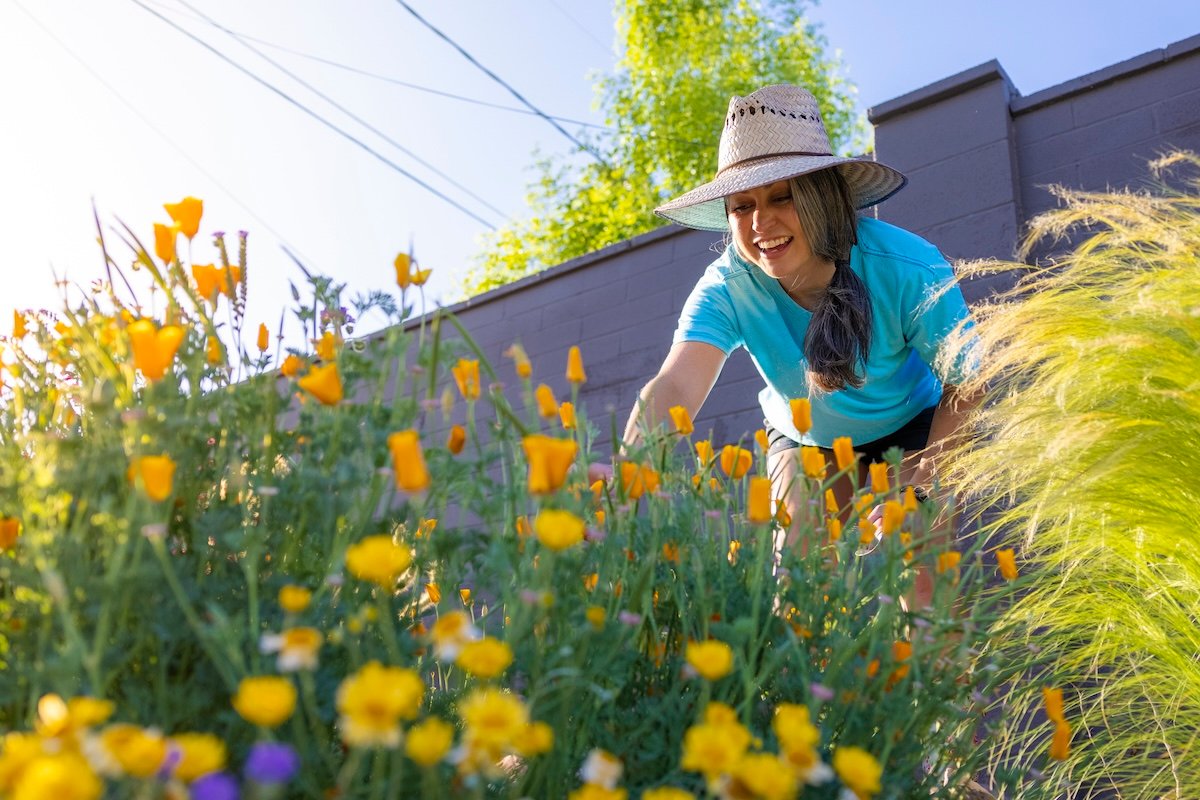
A xeriscape garden does not have to look like a gravel parking lot decorated with one lonely cactus. Done well, it can be colorful, layered, wildlife-friendly, and far less demanding than a conventional landscape. The key is not simply choosing plants labeled “drought tolerant.” It is selecting native plants that match your region, soil, exposure, drainage, and natural rainfall patterns.
Native plants have evolved alongside local weather, wildlife, and soils. Once properly established, many can survive with little supplemental irrigation, fewer fertilizers, and less pest control. That does not make them indestructible. A desert wildflower can still drown in soggy clay, while a drought-tolerant Eastern perennial may struggle in the dry heat of Arizona. In xeriscaping, the right plant in the wrong place is still the wrong plantjust with a very optimistic nursery tag.
The following 18 native plants are organized into six broad U.S. regions. Because native ranges do not follow state lines neatly, always confirm that a species is native to your local ecoregion before purchasing it.
What Makes a Plant Suitable for Xeriscaping?
Xeriscaping is a water-conscious approach to landscape design. It combines climate-appropriate plants with efficient irrigation, healthy soil, practical turf areas, mulch, and hydrozoningthe practice of grouping plants according to their water requirements.
Native plants are often excellent xeriscape candidates because they are already adapted to regional conditions. However, “native” and “drought tolerant” are not interchangeable. Bald cypress is native to the Southeast, for example, but nobody would sensibly place it in the driest corner of a rock garden and wish it luck.
Before choosing plants, evaluate:
- The amount and duration of direct sunlight
- Whether the soil is sandy, rocky, loamy, or clay-heavy
- How quickly water drains after heavy rain
- Winter temperatures and summer heat
- Salt exposure, reflected heat, wind, and deer pressure
- The plant’s mature height and spread
Even highly drought-tolerant plants need regular attention while their roots become established. Deep, gradually reduced irrigation encourages roots to move downward rather than loitering near the surface like teenagers beside an open refrigerator. EPA WaterSense and university extension guidance also emphasize matching plants to local conditions, grouping them by water need, and reducing irrigation only after establishment.
Desert Southwest
Gardens in Arizona, New Mexico, southern Nevada, and the desert portions of California and Utah face intense sun, low humidity, alkaline soils, and long periods without rain. Successful plants often use silvery leaves, deep roots, seasonal dormancy, or rapid responses to rainfall to conserve moisture.
1. Desert Marigold (Baileya multiradiata)
Desert marigold produces cheerful yellow flowers above a low mound of woolly, gray-green foliage. It behaves as a short-lived perennial or annual, depending on local conditions, but often reseeds where it is happy.
Plant it in full sun and lean, fast-draining soil. It is an excellent choice for gravel gardens, roadside-style plantings, slopes, and spaces beside hot pavement. Avoid rich compost and frequent watering, both of which can produce weak growth and shorten its life. Removing spent flower stems can encourage another round of blooms, although leaving a few seed heads helps maintain the population naturally.
2. Brittlebush (Encelia farinosa)
Brittlebush combines silvery foliage with bright, daisy-like yellow flowers. Its pale leaves reflect sunlight and help reduce moisture loss, making the shrub especially valuable in exposed desert gardens.
Give it full sun, excellent drainage, and enough room to form a rounded mound approximately 2 to 4 feet tall. During severe drought or cold, brittlebush may drop its leaves and appear alarmingly dead. Resist the urge to hold a funeral. It is often entering dormancy and can leaf out again when favorable conditions return. Prune lightly after flowering rather than repeatedly shearing it into a geometric ball.
3. Apache Plume (Fallugia paradoxa)
Apache plume earns its place in a xeriscape twice: first with simple white flowers, then with feathery pink seed heads that glow when backlit. The shrub commonly reaches 4 to 6 feet tall and works well as an informal hedge, background plant, or erosion-control shrub.
It tolerates heat, cold, wind, alkaline soil, and limited moisture once established. Plant it in full sun or light shade with good drainage. Its loose natural form is part of its charm, so prune selectively instead of turning it into a cube. Nature already invented plenty of cubes; they are called rocks.
Mountain West and Intermountain Region
High elevations, cold winters, alkaline soils, strong winds, and large temperature swings make the Mountain West a challenging gardening environment. Plants native to its grasslands, foothills, and dry basins often thrive with deep but infrequent watering and minimal fertilizer.
4. Blue Grama (Bouteloua gracilis)
Blue grama is a warm-season native grass with distinctive seed heads that resemble tiny eyelashes or combs. It can be grown in ornamental clumps, mixed into a short meadow, or used as part of a low-water lawn alternative.
It prefers full sun and well-drained soil. Once established, it tolerates heat, cold, drought, and relatively poor ground. Blue grama greens up later than cool-season lawn grasses and may turn tan during dormancy. That seasonal color is normalnot a request for emergency irrigation. Its compact height also means less mowing and fewer Saturday mornings spent arguing with a lawn mower.
5. Blanketflower (Gaillardia aristata)
Blanketflower provides red-and-yellow blooms over a long season, especially when faded flowers are removed. Its bright colors suit cottage-style xeriscapes, pollinator gardens, and naturalistic borders.
This perennial prefers full sun, lean soil, and excellent drainage. It may be short-lived, but it commonly reseeds. Excess fertilizer can cause floppy growth, while wet winter soil may lead to crown rot. Pair it with native grasses so its bold flowers appear to float above fine-textured foliage. Utah State University includes blanketflower among native and water-wise landscape choices adapted to arid Western conditions.
6. Rubber Rabbitbrush (Ericameria nauseosa)
Rubber rabbitbrush is a rugged shrub with silvery foliage and golden fall flowers. It provides valuable late-season color when many summer perennials have finished blooming, and its flowers support bees and other insects.
Use it in full sun on slopes, property edges, or the back of a large dry border. It tolerates wind, alkaline conditions, and poor soil, but it needs space. Depending on the form, mature plants may reach several feet in both height and width. Select a compact local variety where garden space is limited, and avoid excessive irrigation, which can encourage lanky growth.
California and the Pacific Coast
Pacific Coast xeriscaping must account for dramatic differences between foggy coastal areas, inland valleys, chaparral, mountains, and Mediterranean-climate zones. Many California natives are adapted to winter moisture and dry summers, so frequent summer watering can be more damaging than helpful after establishment.
7. California Fuchsia (Epilobium canum)
California fuchsia produces vivid red or orange tubular flowers from summer into fall, providing nectar for hummingbirds when many spring bloomers have gone quiet. Depending on the selection, it forms a spreading ground cover or a loose mound 1 to 3 feet tall.
Plant it in full sun or light shade and well-drained soil. Once established, it requires little summer water in suitable climates. Cutting old stems back during winter keeps the plant tidy and makes room for fresh growth. Place it near a path, wall, or slope where its cascading stems can soften hard edges.
8. Cleveland Sage (Salvia clevelandii)
Cleveland sage offers aromatic gray-green leaves and tiers of violet-blue flowers. On a hot afternoon, brushing against the foliage releases a powerful herbal fragrancethe garden equivalent of opening an expensive candle without having to buy one.
This shrub prefers full sun, good air circulation, and fast drainage. It is ideal for dry slopes, pollinator gardens, and chaparral-inspired landscapes. Avoid overwatering in summer, particularly in heavy soil. Give it enough space to reach its mature width rather than planting it six inches from a walkway and later blaming the sage for having ambitions.
9. Manzanita (Arctostaphylos species)
Manzanitas are prized for evergreen leaves, sculptural branching, smooth reddish bark, winter or early-spring flowers, and berries that feed wildlife. Forms range from low ground covers to large shrubs and small trees.
The best choice is a species or cultivar suited to your local plant community. Most prefer well-drained soil and resent rich amendments, constant moisture, and frequent summer irrigation around the crown. Planting in fall allows roots to develop during the cool, rainy season. Mature plants generally need little pruning beyond the removal of damaged or crossing branches.
Great Plains and Midwest
Native prairie plants are built for weather drama. They endure summer heat, winter cold, wind, fire, and periodic drought through deep or fibrous root systems. In gardens, they provide movement, winter structure, erosion control, and habitat without demanding a daily drink.
10. Little Bluestem (Schizachyrium scoparium)
Little bluestem is an upright native bunchgrass with blue-green summer foliage that turns copper, orange, or burgundy in fall. Silvery seed heads persist into winter and catch low sunlight beautifully.
It performs best in full sun and dry to average, well-drained soil. Too much shade, water, or fertilizer can cause the stems to flop. Plant it in groups for a strong visual rhythm, or combine it with coneflowers and asters. Leave the stems standing during winter, then cut them down before new spring growth begins.
11. Prairie Dropseed (Sporobolus heterolepis)
Prairie dropseed forms graceful fountains of extremely fine foliage. In late summer, airy flower panicles appear above the leaves and produce a fragrance that some gardeners compare to coriander, popcorn, or something delicious being prepared several houses away.
It prefers full sun and well-drained soil, tolerating dry conditions once its deep root system develops. Prairie dropseed can be slow to establish, so patience is required during its first few seasons. Use it along paths, in repeated masses, or at the front of a prairie-style border where its tidy shape can contrast with broader leaves.
12. Purple Coneflower (Echinacea purpurea)
Purple coneflower is a familiar native perennial with pink-purple petals surrounding a prominent orange-brown cone. It attracts bees and butterflies while blooming, and birds visit the seed heads later in the year.
Grow it in full sun to light shade and well-drained soil. Established plants tolerate periods of drought, although they may need occasional deep watering during extended heat. Avoid overly fertile conditions, which can create tall, weak stems. Leave some seed heads through winter for birds and visual interest, then remove them before spring growth.
Northeast and Mid-Atlantic
Although this region receives more rainfall than the arid West, summer droughts, sandy coastal soils, rocky slopes, and dry urban sites still create opportunities for xeriscape design. Eastern native plants selected for dry habitats can reduce irrigation while supporting specialist insects and local food webs.
13. Butterfly Weed (Asclepias tuberosa)
Butterfly weed produces brilliant orange flower clusters and serves as a host plant for monarch caterpillars. Unlike moisture-loving milkweeds, this species is particularly comfortable in dry, sunny, well-drained locations.
Its deep taproot helps it tolerate drought but also makes established plants difficult to transplant. Choose the planting site carefully and mark it, because butterfly weed emerges late in spring and is easily mistaken for an empty space. It dislikes wet winter soil and excessive fertilizer. Aphids may appear, but strong water sprays or natural predators often keep them manageable.
14. New Jersey Tea (Ceanothus americanus)
New Jersey tea is a compact deciduous shrub with clusters of white summer flowers. It typically grows 2 to 4 feet tall and supports numerous pollinators while fitting comfortably into smaller residential landscapes.
Plant it in full sun or light shade with well-drained soil. A substantial root system gives established plants good drought tolerance, but it also makes them reluctant travelers after planting. New Jersey tea works well on slopes, in foundation borders, or as a low informal hedge. It may die back after severe winters and regrow from the base.
15. Smooth Blue Aster (Symphyotrichum laeve)
Smooth blue aster brings violet-blue flowers to the late-season garden, supplying nectar when many summer plants have finished. Its upright stems and smooth, blue-green leaves combine well with warm-colored grasses.
Grow it in full sun and dry to average soil. Pinching or cutting the stems back slightly in early summer can produce a bushier plant and reduce flopping. It is especially effective when planted in groups rather than as one isolated specimen attempting to carry the entire autumn display by itself.
Southeast and Gulf Coast
Southeastern xeriscaping is not merely desert gardening with extra humidity. Plants must often tolerate heat, intense rain followed by drought, sandy or compacted soils, salt exposure, and long growing seasons. Regional native plants that handle both heat and periodic dryness are the safest choices.
16. Pink Muhly Grass (Muhlenbergia capillaris)
For much of the year, pink muhly grass is an attractive but relatively quiet clump of narrow green foliage. Then fall arrives, and the plant produces clouds of airy pink flowers that look as though the garden has hired its own special-effects department.
Pink muhly tolerates heat, humidity, drought, poor soil, and coastal salt once established. It flowers best in full sun and needs good drainage. Use it in masses for maximum impact, leaving enough room between plants for air circulation and mature spread. Cut old foliage back near the end of winter before new growth appears.
17. Yaupon Holly (Ilex vomitoria)
Yaupon holly is an adaptable evergreen shrub or small tree native to the southeastern United States. It tolerates drought, salt, urban conditions, pruning, and a surprisingly broad range of soils. Female plants produce red berries when a compatible male plant grows nearby.
Choose the cultivar carefully because sizes range from compact mounds to tree-like forms more than 15 feet tall. Yaupon can be used as a hedge, screen, specimen, or wildlife plant. Once established, it generally requires little irrigation, although occasional deep watering can maintain better appearance during prolonged drought.
18. Lanceleaf Coreopsis (Coreopsis lanceolata)
Lanceleaf coreopsis produces golden-yellow, daisy-like flowers above narrow foliage. It is well suited to sunny meadows, cottage gardens, road-edge plantings, and informal xeriscape borders.
The plant thrives in full sun and dry, well-drained soil. It tolerates sandy and relatively poor ground but may become floppy in rich, heavily irrigated beds. Deadheading extends flowering, while allowing selected seed heads to mature encourages natural reseeding. Combine it with pink muhly grass for a long season of color and a smooth transition from spring flowers to fall texture.
How to Arrange Native Plants in a Xeriscape Garden
A successful xeriscape is designed as a community rather than a collection of unrelated drought-tolerant plants. Begin by placing larger structural shrubs, such as manzanita, Apache plume, or yaupon holly. Add native grasses to connect the planting visually, then weave flowering perennials through the open spaces.
Group plants into hydrozones. Species that appreciate occasional deep irrigation should not share an irrigation line with plants that require a dry summer crown. Position the toughest plants beside pavement, south-facing walls, and gravel paths, where reflected heat increases water loss.
Mulch should also match the region and plant community. Organic mulch can help conserve moisture in many Midwestern, Eastern, and Southeastern beds. Gravel or mineral mulch may be more appropriate around desert and Mediterranean-climate plants that require fast crown drainage. Keep all mulch several inches away from stems and trunks.
Finally, avoid packing the garden according to nursery-container size. A one-gallon shrub may look comically small on planting day, but mature dimensions matter. Empty space can be covered temporarily with annual wildflowers or a thin layer of mulch. Crowding permanent plants creates poor airflow, awkward pruning, and the botanical version of rush-hour traffic.
Practical Experience: Lessons Xeriscape Gardens Teach Over Time
One of the first lessons gardeners learn from a new xeriscape is that “low water” does not mean “no water from the moment the receipt prints.” Newly installed native plants have limited root systems. During the first growing season, they need careful, deep irrigation whenever the root zone begins to dry. The goal is to extend the interval between waterings gradually, not to conduct a survival audition during the hottest week of July.
The second lesson is that drainage often matters more than drought tolerance. A gardener may lose a Cleveland sage or blanketflower during a rainy winter and assume the plant was not cold-hardy. In reality, its crown may have remained wet for too long. Raising the planting area slightly, loosening compacted soil, or selecting a naturally sloped site can make a bigger difference than adding fertilizer or installing another irrigation emitter.
Plant spacing is another common source of experience, usually learned while holding pruning shears and questioning earlier decisions. Young native shrubs rarely resemble their mature selves. Apache plume, manzanita, and yaupon holly may occupy several times the width of their original containers. Reading the mature spread and actually believing it prevents crowded walkways, blocked windows, and years of unnecessary trimming.
A well-designed xeriscape also changes the gardener’s definition of beauty. Conventional landscapes often reward constant green growth, but native gardens operate on seasonal rhythms. Blue grama and little bluestem turn tan in dormancy. Brittlebush may drop its leaves. Butterfly weed emerges late. Prairie flowers develop dark seed heads. These changes are not failures; they provide winter structure, wildlife food, and visual evidence that the landscape is alive rather than permanently frozen in its May catalog photograph.
Weeding tends to be most demanding during the first two or three years. Native perennials are investing energy in root development, while opportunistic weeds are investing energy in making the gardener say unfriendly things. Applying appropriate mulch, removing weeds before they set seed, and filling open spaces with compatible ground-level plants gradually reduces the workload. Once mature plants cover more soil, many xeriscapes become easier to maintain.
Gardeners also discover that fewer inputs can produce healthier plants. Heavy fertilization often makes native species taller, softer, and more likely to collapse. Frequent shallow irrigation encourages roots to remain near the surface. Routine shearing destroys natural form and may remove flower buds. In many established xeriscapes, the best maintenance strategy is selective pruning, occasional deep watering, seasonal cleanup, and enough restraint to let the plants behave like plants.
Perhaps the most rewarding experience is watching wildlife recognize the garden. Bees find blanketflower and asters. Hummingbirds investigate California fuchsia. Monarch caterpillars appear on butterfly weed. Birds balance on coneflower seed heads. A water-wise garden therefore saves more than irrigation water: it creates habitat, connects fragmented ecosystems, and turns an ordinary yard into part of the regional landscape.
Conclusion
The best native plants for xeriscape gardens are not determined by a universal top-18 ranking. They are determined by place. Desert marigold excels under Southwestern sun, prairie dropseed belongs naturally in the central grasslands, California fuchsia suits dry-summer climates, and pink muhly handles Southeastern heat and humidity with style.
Start with a few locally appropriate species, group them according to water needs, and give them attentive establishment care. As their roots deepen, irrigation and maintenance can decline while flowers, texture, and wildlife activity increase. That is the real promise of xeriscaping: not a lifeless yard that uses less water, but a resilient regional garden that makes every drop work harder.