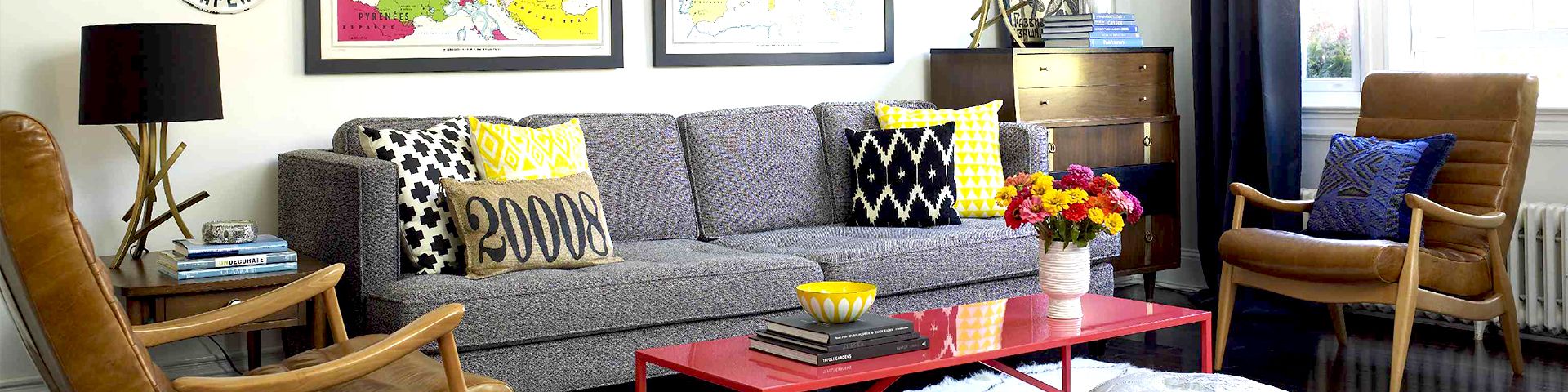
The living room is the unofficial mayor of the house. It welcomes guests, hosts movie nights, absorbs snack crumbs with quiet dignity, and somehow becomes the place where everyone drops their bags “just for a minute.” Because it works so hard, your living room deserves more than a random sofa, a lonely lamp, and a throw pillow that has seen things.
Great living room decorating is not about copying a showroom. It is about designing a space that supports your real life while still looking pulled together. Whether your style leans modern, cozy, traditional, farmhouse, coastal, eclectic, minimalist, or “I bought this chair because it was on sale and now we must build a personality around it,” the best living room design ideas begin with function, comfort, proportion, and a clear visual story.
This guide walks through practical, stylish, and realistic living room decorating and design ideas for American homes of all sizes. You will find layout tips, furniture advice, color inspiration, lighting strategies, rug rules, storage solutions, wall decor ideas, and personal experience-based decorating lessons that can help transform a bland room into a space people actually want to use.
Start With How You Really Use the Living Room
Before buying a sofa, painting a wall, or ordering six decorative baskets because the internet said baskets solve everything, ask one question: what does this room need to do?
A formal living room used for conversation needs a different setup than a family room built around streaming, gaming, pets, kids, and popcorn bowls the size of birdbaths. If your living room is the main hangout space, prioritize durable seating, easy-to-clean fabrics, smart storage, and flexible surfaces. If it is mainly for entertaining, you may want a more conversational furniture layout, statement lighting, layered textures, and a polished focal point.
Common living room functions to consider
Most living rooms serve several jobs at once. Your space might need to support TV watching, reading, working from home, hosting guests, playing board games, exercising, napping, or simply sitting in peace while pretending not to hear the laundry buzzer. Each activity affects your decorating choices.
For example, a family with young children may need closed storage, washable rugs, rounded furniture edges, and a sturdy coffee table. A couple in a small apartment may need a compact sectional, nesting tables, wall-mounted shelves, and a media console that hides cords. A homeowner who entertains often may prefer two sofas facing each other, extra accent chairs, a bar cabinet, and dimmable lighting.
Choose a Layout That Encourages Comfort and Conversation
Furniture layout is the backbone of living room design. If the layout is awkward, even expensive furniture can look like it wandered in from three different houses and lost its map.
Start by identifying your focal point. This could be a fireplace, large window, TV, built-in bookcase, artwork, or beautiful view. Then arrange seating so the room feels intentional. A classic layout includes one sofa facing the focal point with two chairs angled or placed across from it. This creates a natural conversation zone while keeping the room open.
Float furniture when possible
One of the most useful living room decorating ideas is to stop pushing every piece of furniture against the walls. Floating a sofa even a few inches away from the wall can make the room feel more designed. In larger spaces, floating furniture helps create zones, such as a TV area, reading corner, or conversation nook.
In small living rooms, floating furniture may sound counterintuitive, but it can actually improve flow. Leave clear walking paths, avoid blocking doorways, and give people enough room to move around tables and chairs without performing an Olympic side-step.
Try these layout formulas
Sofa plus two chairs: This is a timeless choice for square or medium-size living rooms. It feels balanced, flexible, and conversation-friendly.
Two sofas facing each other: Ideal for larger or more formal living rooms, this layout creates symmetry and makes conversation effortless.
Sectional plus swivel chair: A smart option for family rooms, open-concept spaces, and TV-friendly layouts. A swivel chair adds flexibility because it can turn toward the TV, fireplace, or people.
Four comfortable chairs: This works beautifully in small sitting rooms or homes where conversation matters more than lounging. It gives the room a boutique hotel feel without requiring a huge sofa.
Sofa, bench, and accent chairs: A bench adds seating without blocking sight lines, making it especially useful in open floor plans.
Pick the Right Sofa: The Anchor of the Room
The sofa is usually the biggest visual and financial decision in a living room. It should fit the scale of the room, match your lifestyle, and feel comfortable enough for actual humansnot just decorative guests who sit upright for twelve minutes.
Measure before buying. Check the sofa width, depth, seat height, and delivery path. A sofa that looks perfect online may become a tragic hallway sculpture if it cannot fit through the door.
Best sofa ideas by room type
For small living rooms, choose a sofa with slim arms, raised legs, or a clean silhouette. These details allow more visual breathing room. For large living rooms, consider a sectional, curved sofa, or two matching sofas. Curved and sculptural furniture is especially popular because it softens the room and encourages social interaction.
For family homes, performance fabrics are worth considering. They resist stains better than delicate materials and make daily life less stressful. For a more refined space, velvet, linen blends, leather, or textured upholstery can add richness and character.
Use Rugs to Define the Space
A rug can make a living room feel finished almost instantly. It adds warmth, softness, color, texture, and acoustic comfort. It also visually gathers furniture into one zone, which is especially important in open-concept homes.
The most common rug mistake is choosing one that is too small. A tiny rug floating under a coffee table can make the furniture feel disconnected, like everyone at the party is avoiding eye contact. In many living rooms, the front legs of the sofa and chairs should sit on the rug. In larger rooms, all major furniture pieces may fit fully on the rug.
Living room rug tips
Use painter’s tape to mark rug dimensions on the floor before buying. This simple trick helps you see whether an 8-by-10, 9-by-12, or larger rug will work. Choose low-pile or washable rugs for homes with pets or children. Add pattern if the furniture is mostly solid, or choose a quieter texture if the room already has bold curtains, art, and pillows.
Layering rugs is another stylish option. A large natural fiber rug can provide coverage, while a smaller patterned rug on top adds personality. This works especially well in casual, coastal, bohemian, farmhouse, and eclectic living rooms.
Create a Lighting Plan, Not Just a Lighting Accident
Lighting can make or break a living room. One harsh ceiling light in the center of the room is rarely enough. It may technically illuminate the space, but so does a convenience store, and nobody is calling that cozy.
A good living room lighting plan includes three layers: ambient lighting, task lighting, and accent lighting. Ambient lighting provides overall illumination through ceiling lights, recessed lights, or large fixtures. Task lighting supports specific activities such as reading, working, or playing games. Accent lighting highlights art, shelves, plants, architectural details, or textured walls.
Easy lighting upgrades
Add table lamps on side tables, a floor lamp beside a reading chair, sconces near built-ins, or picture lights above artwork. Use warm white bulbs for a cozy atmosphere, and avoid mixing too many bulb temperatures in the same room. Dimmers are one of the best upgrades because they let the same room shift from homework zone to dinner-party lounge to late-night movie cave.
Statement lighting is also a major design opportunity. Oversized floor lamps, sculptural pendants, and interesting lampshades can act like functional art. If your living room feels flat, lighting may be the missing layer.
Choose Colors That Set the Mood
Living room color ideas should start with the feeling you want. Do you want calm and airy? Warm and cozy? Bold and dramatic? Sophisticated and moody? The color palette is the room’s emotional soundtrack.
Warm neutrals, earthy browns, soft greens, ochre, muted blues, tobacco tones, and creamy whites are popular because they feel grounded and livable. Rich jewel tones like deep green, aubergine, navy, and saturated blue can make a living room feel intimate and expressive. If you prefer lighter spaces, use warm whites, beige, greige, taupe, and pale clay tones instead of cold gray-white combinations.
Try color without panic
If painting the whole room feels too dramatic, start with smaller color moves. Add colorful pillows, a patterned rug, a painted cabinet, a bold lampshade, or framed art. Another option is color drenching, where walls, trim, and sometimes the ceiling share a similar tone. This can make a small room feel cocoon-like and elegant when done thoughtfully.
For a balanced palette, choose one dominant color, one or two supporting colors, and one accent. For example, a warm beige room could include olive green chairs, dark wood tables, brass lamps, and rust-colored pillows. A blue living room might pair navy walls with cream upholstery, walnut furniture, and aged silver accents.
Mix Textures for a Richer, Cozier Room
Texture is what keeps a living room from looking flat. Even an all-neutral room can feel luxurious if it includes linen, wool, leather, wood, ceramic, woven fibers, metal, glass, and soft upholstery.
Layer smooth with rough, matte with shiny, and soft with structured. A boucle chair, oak coffee table, wool rug, velvet pillow, woven basket, ceramic lamp, and linen curtains can create more depth than a room filled with only matching furniture.
Texture ideas that work in almost any style
Add a chunky knit throw to a clean-lined sofa. Place a woven tray on a coffee table. Use linen or cotton curtains to soften windows. Mix leather chairs with fabric seating. Bring in wood through side tables, frames, beams, shelves, or a mantel. Include plants for organic texture and a fresh sense of life.
Natural materials are especially useful in white or light-colored living rooms because they prevent the room from feeling sterile. Wood, rattan, jute, stone, clay, and greenery add warmth without overwhelming the design.
Make Storage Stylish and Practical
Storage is not the glamorous part of living room decorating, but it is the difference between “beautifully lived-in” and “why is there a phone charger in the fruit bowl?” A good storage plan helps the room stay calm.
Choose furniture that works harder. Storage ottomans can hide blankets, games, or toys. Media cabinets can conceal electronics and cords. Bookcases can hold books, baskets, framed photos, and decorative objects. Built-ins are excellent for custom storage, but freestanding cabinets, console tables, and modular shelving can also do the job.
Keep clutter intentional
Personal objects make a room feel warm, but too many small items can create visual noise. Group decor in small collections, vary heights, and leave some empty space. A shelf does not need to be packed edge to edge to prove it went to college.
Use closed storage for messy everyday items and open storage for attractive pieces. Keep remote controls in a tray or box, store throws in a basket, and use decorative bins for children’s toys or pet supplies.
Decorate the Walls With Personality
Blank walls can make a living room feel unfinished. Wall decor adds character, scale, color, and storytelling. The best choice depends on your style and room size.
Large artwork can create a bold focal point above a sofa or mantel. A gallery wall can display family photos, vintage prints, travel memories, drawings, small paintings, or framed textiles. Mirrors reflect light and help smaller rooms feel larger. Wall-mounted shelves add storage and display space.
How to make wall decor feel intentional
Hang art at a comfortable viewing height, generally around eye level. When placing art above a sofa, avoid hanging it too high; the piece should relate visually to the furniture below. For gallery walls, keep spacing consistent and mix frame sizes while maintaining a common thread, such as color, subject, or frame finish.
Personal art is becoming more important in home design. A living room should not feel like it was decorated by a hotel committee. Display pieces that mean something: a flea market painting, family black-and-white photos, a framed concert poster, a child’s drawing in a real frame, or a textile from a trip.
Use Curtains to Finish the Room
Curtains are often treated like an afterthought, but they can make a living room feel taller, softer, and more polished. Hang curtain rods higher than the window frame and wider than the window whenever possible. This creates the illusion of larger windows and lets more natural light in when the curtains are open.
Choose fabric based on the mood of the room. Linen feels relaxed and airy. Velvet feels dramatic and cozy. Cotton is versatile. Patterned drapery can become a major design feature, especially in traditional, cottage, grandmillennial, or eclectic spaces.
Bring in Vintage and Personal Pieces
One of the strongest living room design directions is the move away from cookie-cutter rooms. People want spaces that feel collected, personal, and layered over time. Vintage furniture, antique mirrors, inherited pieces, handmade ceramics, thrifted art, and unique lighting can instantly make a living room feel more soulful.
You do not need to turn your home into a museum of mysterious wooden objects. Start small. Add a vintage side table next to a modern sofa. Use an antique tray on a contemporary coffee table. Mix old brass candlesticks with clean-lined shelves. Reupholster an older chair in a fresh fabric. The contrast between old and new creates depth.
Decorating Ideas for Small Living Rooms
Small living rooms need smart design, not tiny everything. In fact, using too many small pieces can make a room feel cluttered. Choose fewer, better-scaled items and keep pathways clear.
Use furniture with exposed legs to create openness. Choose a sofa that fits the wall but does not swallow the room. Consider nesting tables, wall-mounted lighting, storage ottomans, slim media consoles, and mirrors. Paint walls and trim in the same color to reduce visual breaks. Keep the color palette cohesive, then add personality with texture and art.
Small room tricks that help
Use vertical storage to draw the eye upward. Hang curtains high. Choose a large enough rug to connect the furniture. Keep coffee tables narrow if walking space is limited. Try a round table to soften tight corners. Avoid blocking windows with bulky furniture. Let natural light work as free square footage.
Decorating Ideas for Large Living Rooms
Large living rooms can be wonderful, but they can also feel oddly empty if furniture is spread around the edges. The solution is zoning. Create multiple destinations within the same room.
Use one area for conversation, another for reading, another for games, and perhaps a console or bar area for entertaining. Large rugs help define each zone. Lighting should be distributed throughout the room so every area feels useful after dark.
Oversized art, substantial coffee tables, tall plants, large-scale lamps, and generous sofas can help balance the scale. In a big room, tiny decor can look nervous. Go bigger than you think, but keep the layout comfortable and human.
Refresh Your Living Room Without a Full Makeover
You do not always need a renovation or a new furniture set. Sometimes the best living room decorating ideas are simple updates with big impact.
Rearrange the furniture. Swap pillow covers. Add a new rug. Replace lampshades. Paint the media cabinet. Style the coffee table. Hang curtains higher. Add a large plant. Update art. Move decor from another room. Change the light bulbs. Hide cords. Declutter shelves. These small changes can make the room feel refreshed without draining your bank account like a dramatic home makeover montage.
Common Living Room Decorating Mistakes to Avoid
Even stylish rooms can go wrong when scale, lighting, and function are ignored. Avoid choosing a rug that is too small, buying furniture before measuring, relying on one overhead light, pushing everything against the walls, using only matching furniture sets, hanging art too high, ignoring storage, and choosing decor that looks good but does not support daily life.
The goal is not perfection. The goal is a room that feels beautiful, comfortable, and easy to live in. A living room should be designed enough to feel intentional but relaxed enough that people are not afraid to sit down.
Experience-Based Living Room Decorating Ideas: What Actually Works in Real Life
After observing many living room makeovers, the biggest lesson is simple: the best rooms are not always the most expensive ones. They are the rooms where every choice has a reason. A budget sofa can look fantastic with the right rug, lighting, and styling. An expensive sofa can look awkward if it is the wrong size, shoved into a corner, or surrounded by furniture that does not relate to it.
One practical experience is to decorate in layers rather than trying to finish everything in one weekend. Start with the layout. Move the sofa, chairs, and tables until conversation, traffic flow, and comfort make sense. Live with that arrangement for a few days. You will quickly notice whether the coffee table is too far away, whether a chair blocks the walkway, or whether nobody uses the reading corner because there is no lamp nearby.
The second lesson is that lighting solves more problems than people expect. A living room that feels dull may not need new furniture; it may need better light. Adding two table lamps, one floor lamp, and warm bulbs can change the entire mood. A dim corner suddenly becomes useful. Art looks richer. Textures become visible. People look better too, which is a generous bonus.
Another real-world decorating lesson is to buy the rug earlier than you think. Many people choose pillows and art first, then struggle to find a rug that connects everything. A rug can set the color palette, define the seating area, and make existing furniture feel more intentional. When in doubt, go larger. A generous rug usually looks more polished than a small one.
Personal objects also matter more than trends. A room filled only with new items can look clean but emotionally flat. The living rooms that people remember usually include something personal: a stack of favorite books, a framed family photo, a vintage lamp, a handmade bowl, travel art, or a quirky object with a story. These pieces make the room feel human. They say, “someone lives here,” not “please enjoy this furniture catalog with a roof.”
It also helps to create one small ritual zone. This could be a reading chair with a lamp and side table, a game table near a window, a coffee station on a console, or a basket of blankets beside the sofa. These zones make the room more useful and more inviting. Design becomes powerful when it improves daily habits.
Finally, edit regularly. Living rooms collect clutter because they are used constantly. Every few months, remove items that no longer serve the room. Rotate pillows seasonally, restyle shelves, donate unused decor, and check whether the layout still fits your lifestyle. A living room is not a museum display. It should evolve with your family, routines, taste, and yes, the occasional impulse purchase that somehow becomes the star of the room.
Conclusion
Living room decorating and design ideas work best when they begin with real life. A beautiful room is not just about color palettes, trendy furniture, or perfectly chopped pillows. It is about comfort, connection, movement, light, storage, personality, and atmosphere.
Start with the way you use the space. Choose a layout that encourages conversation and easy flow. Invest in properly scaled seating. Use a rug that connects the furniture. Layer lighting so the room works morning, afternoon, and night. Add warmth through color, texture, curtains, wood, art, and personal objects. Mix old and new pieces for a collected look. Most importantly, leave room for the living part of the living room.
A well-designed living room does not need to be perfect. It needs to feel welcoming, useful, and unmistakably yours. If guests feel comfortable, family members actually use the space, and you enjoy being there at the end of the day, congratulations: your living room is doing its job beautifully.