Note: This article is based on commonly recommended humane cat-behavior guidance from veterinary, shelter, and animal-welfare sources, including the ASPCA, Cornell Feline Health Center, Humane World, AAHA, PetMD, Petfinder, Fear Free Happy Homes, Animal Humane Society, and Anti-Cruelty Society.
Cats are tiny velvet-footed roommates with the confidence of landlords. One minute they are blinking at you like a sleepy angel; the next, they are stretched across your clean sofa, kneading the cushion as if preparing artisanal bread. If you have ever searched for how to keep cats off furniture, you already know the truth: cats do not avoid furniture because we ask nicely. They avoid it when the better option is more rewarding, more comfortable, and more interesting.
The good news is that you do not need to yell, spray water, or start a dramatic feud with a twelve-pound creature who can fit behind the refrigerator. In fact, punishment often makes cats anxious, sneaky, or confused. A humane approach works better: understand why your cat wants the furniture, offer a better alternative, make the off-limits area less appealing, and reward the behavior you want to see.
This guide focuses on three practical, cat-friendly ways to keep cats off furniture while protecting your couch, chairs, tables, and sanity. Whether your cat loves sleeping on the sofa, scratching the armchair, or treating the dining table like a royal balcony, these methods can help you create a home that works for both humans and felines.
Why Cats Love Furniture So Much
Before we talk solutions, it helps to know why furniture is so irresistible. Cats are not being “bad” when they jump onto a couch or scratch a chair. They are following natural instincts. Furniture often gives them height, warmth, scent, comfort, attention, and a good scratching texture. In cat logic, your sofa is not “expensive living room furniture.” It is a deluxe nap platform with built-in claw maintenance.
Scratching is especially misunderstood. Cats scratch to stretch their muscles, remove outer claw sheaths, mark territory, and leave scent from glands in their paws. Jumping onto furniture is also natural because cats like elevated spaces where they can observe the room and feel secure. If a chair sits near a sunny window, congratulations: you have accidentally purchased a luxury cat resort.
So, the goal is not to stop your cat from being a cat. The goal is to redirect those behaviors toward approved places. Think of it as interior design with whiskers in mind.
Way 1: Give Your Cat a Better Place to Go
The most effective way to keep cats off furniture is to make another spot more attractive than the furniture. Cats are practical little creatures. If the cat tree is taller, the bed is softer, the scratching post is sturdier, and the window view is better, your sofa becomes less exciting.
Create a Cat-Friendly Alternative
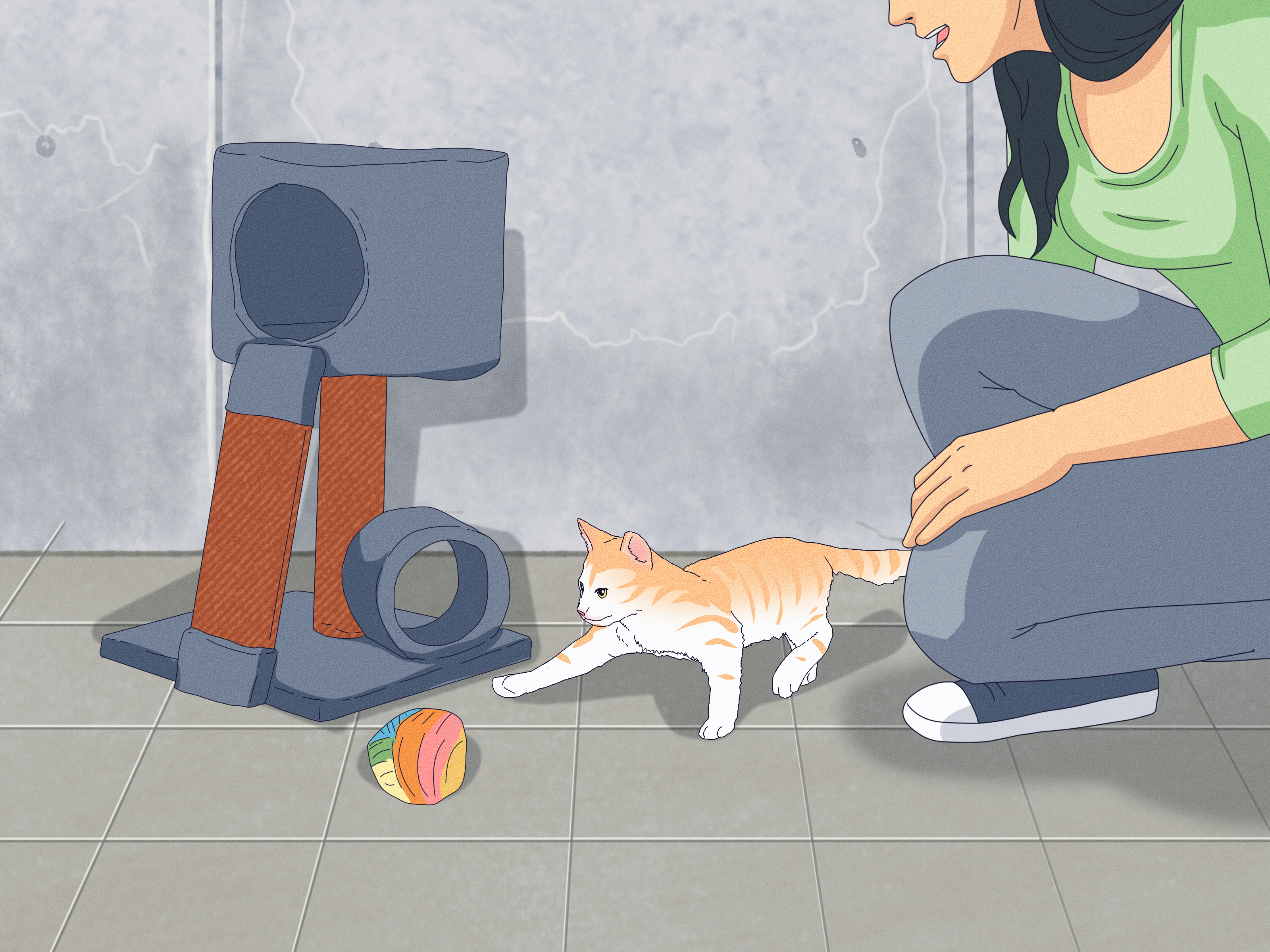
Start by asking what your cat is getting from the furniture. If your cat sleeps on the sofa, provide a cozy cat bed nearby. If your cat sits on the back of a chair to watch birds, add a window perch. If your cat climbs onto a cabinet or table for height, provide a cat tree, tower, or wall shelf. If your cat scratches the armrest, place a scratching post directly beside that spot.
Location matters. A scratching post hidden in a lonely corner will not compete with the couch in the center of family life. Put approved cat furniture where your cat already spends time. Cats like to be near their people, even when they are pretending they do not care whether you exist.
Choose Scratching Posts Cats Actually Like
Many cats prefer scratching posts that are tall, stable, and covered in satisfying materials such as sisal, cardboard, or rough fabric. A wobbly post is a hard sell. Imagine trying to do yoga on a folding chair during an earthquake. That is how a flimsy scratcher feels to a cat.
Offer both vertical and horizontal scratchers. Some cats want to stand tall and stretch; others prefer to scratch flat surfaces. Try different textures until you find your cat’s favorite. Once you know what they like, place the scratcher close to the furniture they have been targeting.
Make the New Spot Irresistible
To encourage your cat to use the approved area, add a few incentives. Sprinkle catnip or silvervine on the scratcher if your cat responds to it. Place treats on the cat tree. Add a soft blanket to the window perch. Use a wand toy near the new spot so your cat associates it with fun.
When your cat uses the new furniture, reward immediately. Offer praise, a treat, or a short play session. Timing matters. If your cat scratches the post and gets a treat ten seconds later, that is clear. If your cat scratches the post and gets a treat five minutes later, your cat may assume the reward was for staring at a wall with mysterious intensity.
Way 2: Make Your Furniture Less Appealing
Once your cat has a better option, make the old furniture less rewarding. This does not mean frightening or hurting your cat. It means using harmless textures, barriers, and environmental changes that make the furniture boring or mildly unpleasant.
Use Safe Texture Deterrents
Many cats dislike sticky, crinkly, or uneven surfaces. Temporary double-sided tape, furniture-safe sticky strips, aluminum foil, plastic mats, or upside-down carpet runners can discourage jumping or scratching. These deterrents work best when they are paired with an appealing alternative nearby.
For example, if your cat scratches the sofa arm, cover that area with a furniture-safe deterrent and place a sturdy sisal post next to it. The sofa becomes annoying; the post becomes satisfying. This is not trickery. This is negotiation, cat edition.
Remove Temptations
If your cat jumps on tables or counters, check what is attracting them. Food crumbs, dirty plates, houseplants, warm laptops, and sunny spots can all invite feline investigation. Keep surfaces clean, store food away, and move fragile items out of reach. A cat who finds snacks on the table once may return for weeks, just in case the magical sandwich portal opens again.
For couches and chairs, remove favorite blankets temporarily if they are acting like cat magnets. Wash cushion covers if they hold strong pet scents. Cats are scent-driven, and once a place smells like “mine,” they may keep returning.
Block Access When Needed
Sometimes the simplest solution is temporary management. Close the door to a formal living room when you cannot supervise. Use washable furniture covers during training. Place lightweight objects on a chair seat for a short period so your cat cannot settle there comfortably. If the problem is nighttime furniture adventures, create a comfortable sleeping area in another room with water, litter, toys, and a cozy bed.
The key is consistency. If the couch is off-limits Monday through Friday but becomes a cat lounge on Saturday, your cat will not understand the policy. Cats are smart, but they are not reading the household handbook.
Way 3: Reward Good Behavior and Build a Routine
Training a cat is not only possible; it can be surprisingly fun. The secret is to reward what you like instead of obsessing over what you dislike. Cats repeat behaviors that work for them. If jumping onto the sofa gets attention, even negative attention, the sofa remains valuable. If using the cat tree gets treats, play, and praise, the cat tree starts winning.
Use Positive Reinforcement
When your cat chooses the approved spot, reward right away. Use small treats, gentle praise, petting, or playwhatever your cat enjoys. Some cats are food-motivated. Others prefer a feather wand. Some want chin scratches. Some accept your offering and then look at you like you are an unpaid intern. Work with the cat you have.
You can also use clicker training. A clicker marks the exact moment your cat does the right thing, followed by a reward. For example, when your cat steps onto the cat tree instead of the couch, click and treat. Over time, your cat learns that the cat tree is not merely furniture; it is a snack machine with carpet.
Redirect Without Drama
If your cat jumps onto off-limits furniture, stay calm. Pick them up gently or guide them to the approved spot, then reward them when they settle there. Avoid yelling, clapping, spraying water, or chasing. These methods may stop the behavior temporarily, but they can also make cats fearful or teach them to do the behavior when you are not around.
Redirection should be boring and consistent. Sofa equals no reward. Cat tree equals good things. Table equals removed calmly. Window perch equals praise. The message becomes clear without a single dramatic courtroom speech.
Add Daily Enrichment
A bored cat is a creative cat, and creative cats often redecorate with their claws. Daily play can reduce unwanted furniture behavior by giving your cat a healthy outlet for hunting, climbing, chasing, and pouncing. Try two or three short play sessions each day, especially before meals or bedtime.
Puzzle feeders, treat balls, rotating toys, window views, climbing shelves, and hide-and-seek games can also help. Indoor cats need stimulation. When their environment is too empty, the couch becomes entertainment, gym equipment, bed, and emotional support object all in one.
What Not to Do When Keeping Cats Off Furniture
Some common tactics sound convenient but can backfire. Do not hit, yell, or use physical punishment. Do not use strong essential oils or harsh chemical repellents, as some can be unsafe for cats. Be cautious with citrus oils, concentrated sprays, or homemade mixtures that have not been approved by a veterinarian. A smell that seems “fresh” to humans may be overwhelming or risky for pets.
Also, avoid relying only on deterrents. Tape, foil, and covers may help, but they do not teach your cat where to go instead. Without an attractive alternative, your cat may simply move to another chair, another table, or your pillow. That is not training; that is furniture roulette.
How Long Does It Take to Train a Cat to Stay Off Furniture?
Some cats respond within a few days. Others need several weeks of consistent training. The timeline depends on your cat’s age, personality, past habits, environment, and motivation. A kitten may adapt quickly, while a senior cat with a five-year sofa routine may need more patience.
Do not expect perfection overnight. Track small wins. Maybe your cat uses the scratching post twice in one day. Maybe they choose the cat bed for one nap. Maybe they only jump on the table once instead of seven times, which is practically a diplomatic breakthrough. Progress counts.
Best Tools for Keeping Cats Off Furniture
You do not need a mansion full of cat equipment, but a few smart tools can make training easier. Consider a sturdy cat tree, vertical and horizontal scratching posts, washable furniture covers, double-sided furniture-safe tape, a window perch, treat puzzles, wand toys, and cozy cat beds. Nail trimming can also reduce damage from scratching, though it should be done carefully and gently.
If scratching is severe, claw caps may be an option for some cats. These soft covers fit over trimmed claws and can protect furniture while still allowing the cat to keep their claws. If you are unsure whether they are right for your cat, ask your veterinarian or a professional groomer.
When to Ask for Professional Help
If your cat suddenly starts jumping, scratching, hiding, or acting differently, consider whether something has changed. New furniture, a new pet, a move, stress, illness, pain, or conflict with another animal can affect behavior. A cat who suddenly avoids normal resting spots or becomes unusually destructive may need a veterinary checkup.
For persistent problems, a certified cat behavior consultant or veterinarian can help identify the cause and create a plan. This is especially useful in multi-cat homes, where furniture guarding, territory issues, or stress can complicate training.
Real-Life Experience: What Actually Works in a Home With Cats
Anyone who has lived with cats knows that advice can sound beautifully simple until a real cat enters the room and chooses chaos. In practice, keeping cats off furniture usually works best when you combine comfort, strategy, and a little humility. The cat is not trying to ruin your home. The cat is trying to improve it according to very specific cat standards.
One of the most useful lessons is that cats rarely abandon a favorite spot unless the replacement is genuinely better. A basic cat bed tossed on the floor may not compete with the couch. But put that same bed near a sunny window, add a soft blanket, and place it where the cat can watch birds, people, and suspicious leaves? Suddenly it becomes prime real estate. Cats are location experts. They know where the warmth is, where the view is best, and where humans are most likely to offer snacks.
Another real-world tip is to place scratching posts exactly where the scratching happens. Many people put a post across the room and wonder why the cat ignores it. But if the sofa arm is the chosen target, the post should begin right beside the sofa arm. Once the cat forms the habit of using the post, you can slowly move it a few inches at a time to a better long-term location. Move it too quickly, and your cat may file a complaint by returning to the couch.
Consistency also matters more than fancy products. A simple routine can work wonders: morning play, breakfast, access to the cat tree, furniture deterrents in place, and rewards for using approved spots. At night, another play session helps burn off the famous “evening zoomies,” also known as the time when cats remember they are technically predators and your ottoman is technically prey.
Furniture covers can be a lifesaver during the training stage. They reduce stress for the human, which helps the whole process feel less like a battle. When you are not panicking about every paw print, you can train more calmly. Washable covers are especially helpful for households with kittens, senior cats, or long-haired cats who shed enough fluff to build a second cat.
It also helps to reward generously at the beginning. If your cat steps onto the perch instead of the sofa, treat it like a major achievement. Praise, treats, and play make the new behavior valuable. Over time, you can reduce the rewards, but early enthusiasm helps your cat connect the dots.
Finally, expect personality differences. Some cats are eager students. Some are stubborn philosophers. Some will use the scratching post immediately, while others must inspect it for three weeks as if it might be haunted. Patience is part of the process. The best plan is not the harshest plan; it is the one your cat can understand and repeat.
Conclusion
Keeping cats off furniture is not about winning a power struggle. It is about designing a home where the right choice is easy, rewarding, and more appealing than the forbidden one. Give your cat better places to climb, scratch, nap, and watch the world. Make furniture less tempting with safe deterrents and clean surfaces. Then reinforce good behavior with treats, play, and consistency.
When you work with your cat’s instincts instead of against them, the results are better for everyone. Your furniture stays cleaner, your cat stays happier, and your living room stops feeling like the site of an ongoing furry rebellion. The sofa may never be completely invisible to your cat, but with the right setup, it can become much less interesting than the wonderful cat-approved kingdom you created nearby.