The pelvis is basically your body’s “load-bearing bowl”: it holds important organs, transfers force between your
upper body and legs, and somehow still lets you walk, run, laugh, sneeze, lift groceries, and sit through a
three-hour meeting without turning into modern art. The secret sauce? Pelvis musclesespecially the pelvic floor
working together like a smart support system: part hammock, part suspension bridge, part “please don’t let me leak
at the worst possible moment.”
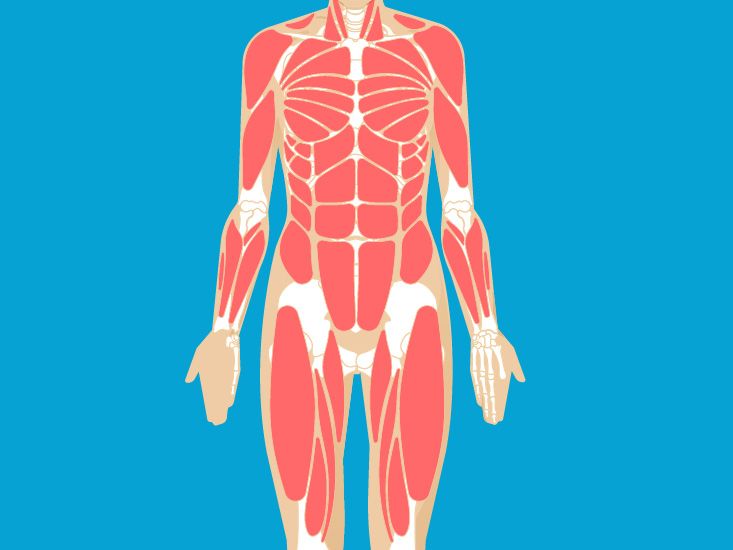
In this guide, we’ll map out the major pelvis muscles, show a clear pelvis muscles diagram (in a way you can
actually read), and explain what each group doesplus how they team up for bladder/bowel control, sexual function,
core stability, posture, and hip movement.
What People Mean by “Pelvis Muscles”
“Pelvis muscles” isn’t one single muscle groupit’s a neighborhood. The big categories are:
- Pelvic floor muscles (pelvic diaphragm): the supportive sling at the bottom of the pelvis.
- Pelvic wall muscles: deep muscles lining the inside of the pelvis (think piriformis and obturator internus).
- Hip-and-pelvis connectors: muscles that attach to the pelvis and drive hip motion (iliopsoas, glutes, adductors, and more).
- Sphincters and perineal muscles: smaller muscles around the urethra/anus and in the perineum that help with continence and sexual function.
The headliners for “pelvic floor function” are the pelvic diaphragm musclesespecially the levator ani
groupbecause they directly support pelvic organs and help manage pressure inside your abdomen.
Pelvis Muscles Diagram: A Text Map You Can Actually Use
Real anatomy is 3D and layered, but a simple diagram can help you orient yourself. Below are two quick views:
a side view (sagittal) and a “from below” view (inferior).
1) Side View (Imagine Looking at the Pelvis from the Side)
2) Inferior View (Looking Up From Underneath)
The big takeaway: the pelvic floor is not a flat sheet. It’s more like a bowl or funnel that can lift
and relax to manage pressure and help open/close the “exits.”
The Pelvic Floor Muscles (Pelvic Diaphragm): The MVPs
If the pelvis is a bowl, the pelvic floor is the bottom that keeps everything from turning into a human Jenga
disaster. The pelvic floor supports pelvic organs, assists with continence, contributes to sexual function, and
helps stabilize the pelvis and spine when you move or load the body.
Levator Ani (The Main Pelvic Floor Group)
The levator ani is typically described in three parts. Together, they form most of the pelvic
diaphragm and wrap around the openings (the “hiatus”) that allow the urethra, vagina (in females), and rectum to
pass through.
-
Puborectalis: forms a sling around the rectum. It helps maintain the anorectal angle, which is a
big deal for fecal continence (yes, geometry matters). -
Pubococcygeus: runs from the pubic bone toward the tailbone and surrounding structures; supports
pelvic organs and helps with lifting/closing actions during continence and sexual function. -
Iliococcygeus: a broader, thinner portion that contributes to the supportive “sling” and helps
elevate the pelvic floor.
Functionally, levator ani muscles don’t just “clench.” They coordinate: they can lift and narrow openings when
appropriate, then relax to allow urination and bowel movements. The best pelvic floors are both strong
and chilllike a bouncer who knows when to be strict and when to open the velvet rope.
Coccygeus (Ischiococcygeus): The Helpful Back-Corner Support
The coccygeus sits more posteriorly (toward the back) and helps complete the pelvic diaphragm near
the tailbone. It contributes to pelvic floor support and can play a role in stabilizing the coccyx area.
Perineal and Sphincter Muscles: The “Control Valves”
While the levator ani provides lift and organ support, smaller muscles and sphincters closer to the openings help
with fine-tuned control.
External Anal Sphincter
A voluntary muscle around the anus that helps maintain continence. It works with puborectalis and other pelvic
floor fibers to keep things closed until you decide otherwise.
External Urethral Sphincter Complex
A set of muscles around the urethra that supports urinary control. It coordinates with the pelvic floor and
breathing/pressure mechanics, especially during coughing, laughing, jumping, or lifting.
Pelvic Wall Muscles: The Deep Stabilizers You Don’t Think AboutUntil You Do
The pelvis isn’t just a floor; it has “walls.” Two important pelvic wall muscles are the piriformis
and obturator internus. These muscles line the inside of the pelvis and attach to the hip, helping
rotate and stabilize the femur.
Piriformis
The piriformis originates from the front of the sacrum and exits the pelvis to attach near the top of the femur.
Its main jobs include hip external rotation (and assisting with stabilization). Because of its relationship with
nearby nerves, irritation or tightness in the region can sometimes be associated with buttock pain or sciatic-like
symptoms (though true piriformis syndrome is often debated and should be diagnosed carefully).
Obturator Internus
The obturator internus lines the lateral pelvic wall and exits the pelvis to help rotate the hip. Its fascia is
also relevant clinically because structures in the pelvic region can travel along these fascial planes. In plain
English: pelvic wall muscles are part of the deep support architecture, not just “hip movers.”
The Hip-and-Pelvis Connectors: When “Pelvis Muscles” Meet Movement
Many powerful movement muscles attach to the pelvis. They aren’t the pelvic floor, but they influence pelvic
position, load, and mechanicsmeaning they can affect how the pelvic floor behaves.
Iliopsoas (Psoas + Iliacus): Hip Flexion and Pelvic Position
The iliopsoas is a major hip flexor. When it’s very tight or overactive, it can contribute to an anterior pelvic
tilt and change pressure strategies through the trunk and pelvis. That doesn’t automatically mean “bad posture,”
but it can influence how your core and pelvic floor coordinateespecially if you’re also sitting a lot.
Glutes: Power, Pelvic Stability, and “Why Squats Feel Weird Today”
Gluteus maximus, medius, and minimus attach to the pelvis and help control hip extension, abduction, and rotation.
Strong glutes often pair well with healthy pelvic mechanics because they share the workload of stabilizing the pelvis
during walking, stairs, and lifting.
Adductors: Not Just “Inner Thighs”
The adductors connect the pelvis to the femur and influence hip stability and pelvic control. They can assist with
pelvic positioning and, in some people, over-recruitment can “mask” weak or poorly coordinated pelvic floor function.
Pelvis Muscles Function: What They Do All Day (Without Asking for Credit)
When people search “pelvis muscles function,” they’re usually looking for the big roles. Here they are, in a way you
can remember.
1) Support Pelvic Organs
The pelvic floor supports the bladder, bowel, and reproductive organs. Support isn’t just “holding up”it’s dynamic:
the pelvic floor responds to changes in pressure when you move, breathe, lift, or jump.
2) Continence (Bladder and Bowel Control)
Continence depends on timing and coordination: pelvic floor lift, sphincter control, and pressure management from the
abdominal wall and diaphragm. For example, when you cough, your body spikes intra-abdominal pressure; a well-timed
pelvic floor response helps prevent leakage.
3) Sexual Function
Pelvic floor muscles contribute to sensation, arousal, and orgasm for many people. They also support erectile and
ejaculatory function in males and vaginal support and comfort in females. Importantly, both weakness and
over-tightness can contribute to sexual discomfortso “stronger” isn’t always the only goal.
4) Core Stability (“The Pressure Canister”)
Many clinicians describe the core as a canister: diaphragm on top, pelvic floor on bottom, abdominal wall around the
sides, and spinal stabilizers at the back. The pelvic floor helps modulate pressure so you can lift a suitcase, brace
for a sprint, or simply stand tall without over-gripping.
5) Pelvic and Hip Motion
Pelvic wall muscles (piriformis, obturator internus) and the hip-and-pelvis connectors (glutes, iliopsoas, adductors)
guide gait mechanics, rotation, and stability. They’re part of why your hips can move freely without your pelvis
wobbling like a shopping cart with one bad wheel.
When Pelvis Muscles Don’t Play Nice: Common Patterns
Pelvic floor disorders and pelvic pain conditions are common and can affect all genders. The pattern usually falls
into one (or a mix) of these categories:
Weakness or Poor Support
This may contribute to urinary leakage (especially with exertion), a feeling of heaviness, or pelvic organ prolapse
symptoms. Risk factors often include pregnancy/childbirth, aging, chronic constipation/straining, higher body weight,
and some surgeries.
Overactivity, Tightness, or Spasm
Pelvic floor muscles can be too tense, which may contribute to pelvic pain, painful intercourse, constipation, or
urinary urgency. In some conditions, levator ani spasm is associated with episodic rectal or pelvic pain.
Coordination Issues
Sometimes the muscles are “strong enough,” but the timing is offlike having a great orchestra where the drummer
keeps coming in early. This can show up as leaking during coughs, difficulty emptying the bladder/bowels, or symptoms
during sports.
How to Use a Pelvis Muscles Diagram to Understand Your Own Body
Anatomy diagrams can feel like a subway map drawn by someone who hates you. Here’s a simpler approach:
- Find the landmarks: pubic bone (front), tailbone/coccyx (back), sit bones/ischial tuberosities (bottom corners).
- Spot the pelvic floor “bowl”: levator ani wraps around openings and attaches near those landmarks.
- Note the pelvic wall muscles: piriformis and obturator internus sit deeper and relate to hip rotation and pelvic sidewall support.
- Remember it’s a system: pelvic floor + abs + diaphragm + hips = function. One diagram can’t show timing, but your body definitely cares about timing.
Practical Examples: Pelvis Muscles in Real Life
Sneezing
A sneeze is basically a surprise pressure test. The pelvic floor and sphincters should reflexively respond to help
maintain continence.
Deadlifting (or Lifting a Child Who Has Suddenly Become a Sack of Potatoes)
Ideally, your pelvic floor and abdominal wall coordinate with breathing/bracing so pressure distributes safely rather
than “punching down” on the pelvic floor.
Postpartum Recovery
Pregnancy and childbirth can stretch or injure supportive tissues. Recovery often benefits from individualized
guidancebecause some people need strengthening, while others need relaxation and re-coordination first.
Smart Next Steps (Without Turning This Into a Medical Drama)
If you have symptoms like persistent leakage, pelvic heaviness/bulging sensations, pain with sex, ongoing constipation
with straining, or pelvic pain that won’t quit, consider speaking with a qualified clinician. Pelvic floor physical
therapy is commonly used to assess strength and relaxation/coordination, then tailor a plan.
And a gentle myth-buster: pelvic floor training isn’t “just do Kegels forever.” Some people benefit from strengthening;
others need down-training, mobility, breathing mechanics, and nervous system calming. The right approach depends on the
pattern.
Conclusion
The pelvis muscles are a coordinated team: the pelvic floor provides support and control, pelvic wall muscles help
stabilize and move the hips, and larger hip-and-core muscles share the load. A good pelvis muscles diagram helps you
locate the playersbut function comes from timing, pressure management, and balanced strength plus the ability
to relax. In other words: the goal isn’t a pelvic floor that’s always “on.” It’s one that’s smart.
Experience-Based Notes (What People Commonly Notice in Real Life)
In pelvic health clinics and rehab settings, one of the most common “aha” moments is realizing the pelvic floor is
not a mysterious separate entityit’s part of your movement and breathing strategy. Many people come in thinking the
pelvic floor is only relevant after childbirth or later in life, then learn it’s working every time they carry a
laundry basket upstairs or brace during a workout. Athletes often notice symptoms during high-impact activities (jumping,
running, heavy lifting) not because they’re “broken,” but because impact and pressure spikes expose coordination gaps.
The fix is frequently less about brute-force strength and more about timing, breath, and technique.
Another common experience: people often assume leakage automatically means “weak pelvic floor,” then they start doing
lots of Kegels and the situation gets… weird. That’s because some symptoms come from muscles that are already
overactive or guarding. In those cases, repeatedly clenching can increase tension and make urgency, constipation, or
discomfort worse. A surprisingly effective early strategy for many is learning how to let gocoordinating a
gentle inhale with pelvic floor relaxation, and using posture and ribcage expansion to reduce “downward pressure.”
When people finally feel the difference between a contraction and a full release, they often describe it as “Oh,
that’s what relaxed is supposed to feel like.”
People also commonly notice that pelvic floor function changes with stress, sleep, and bowel habits. When someone is
chronically constipated, straining becomes a daily “pressure event,” and the pelvic floor may adapt by tightening,
fatiguing, or losing efficient timing. On the flip side, when hydration and fiber improve and straining decreases,
pelvic symptoms sometimes improve faster than expectedbecause you removed the repeated stressor. Similarly, chronic
coughing (from smoking, asthma, or illness) can be an unrecognized training program for pelvic pressure spikes. When
the cough improvesor when someone learns a better bracing/breath strategysymptoms often calm down.
In postpartum stories, a frequent theme is that recovery isn’t linear. Some people feel “mostly fine” until they return
to impact exercise, then discover heaviness or leaking. Others feel tightness and pain early and assume they need to
“strengthen,” when the first helpful step is relaxation and gentle re-coordination. Many people report that the most
valuable part of pelvic floor therapy isn’t a single exerciseit’s the clarity of an assessment: learning whether the
muscles are weak, tight, uncoordinated, or simply fatigued, and getting cues that actually match their body. The
practical win is confidence: coughing without worry, running without planning bathroom routes, and lifting without
feeling like everything is “dropping.”
Finally, people are often relieved to learn pelvic floor concerns are not “just a women’s issue.” Men experience pelvic
floor dysfunction toosometimes after prostate procedures, sometimes with chronic pelvic pain, and sometimes with
performance-related symptoms. Across genders, the best outcomes tend to come from treating the pelvic floor as part of
a whole system: hips, spine, breathing mechanics, bowel/bladder habits, and strength that’s balanced with mobility.
The pelvic floor does not want a lifetime job of compensating for everything elsegive it teammates, and it usually
behaves much better.