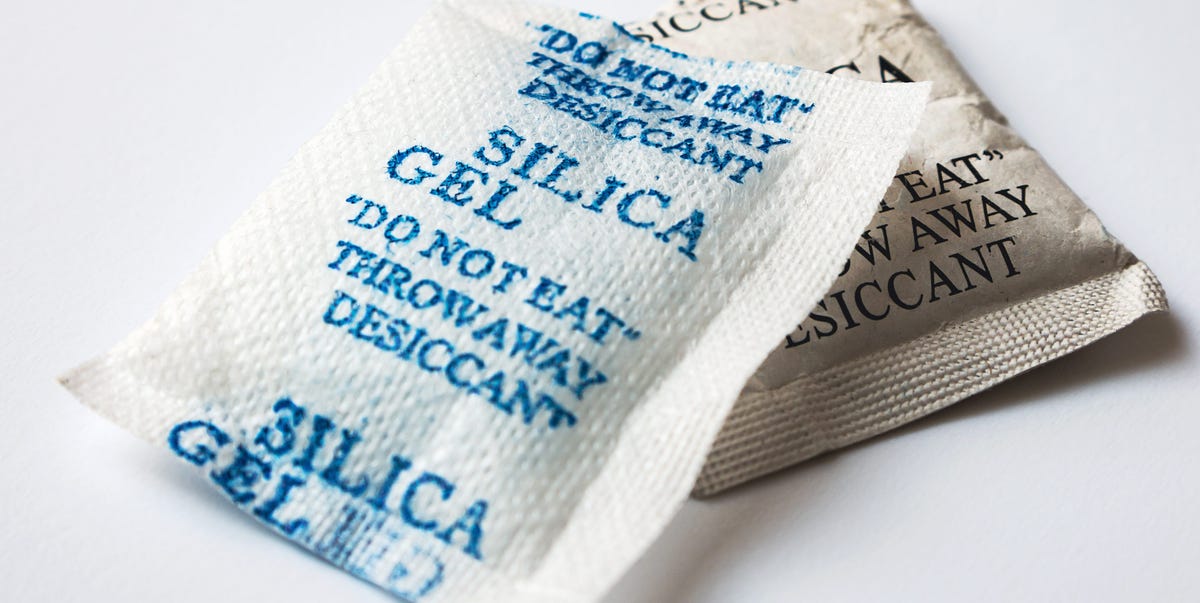
Silica gel pouches are the tiny “Do Not Eat” packets that seem to appear everywhere: shoe boxes, vitamin bottles, electronics packaging, jerky bags, handbags, camera cases, and sometimes that mysterious kitchen drawer where batteries, rubber bands, and hope go to retire. Most people toss them in the trash without a second thought. But these little packets are not useless packaging confetti. They are hardworking moisture absorbers that can help protect items around your home from dampness, musty odors, clumping, rust, and storage damage.
So, what is silica gel, exactly? Despite the word “gel,” it is not a squishy substance. It is usually found as small, hard beads or granules made from a porous form of silicon dioxide. Its superpower is moisture control. Silica gel pulls water vapor from the air inside a sealed space, helping keep that small environment dry. That makes it useful for protecting shoes, documents, tools, electronics, craft supplies, dry pantry goods, and seasonal storage items.
The key phrase is “sealed space.” A silica gel pouch is not a tiny dehumidifier for your whole basement. It cannot rescue a bathroom with no fan, a closet with a roof leak, or a laundry room that feels like a rainforest with towels. But in the right place, used the right way, silica gel is a simple, cheap, and surprisingly clever home helper.
What is silica gel?
Silica gel is a desiccant, which means it is a material that attracts and holds moisture. It is made from silicon dioxide, the same basic compound associated with quartz and sand, but silica gel has a highly porous structure. Imagine a microscopic sponge with countless tiny channels and surface areas where water vapor can cling. That is why a small packet can help keep the air inside a package, jar, box, or storage bin drier than it would be otherwise.
Technically, silica gel works mainly by adsorption, not absorption. Absorption is when one substance soaks into another, like water into a towel. Adsorption is when molecules stick to the surface of a material. Silica gel has an enormous internal surface area, so water vapor has many places to attach. You do not need to remember that distinction to use silica gel well, but it is a fun fact to keep in your back pocket for the next time someone tries to impress you with sourdough terminology.
Why do silica gel packets say “Do Not Eat”?
Most plain silica gel is generally considered non-toxic, but that warning is still important. The packet itself can be a choking hazard, especially for children and pets. If swallowed whole, it may also create a blockage risk. Loose beads can irritate the mouth, skin, eyes, or airways. In other words, silica gel is not usually poisonous, but it is absolutely not a snack. It is the packing material equivalent of a tiny bouncer: useful, dry, and not invited to dinner.
Some silica gel products also contain color-changing indicator beads. These beads change color when the silica gel becomes saturated with moisture. Older blue indicator silica gel may contain cobalt chloride, a chemical that should not be handled casually or used around food, children, or pets. If you are reusing packets at home, stick with plain white silica gel or clearly labeled food-safe, non-toxic, rechargeable desiccant packs.
How do silica gel pouches work around the home?
Silica gel pouches work best in enclosed spaces where the amount of air is limited. A packet placed in an open room will quickly collect moisture from the surrounding air and become saturated. A packet placed inside a sealed plastic storage bin, camera case, document box, jar, toolbox, or zip-top bag can do a much better job because it is managing a small pocket of air.
Think of silica gel as a humidity bodyguard for small spaces. It cannot stop a flood, fix condensation on windows, or replace a dehumidifier. But it can help protect items that are vulnerable to moisture. If you live in a humid climate, store items for months at a time, or keep valuable belongings in closets, garages, luggage, or cabinets, silica gel pouches can be surprisingly handy.
Smart ways to use silica gel pouches around the home
1. Keep shoes fresher between wears
Slip a silica gel pouch into each shoe after wearing, especially sneakers, boots, leather shoes, and dress shoes. The packets can help reduce trapped moisture, which may slow down odor and keep materials from feeling damp. They will not replace cleaning, drying, or proper ventilation, but they can help shoes recover after a sweaty day. Your sneakers may not send you a thank-you card, but they will be less dramatic.
2. Protect leather bags, belts, and wallets
Leather dislikes too much moisture. Store a few silica gel pouches inside handbags, wallets, luggage, and belt storage boxes to help reduce humidity in the enclosed space. This is especially useful when storing leather goods during rainy seasons or in closets that tend to feel damp. Keep packets away from direct contact with delicate finishes if the pouch is dusty or old.
3. Help prevent tool rust
Moisture is one of the main reasons metal tools develop rust. Add silica gel packets to toolboxes, hardware bins, fishing tackle boxes, sewing kits, and drawers with screws, nails, blades, or small metal parts. For best results, use packets inside a closed container rather than tossing them into an open garage drawer. A sealed toolbox with silica gel is far more effective than a packet sitting bravely on a shelf, trying to dehumidify planet Earth.
4. Store important documents and photos
Birth certificates, old family photos, insurance papers, school records, and keepsake letters can be damaged by humidity. Place silica gel pouches in airtight document boxes, archival storage containers, or sealed plastic bins. The goal is to reduce moisture exposure, not to make paper bone-dry forever. For valuable photos or historical documents, use archival-quality storage materials and avoid direct contact between packets and delicate paper surfaces.
5. Protect cameras, lenses, and electronics accessories
Cameras, lenses, microphones, hard drives, memory cards, chargers, and small electronics accessories can suffer from condensation and humidity. Add silica gel packets to camera bags, lens cases, cable organizers, and sealed electronics storage containers. This is especially useful when moving gear between hot, humid outdoor air and cool indoor air. Let electronics adjust gradually when possible, and never use silica gel as a substitute for proper drying after water exposure.
6. Keep craft supplies from clumping or warping
Silica gel pouches are useful in craft storage boxes, especially for beads, paper, stickers, glitter, stamps, sewing needles, yarn accessories, and scrapbooking supplies. Moisture can cause paper to curl, adhesives to weaken, metal pieces to tarnish, and powders to clump. A few packets in a sealed craft bin can help keep supplies in better shape between creative bursts.
7. Reduce clumping in some dry pantry items
Food-safe silica gel packets can be useful in containers of dry goods that easily clump, such as salt, powdered sugar, spices, dried mushrooms, instant coffee, or cocoa powder. Only use packets that are clearly labeled as food-safe, intact, and clean. Do not use random packets from shoe boxes or electronics packaging in food containers. Also, keep packets visible and away from children so they are not accidentally poured into a recipe. Nobody wants “mystery bead brownies.”
8. Store holiday decorations
Holiday ornaments, ribbons, fabric decorations, wreaths, lights, and keepsake décor often spend eleven months in storage. Place silica gel packets in sealed bins to help reduce moisture during long storage periods. This is especially helpful for metal hooks, paper ornaments, handmade decorations, and anything stored in a garage, attic, basement, or shed.
9. Add packets to travel bags
After a trip, suitcases often carry damp swimsuits, toiletries, shoes, or humid air from different climates. Once everything wet is removed and dried, add silica gel packets to your empty luggage before storing it. This can help reduce musty smells and keep the inside of the suitcase fresher. For gym bags and backpacks, use silica gel alongside regular cleaning and airing out.
10. Preserve seeds and garden supplies
Many gardeners store seeds in envelopes, jars, or small containers. Excess moisture can reduce seed quality over time. A small silica gel pouch in a sealed seed storage box can help keep the environment dry. Label the container clearly and keep desiccants away from kids and pets. For best results, store seeds in a cool, dark, dry place.
11. Dry flowers for crafts
Silica gel can be used to dry flowers while helping preserve their shape and color better than simple air drying in many cases. This usually involves loose silica gel crystals rather than tiny packets. Flowers are placed in a container and gently covered with silica gel, then sealed for several days. This method is popular for craft projects, keepsakes, and decorative arrangements. Use dedicated craft silica gel, not random packets collected from packaging.
12. Protect emergency kits
Emergency kits often contain batteries, flashlights, matches, first-aid supplies, documents, and small electronics. Moisture can damage these items over time, especially if the kit is stored in a garage or closet. Silica gel pouches can help protect small sealed emergency containers. Check the kit regularly, replace expired items, and refresh the packets when needed.
How to reuse or recharge silica gel packets
Many silica gel packets can be reused, but not all should be recharged at home. Before heating any packet, check the manufacturer’s instructions. Some packets have paper, plastic, or Tyvek-style wrappers that may not tolerate high heat. Some indicator beads contain additives you may not want in your kitchen oven. If the packet is torn, greasy, dusty, smelly, or unlabeled, discard it.
For packets clearly labeled as rechargeable, a common approach is to place them on a baking sheet and warm them at a low oven temperature until the trapped moisture is driven off. Let them cool completely, then store them in an airtight jar until use. Do not microwave silica gel unless the product instructions specifically say it is safe. Microwaving unknown packets can overheat wrappers, damage seams, or create a mess that no one wants to explain.
How many silica gel pouches should you use?
There is no perfect one-size-fits-all number because it depends on the container size, humidity level, how often the container is opened, and what you are protecting. As a practical rule, use one or two small packets for a shoe box, camera pouch, or small drawer organizer. Use several packets for a medium storage bin, toolbox, or luggage case. For large bins or high-value items, consider buying rechargeable desiccant canisters or larger humidity-control packs instead of relying on tiny leftover packets.
If the container is opened often, the silica gel will saturate faster because fresh humid air keeps entering. If the container is stored in a damp basement, garage, or coastal climate, packets will also need replacement or recharging more often. A small hygrometer can help you monitor humidity if you are protecting valuable tools, camera gear, collectibles, or documents.
Where silica gel should not be used
Silica gel is useful, but it has limits. Do not use it as a solution for active leaks, mold growth, wet carpets, damp drywall, or condensation problems. Those issues require moisture control at the source: ventilation, repairs, dehumidifiers, drainage fixes, or professional remediation when necessary. Silica gel pouches are helpers, not superheroes in capes.
Avoid placing random silica gel packets directly in food unless they are labeled food-safe. Do not put packets where children or pets can reach them. Do not use old blue indicating silica gel in food containers, craft projects for kids, or pet areas. Do not keep packets that have split open. And do not assume a packet is still active just because it looks dry. Once saturated, it stops being useful until replaced or recharged.
Safety tips for using silica gel at home
- Keep silica gel pouches away from children and pets.
- Discard torn, dirty, oily, or unknown packets.
- Use only food-safe packets around dry pantry goods.
- Do not eat, crush, or inhale silica gel beads.
- Avoid older blue indicator beads unless you know exactly what they contain.
- Store unused packets in a sealed jar so they do not absorb room humidity before you need them.
- Use silica gel in closed containers for best results.
Common mistakes people make with silica gel pouches
Mistake 1: Leaving packets out in the open
A packet sitting on an open shelf will become saturated quickly. It is better to place packets inside sealed bags, boxes, bins, cases, jars, or drawers with limited airflow.
Mistake 2: Expecting silica gel to fix a damp room
If your closet smells musty or your basement has condensation, silica gel pouches are too small for the job. Use ventilation, a dehumidifier, leak repairs, and humidity monitoring.
Mistake 3: Using mystery packets with food
A packet from a shoe box does not belong in a jar of cocoa powder. Use only clean, intact, food-safe desiccant packets in pantry containers.
Mistake 4: Forgetting to replace or recharge packets
Silica gel does not work forever without maintenance. If items start feeling damp or odors return, the packets may be saturated.
Frequently asked questions about silica gel
Is silica gel the same as silicone?
No. Silica gel is a porous form of silicon dioxide used as a desiccant. Silicone is a flexible polymer used in sealants, kitchen tools, phone cases, and many other products. They sound similar, but they are not the same material.
Can silica gel remove odors?
Silica gel does not deodorize the way baking soda or activated charcoal can. However, by reducing moisture, it may help prevent the damp conditions that lead to musty smells.
Can I put silica gel in my closet?
You can use it inside closed shoe boxes, storage bins, garment bags, or small containers in the closet. For an entire humid closet, use ventilation, moisture control, and a proper closet dehumidifier if needed.
Can silica gel save a wet phone?
Silica gel may help reduce moisture in a sealed container, but it is not a guaranteed rescue method for water-damaged electronics. Power off the device, avoid charging it, and follow the manufacturer’s water-damage guidance. For valuable devices, professional repair is safer than hoping a handful of packets will perform a miracle.
Should I throw away silica gel packets from medicine bottles?
If a medicine bottle contains a desiccant, it is often there to help protect the product from moisture. Do not eat it, and do not remove it unless the label or pharmacist tells you to. Keep medicines tightly closed and stored as directed.
Practical experiences: what actually works when using silica gel pouches at home
After using silica gel pouches around the home, one lesson becomes clear very quickly: they work best when you stop treating them like magic and start treating them like tiny moisture managers. The most noticeable results often happen in small, closed spaces. For example, a few packets inside a storage bin of holiday decorations can help reduce that stale “attic box” smell. A packet inside a camera case can make the case feel drier after a humid outdoor shoot. A couple of pouches in a toolbox can help slow the annoying orange freckles of rust that appear on metal bits and blades.
The second lesson is that silica gel loves discipline. If packets are scattered loose in drawers, left on shelves, or tossed into open baskets, they do not do much. They quietly absorb whatever moisture is around them, become saturated, and then retire without notice. But when packets are placed inside sealed containers, the difference is more obvious. Shoes stored in boxes stay fresher. Paper items feel less limp. Craft supplies behave better. Even small electronics accessories seem happier when they are not marinating in humid air.
One especially useful habit is keeping a labeled jar for reusable silica gel packets. Every time a clean, intact packet appears in packaging, place it in the jar and close the lid tightly. The label should say something like “Silica Gel Packets Do Not Eat Keep Away From Kids and Pets.” This avoids the classic problem of saving packets in a junk drawer, where they absorb room moisture for months and become useless. A sealed jar turns random packets into an organized home supply.
Another helpful experience is matching the packet to the job. Tiny packets are fine for jewelry boxes, seed envelopes, or small electronics cases. Larger storage bins need several packets or a larger rechargeable desiccant pack. A single pea-sized pouch cannot protect a huge tote full of winter blankets in a damp garage. That is not failure; that is physics wearing sensible shoes.
Silica gel is also great for travel recovery. After unpacking, let luggage air out first, remove anything damp, wipe toiletry spills, and then add a few packets before closing the suitcase for storage. The packets help keep the interior from developing that “airport carpet and forgotten shampoo” aroma. Gym bags benefit from the same routine, although they still need washing. Silica gel can help with moisture, but it cannot forgive three weeks of sweaty socks.
The biggest safety lesson is simple: be picky. Do not reuse packets that are torn, stained, dusty, or filled with colored beads unless you know what they contain. Do not put random packets into food jars. Do not heat mystery packets. When in doubt, throw them out and buy clearly labeled reusable desiccant packs. Silica gel is inexpensive, but safety is cheaper than cleaning melted packet fabric from an oven tray.
Used thoughtfully, silica gel pouches are one of those small household tools that make you feel oddly clever. They do not require batteries, apps, subscriptions, or a motivational podcast. They simply sit in the right container and help keep moisture under control. That may not sound glamorous, but neither does flossing, and everyone agrees it matters.
Conclusion
Silica gel pouches are small, simple, and easy to overlook, but they can be genuinely useful around the home. They are best used in sealed containers where they can control moisture in a limited space. Use them with shoes, tools, documents, electronics, craft supplies, luggage, dry pantry goods, garden seeds, and stored decorations. Keep safety in mind, especially around children, pets, food, and unknown colored indicator beads.
The smartest approach is to save clean packets in a sealed, labeled jar, use them where moisture is most likely to cause problems, and replace or recharge them when they stop working. Silica gel will not fix a damp house, but it can protect the little things that make a house feel organized, cared for, and slightly less chaotic. Not bad for something that usually arrives free in a shoe box.