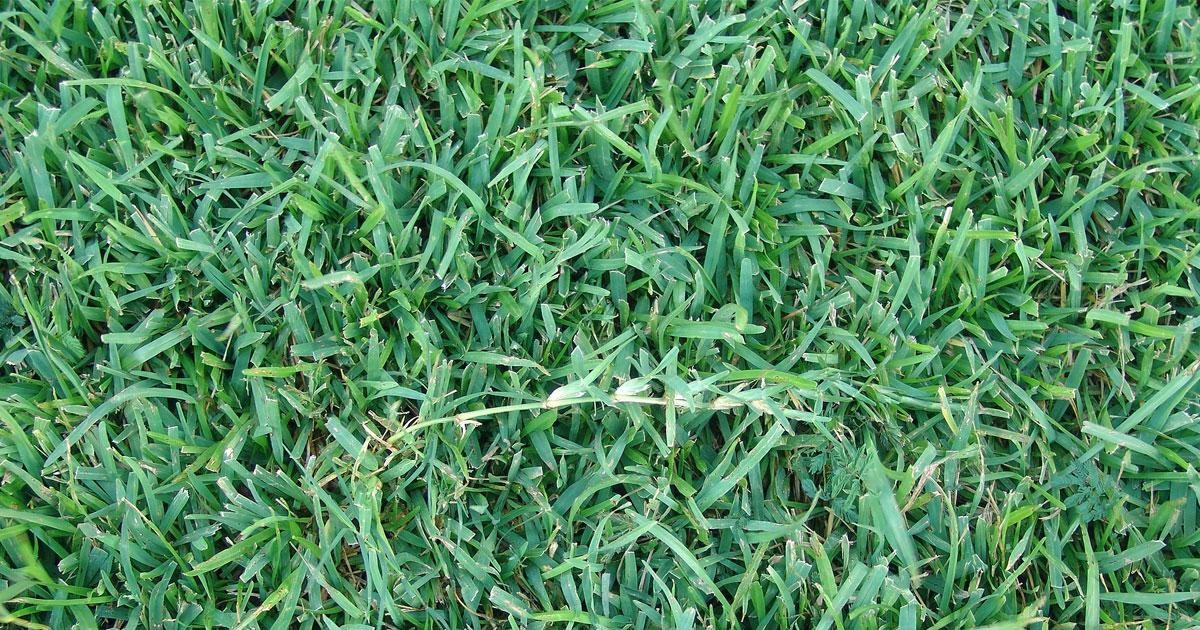
Centipedegrass (Eremochloa ophiuroides) is the lawn equivalent of that friend who looks put-together
without “trying.” It’s famously low-input, prefers to be left alone, and still manages to show up with decent
curb appealespecially across the warm, humid Southeastern U.S. It’s often called “lazy man’s grass,” but
let’s rebrand: it’s efficient.
This guide breaks down how to grow and care for centipede grass the smart way: the right soil pH, mowing height,
watering habits, fertilizing without accidentally wrecking it, and what to do when your lawn develops mysterious
circles that make it look like your yard is auditioning for a crop-circle documentary.
Centipedegrass at a Glance
- Type: Warm-season turfgrass; spreads by stolons (above-ground runners).
- Look: Light green, coarse texture; forms a “looser” turf than some other warm-season grasses.
- Strengths: Low fertilizer needs, less frequent mowing, good performance in acidic soils.
- Weak spots: Traffic, compaction, heavy shade, high soil pH, drought stress, and over-fertilization.
- Best fit: Homeowners who want a solid lawn without turning weekends into a turf management internship.
Where Centipedegrass Grows Best (and Where It Sulks)
Centipedegrass thrives in warm, humid regions with mild winters. It’s widely used in the Southeast because it
tolerates the heat and prefers naturally acidic soils common in many coastal plain areas.
It wants sun. It can handle some filtered or intermittent shade, but heavy shade leads to thinning,
weak growth, and a lawn that looks like it’s trying to ghost you. If you have dense tree canopy, you’ll either
need to prune for light or consider a more shade-tolerant turf option.
Traffic Reality Check
If your backyard is a daily soccer field, a dog racetrack, or a neighborhood party zone, centipedegrass will
struggle. It’s not built for constant wear. Think “quiet front yard” more than “Super Bowl halftime.”
Soil Prep: The Secret Sauce Is pH (Yes, Really)
Centipedegrass is unusually picky about soil pH, and that pickiness is the reason many lawns fail even when the
owner is “doing everything right.” The big rule: don’t guesstest.
Target Soil pH (and Why High pH Causes Drama)
Centipedegrass generally performs best in acidic soil. When pH creeps too high, the grass may turn pale
or yellow (often from iron becoming less available), and overall vigor drops. That’s why routine liming “because
my neighbor does it” can backfire.
What to Do Before Planting
- Get a soil test for pH and nutrients (especially phosphorus).
- Fix drainage issues (centipede doesn’t love soggy feet, and wet conditions invite disease).
- Remove debris and loosen compacted areas so stolons can root and spread.
- Level the surfacecentipede lawns look best when mowing is smooth and consistent.
How to Establish Centipedegrass: Seed, Sod, or Plugs
Option 1: Sod (Fast Results)
Sod gives you instant coverage and fewer weed opportunities up front. It’s the quickest route to “my lawn looks
like I have my life together.” But it costs more and still needs proper watering while it roots.
Option 2: Plugs or Sprigs (Budget-Friendly, Slower Fill-In)
Plugs are a great compromise if you can be patient. The key is spacing and aftercare: plugs need consistent
moisture early on so they don’t stall.
Option 3: Seed (Cheapest, Slowest, and Requires Zen)
Centipedegrass can be grown from seed, but it’s slow to establish. Germination takes time, and a full, dense lawn
can take multiple seasons. Seeding works best when you can keep the seedbed consistently moist without turning it
into a swamp.
Timing: When to Plant
Warm-season grasses establish best when soil temperatures are warm and growth is activetypically late spring into
summer. Planting too early can mean slow rooting; planting too late can mean the grass doesn’t store enough energy
before cooler weather.
Watering Centipedegrass: “One Inch” (But Smarter)
Once established, centipedegrass needs consistent moisture but not constant watering. A common baseline is about
1 inch of water per week (including rainfall) during active growth, adjusted for your soil type and
weather. The goal is to water deeply enough to wet the root zone, then wait until the lawn actually needs it.
How to Tell When It Needs Water
- Footprints linger instead of springing back.
- The lawn takes on a dull, bluish-green cast.
- Leaves begin to fold or roll slightly.
- Patches start thinning or wilting during hot afternoons.
New Sod/Plugs Need “Frequent Light Watering” First
Establishment watering is different: new sod or plugs need frequent irrigation early on to prevent drying while roots
knit into the soil. As rooting improves, transition toward deeper, less frequent watering.
Pro tip: Water early in the morning. Night watering extends leaf wetness and invites disease. Midday
watering wastes water to evaporation and still won’t fix poor rooting.
Mowing: The #1 Habit That Keeps Centipedegrass Happy
Centipedegrass doesn’t need aggressive mowing, but it does need consistent mowing at the right height. Scalping it
too low stresses the grass, weakens rooting, and can encourage problems like large patch.
Recommended Mowing Height
- Typical range: about 1 to 1.5 inches for many home lawns, depending on site conditions and mower type.
- Mow often enough that you remove no more than 1/3 of the leaf blade at a time.
Mulch the Clippings (Usually)
Mulching clippings returns nutrients and helps reduce fertilizer demand. Bag only if clumps are heavy or if disease
is active and you’re trying to reduce spread.
Fertilizing Centipedegrass Without Causing “Decline”
Here’s where many lawns go wrong: centipedegrass is low-nitrogen by nature. Too much fertilizerespecially
nitrogencan lead to excess thatch, more pest/disease pressure, and the classic centipedegrass “decline” pattern
(weak turf that thins out and struggles).
How Much Nitrogen Does It Need?
Many established centipedegrass lawns do well with about 1 pound of nitrogen per 1,000 sq ft per year,
sometimes up to 2 pounds in very sandy soils or high rainfall zones. More is not better. With centipedegrass,
“more” often translates to “more problems.”
When to Fertilize
- Start after the lawn is fully green and actively growing (spring green-up timing varies by region).
- Use smaller doses spaced out rather than one big hit.
- Avoid nitrogen too close to dormancy in fall and avoid heavy nitrogen during early spring green-up.
Phosphorus: Only If a Soil Test Says So
Many soils already have sufficient phosphorus. Applying it “just because” can contribute to nutrient imbalance and
doesn’t necessarily make your centipedegrass happier. Soil testing is the adult version of guessingand it’s cheaper
than re-sodding.
Yellowing Lawn? It Might Be Iron (or pH)
Centipedegrass often shows iron chlorosis (yellowing), especially when pH is too high. Iron applications can darken
color temporarily without pushing growth the way nitrogen does. But if pH is the root cause, iron is a cosmetic fix
like putting a nice hat on a headache.
Weed Control: Keep It Gentle and Timed Right
A healthy, properly mowed centipedegrass lawn can crowd out many weeds. But because centipedegrass can be sensitive
to certain herbicides, you’ll want to be careful and always use products labeled safe for centipedegrass in your state.
Weed Prevention Basics
- Maintain the correct mowing height to shade weed seedlings.
- Water deeply and infrequently to encourage stronger turf, not weed-friendly shallow roots.
- Don’t over-fertilizelush growth can invite weeds and disease.
- Overseeded bare spots should be repaired quickly to reduce openings.
Common Pests and Diseases (and What They Look Like)
Ground Pearls
Ground pearls are subterranean insects that feed on roots and can cause yellowing and thinning that worsens during dry
spells. Damage can appear in patches and can mimic other issues, which is why diagnosis matters.
Nematodes
Nematodes feed on roots, leading to thinning, weak growth, wilting, and irregular patches that don’t respond well to
watering or fertilizer. The only way to confirm nematodes is through testingsymptoms can resemble many other problems.
Large Patch
Large patch is a common disease on centipedegrass, often most visible during cool, wet periods in fall and spring.
It’s favored by excessive nitrogen during those seasons, poor drainage, over-irrigation, and mowing too low.
Centipedegrass Decline
“Decline” isn’t a single pathogenit’s a management failure pattern. Common triggers include over-fertilizing,
excessive thatch, high soil pH from unnecessary lime, and stress from drought, cold snaps, or compaction. The fix is
almost always: soil test, correct pH, reduce nitrogen, mow correctly, and water appropriately.
Troubleshooting: What Your Lawn Is Trying to Tell You
Problem: Yellow Lawn
- Possible causes: High pH/iron chlorosis, nutrient imbalance, stress, or early disease pressure.
- Smart move: Soil test first; consider iron only after checking pH and phosphorus levels.
Problem: Circular Dead/Thin Rings
- Possible causes: Large patch, insects like ground pearls, nematodes, or even competition from tree roots.
- Smart move: Look at timing (cool/wet season points toward large patch), check irrigation, and consider diagnostic testing.
Problem: Thatch Buildup
- Possible causes: Too much nitrogen, too much water, mowing too low, or too little microbial breakdown.
- Smart move: Reduce fertility, improve watering practices, and consider core aeration if compaction is present.
Seasonal Care Calendar (Simple Version)
Spring
- Wait for green-up before fertilizing.
- Start mowing as growth resumes; keep blades sharp.
- Repair thin spots once warm conditions stabilize.
Summer
- Water when the lawn shows drought stress signals; aim for deep soakings, not daily sprinkles.
- Mow consistently at the right height.
- Use fertilizer sparingly and only if needed.
Fall
- Ease off nitrogen as growth slows.
- Watch for large patch during cool, wet spells; avoid late-season overwatering.
- Keep leaves cleared to prevent smothering.
Winter
- Limit traffic on dormant turf.
- Plan a soil test for spring adjustments.
Real-World Experiences: What It’s Like Living With Centipedegrass (Bonus )
If you ask homeowners why they chose centipedegrass, the answer is rarely a poetic monologue about turf texture.
It’s usually something like, “I wanted a lawn… but I also wanted my weekends back.” And honestly? That’s the right
energy. Centipedegrass tends to reward people who keep their hands out of the cookie jarmeaning: less tinkering,
fewer “miracle” products, and a lot more patience.
One of the first surprises for new centipedegrass owners is the color. It’s often a lighter green than neighbors’
lawns planted with other warm-season grasses. That’s not automatically a problem; it’s partly the grass’s natural
look. The trouble starts when someone tries to “force” a darker green by dumping nitrogen. For a few weeks, the lawn
may look like it just got a professional makeover. Then the grass starts producing extra thatch, disease pressure
creeps in, and suddenly you’re in a relationship with your mower again. Many people learn the hard way that
centipedegrass likes a steady, modest lifestylethink “small doses” and “only if needed.”
Watering is the second common learning curve. Because centipedegrass has a relatively shallow root system, it can
show drought stress faster than some other warm-season lawns. That often leads people to overcorrect with frequent
watering. The lawn might look better for a moment, but shallow, frequent irrigation trains shallow roots and keeps
the canopy wettwo things you don’t want. Homeowners who get the best long-term results often adopt a simple rhythm:
watch for stress signs (footprints, dull color), water early in the morning, and water deeply enough to recharge the
soil. That “observe first, then act” approach is basically the centipedegrass mindset in a nutshell.
Another real-life pattern: “Why does it thin out near the tree?” In many yards, centipedegrass looks great in open
sun but struggles under big trees or along root-heavy areas. Sometimes it’s shade, sometimes root competition for
water, sometimes both. People often try to fix it with fertilizer, but it usually responds better to practical
changespruning for light, improving irrigation coverage in that zone, and accepting that deep shade might need a
different groundcover. The lawn isn’t being stubborn; it’s just operating under different conditions.
Finally, the most relatable experience: the slow fill-in. Whether you seeded or plugged, centipedegrass can take its
sweet time. It’s not a “weekend project, done by Tuesday” kind of grass. But that slow, steady spread is part of why
it stays lower-maintenance once established. Homeowners who succeed usually treat the first season like a setup
phaseconsistent watering early, correct mowing once rooted, minimal fertilizer, and quick repairs to bare spots.
By the second season, it often starts behaving like the low-input lawn you were promised.
Conclusion: The Low-Drama Path to a Great Centipedegrass Lawn
Centipedegrass is at its best when you manage it like a minimalist: keep soil pH in its comfort zone, mow at the
right height, water deeply when needed, and fertilize lightlyif at all. Do that, and you’ll get a lawn that looks
good without demanding constant attention. Do the opposite, and centipedegrass will politely (but firmly) fall apart.