A small kitchen can feel like a cruel puzzle: three pans, one cutting board, half a drawer, and a refrigerator door that opens directly into your shin. But here is the good news: a tiny kitchen does not need more square footage to become more beautiful, practical, and joyful. It needs smarter decisions, better light, ruthless organization, and a little design magic.
A small kitchen magical makeover is not about waving a wand and pretending the microwave no longer lives on the counter like an unpaid roommate. It is about transforming every inch into a useful, attractive, hardworking part of the room. With the right layout, paint colors, storage ideas, lighting, and finishing touches, even a compact kitchen can feel open, efficient, and surprisingly luxurious.
This guide breaks down how to remodel, refresh, and reorganize a small kitchen without turning your life into a construction documentary. Whether you rent, own, or simply dream while staring at peel-and-stick backsplash samples at midnight, these small kitchen makeover ideas will help you create a space that looks bigger, works harder, and makes cooking feel less like competitive gymnastics.
Why Small Kitchens Have Big Makeover Potential
Small kitchens are often easier to upgrade than large kitchens because every improvement is noticeable. Replace outdated cabinet hardware, and the whole room looks sharper. Add under-cabinet lighting, and suddenly your countertop stops resembling a cave. Paint the cabinets, organize the drawers, or install a compact prep table, and the kitchen instantly feels more intentional.
The secret is focus. In a small kitchen, there is no room for “maybe someday” gadgets, bulky furniture, or decorative objects that only exist to collect dust and silently judge your pasta choices. Every item should earn its place. When storage, workflow, and style work together, the kitchen becomes less cramped and more charming.
Start With a Kitchen Reality Check
Before choosing tile, paint, or shiny brass knobs that make your heart do a tiny HGTV dance, study how your kitchen actually behaves. Where does clutter gather? Which drawer makes you angry? Do you have enough prep space near the sink? Can two people move around without performing an awkward kitchen tango?
A smart small kitchen renovation starts with observation. Track your daily routine for a few days. Notice where you chop vegetables, unload groceries, make coffee, wash dishes, and store cookware. If the coffee mugs live across the room from the coffee maker, that is not a design choice; that is a morning obstacle course.
Create Work Zones
The classic kitchen work triangle connects the sink, refrigerator, and cooking surface. In modern kitchens, especially small ones, it can be more useful to think in zones: prep, cooking, cleaning, storage, and beverage. Each zone should have the tools it needs nearby. Store knives, cutting boards, mixing bowls, and trash bags near the prep area. Keep pans, spatulas, oils, and spices close to the stove. Place dishes and flatware near the dishwasher or drying rack.
This simple shift can make a small kitchen feel calmer immediately. You are not adding space; you are reducing wasted motion. That is makeover magic with comfortable shoes on.
Declutter First: The Cheapest Makeover Trick
Decluttering is not glamorous, but neither is digging through five mystery lids to find the one container that actually has a bottom. In a small kitchen, clutter steals light, counter space, and peace. The fastest way to make the room feel larger is to remove what you do not use.
Start with the countertops. Keep only daily-use items visible: maybe a coffee maker, a toaster, a utensil crock, or a fruit bowl. Everything else should move into cabinets, drawers, shelves, or a nearby storage zone. If you use the blender once every three weeks, it does not deserve premium real estate.
Use the “Frequency Rule”
Store items based on how often you use them. Everyday tools belong at eye level or within easy reach. Weekly items can live in standard cabinets. Holiday platters, giant stockpots, and the waffle maker you use twice a year can go higher, lower, or outside the kitchen entirely.
This one rule improves function immediately. It also prevents the classic small-kitchen problem of storing the most-used skillet behind a tower of things that only appear during Thanksgiving.
Paint: The Small Kitchen Spell That Works Fast
Paint is one of the most powerful small kitchen makeover tools because it changes mood, light, and visual size without moving walls. Light colors are popular for compact kitchens because they bounce light around and create an airy feeling. Soft white, warm cream, pale gray, misty blue, and gentle sage can make cabinets and walls feel fresh rather than heavy.
That does not mean every small kitchen must be all white. A small kitchen can handle color if the palette is cohesive. Try darker colors on lower cabinets and lighter tones above. Use a bold shade on an island, open shelf backing, or backsplash zone. The goal is not to erase personality; it is to keep the room from looking like seven different design ideas got into a food fight.
Cabinet Paint Can Change Everything
If the cabinets are structurally sound but visually tired, painting them can create a dramatic transformation. Shaker-style doors, simple flat-front cabinets, and older wood cabinetry can all benefit from the right prep, primer, and durable finish. Add new hardware, and the cabinets may look custom without the custom-cabinet price tag.
For a timeless small kitchen makeover, consider soft neutrals, muted greens, warm taupes, or classic navy used carefully. Choose a washable finish, especially near the stove and sink, because real kitchens involve sauce splatter, fingerprints, and the occasional pancake incident.
Lighting: Make the Kitchen Look Bigger and Work Better
Poor lighting can make even a beautiful kitchen feel cramped. Small kitchens need layered lighting: ambient light for the whole room, task lighting for work surfaces, and accent lighting for depth. This is where the magic really starts to glow.
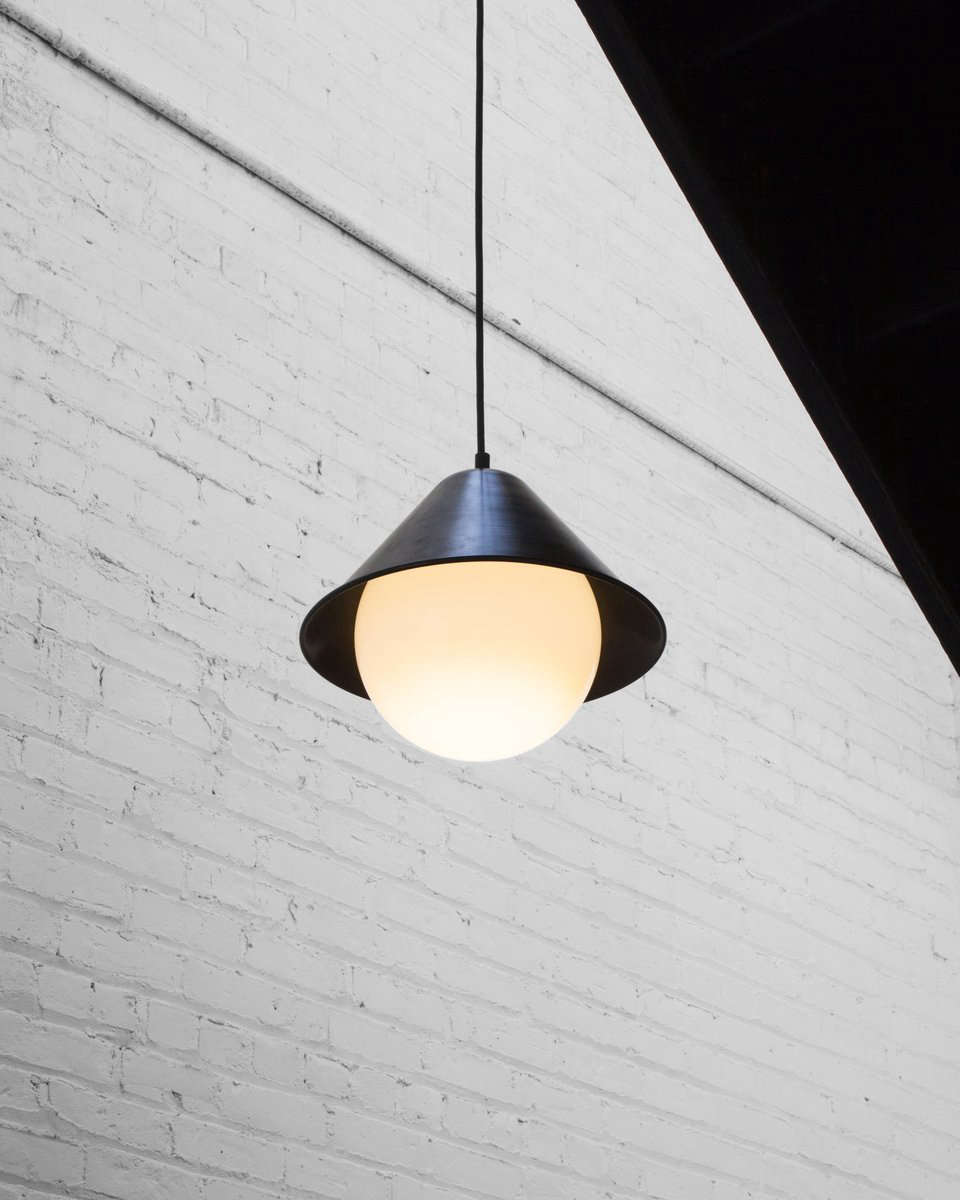
Under-cabinet lighting is especially helpful because it brightens the counters where you chop, mix, read recipes, and wonder why garlic skin sticks to everything except the trash can. LED strip lights, puck lights, or hardwired fixtures can make a kitchen feel modern and practical. Add a ceiling fixture that spreads light evenly, then consider a small pendant over a sink, peninsula, or compact dining nook.
Use Reflective Surfaces Wisely
Glossy tile, satin paint, glass cabinet doors, polished hardware, and light countertops can reflect light and make a small kitchen feel more open. You do not need everything to shine like a disco ball. A few reflective surfaces are enough to lift the room visually.
Storage That Feels Like Wizardry
A small kitchen makeover succeeds or fails on storage. The best storage ideas are not just about fitting more things into the kitchen. They are about making the right things easier to see, grab, and put away.
Go Vertical
Walls are valuable storage space. Install floating shelves for dishes, spices, cookbooks, or attractive pantry containers. Add rails with hooks for utensils, mugs, or small pans. Use a pegboard for frequently used tools, but keep it edited so it looks stylish instead of like a garage sale climbed the wall.
If your cabinets stop short of the ceiling, use the top area intentionally. Store baskets, serving pieces, or rarely used items there. For a cleaner look, choose matching bins or boxes. Random piles above cabinets can make the kitchen look smaller, while coordinated storage can make it look planned.
Upgrade Cabinet Interiors
The inside of cabinets matters as much as the outside. Add pull-out shelves, drawer dividers, lazy Susans, lid organizers, shelf risers, and vertical dividers for baking sheets. These small kitchen storage ideas reduce the dreaded “cabinet avalanche,” where one pot lid falls and suddenly the room sounds like a marching band accident.
Corner cabinets are especially tricky. A lazy Susan, pull-out organizer, or swing-out shelf can turn a black hole of forgotten mixing bowls into usable storage. Deep drawers are excellent for pots, pans, dishes, and food containers because they let you see everything from above.
Countertops: Keep Them Clear, Useful, and Beautiful
Counter space is precious in a small kitchen. Treat it like beachfront property. Keep it clear, durable, and easy to clean. If replacing countertops is in the budget, choose a material that suits your lifestyle. Quartz, butcher block, laminate, solid surface, and stone each have different costs and maintenance needs.
If a full replacement is not possible, improve what you have. Re-caulk edges, repair chips, add a large cutting board over a portion of the sink, or use a rolling cart as extra prep space. A slim cart can act as a movable island, coffee station, baking center, or serving station. It is the small kitchen equivalent of a helpful sidekick.
Backsplash Ideas That Bring the Magic
A backsplash can make a small kitchen feel finished. Subway tile remains popular because it is clean, classic, and flexible. But small kitchens can also shine with zellige-style tile, marble-look porcelain, beadboard, peel-and-stick tile, stainless steel, or a continuous slab-look surface.
For a budget-friendly small kitchen makeover, peel-and-stick backsplash tiles can add style without major renovation. Renters should check product details and landlord rules first. Homeowners can consider ceramic tile for durability or a simple painted backsplash using scrubbable paint in a high-use area.
Keep the Look Continuous
Visual breaks can make a compact kitchen feel choppy. A backsplash that runs cleanly from counter to cabinet, or even up to the ceiling behind open shelves, can make the room feel taller and more polished. Matching grout to tile can create a calmer look, while contrasting grout adds pattern and energy.
Choose Appliances That Respect the Room
Small kitchens need appropriately sized appliances. A giant refrigerator in a tiny kitchen can dominate the layout and interrupt traffic flow. Counter-depth refrigerators, slim dishwashers, compact ranges, drawer microwaves, and combination appliances can save space while keeping function high.
Think carefully before adding more countertop appliances. Air fryers, espresso machines, stand mixers, toaster ovens, and blenders are useful, but they add visual clutter fast. If you love them, create an appliance garage, cabinet shelf, pantry zone, or pull-out platform so the counter stays calm.
Small Islands, Carts, and Cook’s Tables
Not every small kitchen needs an island. In fact, forcing an island into a tight kitchen can make the room feel less functional. You need enough clearance to open appliances, move safely, and work comfortably. When space is limited, consider a narrow island, rolling cart, peninsula, wall-mounted drop-leaf table, or small cook’s table.
A freestanding table can add charm and flexibility. It can become a prep zone, breakfast spot, homework corner, or serving station. Choose a piece with open legs to keep the room visually light. Bonus points if it includes shelves, drawers, or a lower rack for baskets.
Flooring That Makes a Small Kitchen Flow
Flooring affects how large a kitchen feels. Continuous flooring from the kitchen into nearby rooms can create a smoother visual flow. Large-format tile, narrow wood planks, luxury vinyl plank, and simple patterns can work well in compact spaces.
If replacing floors is not in the budget, a washable runner can add warmth, color, and comfort underfoot. Choose a low-profile rug with a nonslip pad. Your kitchen should feel cozy, not like a surprise skating rink.
Add Personality Without Adding Clutter
A small kitchen should not feel sterile. Personality is what turns a practical room into a place you enjoy. Add art, plants, colorful cookware, a patterned shade, beautiful dish towels, or one statement light fixture. The trick is choosing fewer, better accents.
Instead of scattering decor everywhere, create one or two focal points. A bold backsplash, warm wood shelf, vintage rug, painted cabinet color, or charming pendant can give the kitchen character without crowding it.
Budget-Friendly Small Kitchen Makeover Plan
You do not need to remodel everything at once. Here is a practical sequence for a small kitchen magical makeover:
Phase 1: Clean and Edit
Remove unused tools, expired pantry items, duplicate utensils, and appliances you rarely touch. Clear the counters and reorganize zones.
Phase 2: Improve Storage
Add drawer dividers, shelf risers, cabinet organizers, hooks, rails, and labeled pantry containers. Use vertical wall space where possible.
Phase 3: Upgrade Light
Replace dim bulbs, add under-cabinet lighting, and consider a better ceiling fixture. Lighting often delivers the biggest visual improvement for the money.
Phase 4: Refresh Surfaces
Paint cabinets or walls, update the backsplash, re-caulk countertops, and replace outdated hardware. These changes create the “after photo” feeling.
Phase 5: Add Style
Bring in a runner, plants, open shelves, art, or a compact table. Keep the final layer intentional and easy to maintain.
Common Small Kitchen Makeover Mistakes to Avoid
The biggest mistake is adding before subtracting. Buying organizers before decluttering simply gives clutter a nicer apartment. Start by removing items, then choose storage based on what remains.
Another mistake is ignoring scale. Oversized lights, bulky stools, deep shelves, large islands, and heavy upper cabinets can make the room feel squeezed. Choose pieces that match the kitchen’s proportions.
Finally, avoid over-personalizing permanent features if resale matters. A wild backsplash may be fun now, but future buyers might not share your passion for neon flamingo tile. Use bold personality in easier-to-change elements like paint, art, rugs, and accessories.
Real-Life Experience: What a Small Kitchen Makeover Actually Feels Like
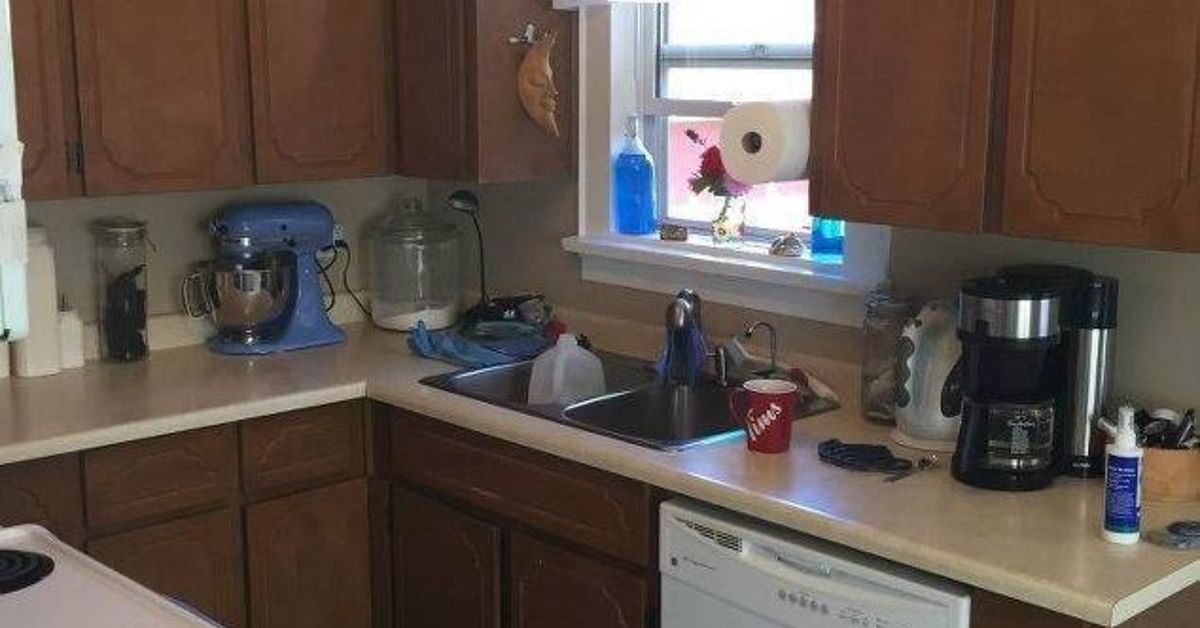
A small kitchen makeover often starts with frustration, not inspiration. You open a drawer and it jams because a spatula has turned sideways. You try to cook dinner, but there is no counter space because the toaster, blender, mail pile, and one mysterious charger have formed a tiny civilization. At some point, you realize the kitchen is not small because of its measurements only. It feels small because everything is fighting for attention.
The most satisfying makeover experience usually begins with one simple action: clearing the counters. The first time you remove the extra appliances, random papers, and decorative items that are not pulling their weight, the room exhales. You suddenly see the backsplash again. The countertop looks longer. Even the sink seems more respectable, as if it has recently attended a self-improvement seminar.
Next comes the cabinet discovery phase, which can be humbling. Many people find duplicate measuring cups, three nearly identical peelers, plastic containers with no lids, lids with no containers, and spices old enough to remember a different phone charger era. This part is not glamorous, but it is powerful. Once the cabinets are edited, organizers actually work. A shelf riser doubles usable space for mugs. A vertical divider makes baking sheets easy to grab. A pull-out bin turns the under-sink zone from chaos cave into functional storage.
Lighting is often the emotional turning point. Under-cabinet lights make a small kitchen feel instantly more expensive and more usable. Chopping vegetables becomes easier. The backsplash looks better. The entire room feels warmer at night. It is one of those upgrades that makes you wonder why you waited so long, followed immediately by the urge to show every guest by flipping the switch dramatically.
Paint and hardware bring the visible magic. Old cabinets can look surprisingly fresh with a careful coat of paint and simple new pulls. The room does not just look cleaner; it feels more loved. A small kitchen responds beautifully to these changes because there are fewer surfaces, so every improvement has impact. A $6 knob can do more in a tiny kitchen than a grand gesture in a large one.
The final experience is learning how the kitchen wants to function. Maybe the coffee station belongs near the mugs, not across the room. Maybe the cutting board should live beside the sink. Maybe the rolling cart is better as a prep station than a storage dump. A successful small kitchen magical makeover is not a one-day trick; it is a conversation with the space. You adjust, test, move, and refine until the room finally supports your daily life.
And when it works, it really works. Cooking feels smoother. Cleaning takes less time. Groceries have a home. The kitchen looks brighter in photos and better in person. Most importantly, the room stops apologizing for being small. It becomes efficient, charming, and full of personality. That is the real magic: not making a small kitchen pretend to be huge, but helping it become the best version of itself.
Conclusion
A small kitchen magical makeover is not about size. It is about strategy. By improving layout, decluttering surfaces, adding layered lighting, using vertical storage, refreshing cabinets, and choosing appropriately scaled furniture and appliances, you can create a kitchen that feels bigger, brighter, and more enjoyable every day.
The best small kitchen design ideas combine beauty with common sense. Keep what you use, store it where you need it, brighten the room, and let a few stylish details shine. Your kitchen may still be compact, but it can become practical, polished, and full of charm. In other words, small kitchen, big magic.