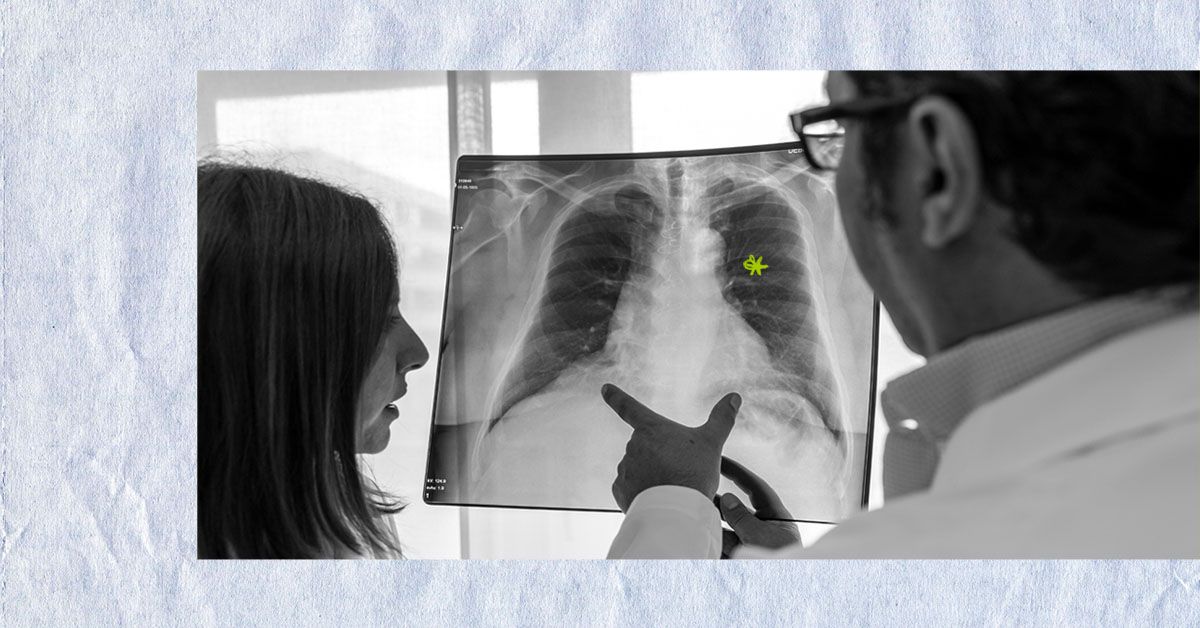
Hypomimia, also called facial masking or masked facies, is one of the most misunderstood symptoms of Parkinson’s disease. It can make a warm, interested, perfectly engaged person look serious, tired, bored, or even annoyed. In other words, Parkinson’s can give the face a bad public-relations department.
For people living with Parkinson’s disease, facial gestures are not just “expressions.” They are part of communication, identity, humor, affection, confidence, and daily connection. A smile says “I’m glad you’re here.” Raised eyebrows say “Tell me more.” A quick blink, grin, or laugh can carry half a conversation before anyone says a word. When Parkinson’s reduces these automatic facial movements, the person’s inner feelings may remain rich and active, but the face may not broadcast them clearly.
This article explains what hypomimia is, why it happens in Parkinson’s disease, how it affects relationships, how doctors evaluate it, and what practical strategies may help people communicate more clearly.
What Is Hypomimia?
Hypomimia means reduced facial expressiveness. In Parkinson’s disease, it often appears as a “masked” face: fewer smiles, less eyebrow movement, reduced blinking, flatter emotional expression, and a face that may seem still even when the person is listening closely or feeling something deeply.
The key point is this: hypomimia does not mean the person has no emotion. It means the face is not moving as automatically or as strongly as it used to. Someone with Parkinson’s may feel amused, excited, grateful, or concerned, but the facial muscles may not deliver the message on timeor at full volume.
Think of it like a phone on low signal. The message is there. The meaning is there. The person is there. But the signal between feeling and facial expression has become weaker.
Common Signs of Hypomimia
- Less frequent smiling or smiling that appears smaller than intended
- Reduced eyebrow movement during surprise, concern, or interest
- Less blinking, which may make the stare seem intense
- A neutral or serious-looking face during normal conversation
- Less visible reaction to jokes, greetings, or emotional moments
- Reduced mouth movement while speaking
- A flat or “blank” expression that others may misread
Why Parkinson’s Disease Affects Facial Gestures
Parkinson’s disease is best known for tremor, stiffness, slow movement, and balance problems. But it can also affect smaller and more automatic movements, including facial gestures. The face has many small muscles that work together quickly and subtly. A normal smile, for example, is not just “mouth corners go up.” It may involve the cheeks, eyelids, brow, jaw, timing, and emotional context. Basically, your face is running a tiny orchestra. Parkinson’s can make the orchestra play at half speed.
The main movement problem behind hypomimia is often related to bradykinesia, or slowness of movement, and rigidity, or stiffness. These Parkinson’s features can reduce spontaneous facial movement. The result is not paralysis in the usual sense; it is more like the face becomes less automatic, less fluid, and less expressive.
Parkinson’s disease involves changes in brain circuits that help regulate movement, especially circuits influenced by dopamine. Dopamine is important for smooth, coordinated movement. When dopamine-producing cells are affected, movements may become slower, smaller, or harder to initiate. That can include the small movements that create facial expression.
Hypomimia Is Not the Same as Depression or Disinterest
One of the biggest problems with facial masking in Parkinson’s disease is that other people may interpret it incorrectly. A person with hypomimia may look sad when they are not sad. They may look angry when they are simply concentrating. They may look uninterested when they are actually fascinated and mentally taking notes like a detective in a mystery novel.
This misunderstanding can be painful. Friends may ask, “Are you upset with me?” Family members may say, “You never seem happy anymore.” Coworkers may think the person is cold or disengaged. Meanwhile, the person with Parkinson’s may feel completely normal inside and wonder why everyone has suddenly become a mind reader with poor reception.
Depression and apathy can also occur in Parkinson’s disease, so mood changes should never be ignored. However, a masked face alone does not prove depression, dementia, anger, or lack of interest. It is a motor symptom that affects nonverbal communication.
How Facial Masking Affects Daily Life
Facial gestures are social shortcuts. They help people understand tone, intent, warmth, humor, and empathy. When these cues become reduced, conversations can feel harder for both sides.
In Family Relationships
Family members often notice hypomimia before anyone names it. A spouse may say, “You don’t smile at me like you used to.” A grandchild may ask, “Are you mad?” A caregiver may feel emotionally distant from someone they love, even though the person with Parkinson’s still feels connected.
These moments can be repaired with education. When families understand that facial masking is a Parkinson’s symptom, they can stop taking it personally. The person with Parkinson’s can also learn to use more verbal reassurance, such as, “I’m enjoying this, even if my face is being lazy today.” Humor can help. So can honesty.
In Medical Appointments
Hypomimia can also affect healthcare visits. A clinician who does not recognize facial masking may underestimate pain, anxiety, or emotional distress. If a patient’s face looks calm, the provider may assume everything is fine. That is why people with Parkinson’s and their care partners should describe symptoms clearly, even when the face does not show them.
In Public and Work Settings
At work, facial masking may make someone appear less enthusiastic during meetings or interviews. In public, strangers may misread a reduced smile as rudeness. These reactions can lead to embarrassment, isolation, or social withdrawal. The person may start speaking lessnot because they have nothing to say, but because communication becomes tiring.
Can Hypomimia Be an Early Sign of Parkinson’s Disease?
For some people, facial masking may appear early in Parkinson’s disease, sometimes before diagnosis. It may occur along with other subtle signs such as smaller handwriting, reduced arm swing while walking, a softer voice, stiffness, slower movements, or changes in posture.
That does not mean every serious-looking face is Parkinson’s disease. People can have reduced expression for many reasons, including fatigue, medication effects, mood disorders, facial nerve problems, normal aging, or simply being the type of person who looks calm while internally composing a dramatic opera.
However, if reduced facial expression appears with movement symptomsespecially tremor at rest, stiffness, slower walking, balance changes, or one-sided symptomsit is worth discussing with a healthcare professional, preferably a neurologist or movement disorder specialist.
How Doctors Evaluate Hypomimia
Doctors usually evaluate hypomimia as part of a broader neurological exam. They may observe facial expression during conversation, ask the patient to perform certain facial movements, and look for other Parkinson’s signs such as bradykinesia, rigidity, tremor, posture changes, gait changes, and speech differences.
Clinicians may also use standardized Parkinson’s rating scales, including sections that assess facial expression. These tools help track symptoms over time and measure whether treatment changes are helping.
There is no single blood test for hypomimia. Imaging or other tests may sometimes be used to rule out conditions that can mimic Parkinson’s disease, but diagnosis is usually based on clinical evaluation.
Treatment and Management Options
There is no magic “restore facial expression” buttonalthough if someone invents one, it will probably come with a confusing remote control and three subscription tiers. Still, several approaches may help.
Parkinson’s Medication
For some people, Parkinson’s medications may improve facial masking, especially when hypomimia is connected to overall slowness and stiffness. Levodopa and other dopaminergic therapies can help movement symptoms in many patients. However, facial expression does not always respond as strongly as limb movement. A person may walk better after medication but still have a reduced smile.
Medication timing matters. Some people notice their facial expression is better during “on” periods, when medication is working well, and worse during “off” periods, when symptoms return. Patients should discuss these patterns with their neurologist rather than adjusting medication on their own.
Speech-Language Therapy
A speech-language pathologist can help with voice, articulation, facial movement, breath support, and communication strategies. Parkinson’s can make speech softer or more monotone, and when a quiet voice combines with facial masking, communication becomes even harder. Therapy may help a person speak more clearly and use intentional expression.
Programs such as LSVT LOUD focus on increasing vocal loudness and effort. Research has also explored whether voice treatment may improve facial expressiveness, since the muscles used for speech and expression are closely connected.
Facial Exercises and Cueing
Some therapists use facial exercises, mirror feedback, emotional expression practice, or cueing. A cue might be as simple as “raise your eyebrows,” “open your mouth more when speaking,” or “practice a bigger smile.” These exercises should be guided by a qualified professional, especially if there are swallowing, speech, or jaw concerns.
At home, some people practice exaggerated expressions in a mirror: surprise, smile, frown, gentle squint, cheek lift, and lip movements. It may feel silly at first. That is fine. Physical therapy can also look silly when someone practices walking over imaginary lines, but the brain often appreciates clear instructions.
Communication Strategies
Because hypomimia affects how others read emotion, practical communication strategies are powerful. People with Parkinson’s may benefit from saying feelings more directly: “I’m happy to see you,” “That was funny,” “I’m not upset; my face just isn’t showing much today.”
Care partners can also help by asking rather than assuming. Instead of saying, “You look angry,” try, “How are you feeling?” That small change can prevent unnecessary conflict and emotional guesswork.
Practical Tips for People Living With Hypomimia
- Name the symptom. Telling others “This is facial masking from Parkinson’s” can reduce misunderstanding.
- Use words generously. Say emotions out loud when your face is not showing them clearly.
- Practice expression intentionally. A mirror, video call, or therapist-guided routine may help build awareness.
- Track medication patterns. Notice whether facial movement changes during “on” and “off” times.
- Work with specialists. A neurologist, speech-language pathologist, physical therapist, and occupational therapist may all play a role.
- Educate close contacts. Family, friends, and coworkers can respond better when they understand what is happening.
- Protect social confidence. Facial masking can be isolating, so staying socially engaged is part of care.
What Care Partners Should Know
If someone you love has Parkinson’s-related facial masking, remember that their face may not be giving you the full story. A flat expression is not automatically rejection. A serious stare is not automatically anger. A quiet response is not automatically indifference.
Care partners can help by creating a communication style that is clear and kind. Ask direct questions. Offer reassurance. Avoid accusing the person of “not caring” based on facial expression alone. Parkinson’s may reduce visible reactions, but it does not erase personality, affection, humor, or emotional depth.
It can also help to build routines around communication. For example, a couple might agree that the person with Parkinson’s will say “I’m enjoying this” during social events, even if their face is not showing it. Families can talk openly with children and grandchildren: “Grandpa’s face doesn’t always show his smile, but he still feels happy inside.”
Technology and the Future of Hypomimia Detection
Researchers are studying whether video analysis, facial action tracking, and artificial intelligence can help detect or measure hypomimia. These tools may one day support earlier screening, remote monitoring, or therapy feedback. For example, systems may analyze smiles, eyebrow movement, blink rate, cheek motion, or timing of facial gestures.
This field is promising, but it is not a replacement for medical diagnosis. A camera-based tool may notice facial movement patterns, but Parkinson’s disease is complex. Good care still requires clinical judgment, patient history, neurological examination, and thoughtful follow-up.
Experiences Related to Hypomimia: What It Feels Like in Real Life
Living with hypomimia can feel like being trapped behind a window that everyone else keeps misreading. Inside, the person may feel expressive, responsive, and emotionally present. Outside, the face may look still. That gap between inner feeling and outer expression is where many of the daily frustrations happen.
Imagine sitting at a family dinner. Someone tells a funny story, and you enjoy it. You may even laugh softly. But your smile does not fully appear, your eyebrows do not lift, and your face returns quickly to neutral. A relative glances over and says, “Did you not think that was funny?” Suddenly, the evening shifts. You were participating, but your face did not deliver the receipt.
Another common experience is being asked, “Are you okay?” again and again. The first time, it may feel caring. The tenth time, it can feel exhausting. People with hypomimia may start overexplaining themselves: “I’m fine, really. I’m not angry. I’m not sad. I’m listening.” This can make ordinary conversation feel like a customer-service call with your own facial muscles.
Work and public settings can be especially tricky. A person with Parkinson’s may be paying close attention during a meeting, but coworkers may interpret the masked face as boredom or criticism. In a store, a cashier may smile and receive a very small smile in return, then assume the customer is unfriendly. These small misunderstandings can pile up, making the person feel judged for something they cannot easily control.
Care partners have their own emotional learning curve. A spouse may miss the old spontaneous smile. An adult child may worry that their parent seems emotionally distant. A friend may feel awkward because jokes no longer get the same visible reaction. Once everyone understands hypomimia, the relationship can become less about reading the face and more about asking, listening, and trusting the person’s words.
Some people find relief in humor. They may say, “My face is on airplane mode,” or “I promise I’m smiling on the inside.” Humor does not erase the symptom, but it can reduce tension. It gives others permission to understand without pity.
Others find confidence through practice. A speech therapist may encourage bigger movements, stronger voice, clearer articulation, and intentional expression. At first, this can feel exaggerated. But Parkinson’s often makes movements smaller than intended, so what feels “too big” to the person may look natural to others. That discovery can be surprisingly empowering.
The most important experience to recognize is this: hypomimia affects communication, not humanity. The person behind the masked face is still thinking, feeling, loving, noticing, and reacting. The face may speak more quietly, but the person has not disappeared.
Conclusion: Looking Beyond the Mask
Hypomimia is one of the most visible yet misunderstood symptoms of Parkinson’s disease. It can reduce facial gestures, flatten expression, and make emotions harder for others to read. But a masked face is not an empty face. It is a movement symptom, not a personality change.
For people with Parkinson’s, understanding hypomimia can reduce frustration and improve confidence. For families, friends, coworkers, and healthcare providers, recognizing facial masking can prevent unfair assumptions. Better communication begins when everyone remembers that expression is not the same as emotion.
Parkinson’s may quiet the face, but it does not silence the person. With education, therapy, medication management, and honest conversation, people living with hypomimia can stay connected, understood, and fully present in the relationships that matter most.
Note: This article is for educational purposes only and does not replace medical advice, diagnosis, or treatment. Anyone noticing new facial masking, movement changes, speech changes, tremor, stiffness, or balance problems should consult a qualified healthcare professional.