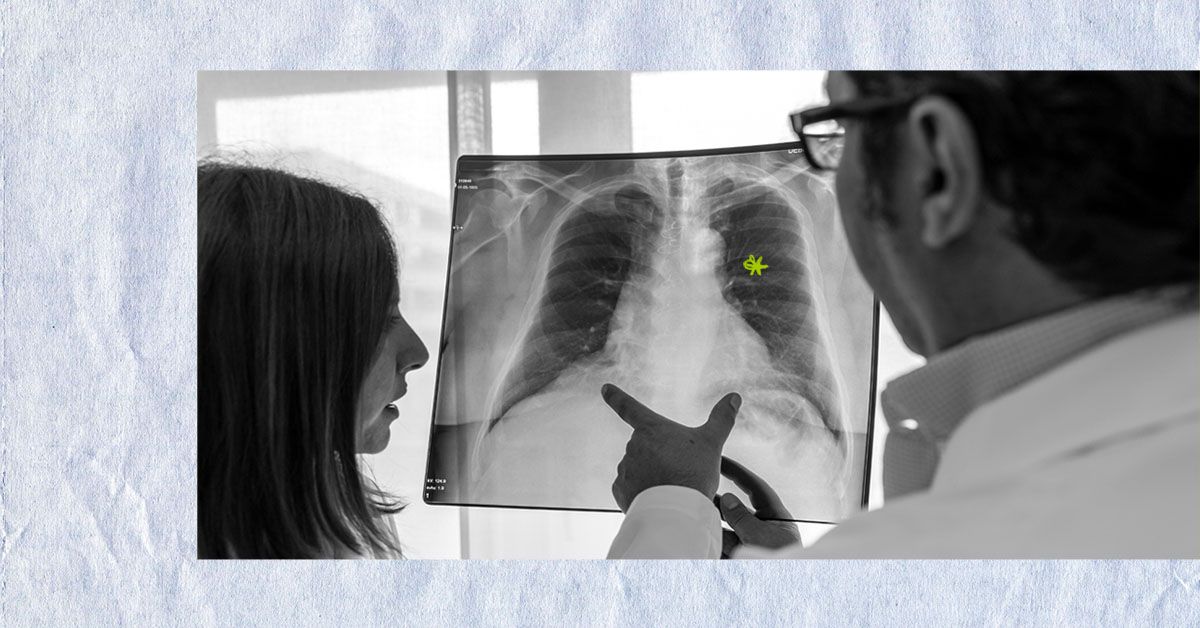
Left lung pain is a phrase many people use when they feel aching, stabbing, burning, or pressure on the left side of the chest. But here is the surprising plot twist: the lung tissue itself does not usually “feel” pain the way skin or muscles do. Pain in that area often comes from the lining around the lungs, the chest wall, the ribs, the heart, the esophagus, nearby muscles, or even irritated nerves. In other words, your body may be sending a chest-area group text, and several organs may be trying to take credit.
That does not mean left-sided chest or lung-area pain should be ignored. Some causes are mild, such as a strained muscle after coughing, lifting, or sleeping like a pretzel. Others can be urgent, including a heart attack, pulmonary embolism, pneumonia, or collapsed lung. The key is learning how the pain behaves, what symptoms come with it, and when it is time to stop Googling and get medical help.
This guide explains the most common causes of left lung pain, what symptoms to watch for, how doctors may evaluate it, and when to speak with a doctor immediately.
What does “left lung pain” actually feel like?
People describe left lung pain in many ways. Some feel a sharp stab when taking a deep breath. Others notice a dull ache under the left breast, tightness behind the ribs, burning after meals, or pressure that spreads to the shoulder, arm, neck, jaw, or back.
The pattern matters. Pain that worsens with deep breathing may point toward pleurisy, pneumonia, pulmonary embolism, or a chest wall problem. Burning after eating may suggest acid reflux. Tenderness when pressing on the ribs may suggest costochondritis or muscle strain. Crushing pressure with sweating or shortness of breath should be treated as a possible heart emergency.
Common causes of left lung pain
1. Pleurisy
Pleurisy is inflammation of the pleura, the thin lining around the lungs and inside the chest wall. It often causes sharp chest pain that gets worse when breathing deeply, coughing, sneezing, or laughing. Yes, even laughing can become a betrayal.
Pleurisy may happen after a viral infection, pneumonia, autoimmune disease, pulmonary embolism, or other lung conditions. The pain may be on the left or right side depending on where the irritation occurs. Other symptoms may include cough, fever, shortness of breath, or pain that spreads to the shoulder or back.
2. Pneumonia
Pneumonia is an infection that inflames the air sacs in the lungs. When it affects the left lung, it can cause left-sided chest pain, especially while breathing or coughing. Common symptoms include cough, fever, chills, fatigue, shortness of breath, and sometimes nausea or confusion, especially in older adults.
Pneumonia pain may feel deep, sore, or sharp. A person may also cough up mucus that is yellow, green, rusty, or bloody. Anyone with chest pain plus trouble breathing, a persistent high fever, or worsening cough should contact a healthcare professional promptly.
3. Pulmonary embolism
A pulmonary embolism is a blood clot that travels to the lungs and blocks blood flow. This is one of the most serious causes of lung-area pain. It can cause sudden shortness of breath, sharp chest pain that worsens with breathing, rapid heartbeat, dizziness, fainting, and coughing up blood.
Risk factors include recent surgery, long travel, prolonged bed rest, pregnancy, smoking, cancer, certain hormone therapies, and a history of blood clots. A pulmonary embolism can be life-threatening, so sudden chest pain with unexplained shortness of breath requires emergency care.
4. Pneumothorax, or collapsed lung
A pneumothorax happens when air leaks into the space between the lung and chest wall, causing part or all of the lung to collapse. Symptoms can include sudden one-sided chest pain, shortness of breath, rapid breathing, and pain that worsens when breathing.
It can occur after chest injury, lung disease, medical procedures, or sometimes without an obvious reason. Tall, thin young adults and people with underlying lung disease may have a higher risk. A collapsed lung needs medical evaluation, and severe symptoms should be treated as an emergency.
5. Bronchitis or respiratory infection
Acute bronchitis is inflammation of the airways, often after a cold or viral infection. It can cause coughing, mucus, chest tightness, wheezing, mild fever, and soreness from repeated coughing. The pain may feel like it is “in the lung,” but it may actually come from irritated airways and overworked chest muscles.
Most cases improve with time, fluids, rest, and symptom care. However, chest pain with high fever, worsening shortness of breath, blue lips, confusion, or symptoms lasting longer than expected should be checked by a doctor.
6. Asthma or COPD flare-up
Asthma and chronic obstructive pulmonary disease can cause chest tightness, wheezing, coughing, and shortness of breath. During a flare-up, the chest may feel heavy or painful because breathing muscles are working harder than usual.
People with known asthma or COPD should follow their action plan. Emergency care is needed if rescue medication does not help, breathing becomes difficult, lips or fingertips turn blue, or the person cannot speak full sentences.
7. Costochondritis
Costochondritis is inflammation of the cartilage where the ribs connect to the breastbone. It can cause sharp or aching pain on the left side of the chest and may mimic heart pain. One clue is tenderness when pressing on the affected rib area.
It may follow coughing, heavy lifting, intense exercise, injury, or sometimes no obvious trigger at all. While costochondritis is usually not dangerous, new left-sided chest pain should not be casually labeled as “just ribs” until serious causes have been ruled out.
8. Muscle strain or rib injury
A pulled chest muscle, bruised rib, or small rib fracture can cause pain that worsens with movement, deep breathing, coughing, or pressing on the area. This type of pain may start after exercise, heavy lifting, a fall, or even a marathon coughing session during a respiratory infection.
Rest, gentle movement, and over-the-counter pain relievers may help mild strains, but severe pain, trouble breathing, trauma, or suspected fracture should be evaluated by a healthcare provider.
9. Heart-related causes
Left-sided chest pain should always make room for the heart in the conversation. Heart attack pain may feel like pressure, squeezing, fullness, heaviness, or pain in the chest. It may spread to the left arm, shoulder, neck, jaw, back, or stomach. Other warning signs include shortness of breath, cold sweat, nausea, lightheadedness, or unusual fatigue.
Pericarditis, inflammation of the sac around the heart, can also cause sharp chest pain that may worsen with deep breathing or lying flat and improve when sitting up and leaning forward. Because heart symptoms can overlap with lung symptoms, emergency evaluation is the safest choice for sudden, unusual, or severe chest pain.
10. Acid reflux and esophageal problems
GERD, or chronic acid reflux, can cause burning chest pain that may be mistaken for left lung pain or even heart pain. It often appears after meals, when lying down, or after spicy, fatty, acidic, or large meals. Symptoms may include sour taste, burping, hoarseness, chronic cough, or a feeling of food coming back up.
Still, chest pain should not automatically be blamed on heartburn. If the pain is new, severe, pressure-like, or associated with shortness of breath, sweating, or dizziness, seek urgent care.
11. Shingles
Shingles can cause burning, tingling, or stabbing pain on one side of the chest before a rash appears. The rash usually forms a stripe or band of blisters on one side of the body. Because early shingles pain may show up before visible skin changes, it can be mistaken for lung or heart pain.
Antiviral medication works best when started early, so contact a doctor quickly if one-sided chest pain is followed by a blistering rash.
12. Lung cancer, rarely
Lung cancer usually does not cause symptoms in the early stages, but possible warning signs include a persistent new cough, chest pain, coughing blood, shortness of breath, wheezing, hoarseness, unexplained weight loss, and repeated lung infections.
Most chest pain is not lung cancer, but symptoms that do not go away after a few weeks deserve medical attention, especially in people with a smoking history, radon exposure, asbestos exposure, or family history of lung cancer.
Symptoms that help identify the cause
Pain worse with deep breathing
Pain that worsens when inhaling deeply is often called pleuritic chest pain. It may happen with pleurisy, pneumonia, pulmonary embolism, pneumothorax, pericarditis, rib injury, or muscle strain.
Pain with cough and fever
Chest pain with cough, fever, chills, fatigue, and mucus may suggest pneumonia, bronchitis, flu, COVID-19, or another respiratory infection.
Pain with pressure, sweating, or arm pain
Pressure-like pain with sweating, nausea, shortness of breath, or pain spreading to the arm, jaw, neck, or back may be heart-related and should be treated as urgent.
Pain after meals or lying down
Burning pain after eating or lying down may suggest acid reflux, especially when paired with sour taste, burping, or throat irritation.
Pain tender to touch
If pressing on the ribs reproduces the pain, the cause may be muscle strain, costochondritis, or rib injury. However, tenderness does not completely rule out other conditions.
When to seek emergency medical care
Call 911 or seek emergency care immediately if left lung pain or left-sided chest pain comes with any of the following:
- Sudden or severe chest pain
- Chest pressure, squeezing, or heaviness
- Shortness of breath or difficulty breathing
- Pain spreading to the arm, jaw, neck, shoulder, back, or stomach
- Cold sweat, nausea, dizziness, fainting, or extreme weakness
- Coughing up blood
- Blue or gray lips, face, or fingertips
- Fast or irregular heartbeat
- Chest pain after an injury or accident
- Confusion, especially with fever or breathing symptoms
Chest pain is not the best time to prove you are “probably fine.” The body did not install an alarm system for decoration.
When to speak with a doctor soon
Schedule a medical appointment if the pain is mild but persistent, keeps returning, worsens with activity, follows a respiratory infection, or comes with cough, fever, wheezing, unexplained weight loss, night sweats, or fatigue. You should also speak with a doctor if you have asthma, COPD, heart disease, a history of blood clots, cancer, recent surgery, or a weakened immune system.
For recurring left-sided chest discomfort, a clinician can help determine whether the issue is lung-related, heart-related, digestive, muscular, or something else. That answer is much more useful than guessing based on a symptom chart at 2 a.m.
How doctors may diagnose left lung pain
A healthcare professional will usually start with questions about the pain: when it began, what it feels like, whether it changes with breathing or movement, and what other symptoms are present. They may ask about smoking, recent travel, illness, injuries, medications, pregnancy, surgery, and personal or family history.
Depending on the situation, tests may include a physical exam, oxygen level check, chest X-ray, electrocardiogram, blood tests, CT scan, D-dimer test for possible clot risk, sputum test, or lung function testing. If heart symptoms are possible, doctors may order cardiac enzymes or additional heart imaging.
What treatment may involve
Treatment depends entirely on the cause. Pneumonia may require antibiotics if bacterial, while viral infections often need supportive care. Pleurisy treatment focuses on the underlying cause and pain control. Pulmonary embolism may require blood thinners or emergency clot treatment. Pneumothorax may need observation, oxygen, or a chest tube. GERD may improve with diet changes, acid-reducing medication, and avoiding late meals. Muscle strain and costochondritis may improve with rest, anti-inflammatory medicines when safe, heat or ice, and avoiding aggravating activities.
Because treatments vary so widely, self-diagnosis can lead people down the wrong road. And with chest pain, the wrong road sometimes has flashing lights and an ambulance at the end.
Practical experiences and everyday examples related to left lung pain
Many people first notice left lung pain during ordinary moments: climbing stairs, laughing too hard, waking up after sleeping awkwardly, or coughing through a stubborn cold. The experience can be alarming because the left side of the chest feels emotionally connected to the heart, lungs, and every worst-case scenario the internet can produce in under three seconds.
One common experience is the “sharp breath pain” after a respiratory infection. A person may have had a cold for a week, then suddenly feel a stabbing pain under the left ribs when taking a deep breath. In some cases, this may be irritated chest muscles from coughing. In others, it could be pleurisy or pneumonia. The difference often comes down to accompanying symptoms: fever, worsening cough, shortness of breath, fatigue, or mucus may point toward infection and deserve medical attention.
Another familiar pattern is exercise-related chest wall pain. Someone lifts boxes, starts a new workout, or moves furniture with heroic confidence and questionable technique. The next day, the left side of the chest hurts when twisting, reaching, or pressing between the ribs. This may be muscle strain or costochondritis. The pain can feel dramatic, but it often behaves mechanically: movement and touch make it worse, while rest helps. Even then, new chest pain should be approached carefully, especially if it appears with breathlessness, sweating, or pressure.
Some people experience left chest burning after meals and assume it is lung pain. A large dinner, coffee, tomato sauce, fried food, or lying down too soon can trigger reflux. The pain may sit behind the breastbone or lean left, creating confusion. A sour taste, burping, throat irritation, or symptoms that improve with antacids may support reflux. However, because heart pain can also feel like burning or indigestion, first-time or intense symptoms should be taken seriously.
There is also the anxiety loop. A person feels a twinge, worries about it, breathes faster, tightens the chest muscles, and then the discomfort grows. Anxiety can absolutely create chest tightness, air hunger, tingling, and racing heartbeat. But anxiety should be considered after dangerous causes are ruled out, not before. It is reasonable to say, “This might be stress,” while still respecting the body enough to get urgent care for red flags.
A helpful real-world habit is keeping a short symptom note. Write down when the pain started, where it is, what it feels like, what makes it better or worse, and any symptoms such as fever, cough, shortness of breath, rash, dizziness, or leg swelling. This simple note can help a doctor quickly sort through possible causes. It also prevents the classic exam-room moment where every detail vanishes from your brain like socks in a dryer.
The most important experience-based lesson is this: left lung pain is not one diagnosis. It is a location clue. Sometimes the cause is minor and temporary. Sometimes it is urgent. Listening to the pattern, watching for warning signs, and seeking care when symptoms are new, severe, persistent, or paired with breathing trouble is the safest and smartest response.
Conclusion
Left lung pain can come from many sources, including pleurisy, pneumonia, pulmonary embolism, collapsed lung, bronchitis, asthma, muscle strain, costochondritis, reflux, shingles, heart conditions, and less commonly lung cancer. The pain may feel sharp, dull, burning, tight, or pressure-like, and the symptoms around it often provide important clues.
Because left-sided chest pain can overlap with serious heart and lung conditions, do not ignore sudden, severe, or unusual pain. Seek emergency care for chest pressure, shortness of breath, fainting, sweating, coughing blood, blue lips, or pain spreading to the arm, jaw, neck, shoulder, or back. For mild but persistent or recurring symptoms, speaking with a doctor can bring clarity, treatment, and peace of mind.
Medical note: This article is for general educational purposes only and does not replace professional medical advice, diagnosis, or treatment. If you have new, severe, or concerning chest pain, seek medical care immediately.