Color blankets with pompoms are the home décor equivalent of a friendly wink. They are warm, useful, cheerful, and just a tiny bit dramatic in the best possible way. A plain throw blanket says, “I am practical.” A colorful pompom blanket says, “I am practical, but I also know how to make a sofa look like it has a personality.”
Whether draped across a couch, folded at the foot of a bed, tossed over a reading chair, or wrapped around your shoulders during a movie marathon, a pompom blanket brings together three things people love: comfort, color, and texture. It is not just a blanket; it is a soft design tool. The colorful surface can brighten a neutral room, the pompom trim adds playful movement, and the cozy fabric quietly does the hard work of keeping cold toes from filing a complaint.
This guide explores how to choose, style, care for, and enjoy color blankets with pompoms. We will look at materials, color combinations, decorating ideas, buying tips, DIY options, safety considerations, and real-life experiences that prove one good blanket can change the whole mood of a room.
What Are Color Blankets with Pompoms?
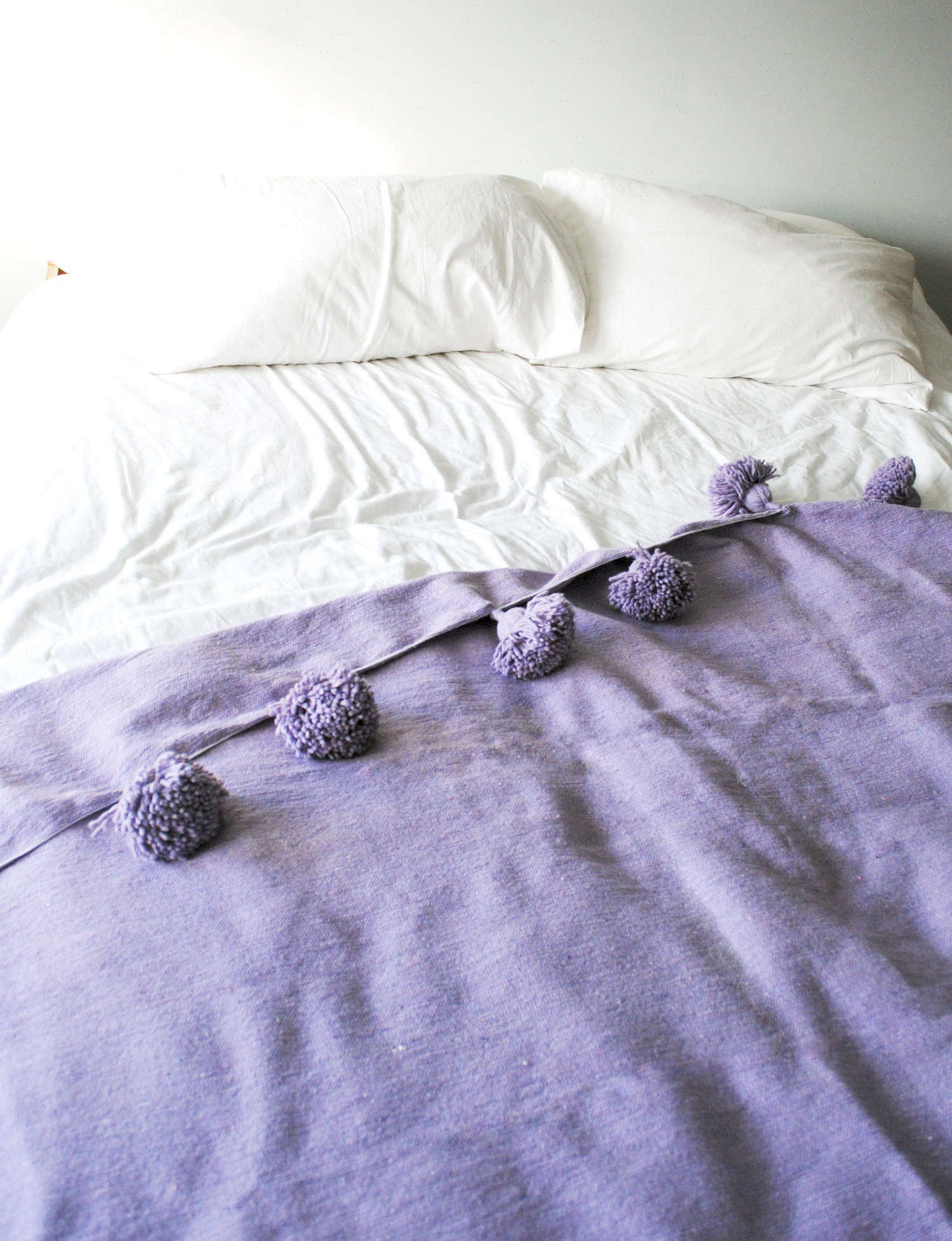
Color blankets with pompoms are throw blankets, bed blankets, or decorative coverlets finished with small yarn balls, tassel-like accents, or rounded trim. The pompoms may appear along two edges, all four sides, or as scattered decorative details across the blanket. Some designs are soft and subtle, such as cream cotton with ivory pompoms. Others go full confetti parade with rainbow colors, oversized yarn balls, and bold patterns.
The phrase “color blankets with pompoms” can describe many styles. A chunky knit mustard blanket with white pompoms fits the category. So does a pastel baby blanket, a boho striped throw, a bright fleece blanket for a dorm room, or a handmade crochet blanket with multicolor pompom corners. What unites them is the blend of color and tactile charm.
Why Pompom Blankets Are So Popular
Pompom blankets have become popular because they solve a common decorating problem: how to make a room look cozy without making it look cluttered. A single colorful throw can refresh a sofa faster than repainting a wall, replacing furniture, or pretending you enjoy assembling flat-pack shelving at midnight.
They also fit several major home décor styles. In a modern farmhouse room, a neutral pompom blanket adds softness to wood, metal, and white walls. In a bohemian space, a colorful pompom throw blends naturally with layered rugs, woven baskets, plants, and global-inspired prints. In a kid’s room, pompoms bring a joyful, touchable quality. In a minimalist apartment, one carefully chosen colored blanket can serve as the main accent piece.
Choosing the Right Material
The best pompom blanket is not only pretty. It should feel good, wash well, and suit the way you actually live. A blanket that looks beautiful but feels like it was knitted from decorative sandpaper is not a success story.
Cotton Pompom Blankets
Cotton is a favorite for colorful pompom blankets because it is breathable, soft, and easy to use year-round. A cotton throw works well in living rooms, bedrooms, nurseries, and guest rooms. It is especially useful in warmer climates or homes where people want a blanket that feels cozy but not overly heavy.
Cotton also holds color beautifully. You can find cotton pompom blankets in earthy terracotta, ocean blue, sage green, blush pink, sunny yellow, and clean white. For families, cotton is practical because many cotton blankets are machine washable, although the pompom trim may require gentle care.
Wool and Wool-Blend Blankets
Wool offers natural warmth and a more elevated look. A wool pompom blanket can feel rich, textured, and timeless. It is excellent for colder rooms, cabins, winter bedding, and layered sofa styling. However, wool requires more careful cleaning. Some wool blankets should be spot-cleaned or dry-cleaned, while others can be washed gently with cold water and wool-safe detergent.
If you love the look of wool but worry about itchiness, consider a wool blend or a softer merino option. The pompoms on wool blankets often have a fuller, handmade appearance, which adds to their charm.
Acrylic and Polyester Blankets
Acrylic and polyester blankets are budget-friendly, lightweight, and widely available in bright colors. They are often used for fleece throws, dorm décor, children’s rooms, and casual family spaces. They can mimic the softness of wool without the same cost or care requirements.
The trade-off is that synthetic materials may trap heat more than cotton and may develop static or pilling over time. Still, for a movie-night blanket, a pet-friendly sofa throw, or a seasonal accent, acrylic and polyester options can be excellent choices.
Fleece and Faux Fur Options
Fleece and faux fur pompom blankets are for people who consider softness a serious lifestyle goal. These blankets are plush, warm, and inviting. They are perfect for winter evenings, reading corners, and bedrooms that need instant coziness.
Because fleece and faux fur can lose texture if washed incorrectly, use cold water, mild detergent, and low or no heat when drying. High heat can flatten fibers, damage pompoms, and turn a once-fluffy blanket into something that looks emotionally defeated.
How to Pick the Best Color
Color is where pompom blankets shine. The right color can connect furniture, wall paint, pillows, rugs, and artwork. The wrong color can make your room look like it lost a bet. Fortunately, choosing well is easier than it sounds.
Use the Blanket as an Accent
If your room is mostly neutral, a colorful pompom blanket can act as the accent. A navy sofa can look crisp with a mustard throw. A beige chair can feel fresher with coral or teal. A white bed can become more inviting with a dusty rose, olive green, or rust blanket folded across the foot.
For a balanced look, repeat the blanket color at least once elsewhere in the room. This could be in a pillow, artwork, vase, lamp, rug detail, or book cover. The repetition makes the color feel intentional rather than random.
Try Tonal Color Styling
Tonal styling means using colors from the same family. For example, pair a pale blue pompom blanket with navy pillows, gray-blue walls, and a denim rug. Or use a warm beige blanket with caramel leather, cream curtains, and tan pottery. Tonal rooms feel calm and polished because the colors speak the same language.
This approach works especially well with pompoms because the texture adds interest even when the color palette is quiet. A cream blanket with cream pompoms may sound plain, but on a linen sofa with wood accents, it can look beautifully layered.
Go Bold with Contrast
If your style is more adventurous, choose a blanket that contrasts with the furniture. A bright pink pompom throw on an emerald chair, a cobalt blanket on a white sofa, or a rainbow pompom blanket in a neutral nursery can become the happiest object in the room.
The secret is restraint. Let the blanket be the star and keep nearby accessories simpler. Too many competing colors can make the room feel busy. The goal is “fun and curated,” not “craft store explosion during an earthquake.”
Where to Use Color Blankets with Pompoms
On the Sofa
The sofa is the classic home for a throw blanket. For a casual look, drape the blanket over one arm and let the pompoms hang naturally. For a cleaner look, fold it lengthwise and place it over the back of the sofa. If the blanket is very colorful, pair it with solid pillows. If the blanket is solid, use patterned pillows to create depth.
At the Foot of the Bed
A pompom blanket at the foot of the bed adds hotel-style layering without feeling too formal. Fold it into thirds and place it across the lower portion of the bed. The pompoms should face outward so they can show off, because pompoms are not known for their humility.
For white or neutral bedding, choose a blanket in a color that matches the season. Soft green and blue feel fresh in spring. Coral, yellow, and turquoise feel summery. Rust, burgundy, and olive work beautifully in fall. Charcoal, cream, forest green, and deep red feel cozy in winter.
In a Reading Nook
A reading chair, small side table, lamp, and pompom blanket can turn an unused corner into a mini retreat. Choose a blanket that feels good against the skin and is large enough to cover your lap and shoulders. Add a basket nearby so the blanket has a home when not in use.
In a Nursery or Child’s Room
Colorful pompom blankets look adorable in children’s rooms, but safety matters. Avoid loose pompoms around babies or toddlers who may pull them off and put them in their mouths. For very young children, choose securely stitched trims, inspect them often, and use decorative blankets only under adult supervision. Pompoms should be firmly attached, and any damaged blanket should be repaired or removed from use.
Outdoors and Picnics
A colorful pompom blanket can make a porch, patio, or picnic feel more inviting. Use it over a bench, outdoor chair, or picnic basket. Bring it inside after use, especially if it is cotton, wool, or handmade. Outdoor moisture, dirt, and sun exposure can fade colors and weaken fibers over time.
Buying Tips for a Better Pompom Blanket
Before buying a color blanket with pompoms, check the size. A standard throw is often around 50 by 60 inches, while larger throws may measure 50 by 70 inches or more. For sofa styling, a standard throw is usually enough. For bed layering or serious lounging, go bigger.
Next, inspect the trim. The pompoms should be securely attached with strong stitching. If they look loosely tied or fragile, the blanket may not hold up to regular use. This is especially important for households with pets, children, or blanket thieves who yank throws from across the room like they are starting a lawn mower.
Read the care label carefully. Machine-washable blankets are best for everyday use. Dry-clean-only options are better suited to decorative areas or adult bedrooms. Also consider weight. A lightweight cotton throw is great for summer, while a chunky knit or wool blanket is better for chilly nights.
How to Care for Pompom Blankets
Pompom trim needs gentle treatment. Before washing, shake the blanket outdoors to remove dust and crumbs. If there is a stain, spot-clean it first with a mild detergent. Turn the blanket inside out or place it in a large mesh laundry bag to protect the pompoms from snagging.
Use cold water and a gentle cycle for most washable blankets. Avoid bleach, harsh detergents, and high heat. Air drying is usually safest, especially for blankets with handmade pompoms or delicate yarn trim. If the care label allows tumble drying, use low heat and remove the blanket while it is still slightly damp to reduce stress on the fibers.
After drying, fluff the pompoms by hand. If they look flattened, gently roll them between your palms. Do not brush aggressively, because that can pull apart the yarn. For wool, faux fur, or specialty blankets, follow the manufacturer’s instructions exactly.
DIY Color Blankets with Pompoms
If you already have a plain blanket, adding pompoms is a fun DIY upgrade. You can make pompoms with a pompom maker, cardboard circles, a fork for tiny pompoms, or your fingers for a rustic handmade look. Yarn weight affects the result: thinner yarn creates smaller, denser pompoms, while chunky yarn creates big, fluffy ones.
To attach pompoms, use strong thread or yarn and sew each pompom securely to the blanket edge. Space them evenly for a polished look or vary the spacing for a playful handmade effect. For a colorful blanket, you can match the pompoms to the blanket or choose contrast colors. A white blanket with rainbow pompoms feels cheerful. A navy blanket with cream pompoms feels crisp. A blush blanket with burgundy pompoms feels stylish and unexpected.
DIY pompom blankets also make thoughtful gifts. Choose colors based on the recipient’s home, favorite season, or personality. For a friend who loves calm spaces, use soft neutrals. For someone who treats color like caffeine, go bold with pink, orange, turquoise, and yellow.
Common Styling Mistakes to Avoid
The first mistake is using too many statement pieces at once. A pompom blanket already has texture and personality. If you pair it with five patterned pillows, a busy rug, loud curtains, and a neon wall, the room may need a quiet vacation.
The second mistake is choosing the wrong scale. Tiny pompoms on a large chunky blanket can disappear. Huge pompoms on a delicate baby blanket can feel awkward. Match the trim size to the blanket weight and purpose.
The third mistake is ignoring function. A gorgeous blanket that cannot be washed, sheds constantly, or feels scratchy will become décor only. That is fine if you want a purely decorative piece, but if you plan to actually use it, comfort and durability matter.
Real-Life Experiences with Color Blankets with Pompoms
One of the best things about color blankets with pompoms is how quickly they change the feeling of a room. I once saw a plain gray sofa transformed by a burnt-orange pompom throw. Before the blanket, the sofa looked respectable but slightly bored, like it was waiting for a dentist appointment. After the blanket, the whole room felt warmer. The orange picked up tones in a wood coffee table, the pompoms softened the straight lines of the furniture, and suddenly the space looked styled rather than simply furnished.
In bedrooms, pompom blankets can be even more effective. A white duvet is clean and classic, but it can sometimes look unfinished. Add a folded blue cotton blanket with white pompoms at the foot of the bed, and the room immediately gains color, shape, and a sense of welcome. Guests notice these details. They may not say, “Ah, what a thoughtful use of tactile trim,” but they will say, “This room feels cozy.” That is the win.
Families often discover that pompom blankets become household favorites. The blanket meant to be decorative on the couch becomes the official sick-day blanket, the Saturday cartoon blanket, the dog’s unauthorized luxury nest, and the emergency “company is coming, make this chair look nicer” blanket. This is why washable materials matter. A blanket with pompoms is cute on day one, but the real test comes after popcorn, pet hair, coffee drips, and one mysterious stain nobody in the house admits to creating.
Color choice also affects mood. A soft sage or dusty blue pompom blanket can make a bedroom feel restful. A bright yellow or coral throw can wake up a small apartment. A rainbow pompom blanket in a craft room or playroom can make the space feel creative and energetic. The beauty is that a blanket is low commitment. If you get tired of the color, you can move it to another room, fold it differently, or store it for a season. Unlike paint, it does not require tape, drop cloths, or regret.
Handmade pompom blankets carry a special kind of charm. The pompoms may not all be perfectly round, and the spacing may not be mathematically flawless, but that is part of the appeal. A handmade blanket feels personal. It tells a tiny story: someone chose the yarn, made each pompom, attached every piece, and probably vacuumed up yarn fuzz for three days afterward. These blankets make wonderful gifts because they feel thoughtful without being overly formal.
The most practical experience-based tip is simple: buy or make the blanket for the life you actually live. If you have toddlers, pets, or frequent snack-based gatherings, choose sturdy fabric and secure trim. If the blanket is mostly for a styled guest room, you can choose something more delicate. If you want a throw for daily naps, prioritize softness over trendiness. A blanket should not just photograph well; it should earn its place in the house.
Conclusion
Color blankets with pompoms are a small décor upgrade with a big personality. They add warmth, texture, color, and playfulness to living rooms, bedrooms, nurseries, reading corners, and outdoor spaces. The best choice depends on your lifestyle: cotton for breathability, wool for warmth, fleece for softness, acrylic or polyester for affordability, and handmade options for character.
To style them well, choose colors that connect with the room, let the pompom trim show, and avoid overcrowding the space with too many competing accents. To keep them beautiful, wash gently, dry carefully, and repair loose pompoms before they become runaway fluff balls. Whether you buy one or make your own, a colorful pompom blanket proves that comfort and style can absolutely share the same sofa.
Note: This article was created from synthesized home décor, textile-care, craft, and safety guidance from reputable U.S.-based information sources, with source links intentionally omitted for clean web publishing.