Editorial note: This article is an original, fully rewritten synthesis based on current U.S. home improvement, decking, construction, retail, manufacturer, and safety guidance. It is written for web publication and does not include source-link formatting.
Composite decking is what happens when a backyard wants the warm look of wood but refuses to spend its weekends sanding, staining, sealing, and apologizing to splinters. It is one of the most popular modern deck materials for American homeowners because it blends the appearance of lumber with the staying power of engineered materials. In plain English: it looks like a deck, behaves better than old-school boards, and does not demand a yearly maintenance ceremony involving brushes, buckets, and regret.
Still, composite decking is not magic. It costs more upfront than pressure-treated wood, can get warm in direct sun, and must be installed correctly if you want it to last. Think of it like buying a reliable grill: the good ones are not always cheap, but when the burgers are sizzling and your neighbor is still fixing warped boards, you may feel very wise.
This guide explains what composite decking is, how it compares with wood and PVC, what it costs, how to choose boards, what to know before installation, and how to keep your deck looking sharp for years.
What Is Composite Decking?
Composite decking is an outdoor deck board made from a mix of materials, most commonly recycled plastic, wood fibers, bonding agents, and protective additives. The goal is to create a board that delivers the visual warmth of wood without many of wood’s classic problems: rot, splintering, termite damage, cracking, and constant refinishing.
Most modern composite deck boards fall into two broad groups: traditional wood-plastic composite and capped composite. Traditional composite contains a blend of wood fiber and plastic throughout the board. Capped composite adds a tough outer shell that helps resist staining, fading, moisture, and scratches. If regular composite is a rain jacket, capped composite is the rain jacket with reinforced elbows and a smug sense of superiority.
There are also PVC and capped polymer decking products, which are sometimes discussed alongside composite decking. PVC boards are made entirely from plastic, without wood fiber. They can be very moisture-resistant and lightweight, but they may look and feel different from wood-plastic composite. For many homeowners, the best choice comes down to budget, climate, appearance, heat comfort, and how much maintenance they are willing to do.
Why Homeowners Choose Composite Decking
Low Maintenance
The biggest reason homeowners choose composite decking is simple: it requires far less maintenance than wood. A wood deck typically needs regular cleaning, sanding, staining, and sealing to stay attractive and protected. Composite decking usually needs sweeping, occasional washing with mild soap and water, and basic inspections.
That does not mean “maintenance-free.” Leaves, pollen, barbecue grease, muddy shoes, and the mysterious sticky substance left by children still exist. However, composite decking greatly reduces the annual workload. You can spend more time sitting on the deck and less time negotiating with a stain can.
Durability
Composite deck boards are designed to resist many issues that shorten the life of wood decks. Quality composite products resist rot, insect damage, splintering, warping, and everyday weather exposure. Capped boards add another layer of protection against stains, fading, and moisture intrusion.
This durability is especially useful in climates with heavy rain, humidity, intense sun, snow, or seasonal temperature swings. Wood expands, contracts, absorbs moisture, dries out, and sometimes behaves like it is auditioning for a drama series. Composite is more stable, though it still needs proper spacing and installation to handle thermal movement.
Consistent Appearance
Composite decking comes in a wide range of colors, grain patterns, widths, textures, and finishes. You can choose warm browns, coastal grays, deep walnut tones, modern charcoal shades, or multi-tonal boards that mimic tropical hardwood. Many premium boards have realistic embossing and color variation that make them look surprisingly close to real wood.
Unlike natural wood, composite decking offers more predictable color and texture from board to board. That makes it easier to design a polished outdoor living space without sorting through lumber piles like a raccoon looking for treasure.
Sustainability
Many composite decking brands use recycled plastic film, reclaimed sawdust, and other recycled materials. This can reduce demand for virgin lumber and keep plastic waste out of landfills. Sustainability claims vary by manufacturer, so homeowners should compare recycled content, production practices, warranties, and product life span before buying.
Composite Decking vs. Wood Decking
Wood decking still has plenty of fans. It is familiar, widely available, naturally beautiful, and usually cheaper upfront. Pressure-treated lumber remains one of the most budget-friendly deck materials in the United States. Cedar, redwood, and tropical hardwoods offer richer looks but come with higher prices and maintenance needs.
Composite decking, on the other hand, usually costs more at the start but may save time and money over the long run because it does not need staining, sealing, or frequent board replacement. It also avoids splinters, which is a major bonus if you enjoy walking barefoot without playing “backyard acupuncture.”
The decision often comes down to lifestyle. Choose wood if you love natural material, want lower initial costs, and do not mind upkeep. Choose composite if you want a long-lasting, low-maintenance deck with consistent color and fewer weekend chores.
Composite Decking vs. PVC Decking
Composite and PVC decking are both low-maintenance alternatives to wood, but they are not identical. Composite decking usually contains wood fibers and plastic, while PVC decking is fully synthetic. PVC is highly moisture-resistant and can be excellent for wet areas, docks, pool surrounds, or homes where water exposure is a major concern.
Composite decking often wins homeowners over because it can look more like natural wood and may cost less than premium PVC. PVC can be lighter and sometimes cooler depending on the product technology, but it may expand and contract more noticeably in temperature changes. The best choice depends on the specific brand, product line, climate, and design goals.
How Much Does Composite Decking Cost?
Composite decking costs vary widely. Material-only pricing often ranges from budget-friendly boards to premium capped products with advanced warranties and realistic wood-grain finishes. Installed costs depend on deck size, labor rates, framing condition, railing, stairs, permits, demolition, fasteners, fascia, lighting, and design complexity.
For a basic comparison, pressure-treated wood generally has the lowest upfront material cost, while composite decking lands in the middle to upper range. Premium PVC and high-end composite lines can cost significantly more. However, homeowners should consider lifetime value, not just the first receipt. A cheaper wood deck may need regular staining, sealing, repairs, and replacement boards. Composite costs more on day one but often asks for less money and effort later.
Cost Factors to Watch
- Board quality: Entry-level boards cost less but may have fewer color options and shorter warranties.
- Capped vs. uncapped: Capped composite usually costs more but offers better stain and fade resistance.
- Fasteners: Hidden fastener systems create a cleaner look but add cost.
- Framing condition: Replacing old joists, beams, or footings can increase the budget.
- Railings and stairs: These can add a surprising amount to the project, like guacamole at checkout.
- Permits and codes: Local requirements may affect design, inspections, and engineering.
Types of Composite Deck Boards
Solid Boards
Solid composite boards are dense, strong, and often preferred for stairs, picture-frame borders, and areas where exposed board edges may be visible. They feel sturdy underfoot and can be easier to cut cleanly for custom details.
Grooved Boards
Grooved boards have channels along the sides for hidden fasteners. These fasteners secure boards without visible screws through the top surface, creating a clean, professional look. Grooved boards are common in main deck fields.
Scalloped Boards
Some budget composite boards have a scalloped or grooved underside to reduce material and weight. These can be cost-effective, but they may have specific installation rules and may not be ideal for every application.
Capped Composite Boards
Capped composite is a popular choice because the protective shell helps shield the core from stains, moisture, and fading. Some caps cover three sides, while others wrap all four sides. Fully capped boards may be better for moisture-prone areas, but installation details still matter.
How to Choose the Best Composite Decking
Start With Your Climate
A sunny deck in Arizona has different needs than a shaded deck in Oregon or a freeze-thaw deck in Minnesota. In hot climates, ask about heat retention and choose lighter colors when possible. In wet climates, look for strong moisture resistance and good traction. In snowy areas, confirm that the product can handle freeze-thaw cycles and follow approved snow-removal guidance.
Look at Real Samples Outdoors
Never choose composite decking from a tiny indoor swatch alone. Take samples outside and view them in morning light, afternoon sun, and shade. Colors can change dramatically depending on lighting. A board that looks “warm brown” indoors may look “espresso tornado” outdoors.
Check Texture and Traction
Composite decking textures range from smooth to deeply embossed. Texture affects appearance, comfort, and slip resistance. Around pools, stairs, and shaded areas, traction is especially important. Always review the manufacturer’s slip-resistance information and local code requirements.
Compare Warranties Carefully
Composite decking warranties often cover structural performance, staining, and fading, but terms differ. Some warranties are prorated. Some require specific cleaning practices. Some are transferable to a new homeowner, while others are limited. Read the warranty before buying, not after the first spilled bowl of chili.
Match the Board to the Design
For a simple rectangular deck, a standard-width composite board may be perfect. For a more custom design, consider picture-frame borders, contrasting colors, diagonal layouts, wide boards, or integrated lighting. Composite decking can look sleek and high-end when the design is planned instead of improvised halfway through with a pencil behind one ear.
Installation Basics Homeowners Should Know
Composite decking is not installed exactly like wood. It expands and contracts with temperature changes, and each manufacturer has specific spacing rules for board ends, side gaps, fasteners, joist spacing, stair treads, ventilation, and cut edges. Ignoring those instructions can void warranties and create problems such as buckling, gapping, or uneven surfaces.
Framing Must Be Sound
Composite boards may last a long time, but they still depend on the structure underneath. If old framing is soft, rotten, undersized, or poorly flashed, new deck boards will not solve the real problem. Before resurfacing a deck, inspect joists, beams, posts, footings, ledger boards, flashing, and hardware. A beautiful deck on weak framing is like putting a tuxedo on a raccoon: impressive at first glance, questionable underneath.
Follow Local Building Codes
Decks attached to a house are structural projects. Many require permits, inspections, approved fasteners, proper ledger attachment, safe stairs, code-compliant railings, and correct guard heights. Plastic and composite deck boards should be installed according to code and manufacturer instructions. When in doubt, contact the local building department or hire a qualified deck contractor.
Use the Right Fasteners
Composite decking requires compatible screws, plugs, clips, or hidden fasteners. Ordinary fasteners may corrode, stain, split boards, or fail to hold properly. Hidden fasteners create a clean surface, while color-matched screws and plugs work well for borders, stairs, and breaker boards.
Plan for Ventilation and Drainage
Composite decking performs best when the deck has proper airflow and drainage. Leaves and debris should not sit between boards for months. Water should move away from the house. Ground-level decks may need special product approval, extra ventilation, or moisture-resistant framing details.
Cleaning and Maintenance Tips
Composite decking is easy to care for, but neglect can still make it look tired. Sweep it regularly to remove leaves, dirt, and pollen. Wash with mild soap and water as needed. Use a soft-bristle brush for stubborn spots. Clean food spills quickly, especially grease, wine, sauces, and anything that looks like it came from a children’s birthday party.
Avoid harsh chemicals unless the manufacturer specifically approves them. Be cautious with pressure washing; some products allow low-pressure washing with specific limits, while others discourage it. Always check the care guide for your exact brand and product line.
Seasonal Deck Care Checklist
- Sweep away leaves, pine needles, and dirt.
- Wash the surface with approved cleaner or mild soap and water.
- Check gaps between boards for debris.
- Inspect railings, stairs, posts, and fasteners.
- Look for drainage issues near the ledger and foundation.
- Move rugs, planters, and furniture occasionally to prevent trapped moisture or uneven weathering.
Pros and Cons of Composite Decking
Pros
- Requires less maintenance than wood.
- Resists rot, insects, splintering, and warping.
- Available in many colors and wood-look finishes.
- Often made with recycled materials.
- Can offer strong fade and stain warranties.
- Works well with hidden fasteners for a polished look.
Cons
- Higher upfront cost than pressure-treated lumber.
- Some boards can get hot in direct sunlight.
- Scratches may be harder to repair than wood.
- Cannot be sanded and refinished like natural lumber.
- Requires careful installation and correct spacing.
- Quality varies significantly by brand and product line.
Common Mistakes to Avoid
One common mistake is choosing the cheapest board without considering warranty, heat comfort, scratch resistance, or long-term appearance. Another is resurfacing an old deck without inspecting the frame. Homeowners also sometimes forget that dark boards can become hotter in full sun, especially around pools or patios where people walk barefoot.
Installation mistakes can be even more expensive. Incorrect joist spacing, poor end gaps, wrong fasteners, lack of ventilation, and skipped permits can turn a promising project into a backyard headache. Composite decking rewards careful planning. It does not reward “I watched half a video and feel powerful.”
Is Composite Decking Worth It?
Composite decking is worth it for many homeowners, especially those who want a long-lasting outdoor space with less maintenance. It is a strong choice for busy families, frequent entertainers, rental properties, lake houses, and anyone who would rather host dinner outside than refinish boards every summer.
It may not be the best fit for every project. If upfront cost is the top priority, pressure-treated wood may be more practical. If you love the character of real cedar or redwood and enjoy maintaining natural materials, wood may still win your heart. But if your dream deck involves coffee, friends, pets, bare feet, and very few maintenance chores, composite decking deserves a serious look.
Real-World Experience: What Homeowners Learn After Living With Composite Decking
After talking with homeowners, contractors, and weekend DIY warriors, one theme comes up again and again: composite decking feels like a lifestyle upgrade when expectations are realistic. People are happiest when they understand that “low maintenance” does not mean “ignore it until the next presidential election.” A composite deck still benefits from seasonal cleaning, furniture pads, good drainage, and basic care. But compared with wood, the difference can feel enormous.
One homeowner replacing a 15-year-old pressure-treated deck described the change as “getting my Saturdays back.” The old wood deck needed washing, sanding, staining, and board repairs almost every year. The new capped composite deck only needed a spring cleaning and occasional spot washing after cookouts. The family noticed fewer splinters, a smoother surface, and more confidence letting kids and pets run around barefoot. The dog, naturally, claimed the best sunny spot immediately and contributed nothing to the mortgage.
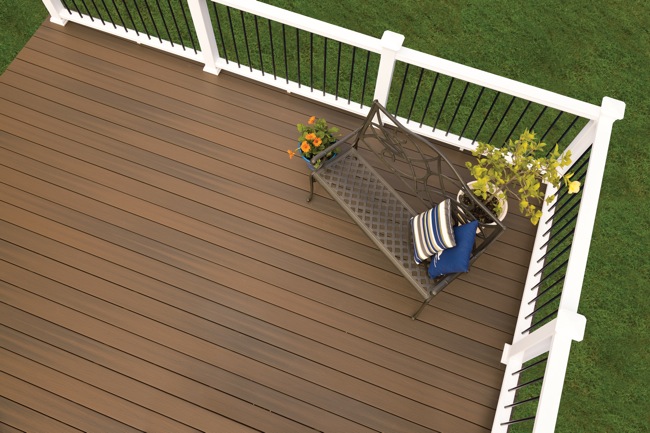
Another common experience is surprise at how important color choice becomes. Dark composite boards can look elegant, especially against white trim or black railings, but they may feel hotter underfoot in direct summer sun. Homeowners in warm climates often prefer lighter browns, tans, coastal grays, or product lines designed to reduce heat absorption. A smart move is to place samples outside for several days before choosing. Step on them in the afternoon sun. Look at them after rain. Compare them next to siding, stone, brick, and patio furniture. Your future bare feet will thank you.
Furniture is another lesson. Composite decking resists a lot, but it is not invincible. Heavy metal chairs, dragged planters, grill wheels, and sharp furniture feet can scratch the surface. Homeowners who use outdoor rugs, furniture glides, grill mats approved for composite, and planter stands tend to keep their decks looking better. The trick is preventing damage instead of trying to repair it later.
Many homeowners also learn that the railing and trim details make the deck feel finished. A composite surface with mismatched railing can look like a nice suit worn with flip-flops. Picture-frame borders, fascia boards, stair riser trim, post lighting, and color-coordinated rail systems can turn a basic deck into an outdoor room. These details add cost, but they often deliver the “wow” factor people wanted in the first place.
For DIY installers, patience matters. Composite boards require accurate spacing, clean cuts, correct fasteners, and careful layout. Hidden fastener clips are wonderful, but they are not a substitute for measuring. Many experienced DIYers recommend dry-fitting the first few rows, checking that the deck stays square, and planning board seams before fastening everything down. It is much easier to fix a layout issue early than after half the deck is installed and your confidence has grown three sizes too large.
The best experience comes from treating composite decking as a system: quality boards, sound framing, proper flashing, compatible fasteners, code-compliant railings, and regular cleaning. When all those pieces work together, composite decking can deliver a comfortable, attractive, low-stress outdoor space for years. It will not mow the lawn, silence the neighbor’s leaf blower, or keep mosquitoes from treating you like a buffet, but it can make your backyard look better and demand far less from your weekends.
Conclusion
Composite decking has earned its place in modern American backyards because it solves many of the problems homeowners have with traditional wood. It resists rot, insects, splintering, and heavy maintenance while offering attractive colors and realistic wood-look textures. It costs more upfront, but its long-term value can be strong for homeowners who want beauty without constant refinishing.
The smartest approach is to compare brands, study warranties, test samples outdoors, consider climate, inspect the framing, and follow installation instructions carefully. Composite decking is not the cheapest path to a backyard deck, but it may be one of the most practical paths to an outdoor space you actually enjoy using. And really, that is the whole point: less work, more relaxing, and fewer splinters in places no person should ever have splinters.