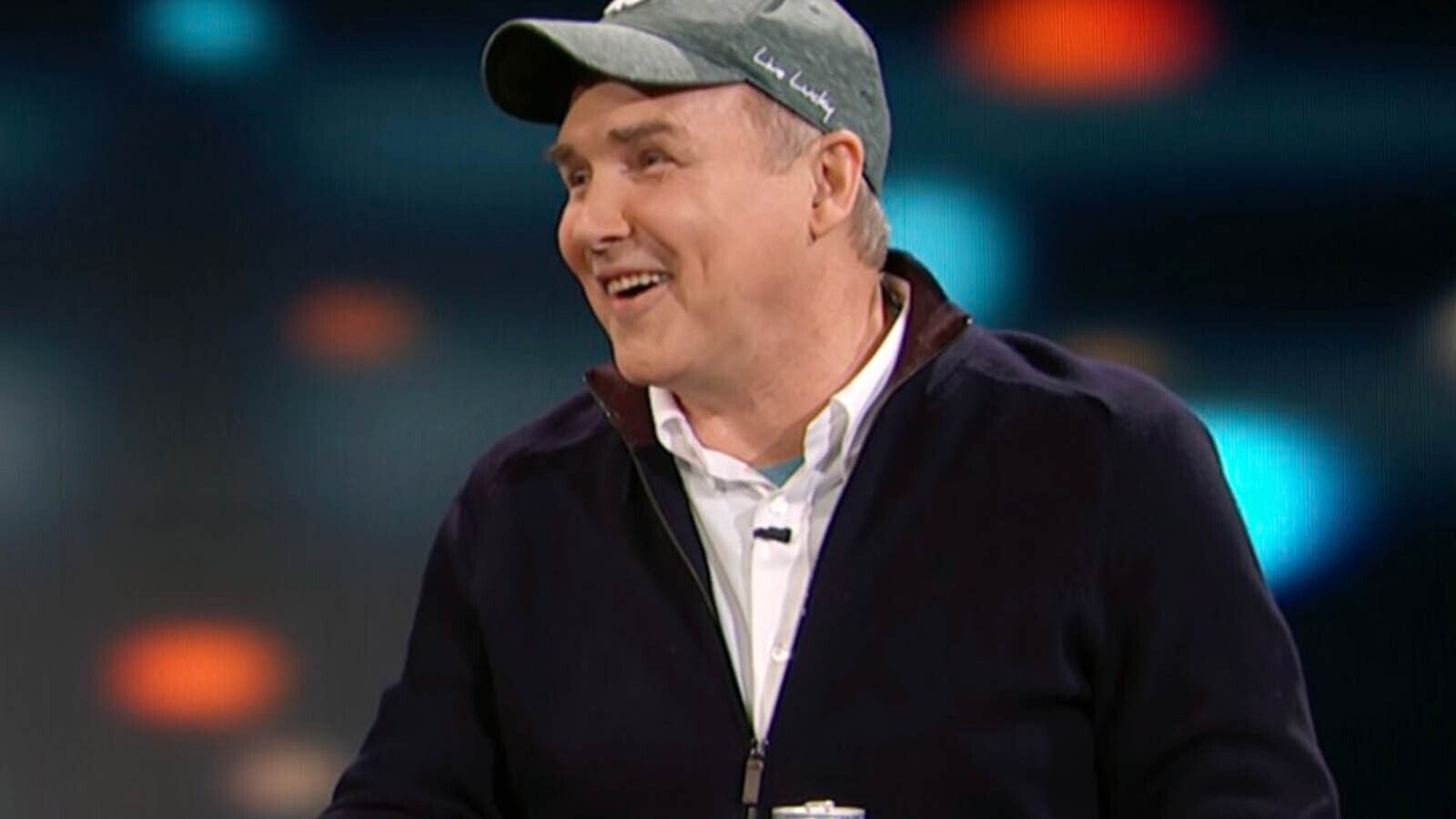
Norm Macdonald did not tell dad jokes the way most people tell dad jokes. Most dads deliver a corny pun, smile proudly, and wait for the family to groan. Norm did something more dangerous: he walked into a professional comedy room, looked the audience directly in the eye, and treated the world’s limpest punch line like it had been carved into stone by Aristotle’s funnier cousin.
That is why “Norm Macdonald dad jokes” remain such a beloved search topic. Macdonald, best known for his deadpan delivery, his legendary run on Saturday Night Live’s Weekend Update, and his gloriously strange talk-show appearances, had a special gift for making intentionally bad jokes feel brilliant. He could stretch a setup until the air left the room, pause long enough for everyone to reconsider their career choices, and then land a punch line so corny it somehow became sophisticated.
This article looks at 14 of Norm Macdonald’s best dad-joke moments, especially the clean, groan-worthy, old-fashioned, anti-comedy style he used in places like the Comedy Central Roast of Bob Saget, late-night interviews, and his broader stand-up persona. The goal is not to copy full routines, but to explain why these jokes worked, what made them feel “dad-like,” and why Norm’s delivery could turn a dusty one-liner into comedy gold.
Why Norm Macdonald Was the King of Anti-Dad Jokes
A normal dad joke is simple: setup, pun, groan, repeat. Norm’s version added a fourth step: existential confusion. He loved jokes that seemed too plain, too old, or too obvious. Then he leaned into them with absolute commitment. The fun was not only in the punch line; it was in the tension between the joke’s weakness and Norm’s confidence.
His comedy style was often described as deadpan, dry, unpredictable, and stubbornly unfashionable. On Weekend Update, he delivered brutal punch lines with the face of a man reading weather warnings in a town where nothing had ever happened. In stand-up, he often circled around mortality, gambling, language, and dumb little misunderstandings. At celebrity roasts, where comics usually compete to be cruel, Norm famously went the opposite way and told deliberately corny, old-timey jokes. It was the comedic equivalent of bringing a potato salad to a knife fight.
14 of Norm Macdonald’s Best Dad-Joke Moments
1. The “Something on His Mind” Hat Joke
One of Norm’s most famous intentionally corny roast jokes targeted Bob Saget with the idea that Bob only had something on his mind when he was wearing a hat. That is the entire engine of the joke: “mind” becomes “head,” and “head” becomes “hat.” In anyone else’s hands, it would be a rejected birthday-card line. In Norm’s hands, it became a master class in commitment.
The brilliance was the follow-up. Instead of rushing away from the groan, Norm stayed with it, emphasizing the emptiness of the joke as if he had discovered a philosophical truth. That is classic dad-joke energy: the punch line is silly, but the teller acts like he just solved traffic.
2. The “Well-Wishers” Pun
Another roast favorite played on the phrase “well-wishers.” Norm turned a warm expression into a goofy visual gag about people wishing to throw someone down a well. It is exactly the kind of pun a father might deliver at a family reunion, just after everyone has sat down with potato salad and deep regret.
What makes it Norm-worthy is the mismatch between the room and the material. The audience expected sharp celebrity insults. Norm gave them antique wordplay. The joke felt like it arrived by covered wagon, and that was the point.
3. The Old Joke Book Roast Style
Norm’s Bob Saget roast set is remembered not just for one joke, but for the entire concept. He reportedly drew from old-fashioned joke-book material, the kind of jokes designed for retirement parties, banquets, and uncles who own three ties and one expression. Instead of modern roast cruelty, he offered soft, strange, grandpa-grade zingers.
That decision turned the whole performance into one giant dad joke. The audience was not merely hearing corny jokes; they were watching a comedian roast the very idea of roasts. Norm made the badness the joke, which is how a groaner becomes art.
4. The Joke That Refuses to Admit It Bombed
Most comedians flee when a joke fails. Norm moved in and bought furniture. One of his greatest dad-joke skills was lingering after the punch line, staring at the audience as if they were the ones who had failed the joke. That posture transformed awkward silence into a second punch line.
This is what every dad secretly believes when his family groans at a pun: “No, the joke is good. You people simply lack vision.” Norm turned that private dad confidence into a professional technique.
5. The Moth Joke’s Ridiculous Delay
The famous moth story is not a dad joke in the short-pun sense, but it belongs on this list because it uses the oldest dad-joke weapon: making people wait far too long for a very small payoff. Norm spun an absurd, tragic, meandering tale about a moth visiting a podiatrist, stretching the setup until it became funnier than the punch line itself.
The joke works because the ending is almost insultingly simple after such a long journey. That is pure Norm: he made the road so winding that the destination could be a cardboard sign and still feel hilarious.
6. The “Note to Self” Bits
On Weekend Update, Norm often used “note to self” as a recurring comic device. The phrase itself feels like something a dad would mutter while holding a tape recorder, a shopping list, or a garage-door opener he refuses to replace.
The humor came from the tiny self-interruption. Norm would deliver a news item, then pause to record an oddly personal reminder. It made the anchor desk feel less like a polished TV segment and more like a man trying to remember where he parked while reading national headlines.
7. The Frank Stallone Non Sequitur
Norm’s repeated use of Frank Stallone as an unexpected punch line became one of his signature moves. The dad-joke spirit here is in the randomness. A normal comedian looks for the sharpest possible ending. Norm sometimes picked the least expected name and let the absurdity sit there wearing loafers.
It is not a pun, but it behaves like one. It is silly, repeatable, and funnier each time because the audience knows it is coming but still cannot explain why it works. That is basically the dad-joke constitution.
8. The Burt Reynolds “Celebrity Jeopardy!” Energy
Norm’s Burt Reynolds impression on SNL was not merely an impression; it was a character built on childish teasing, dumb bravado, and the confidence of a man who thinks changing his name tag is high-level strategy. It had the same spirit as a dad joke because it was playful, obvious, and stubbornly amused with itself.
The best dad jokes do not beg for approval. They arrive, announce themselves, and sit down. Norm’s Reynolds had exactly that quality. He was not trying to win the room with complexity. He was trying to annoy Alex Trebek with style.
9. The Clean Joke in a Dirty Room
One reason Norm’s roast jokes stand out is that the surrounding environment was aggressive, adult, and insult-heavy. Then Norm appeared with jokes that felt like they had been stored in a church-basement filing cabinet since 1952. The contrast made the corny material funnier.
This is an underrated dad-joke principle: location matters. A pun at the dinner table is expected. A pun in a room full of professional insult comics is comedy sabotage. Norm understood that the wrong joke in the wrong place can become exactly right.
10. The “Too Obvious to Be Funny” Punch Line
Norm loved punch lines that seemed to arrive with no disguise. A traditional joke hides the turn. A Norm-style dad joke sometimes waves at you from a mile away, arrives late, and still asks for gas money.
That obviousness is part of the charm. Dad jokes are often funny because everyone sees the pun coming and hopes, foolishly, that the teller will resist. Norm never resisted. He walked straight into the obvious choice and made the audience question why obviousness was funny in the first place.
11. The Old-Timey Insult
Many Norm roast lines sound like insults from a dinner speaker who has never used the internet and considers “rascal” strong language. That antique flavor matters. A modern roast joke tries to wound. A Norm dad joke tries to lightly tap someone with a rolled-up newspaper and then apologize to the newspaper.
The effect is strangely warm. Even when the target is being teased, the joke feels so harmlessly outdated that the audience laughs at the style as much as the insult.
12. The Punch Line That Depends on Delivery
Some Norm jokes look plain on the page. That is because the real machinery is in the delivery: the pause, the squint, the soft voice, the slight rise in emphasis, and the look that says, “I have no idea why you people are not applauding history.”
This is another reason he fits the dad-joke category. Dad jokes are performance-based. The words matter, but the proud little grin afterward matters more. Norm replaced the grin with a deadpan stare, which somehow made it even better.
13. The Anti-Climax
Norm often built jokes toward endings that were smaller than expected. The listener anticipated a clever twist, but he gave them something deliberately flat. That anti-climax is a cousin of the dad joke because it makes disappointment part of the pleasure.
It is like opening a huge gift box and finding one sock. Then Norm would convince you the sock was the whole point. By the time you realized you had been tricked, you were laughing at your own expectations.
14. The Joke About the Joke
Perhaps Norm’s greatest dad joke was the way he made the act of telling a bad joke funny. He understood that a groaner is not only a punch line; it is a social event. Someone tells it, someone groans, someone else laughs because of the groan, and suddenly the room has become a tiny comedy ecosystem.
Norm’s best corny jokes worked because he was never only telling the joke. He was also commenting on joke structure, audience expectation, show-business manners, and the strange human need to laugh at things we claim are not funny.
What Made Norm Macdonald’s Dad Jokes Different?
Norm’s dad jokes were not different because they were cleaner, older, or more pun-based than other jokes. They were different because he treated weak material with the seriousness of a courtroom confession. His face said, “This is important.” His timing said, “You may not understand now, but history will clear my name.”
He also knew how to weaponize silence. Most performers fear dead air. Norm cultivated it. When the audience did not laugh, he made the non-laughter part of the rhythm. That is why many of his corniest jokes become funnier on repeated viewing. The first time, you laugh at the punch line. The second time, you laugh at the pause. The third time, you laugh before the joke because you know Norm is about to drive a clown car through the expectations of professional comedy.
Another key element was innocence. Even when Norm’s comedy went dark, his corny jokes often had a weird sweetness. The Bob Saget roast performance, for example, avoided the harshness typical of celebrity roasts. Instead of trying to humiliate his friend, Norm turned the event into a gentle prank on the format itself. He proved that a joke can be clean and still be rebellious if it is clean in the most inconvenient possible place.
Why These Jokes Still Work Online
Norm Macdonald clips continue to circulate because his humor rewards short attention and deep attention at the same time. A casual viewer can enjoy the silly punch line. A comedy nerd can enjoy the structure, the misdirection, the anti-comedy, and the discomfort. That makes his dad-joke moments perfect for search, social media, reaction videos, and late-night comedy discussions.
Searches for “Norm Macdonald best jokes,” “Norm Macdonald dad jokes,” “Norm Macdonald Bob Saget roast,” and “Norm Macdonald moth joke” all point to the same truth: people are not only looking for lines. They are looking for the feeling of watching a comedian refuse to be normal. Norm’s comedy feels fresh because it is intentionally out of step. He often sounded like a man from another era who had wandered onto modern television and decided not to ask for directions.
Personal Experiences: Living With Norm-Style Dad Jokes
Anyone who has lived around a dedicated dad-joke teller knows the emotional journey. First comes fear. A word appears in conversation that could become a pun. Everyone notices. The room tightens. Dad notices that everyone notices. Then he smiles. It is already too late.
That experience is exactly why Norm Macdonald’s corny joke style feels so familiar. He captured the ritual of the family groaner and raised it to professional absurdity. A Norm-style dad joke is not merely a joke; it is a tiny act of social mischief. The teller knows the punch line is ridiculous. The audience knows the punch line is ridiculous. The fun comes from the shared awareness that nobody is getting out clean.
In real life, these jokes often work best in ordinary places: at the dinner table, in the car, during a long wait at the airport, or while assembling furniture with instructions clearly written by someone who has never seen furniture. The joke itself may be simple, but the timing creates the memory. A perfectly placed pun can break tension. A deliberately bad one can make people laugh because they cannot believe someone chose to say it out loud.
Norm’s example also teaches an important lesson for anyone who wants to be funnier: confidence matters, but commitment matters more. Many people abandon a joke the moment it gets a weak reaction. Norm showed that sometimes the weak reaction is where the joke begins. If you tell a silly line and immediately apologize, it dies. If you let it breathe, stare gently into the middle distance, and act as if the room has just witnessed a rare bird landing, the joke may come back to life.
Of course, this should be used responsibly. Not every family gathering needs a seven-minute moth story. Not every office meeting benefits from a pun about spreadsheets, although frankly, some of them deserve it. The Norm-inspired approach is less about copying his jokes and more about understanding his courage. He trusted the audience to enjoy discomfort, surprise, and foolishness. He made it okay for a joke to be old-fashioned, awkward, and proudly uncool.
That is why his dad-joke legacy feels unusually durable. Most jokes age quickly. Norm’s corny jokes were already old when he told them, which made them strangely timeless. They were not chasing trends, slang, or shock value. They were built from hats, wells, names, pauses, and the beautiful stupidity of language. In a culture obsessed with cleverness, Norm reminded people that dumb can be smart when the timing is perfect.
For writers, comedians, parents, teachers, and anyone trying to make a room laugh without being mean, Norm’s dad-joke style offers a useful model. Be playful. Be patient. Let the groan happen. Sometimes the groan is not failure; it is applause wearing a fake mustache.
Conclusion
Norm Macdonald’s best dad jokes were never just dad jokes. They were experiments in timing, audience expectation, anti-comedy, and fearless silliness. He could take a pun that sounded like it belonged on a paper placemat and make it feel like a secret door into the mechanics of laughter.
His greatness came from the gap between material and delivery. The jokes were corny; the commitment was heroic. The punch lines were small; the pauses were enormous. The room sometimes groaned, but Norm seemed to understand that a groan is just laughter that needs a nap.
That is why his clean, goofy, intentionally outdated jokes remain beloved. They remind us that comedy does not always need to be sharp enough to cut glass. Sometimes it only needs a hat, a well, a strange pause, and a man brave enough to stand there as if the dumbest joke in the world might also be the truest.
Note: This article is an original, paraphrased synthesis based on public information about Norm Macdonald’s career, his Saturday Night Live work, his Bob Saget roast performance, his Netflix specials, and critical discussions of his deadpan anti-comedy style. Longer routines are described rather than reproduced so the article remains publication-friendly and non-duplicative.