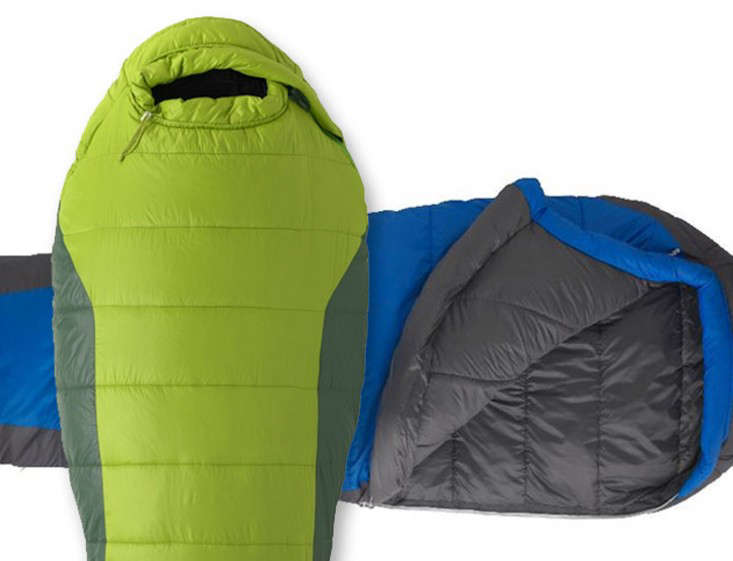
The Marmot Cloudbreak sleeping bag is one of those pieces of outdoor gear that feels like it was designed for campers who want practical warmth without needing to sell a kidney to fund their weekend backpacking habit. More specifically, the best-known version is the Marmot Cloudbreak 20, a synthetic mummy sleeping bag built for three-season backpacking, damp-weather camping, and chilly nights when your tent starts sounding like a nylon drum solo in the wind.
Although the Cloudbreak 20 is now often listed as discontinued or out of stock, it still comes up in gear discussions, secondhand marketplaces, rental fleets, and backpacking gear lists because it hit a sweet spot: warm enough for shoulder-season trips, lighter than many budget synthetic bags, and more weather-forgiving than down. It was never the fanciest sleeping bag on the mountain, but it earned respect the same way a reliable camp stove doesby doing its job while everyone else is arguing about ultralight spreadsheets.
This review and guide breaks down what made the Marmot Cloudbreak sleeping bag useful, who it fits best, how it compares with modern sleeping bags, and what to watch for if you are buying one used today.
What Is the Marmot Cloudbreak Sleeping Bag?
The Marmot Cloudbreak 20 is a 20-degree synthetic mummy sleeping bag designed for backpacking and camping. Its main selling point was simple: provide a strong warmth-to-weight ratio for a synthetic bag while keeping the price moderate. It used Marmot’s Thermal R insulation system, a polyester-based synthetic fill engineered to manage moisture, maintain loft, and keep insulating even when conditions get damp.
That last part matters. Down sleeping bags usually win the beauty contest for compressibility and warmth-to-weight performance, but traditional down does not love moisture. Synthetic insulation, by contrast, is the dependable friend who still shows up when the weather forecast lied. The Cloudbreak was aimed at hikers who camp in humid forests, coastal zones, canoe routes, spring slush, or any place where “dry gear” becomes more of a hopeful slogan than a guarantee.
Key Marmot Cloudbreak 20 Specifications
Exact specs vary slightly by size and retailer listing, but the most commonly cited numbers for the Marmot Cloudbreak 20 include:
- Temperature rating: 20°F / -7°C
- EN comfort rating: about 32.2°F / 0.1°C
- EN lower limit rating: about 21.6°F / -5.8°C
- EN extreme rating: about -9.8°F / -23.2°C
- Insulation: Marmot Thermal R synthetic insulation
- Shape: mummy sleeping bag
- Regular weight: commonly listed around 2 lb 14 oz / 1304 g
- Long weight: commonly listed around 3 lb 6 oz / 1530 g
- Regular fit: up to about 6 feet
- Long fit: up to about 6 feet 6 inches
- Shell material: nylon ripstop with water-resistant treatment
- Included storage: stuff sack and storage sack on many listings
The most important detail is not the big “20°F” number on the name. The better number for many campers is the comfort rating, which sits closer to freezing. In plain English: warm sleepers may stretch it near the low 20s with a good pad and layers, but cold sleepers should treat it as a reliable near-freezing bag rather than a magical anti-ice burrito.
Thermal R Synthetic Insulation: Why It Matters
The Cloudbreak’s biggest personality trait is its synthetic fill. Marmot’s Thermal R insulation uses polyester fibers designed to balance warmth, loft, durability, and moisture performance. In the Cloudbreak 20, Marmot used body-mapped insulation, placing higher-performance insulation where warmth is most critical: around the torso and feet.
This is a smart design choice. Your core is the furnace room, and your feet are the first employees to threaten resignation when temperatures drop. By adding warmth in those areas, Marmot improved thermal efficiency without simply stuffing the entire bag full of extra insulation and turning it into a heavy blue caterpillar.
The bag also used what Marmot called shingle-style baffle construction. Instead of letting insulation drift around randomly, the construction helped keep loft distributed and reduce cold spots. That matters in synthetic bags because compressed or migrated insulation can create chilly patches, usually discovered at 2:37 a.m. when you are too sleepy to fix anything and too cold to ignore it.
Warmth and Real-World Comfort
The Marmot Cloudbreak 20 is best understood as a three-season sleeping bag. It is suitable for spring, fall, and cooler summer nights, especially in damp conditions. It is not an expedition winter bag, and it should not be treated like one. For winter camping, high-altitude trips, or nights well below freezing, you would want a warmer system.
Temperature ratings are also not promises carved into stone tablets. Your sleeping pad, shelter, clothing, food intake, wind exposure, humidity, fatigue level, and personal metabolism all influence how warm you feel. A 20-degree bag paired with a low R-value summer pad may feel colder than expected because the ground steals heat like a raccoon stealing trail mix.
For best results, pair the Cloudbreak 20 with an insulated sleeping pad rated for the conditions. Around freezing, a pad with a moderate R-value makes a huge difference. Add dry base layers, wool socks, and a warm hat if the night is trending chilly. The bag can do its job, but it is part of a sleep systemnot a one-person central heating unit.
Comfort, Fit, and Mummy Shape
The Cloudbreak uses a mummy cut, which means it narrows toward the feet and includes a hood to reduce heat loss. Mummy bags are popular for backpacking because they save weight and trap warmth more efficiently than rectangular sleeping bags. The tradeoff is space. If you sleep like a starfish, a mummy bag may feel like the sleeping equivalent of being politely shrink-wrapped.
Reviews often describe the Cloudbreak as moderately comfortable but not especially roomy. That is normal for a performance-focused synthetic mummy bag. The regular size fits sleepers up to about 6 feet, while the long version fits taller users up to about 6 feet 6 inches. Broader users, restless sleepers, or people who prefer a relaxed camping experience may find the fit snug.
The hood is one of the bag’s stronger features. A good hood keeps warmth from escaping around your head and neck, and Marmot has long been known for solid hood designs. The Cloudbreak also includes draft tubes near the zipper, which help block cold air from sneaking in through the zipper line. Because nothing says “wilderness romance” quite like waking up to a thin ribbon of cold air running down your ribs.
Weight and Packability
For a synthetic 20-degree sleeping bag, the Cloudbreak 20 was reasonably light when it launched. The regular version is commonly listed around 2 pounds 14 ounces, while the long version is heavier. Compared with premium down bags, it is not ultralight. Compared with bulky budget synthetic bags, it is refreshingly backpackable.
This makes it a good fit for hikers who want to keep weight under control but are not chasing the absolute lightest possible kit. A thru-hiker obsessed with shaving ounces might prefer a modern down quilt or high-end down mummy bag. A weekend backpacker, scout leader, canoe camper, or budget-minded hiker may appreciate the Cloudbreak’s balance of cost, warmth, and wet-weather confidence.
Packability is decent but not exceptional. Synthetic insulation typically takes more room than down, so expect the Cloudbreak to occupy a noticeable chunk of backpack space. A compression sack can help, but avoid storing the bag compressed long-term. Like all insulated bags, it prefers to live loose and fluffy when not in use. Treat it like a house cat: compress briefly when necessary, then let it sprawl.
Best Uses for the Marmot Cloudbreak Sleeping Bag
Backpacking in Damp Conditions
The Cloudbreak shines in places where moisture is a regular guest. Pacific Northwest trails, Appalachian spring trips, lake country, foggy coastal routes, and canoe camps are all environments where synthetic insulation makes sense. If your tent walls collect condensation or your pack gets damp despite your best effort, synthetic fill offers peace of mind.
Three-Season Camping
For nights from the low 30s to cool 50s, the Cloudbreak is in its comfort zone. You can vent it in warmer weather by opening the zipper, and you can cinch the hood and draft collar when temperatures drop. It is a practical one-bag solution for campers who do not want a closet full of specialized sleep systems.
Budget Backpacking
When new, the Cloudbreak 20 sat in a moderate price range. Today, used models may be appealing for buyers who want a quality synthetic bag without paying modern premium prices. Just inspect condition carefully. A bargain sleeping bag is only a bargain if the insulation still has loft and the zipper is not planning early retirement.
Loaner Gear and Group Trips
The Cloudbreak also works well as loaner gear. It is warmer and more technical than basic campground bags, yet less delicate than expensive ultralight down bags. For scout groups, family camping kits, or friends who suddenly decide they are “outdoorsy now,” it is a practical option.
Pros and Cons
Pros
- Warm synthetic insulation performs better than down in damp conditions.
- Body-mapped insulation adds warmth around the core and feet.
- Mummy shape and hood improve heat retention.
- Good value compared with premium down bags.
- Reasonable weight for a synthetic three-season bag.
- Useful for backpacking, canoe camping, and wet-weather trips.
Cons
- Not as light or compressible as high-end down sleeping bags.
- May feel tight for broad-shouldered or restless sleepers.
- Older models may have reduced loft if stored compressed.
- Often discontinued or difficult to find new.
- The 20°F label may be optimistic for cold sleepers.
Buying a Used Marmot Cloudbreak Sleeping Bag
Because the Cloudbreak 20 is no longer commonly available as a current retail item, many buyers will encounter it secondhand. Before buying, ask for clear photos of the shell, lining, zipper, footbox, hood, and loft. If possible, ask whether it was stored loose or compressed. Long-term compression can permanently reduce insulation performance.
Check for odors, mildew, broken zipper teeth, torn baffles, flattened areas, and sticky coatings. A little trail dust is normal; a mysterious basement smell is not part of the official feature list. If the bag has been heavily used, factor in the cost of cleaning and the possibility that it will not perform like it did when new.
A fair used price depends on condition, size, and market availability. Since the original price was moderate, avoid overpaying just because the word “Marmot” is on the tag. Modern synthetic bags such as Marmot’s Trestles Elite Eco line, REI synthetic models, and other updated three-season bags may offer newer materials and warranties.
How to Care for the Marmot Cloudbreak
Good care can extend the life of any sleeping bag. Store the Cloudbreak in a large storage sack or hang it in a dry closet. Do not leave it crushed in a tiny stuff sack between trips. Air it out after every outing, especially after damp or humid nights.
For washing, use a large front-loading machine and a cleaner made for technical outdoor gear. Avoid harsh detergents, bleach, and top-loading washers with aggressive agitators. Dry on low heat, checking frequently, and make sure the bag is fully dry before storage. Damp insulation stored in a closet can develop odors or mildew, and nobody wants a sleeping bag that smells like a swamp with ambition.
Use a sleeping bag liner if you camp often. A liner adds a little warmth, keeps body oils away from the bag fabric, and is easier to wash than the entire sleeping bag. Also, sleep in clean base layers when possible. Your bag will thank you silently, which is exactly how sleeping bags express gratitude.
Marmot Cloudbreak vs. Down Sleeping Bags
Compared with a down bag of the same temperature rating, the Marmot Cloudbreak is heavier and bulkier. That is the classic synthetic tradeoff. Down offers better warmth-to-weight performance and compresses beautifully, making it the darling of ultralight backpackers and gear nerds everywhere.
However, synthetic insulation has advantages. It is usually less expensive, dries faster, and retains more insulating ability when damp. For beginners, group leaders, damp climates, and users who do not want to baby their gear, synthetic insulation can be the smarter choice.
The Cloudbreak sits in the practical middle. It is not the lightest 20-degree bag. It is not the roomiest car-camping cocoon. It is not the fanciest feather-filled luxury tube on the shelf. But it is a solid, weather-conscious backpacking bag with sensible design decisions.
Who Should Choose the Marmot Cloudbreak Sleeping Bag?
The Marmot Cloudbreak sleeping bag is a good choice for campers who prioritize dependability over prestige. It suits backpackers who expect wet weather, beginners building a gear kit, hikers who camp around freezing temperatures, and anyone who wants a synthetic mummy bag with real technical features.
It is less ideal for ultralight backpackers, winter campers, side sleepers who need lots of room, or people who want the smallest packed size possible. If you mostly car camp in summer, it may be warmer and narrower than necessary. If you routinely sleep below 20°F, it is not enough by itself.
Think of the Cloudbreak as a capable three-season workhorse. It is not trying to impress your spreadsheet. It is trying to keep you warm after a long trail day when your socks are questionable, your dinner is dehydrated, and your tent neighbor is snoring like a chainsaw with emotional problems.
Experience Notes: What It Feels Like to Use a Marmot Cloudbreak Sleeping Bag
Using a bag like the Marmot Cloudbreak 20 feels different from using an ultralight down bag. The first thing you notice is the structure. It has a sturdier, more substantial feel, which can be reassuring when the weather is damp or the campsite is less than perfect. You do not feel as if one pine needle will destroy your entire investment.
On a chilly evening, the mummy shape begins working quickly. Slide in, pull the zipper, snug the hood, and the bag starts trapping warmth around your body. The footbox is especially important. Cold feet can ruin sleep faster than a nearby camper opening a crinkly snack bag at midnight. The Cloudbreak’s body-mapped insulation helps the foot area feel protected, especially when paired with dry socks.
In wet climates, the psychological comfort of synthetic insulation is real. Even if the tent fly collects condensation or your pack liner is not perfect, you have a little more forgiveness. That does not mean you should let the bag get soaked. No sleeping bag enjoys being treated like a sponge. But the Cloudbreak is less fussy than traditional down, which makes it easier to use on messy trips.
The zipper and draft tube combination is useful during temperature swings. On cold nights, the draft tube helps block heat loss. On warmer nights, unzipping partly prevents overheating. This is helpful during shoulder season when the evening starts pleasant, the midnight air turns sharp, and the morning sun suddenly turns your tent into a tiny nylon greenhouse.
The main comfort limitation is space. If you are used to rectangular campground bags, the Cloudbreak may feel narrow at first. Mummy bags reward still sleepers and efficient packers; they mildly judge people who attempt full gymnastics inside them. Side sleepers can use it, but broad or highly mobile sleepers may prefer a roomier modern design.
For backpacking, the weight is manageable. It is not featherlight, but it is not a brick. Packed in the bottom of a 50- to 65-liter backpack, it makes sense for weekend trips, beginner backpacking, and moderate mileage. If you are hiking twenty-mile days and weighing toothbrush handles, you will probably look elsewhere. If your goal is to sleep warmly without obsessing over every gram, the Cloudbreak is easy to appreciate.
The best experience with this bag comes from building the right system around it. Use a warm enough sleeping pad. Keep a dry sleep layer in a waterproof bag. Vent your tent to reduce condensation. Eat enough dinner so your body has fuel to produce heat. A sleeping bag traps warmth; it does not manufacture it. Sadly, no gear company has yet invented a bag that compensates for skipping dinner and sitting around camp shivering in cotton socks.
For secondhand buyers, the experience depends heavily on condition. A well-stored Cloudbreak can still be a very useful bag. A flattened one that lived compressed in a garage for ten years may perform closer to an optimistic blanket. Look for loft, clean fabric, smooth zipper movement, and no musty odor. When in doubt, compare the price with current synthetic sleeping bags before buying.
Overall, the Marmot Cloudbreak sleeping bag feels like honest gear. It does not pretend to be the lightest, smallest, or most luxurious option. Instead, it offers a practical mix of warmth, damp-weather performance, and trail-ready design. For the right camper, that combination is still valuable.
Conclusion
The Marmot Cloudbreak Sleeping Bag, especially the Cloudbreak 20, remains a smart example of what a three-season synthetic backpacking bag should be: warm, reasonably light, moisture-tolerant, and practical. Its Thermal R insulation, mummy shape, body-mapped warmth, draft tube, and adjustable hood made it a dependable choice for backpackers and campers who needed performance without premium down pricing.
It is not perfect. It is bulkier than down, snug for some sleepers, and now often found only used or discontinued. But if you find one in good condition at a fair price, the Cloudbreak can still be a strong option for damp-weather backpacking, shoulder-season camping, and reliable outdoor sleep. Just remember to pair it with a proper sleeping pad, store it loose, and never ask a 20-degree label to do the work of an entire winter sleep system.
Note: Product availability, prices, and condition can vary because the Marmot Cloudbreak 20 is commonly listed as discontinued or sold out. Always verify current specs and inspect used gear carefully before purchasing.