Note: This article is synthesized from reputable U.S. health, medical, sleep, heart-health, and peer-reviewed research sources, including public guidance and research summaries from organizations such as the CDC, NIH, NHLBI, NEI, American Heart Association, Mayo Clinic, Cleveland Clinic, Harvard Health, Sleep Foundation, and PubMed Central-indexed studies.
Introduction: One More Episode, Famous Last Words
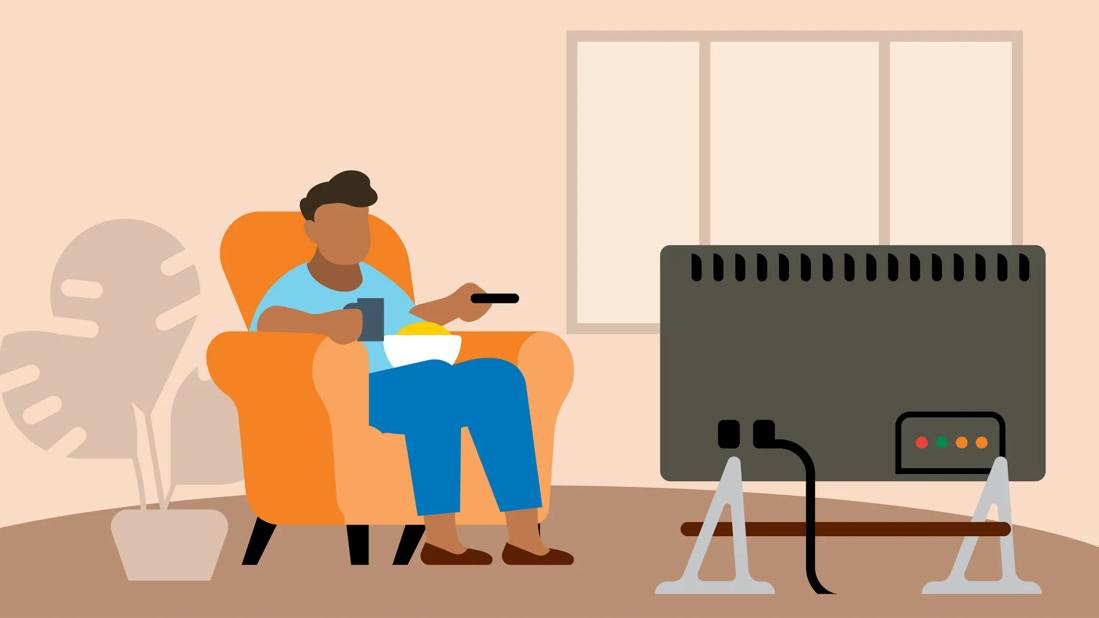
Binge-watching TV sounds harmless enough. You sit down after a long day, open your favorite streaming app, and promise yourself you will watch just one episode. Then the cliffhanger arrives, the autoplay countdown starts, and suddenly your living room has become a time machine. It was 8:30 p.m. five minutes ago. Now it is 1:47 a.m., your snack bowl is empty, your neck has turned into a coat hanger, and Netflix is politely asking whether you are still alive.
For many people, binge-watching is not just entertainment. It is comfort, escape, routine, reward, background noise, and sometimes a full-contact emotional sport. A great show can be relaxing and genuinely enjoyable. The problem begins when “watching TV” quietly becomes “sitting for hours, sleeping less, moving less, eating mindlessly, ignoring responsibilities, and letting fictional people make real-life decisions for your nervous system.”
So, why is binge-watching TV bad for you? The short answer is that excessive TV marathons can affect sleep quality, heart health, weight management, posture, mood, productivity, and social connection. The longer answer is more interestingand slightly more uncomfortable if you are reading this while three episodes deep into a crime documentary.
What Counts as Binge-Watching?
Binge-watching generally means watching multiple episodes of a TV show in one sitting. There is no universal medical definition, but the idea is simple: you consume a lot of screen content continuously, often for several hours. It is the television version of saying, “I will only have one chip,” and then discovering the bag has somehow evaporated.
The behavior became especially common with streaming platforms because modern TV is designed to keep you watching. Autoplay removes friction. Cliffhangers create curiosity. Algorithms recommend the next show before your brain can remember that tomorrow exists. Even episode structure has changed. Many series are built like long movies chopped into pieces, making stopping feel almost rude.
Occasional binge-watching is not automatically a disaster. Watching a few episodes on a rainy Saturday is different from regularly sacrificing sleep, movement, work, school, relationships, or mental clarity. The danger is not the TV itself. The danger is the pattern.
The Biggest Health Risks of Binge-Watching TV
1. Binge-Watching Can Wreck Your Sleep
Sleep is often the first victim of a TV binge. This is especially true when binge-watching happens at night, which, let’s be honest, is when most people do it. A suspenseful plot can keep your brain alert long after the screen turns off. Instead of winding down, your mind is busy solving murders, judging fictional relationships, or wondering why the villain has better lighting than everyone else.
Research on binge-viewing has linked frequent binge-watching with poorer sleep quality, more fatigue, and more symptoms of insomnia. The problem is not only blue light from screens, although that can matter. The bigger issue may be mental stimulation. Fast-moving plots, emotional scenes, cliffhangers, and “just one more episode” thinking can delay bedtime and make it harder to relax.
Poor sleep is not a small inconvenience. Over time, inadequate or low-quality sleep is connected with higher risks of high blood pressure, heart disease, diabetes, obesity, depression, reduced concentration, slower reaction time, and weaker immune function. In other words, your body does not care that the season finale was “important.” It wanted seven to nine hours of quality sleep.
2. It Turns Sitting Into a Lifestyle
Binge-watching is usually a sedentary activity. That means long periods of sitting or lying down with very little physical movement. A single episode may not matter much, but several hours at a time can add up quickly. Your body was built to move, not to become emotionally attached to the couch cushions.
Extended sitting has been associated with increased risks of cardiovascular disease, type 2 diabetes, weight gain, poor circulation, and early mortality. Television viewing is especially concerning because it often combines sitting with snacking, late-night hours, and low mental effort. Unlike reading, crafting, or some hobbies that engage the brain differently, passive TV viewing can make time disappear without providing much physical or cognitive benefit.
One major issue is that exercise does not completely erase the effects of prolonged sitting. A person can work out in the morning and still spend too much of the evening sitting motionless. Movement breaks matter. Standing, stretching, walking around, or doing light chores between episodes can reduce the “human furniture” effect.
3. It Can Encourage Mindless Eating
Binge-watching and snacking are a legendary duo. Unfortunately, they are not always good teammates. When you eat while absorbed in a show, your attention is on the plot rather than your hunger cues. That makes it easier to overeat without noticing.
TV snacks also tend to be convenient foods: chips, cookies, candy, pizza, sugary drinks, buttery popcorn, and anything that can be eaten from a bowl large enough to bathe a small dog. The issue is not that snacks are forbidden. The issue is that distracted eating can turn a small treat into an accidental banquet.
Over time, repeated binge-watching sessions can contribute to weight gain, poorer diet quality, and unhealthy eating routines. Late-night snacking may also disrupt digestion and sleep. Your stomach may technically accept nachos at midnight, but that does not mean it is thrilled about the business arrangement.
4. Your Heart May Not Love the Marathon
Television watching has been studied as a marker of sedentary behavior, and several studies have associated prolonged TV viewing with higher risks of heart disease, stroke, metabolic problems, and premature death. The American Heart Association has reported research linking higher TV time with cardiovascular risk, especially when screen time replaces physical activity or steals sleep.
Why is TV sitting potentially worse than some other sitting? One theory is that TV watching often comes with unhealthy add-ons: long uninterrupted sessions, evening snacking, lower energy expenditure, and fewer natural breaks. At work, people may stand for meetings, walk to another room, or shift tasks. During a TV binge, the only cardio may be searching for the remote under a blanket.
Blood circulation also slows when you sit for long stretches. In rare but serious cases, prolonged immobility can increase the risk of blood clots, especially for people with additional risk factors. That does not mean every TV night is dangerous, but it does mean marathon viewing should not become your default leisure mode.
5. It Can Mess With Your Mood
People often binge-watch to feel better. After a stressful day, TV offers a clean little escape hatch. No emails. No chores. No awkward conversations. Just you, the sofa, and characters whose problems are dramatic enough to make your own inbox look humble.
But using TV as the main way to cope with stress can backfire. Studies have found associations between problematic binge-watching and symptoms such as loneliness, depression, anxiety, stress, poor sleep, and lower quality of life. The direction can go both ways: people may binge-watch because they feel bad, and then feel worse because binge-watching causes them to sleep less, isolate more, or avoid important tasks.
Emotionally intense shows can also leave viewers overstimulated. Crime dramas, dystopian thrillers, medical tragedies, or chaotic reality TV can keep the nervous system on high alert. Your brain may know the show is fictional, but your body can still respond with tension, worry, or restlessness.
6. It Can Shrink Your Social Life
Watching TV alone is not automatically unhealthy. Solitude can be restful. The problem appears when binge-watching repeatedly replaces real connection. Canceling plans, ignoring texts, avoiding family time, or choosing another episode over meaningful interaction can gradually create social isolation.
There is also a sneaky emotional trap: TV characters can begin to feel like social company. That is not strange; good storytelling creates attachment. But fictional connection cannot fully replace real conversation, shared experiences, or support from actual people who can help you move a couch, laugh at your bad jokes, or tell you when your life is becoming a streaming-service hostage situation.
7. It Can Hurt Productivity and Self-Control
Binge-watching is built around delayed stopping. The next episode begins automatically, and the viewer has to actively choose to stop. That tiny design detail matters. When you are tired, stressed, or emotionally hooked, stopping requires more self-control than starting.
This can create a cycle of procrastination. You delay homework, work tasks, cleaning, exercise, errands, or sleep. Then you feel guilty. Then you watch more TV to avoid the guilt. Congratulations: the couch has become a tiny emotional economy, and the interest rate is terrible.
Problematic binge-watching is not officially the same as substance addiction, and it should not be exaggerated. Still, some people experience loss of control, cravings, neglect of duties, and continued viewing despite negative consequences. That is a sign the habit deserves attention.
8. Your Eyes, Neck, and Back May Complain
Hours of screen time can contribute to tired eyes, dry eyes, headaches, blurry vision, neck stiffness, shoulder tension, and back discomfort. The body does not enjoy being folded into the same position for an entire season of prestige television.
Digital eye strain often happens when people blink less while staring at screens. The National Eye Institute commonly recommends the 20-20-20 rule for screen breaks: every 20 minutes, look at something 20 feet away for 20 seconds. Your eyes are not being dramatic. They simply did not sign a contract to stare at glowing pixels until midnight.
Posture is another issue. Many binge-watchers slump, twist, crane their necks, or watch from bed with their spine arranged like a question mark. Over time, that can contribute to discomfort and poor movement habits.
Why Binge-Watching Feels So Good
If binge-watching has downsides, why is it so appealing? Because it worksat least in the short term. It gives immediate comfort, predictable entertainment, emotional stimulation, and relief from decision fatigue. After a demanding day, choosing a show is easier than choosing a life strategy.
Streaming platforms also remove natural stopping points. Traditional TV had commercials and weekly schedules. Streaming has autoplay, full-season drops, personalized recommendations, and cliffhangers sharpened like tiny psychological fishhooks. The platform does not need to force you to stay. It simply makes leaving slightly inconvenient.
There is also the pleasure of completion. Finishing a season feels satisfying. You understand the memes, avoid spoilers, and join the cultural conversation. The problem is that your body pays the bill when completion comes at the cost of sleep, movement, and balance.
Signs Your TV Habit Has Become Unhealthy
Binge-watching may be a problem if you often stay up later than planned, feel tired the next day, skip exercise, eat more than intended, avoid responsibilities, cancel social plans, feel guilty after watching, or struggle to stop even when you want to. Another red flag is using TV as your only way to handle stress, sadness, boredom, or loneliness.
The question is not, “Do I watch TV?” The better question is, “What is TV replacing?” If it replaces sleep, movement, connection, sunlight, learning, chores, hobbies, or peace of mind, the cost is higher than the monthly subscription.
How to Watch TV Without Letting It Win
Set an Episode Limit Before You Start
Decide your stopping point before the show begins. “Two episodes” is a plan. “I’ll stop when I feel like it” is how people meet the sunrise while wearing yesterday’s socks.
Turn Off Autoplay
Autoplay is convenient, but it quietly removes your decision-making moment. Turning it off puts a small pause between you and the next episode. That pause can save your bedtime.
Use Movement Breaks
Stand up between episodes. Stretch. Walk around. Refill water. Do ten squats. Fold laundry. Your body does not need a dramatic fitness transformation during TV night. It just needs proof that you are not a decorative pillow.
Keep Snacks Intentional
Put snacks in a bowl instead of eating from the package. Choose water sometimes. Add fruit, nuts, yogurt, or air-popped popcorn when possible. You can enjoy food without turning every episode into a competitive eating event.
Protect Your Bedtime
Avoid starting suspenseful shows too close to sleep. If a series is famous for cliffhangers, do not begin an episode at 11:30 p.m. unless tomorrow-you has approved the paperwork.
Choose Better Wind-Down Activities
If you need relaxation before bed, try reading, stretching, journaling, calming music, an audiobook, or a low-stimulation show with a firm stop time. Not all entertainment has to grab your brain by the collar.
Personal Experiences and Real-Life Lessons About Binge-Watching
Most people do not realize binge-watching is affecting them until the consequences become embarrassingly obvious. The first sign is often sleep. You wake up feeling like your alarm clock has personally betrayed you. Your eyes are heavy, your brain is buffering, and your first thought is not “Good morning,” but “Why did I watch episode seven?”
One common experience is the “weeknight trap.” You plan to watch one episode after dinner as a reward. The first episode ends with a mystery. The second episode explains half of it. The third introduces a bigger mystery, because apparently writers are paid by the unresolved question. By the time you stop, your laundry is still unfolded, your messages are unanswered, and your bedtime has been thrown into a volcano.
Another familiar pattern is emotional carryover. After several hours of intense drama, your mood can shift without you noticing. A dark crime series may leave you tense. A chaotic reality show may make normal life feel dull. A tragic drama may make you oddly sad even though nothing bad happened to you personally. That is the strange power of storytelling. It lets us feel deeply, but too much emotional intensity can leave the nervous system tired.
There is also the snack problem. Many binge-watchers have had the moment of looking down and realizing the snack disappeared without permission. You do not remember eating that much because your attention was on the screen. This is why portioning snacks matters. It is not about being strict; it is about giving your brain a fair chance to notice what your hand is doing.
Socially, binge-watching can become a quiet excuse. You skip a walk with a friend because you are “almost done” with a season. You delay calling family because the next episode already started. You tell yourself you are relaxing, but afterward you may feel oddly disconnected. Real rest usually leaves you restored. Too much passive screen time can leave you numb.
A healthier experience is possible. Many people feel better when they turn binge-watching into planned watching. For example, choosing two episodes on Friday night, putting the phone away, making tea, and stretching between episodes can feel enjoyable without becoming a life vacuum. Watching with a friend or family member can also make TV more social and less isolating. The difference is intention.
The best lesson is simple: TV should fit into your life, not swallow it whole. A great show can make you laugh, think, cry, and relax. But when it regularly steals sleep, movement, focus, and connection, it stops being entertainment and starts becoming a very comfortable thief.
Conclusion: Keep the Show, Lose the Spiral
Binge-watching TV is not bad because television is evil or because fun must be punished. It is bad when it becomes excessive, automatic, and costly. Long viewing sessions can disrupt sleep, increase sedentary time, encourage mindless eating, strain your eyes and posture, affect mood, reduce productivity, and weaken real-world connection.
The goal is not to cancel every streaming subscription and move to a candlelit cabin. The goal is to watch with awareness. Set limits. Take breaks. Protect sleep. Move your body. Choose snacks intentionally. Notice how different shows affect your mood. Most importantly, make sure entertainment is adding to your life rather than quietly taking over the schedule.
You can still enjoy your favorite series. Just remember: when the screen asks, “Are you still watching?” it may be the most honest wellness check you get all night.