Osteoporosis is often called a “silent disease,” which sounds mysterious, almost like something that should wear a tiny cape and live in the attic. In real life, it is less theatrical but much more important: osteoporosis weakens bones, lowers bone density, and increases the risk of fractures, especially in the hip, spine, and wrist. Many people do not know they have it until a bone breaks after a minor fall, a quick twist, or even an awkward encounter with a laundry basket.
The good news is that osteoporosis is not a life sentence written in stoneor bone. With early screening, smart nutrition, strength-building movement, fall prevention, and the right medical treatment, many people can slow bone loss, reduce fracture risk, and stay active for years. This guide explains the causes of osteoporosis, major risk factors, how doctors diagnose it, and the most common treatment options in plain American English, minus the medical fog machine.
What Is Osteoporosis?
Osteoporosis is a bone disease that happens when the body loses too much bone, makes too little bone, or both. Healthy bone is living tissue. It is constantly being broken down and rebuilt, like a construction site that never fully clocks out. During childhood and young adulthood, the body usually builds bone faster than it loses it. Peak bone mass is generally reached by early adulthood. After that, bone remodeling continues, but the balance can slowly shift toward bone loss.
When bone mineral density decreases and the inner structure of bone becomes weaker, bones become more fragile. The word “osteoporosis” literally suggests porous bone. Picture a strong honeycomb structure that has become thinner and more delicate over time. The bone may still look normal from the outside, but it can be less able to handle stress.
Why Osteoporosis Matters
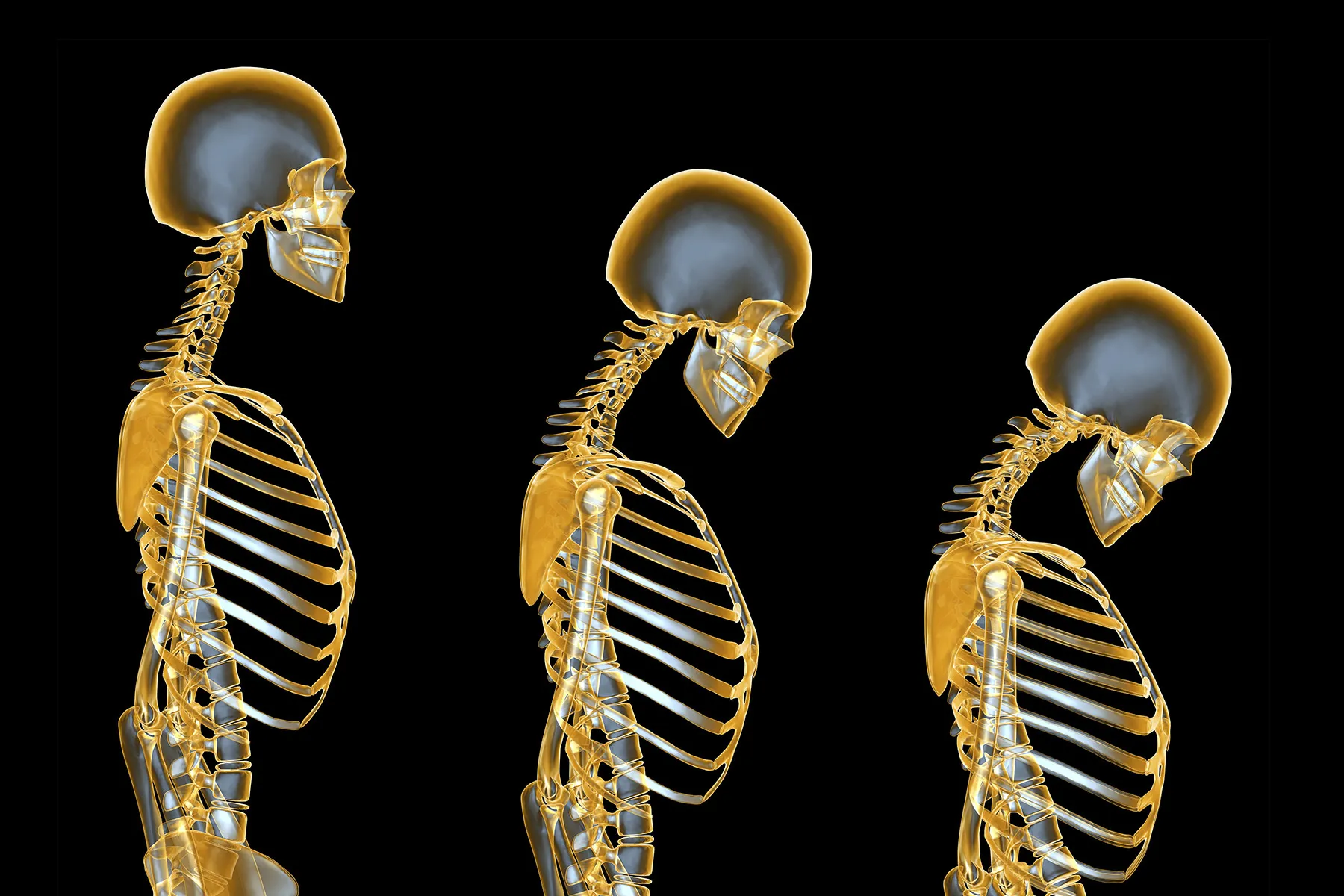
The biggest danger of osteoporosis is fracture. A broken wrist may be painful and inconvenient, but a hip or spinal fracture can change mobility, independence, and quality of life. Spine fractures may lead to height loss, back pain, posture changes, and the classic “stooped” appearance many people associate with advanced bone loss. Hip fractures are especially serious because they often require surgery, rehabilitation, and long recovery periods.
Osteoporosis matters because bones are not just a skeleton-shaped coat rack. They support movement, protect organs, store minerals, and help you remain independent. Strong bones make everyday life easier: climbing stairs, carrying groceries, gardening, dancing at weddings, or simply walking across a wet kitchen floor without turning the moment into a medical drama.
Common Causes of Osteoporosis
1. Aging and Natural Bone Loss
Age is one of the most important causes of osteoporosis. As people grow older, bone breakdown can outpace bone formation. This does not mean everyone over 50 is doomed to snap like a breadstick. It means bone health deserves more attention with age, just like blood pressure, vision, and remembering where the car keys went.
2. Hormonal Changes
Hormones play a major role in bone strength. In women, estrogen helps protect bone. After menopause, estrogen levels drop, and bone loss can speed up. This is why postmenopausal women have a higher risk of osteoporosis. In men, low testosterone may also contribute to bone loss, especially with aging or certain medical conditions.
3. Low Calcium and Vitamin D Intake
Calcium gives bones much of their structure, while vitamin D helps the body absorb calcium. A long-term diet low in calcium, vitamin D, or adequate protein can weaken the body’s bone-building system. Think of it like trying to renovate a house without lumber, nails, or anyone who knows where the toolbox is.
4. Low Physical Activity
Bones respond to healthy stress. Weight-bearing activities such as walking, stair climbing, dancing, and resistance training signal bones and muscles to stay strong. Long periods of inactivity can contribute to bone loss and also weaken balance and coordination, which raises the risk of falls.
5. Certain Medical Conditions
Some diseases can increase the risk of osteoporosis. These may include rheumatoid arthritis, inflammatory bowel disease, celiac disease, kidney disease, liver disease, thyroid disorders, parathyroid problems, and conditions that interfere with nutrient absorption. People with eating disorders or very low body weight may also face higher risk because the body may not get enough nutrients or hormonal support for healthy bone maintenance.
6. Medications That Affect Bone
Long-term use of glucocorticoids, such as prednisone, is a well-known cause of secondary osteoporosis. Other medicines may also affect bone health in some people, including certain anti-seizure medications, some cancer treatments, and medications that reduce sex hormone levels. This does not mean people should stop prescribed medicine on their own. It means bone protection should be part of the conversation with a healthcare professional.
Major Risk Factors for Osteoporosis
Some risk factors cannot be changed. Others can. The trick is knowing which cards you were dealt and which ones you can still play differently.
Risk Factors You Cannot Control
- Age over 50
- Female sex, especially after menopause
- Family history of osteoporosis or hip fracture
- Small body frame or low body weight
- White or Asian background, though osteoporosis can affect people of any race or ethnicity
- Previous fracture from a low-impact injury
Risk Factors You Can Improve
- Smoking or tobacco use
- Heavy alcohol use
- Low calcium intake
- Low vitamin D levels
- Lack of weight-bearing or muscle-strengthening exercise
- Poor balance, unsafe home setup, or frequent falls
- Not treating underlying medical conditions that affect bone health
A person does not need every risk factor to develop osteoporosis. Sometimes one major factor, such as long-term steroid treatment or early menopause, is enough to justify screening. Other times, several smaller risks combine quietly over years.
Symptoms: Why Osteoporosis Can Be Hard to Notice
Osteoporosis usually does not cause early symptoms. There is no flashing dashboard light that says, “Bone density low, please service skeleton.” Many people feel completely fine until a fracture occurs. That is why screening matters.
Possible warning signs include sudden back pain, loss of height, a stooped posture, or a bone that breaks more easily than expected. A fracture after a simple fall from standing height may be a clue that bone strength needs evaluation.
How Osteoporosis Is Diagnosed
Bone Density Testing With DXA
The most common test for diagnosing osteoporosis is a bone density scan called DXA or DEXA, short for dual-energy X-ray absorptiometry. It is painless, quick, and usually focuses on the hip and spine. The result is often reported as a T-score, which compares a person’s bone density with that of a healthy young adult.
A T-score of -1.0 or higher is generally considered normal. A T-score between -1.0 and -2.5 suggests low bone mass, often called osteopenia. A T-score of -2.5 or lower is consistent with osteoporosis. However, doctors do not look at the number alone. They also consider age, fracture history, medications, medical conditions, and overall fall risk.
Fracture Risk Assessment
Healthcare professionals may use fracture risk tools to estimate a person’s chance of breaking a bone in the next 10 years. These tools can help decide whether lifestyle changes are enough or whether medication should be considered. A person with osteopenia and several risk factors may need treatment even if the T-score is not in the osteoporosis range.
Lab Tests
Blood and urine tests may be ordered to look for causes of bone loss. These can include vitamin D level, calcium level, kidney function, thyroid function, parathyroid hormone, testosterone in some men, and markers of other conditions. The goal is to avoid treating osteoporosis like a random event when it may be connected to a fixable problem.
Who Should Be Screened?
In the United States, women age 65 and older are generally recommended to be screened for osteoporosis. Postmenopausal women younger than 65 may also need screening if they have risk factors that raise fracture risk. For men, screening decisions are more individualized because evidence is less clear, but many clinicians consider testing in older men or men with major risk factors such as previous fracture, long-term steroid use, low testosterone, or significant weight loss.
Treatment Options for Osteoporosis
Osteoporosis treatment has two big goals: strengthen bone and prevent fractures. Treatment may include nutrition, exercise, fall prevention, and medication. The best plan depends on age, bone density, fracture history, other health conditions, and personal preferences.
Nutrition: Calcium, Vitamin D, and Protein
Calcium is essential for bone structure. Many adults need around 1,000 to 1,200 mg of calcium per day, depending on age and sex, but the best target should be discussed with a healthcare professional. Food sources include dairy products, fortified plant milks, tofu made with calcium, leafy greens, sardines with bones, and fortified cereals.
Vitamin D helps the body absorb calcium. It can come from sunlight, fortified foods, fatty fish, and supplements when needed. However, more is not always better. Very high supplement doses can cause problems, so testing and medical guidance are helpful, especially for people already diagnosed with osteoporosis.
Protein also matters. Bones are not made of calcium alone. Adequate protein supports muscles and bone matrix. For older adults, maintaining muscle is part of fracture prevention because stronger muscles improve balance and reduce fall risk.
Exercise: Build Strength Without Playing Superhero
Weight-bearing exercise and muscle-strengthening exercise are central to bone health. Walking, low-impact aerobics, stair climbing, resistance bands, weight training, and bodyweight exercises can help maintain strength. Balance training, tai chi, and posture exercises may reduce falls.
People with osteoporosis should choose exercises carefully. High-impact moves, deep forward bending, or twisting movements may not be safe for everyone, especially after spine fractures. A physical therapist or qualified trainer familiar with osteoporosis can help design a safer routine.
Fall Prevention
Preventing falls is just as important as improving bone density. A stronger bone is helpful; not hitting the floor in the first place is also a winning strategy. Fall prevention may include checking vision, reviewing medications that cause dizziness, improving lighting, removing loose rugs, installing grab bars, wearing supportive shoes, and building leg strength.
Bisphosphonates
Bisphosphonates are commonly used first-line medications for many people at high risk of fracture. They slow bone breakdown and can reduce fracture risk. Examples include alendronate, risedronate, ibandronate, and zoledronic acid. Some are pills; others are given by IV. Doctors may reassess after several years to decide whether continuing treatment or taking a medication break is appropriate.
Denosumab
Denosumab is an injection given every six months. It slows bone breakdown and may be used in people who cannot take bisphosphonates or who need another option. It should not be stopped suddenly without another bone-protective plan because bone loss can rebound after stopping.
Anabolic Medications
For people at very high fracture risk, doctors may recommend medications that help build new bone. These include teriparatide, abaloparatide, and romosozumab. They are usually used for a limited time and often followed by an antiresorptive medication to maintain gains in bone density.
Hormone-Related Treatments
Some people may be candidates for hormone-related therapy, such as estrogen therapy or selective estrogen receptor modulators like raloxifene. These options have benefits and risks, including possible effects on blood clots, breast cancer risk, or menopausal symptoms, so they require individualized medical advice.
Living Well With Osteoporosis
A diagnosis of osteoporosis can feel scary at first. Many people imagine they must stop moving, stop lifting, and spend the rest of life wrapped in bubble wrap like a fragile antique vase. That is usually not the goal. In many cases, safe movement is part of the treatment.
The practical approach is to respect the diagnosis without letting it shrink your life. Learn safe body mechanics. Bend at the hips and knees instead of rounding the spine. Use your legs when lifting. Keep frequently used items within easy reach. Choose shoes that do not secretly plot against you. Ask about physical therapy if balance, posture, or fear of falling is limiting daily activities.
Experience-Based Insights: What Osteoporosis Teaches in Real Life
In real life, osteoporosis is rarely discovered in a dramatic movie moment. More often, it appears during a routine checkup, after a bone density scan, or after someone says, “I only slipped a littlehow did I break something?” That surprise is one of the most common experiences people describe. They felt normal. They looked normal. Then suddenly, bone health became the main character.
One common lesson is that numbers matter, but habits matter too. A person may receive a DXA result and immediately focus on the T-score like it is a final exam grade. But the score is only part of the story. The daily routinebreakfast choices, walking habits, strength training, medication consistency, sleep, balance, and fall preventionoften determines whether the diagnosis becomes manageable or overwhelming.
Another real-world experience is the “supplement shelf panic.” Many people respond to osteoporosis by buying calcium, vitamin D, magnesium, vitamin K, collagen, and possibly three mysterious bottles recommended by someone’s cousin on the internet. A better approach is calmer: review diet first, check vitamin D if needed, discuss supplements with a clinician, and avoid taking more than the body can safely use. Bone health is not a contest to see who owns the most capsules.
Exercise can also feel confusing. People hear “weight-bearing exercise” and imagine they must become Olympic powerlifters by Thursday. Not true. For many, the starting point is walking regularly, practicing sit-to-stand movements, using light resistance bands, and improving balance. Small, repeated actions build confidence. A person who starts with ten careful minutes a day may eventually feel steadier, stronger, and less afraid of movement.
Family conversations are another underrated part of osteoporosis care. If a parent had a hip fracture or severe height loss, adult children should mention that history to their healthcare provider. Osteoporosis often runs quietly through families, not because anyone is ignoring it on purpose, but because people may think shrinking, stooping, or breaking bones is simply “getting old.” It is common, but it is not something to shrug off.
The biggest experience-based lesson is this: osteoporosis care works best when it becomes ordinary. Keep calcium-rich foods in the kitchen. Put walking shoes near the door. Add night lights before a fall happens. Take medication exactly as prescribed. Schedule follow-up scans when recommended. Ask questions. The goal is not to obsess over bones every hour; it is to build a life where your skeleton gets steady support in the background, like a reliable friend who never asks to split dessert.
Conclusion
Osteoporosis is common, quiet, and seriousbut it is also manageable. Understanding the causes, risk factors, diagnosis, and treatment of osteoporosis helps people take action before a fracture changes daily life. Strong bones need more than calcium commercials and wishful thinking. They need a complete plan: screening when appropriate, enough calcium and vitamin D, protein-rich nutrition, safe exercise, fall prevention, and medication when fracture risk is high.
If you are over 50, postmenopausal, taking long-term steroids, have a family history of hip fracture, or have already broken a bone from a minor fall, it is worth asking a healthcare professional about bone density testing. Your bones may be quiet, but they are not unimportant. Give them attention now, and they are more likely to keep doing their behind-the-scenes job for years to come.
Note: This article is for general educational purposes and should not replace medical advice, diagnosis, or treatment from a qualified healthcare professional.