Note: This article is for educational purposes only and should not replace medical advice from a qualified healthcare professional.
Introduction: How Much Do You Really Know About Hepatitis C?
Hepatitis C is one of those health topics that sounds intimidating, partly because it involves the liver, blood tests, viruses, and medical terms that look like they escaped from a science textbook. But here is the good news: understanding hepatitis C does not require a medical degree, a lab coat, or the ability to pronounce “sustained virologic response” on the first try.
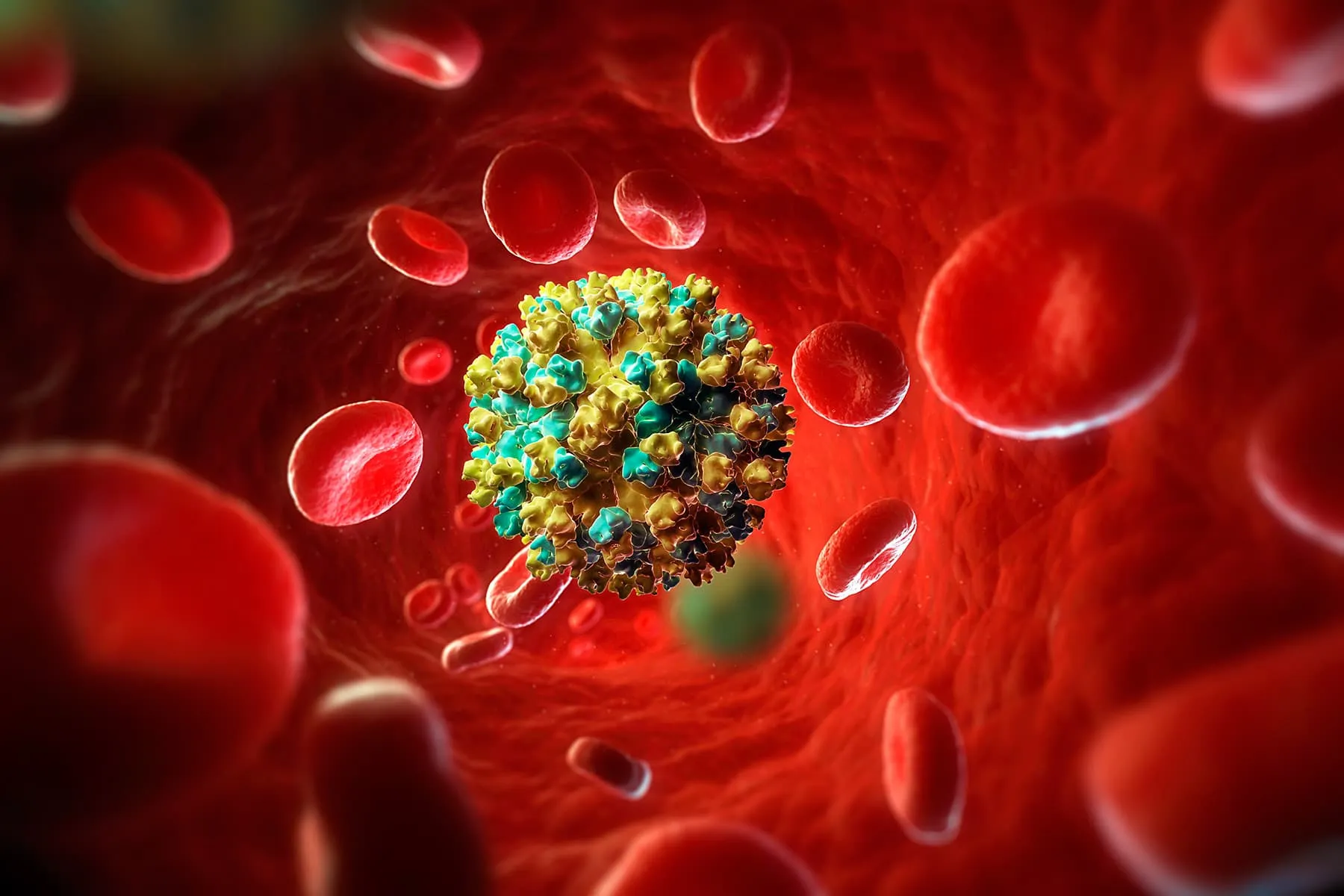
Hepatitis C, often called hep C or HCV, is a viral infection that affects the liver. It can be short-term, but many infections become chronic and may quietly damage the liver over time. The tricky part is that many people with hepatitis C feel completely fine for years. No dramatic movie scene. No flashing warning lights. Just a virus doing its unpleasant little office job in the background.
That is why hepatitis C testing matters. In the United States, health experts recommend screening adults for hepatitis C, and modern treatments can cure most people with short courses of oral medication. In other words, this is not a “guess and hope” situation. It is a “test, confirm, treat, and move forward” situation.
Ready to test your hepatitis C knowledge? Let’s turn this serious subject into a useful, friendly quizminus the pop quiz panic.
Hepatitis C Basics: The Quick Warm-Up Round
Question 1: What part of the body does hepatitis C mainly affect?
Answer: The liver.
Hepatitis C is a liver infection caused by the hepatitis C virus. The liver is the body’s hardworking chemical-processing plant. It helps filter blood, process nutrients, make bile, store energy, and break down substances the body does not need. So when a virus causes liver inflammation, it is not exactly a tiny inconvenienceit can become a major health issue if left untreated.
Question 2: Can hepatitis C become chronic?
Answer: Yes.
Some people clear the virus naturally after a new infection, but many develop chronic hepatitis C. Chronic infection can last for years and may lead to liver scarring, cirrhosis, liver failure, or liver cancer. That sounds scary, but the point is not to panic. The point is to get tested and treated early, before the liver starts sending strongly worded complaints.
Question 3: Do most people with chronic hepatitis C have obvious symptoms?
Answer: No.
This is one of the biggest hepatitis C myths. Many people do not feel sick, especially in the early stages. When symptoms do appear, they may be vague: fatigue, loss of appetite, nausea, abdominal discomfort, dark urine, yellowing of the skin or eyes, or joint pain. The problem is that “I feel tired” can also mean you stayed up too late watching videos of dogs judging their owners. That is why symptoms alone are not a reliable way to know whether someone has hepatitis C.
How Hepatitis C Spreads: The Transmission Round
Question 4: How is hepatitis C most commonly spread?
Answer: Through contact with blood from a person who has the virus.
Hepatitis C spreads when infected blood enters another person’s bloodstream. Today, one major risk factor is sharing needles, syringes, or other equipment used to inject drugs. In the past, before widespread blood supply screening, hepatitis C could also spread through blood transfusions or organ transplants. In the United States, blood screening has made that route much less common.
Question 5: Can hepatitis C spread through casual contact?
Answer: No.
You do not get hepatitis C from hugging, shaking hands, sharing food, coughing, sneezing, or sitting next to someone. The virus is not spread by ordinary social contact. So if your coworker has hepatitis C, you do not need to treat the break room like a biohazard zone. Kindness and accurate information are much more useful.
Question 6: Can hepatitis C be passed from a pregnant person to a baby?
Answer: Yes, it can happen.
Hepatitis C can be transmitted during pregnancy or childbirth, which is one reason screening during pregnancy is recommended. Testing helps healthcare providers identify infection and plan appropriate follow-up care for both parent and baby. Knowledge is not just power hereit is prevention, planning, and peace of mind.
Testing for Hepatitis C: The “Don’t Guess” Round
Question 7: Who should be screened for hepatitis C?
Answer: Adults should be screened, and pregnant people should be screened during each pregnancy.
Current U.S. recommendations support hepatitis C screening for adults, even if they do not have symptoms. People with ongoing risk factors may need testing more often. This is important because hepatitis C can stay silent for years. A person can look healthy, feel healthy, and still have an infection that deserves attention.
Question 8: Is one blood test enough to confirm an active hepatitis C infection?
Answer: Usually, two steps are needed.
The first test checks for hepatitis C antibodies. A positive antibody test means a person was exposed to the virus at some point. But it does not always mean the virus is still active. A second test, often called an HCV RNA test, checks whether the virus is currently in the blood. Think of it like this: the antibody test says, “Has this visitor ever been here?” The RNA test says, “Is the visitor still sitting on the couch eating snacks?”
Question 9: If someone had hepatitis C years ago and cleared it, can the antibody test still be positive?
Answer: Yes.
Antibodies can remain even after the virus is gone. That is why confirmatory testing matters. A positive antibody test is not the final chapter; it is the beginning of the investigation. The HCV RNA test helps determine whether treatment is needed now.
Hepatitis C Treatment: The Cure Round
Question 10: Is hepatitis C curable?
Answer: Yes, in most cases.
Modern hepatitis C treatment has changed the story dramatically. Direct-acting antiviral medicines, also called DAAs, are oral medications that target the virus and can cure most people. Treatment commonly lasts about 8 to 12 weeks, depending on the person’s medical situation and treatment plan.
Question 11: What does “cured” mean in hepatitis C treatment?
Answer: It usually means the virus is not detected in the blood 12 weeks after finishing treatment.
This result is called sustained virologic response, or SVR. The abbreviation sounds like something from a spy movie, but it simply means the treatment worked and the virus is no longer detectable. Healthcare providers may still monitor liver health, especially if a person had advanced liver disease before treatment.
Question 12: Should someone stop treatment early if they feel better?
Answer: No.
Feeling better is wonderful, but it is not a finish line. Hepatitis C medicine should be taken exactly as prescribed. Stopping early or missing doses may reduce the chance of cure. If side effects, cost, access, or scheduling problems come up, the best move is to talk to a healthcare provider or pharmacist instead of quietly abandoning the plan like a gym membership in February.
Prevention and Liver Health: The Smart Habits Round
Question 13: Is there a vaccine for hepatitis C?
Answer: No.
There are vaccines for hepatitis A and hepatitis B, but not for hepatitis C. That makes prevention, testing, and treatment especially important. People with hepatitis C may be advised to get vaccinated against hepatitis A and B if they are not already protected, because additional liver infections can make liver health more complicated.
Question 14: Can a person get hepatitis C again after being cured?
Answer: Yes.
Being cured does not make someone immune. Reinfection can happen if a person is exposed to the virus again. That is why harm reduction, safe medical practices, and avoiding blood exposure remain important even after successful treatment.
Question 15: What everyday steps support liver health?
Answer: Follow medical advice, avoid heavy alcohol use, manage other health conditions, and keep regular appointments.
The liver is tough, but it is not a superhero. People with hepatitis C or a history of hepatitis C should discuss alcohol, medications, supplements, vaccines, and liver monitoring with a healthcare professional. Even “natural” supplements can affect the liver, so it is smart to ask before taking anything new. Your liver does not need surprise guests.
Common Hepatitis C Myths: The Myth-Busting Round
Myth 1: “Only certain kinds of people get hepatitis C.”
Truth: Hepatitis C can affect people from many backgrounds. Risk depends on exposure, not stereotypes.
Stigma is one of the biggest barriers to testing and treatment. People may avoid care because they fear being judged. But healthcare should not be a courtroom. Testing is responsible, treatment is powerful, and compassion is always better than gossip disguised as concern.
Myth 2: “If I feel fine, I do not need testing.”
Truth: Many people with hepatitis C have no symptoms.
This is why screening recommendations exist. Waiting for symptoms can mean waiting until liver damage has already developed. A simple blood test can answer a question that symptoms may never clearly ask.
Myth 3: “Hepatitis C treatment is always harsh.”
Truth: Older treatments could be difficult, but modern direct-acting antivirals are much easier for many people to take.
People who remember older hepatitis C treatment may still imagine long, unpleasant regimens. Today, treatment is usually oral, shorter, and highly effective. That does not mean everyone has the same experience, but it does mean the old horror stories no longer tell the whole story.
Mini Quiz: Check Your Hepatitis C Knowledge
1. Hepatitis C mainly affects which organ?
A. Heart
B. Liver
C. Lungs
D. Kidneys
Correct answer: B. Liver.
2. Can hepatitis C be cured?
A. Usually, yes
B. Never
C. Only with surgery
D. Only with antibiotics
Correct answer: A. Usually, yes.
3. Does a positive hepatitis C antibody test always mean active infection?
A. Yes
B. No
Correct answer: B. No. An HCV RNA test is needed to confirm current infection.
4. Is there a vaccine for hepatitis C?
A. Yes
B. No
Correct answer: B. No.
5. Can hepatitis C spread through hugging?
A. Yes
B. No
Correct answer: B. No. Hepatitis C spreads mainly through blood-to-blood contact.
What to Do If You Think You Need a Hepatitis C Test
If you are unsure whether you have ever been screened, ask a healthcare provider. You can say something as simple as, “Should I be tested for hepatitis C?” No dramatic speech required. No need to bring a PowerPoint presentation titled “My Liver and Me.”
Testing is especially important if you have ever injected drugs, received blood products before modern screening practices, had long-term dialysis, lived with HIV, had abnormal liver tests, or were born to a parent with hepatitis C. However, because universal adult screening is recommended, you do not need to “prove” risk to ask about testing.
If the test shows an active infection, the next steps may include checking liver health, reviewing medications, discussing treatment options, and planning follow-up testing after treatment. The goal is clear: cure the infection, protect the liver, and reduce the chance of passing the virus to others.
Experiences Related to Testing Hepatitis C Knowledge
One of the most common experiences people have with hepatitis C education is surprise. Many assume hepatitis C always causes obvious illness. Then they learn that a person can live with the virus for years without clear symptoms, and suddenly the value of testing makes sense. It is like discovering your smoke alarm has a silent modenot exactly comforting, but definitely motivating.
Another common experience is confusion after the first test result. A person may hear “positive antibody test” and immediately think they have an active infection. In reality, that result means they were exposed at some point. The follow-up RNA test is what confirms whether the virus is currently present. This distinction matters because misunderstanding it can cause unnecessary fear. Clear education turns panic into a plan.
People also often feel nervous about discussing risk factors. Topics like injection drug use, past medical procedures, tattoos from unregulated settings, or sexual health can feel personal. But in a medical setting, these details are not about judgment. They help providers understand what testing and care are appropriate. A good healthcare conversation should feel more like troubleshooting with a skilled mechanic and less like being cross-examined by a grumpy detective.
Some people describe relief after learning hepatitis C is curable. For years, hepatitis C carried a heavy reputation because older treatments could be difficult and outcomes were less predictable. Modern antiviral treatment has changed that reality for many patients. Learning that treatment may involve weeks of pillsnot years of miserycan make the diagnosis feel far less overwhelming.
Families may also go through an education process. A loved one may worry that hepatitis C spreads through shared meals, hugs, bathrooms, or casual contact. Once they understand that hepatitis C is not spread that way, fear often softens. This can improve emotional support for the person being tested or treated. Accurate knowledge protects relationships as well as health.
Healthcare providers, community clinics, and public health campaigns often focus on making hepatitis C information less intimidating. The best education does not shame people; it gives them practical steps. Get screened. Confirm active infection if needed. Talk about treatment. Protect liver health. Return for follow-up. That simple sequence can change someone’s future.
There is also a powerful experience in realizing that hepatitis C knowledge is not only personalit is public health. When more people get tested and cured, fewer people can unknowingly transmit the virus. That means one person’s decision to get tested can ripple outward. It is not dramatic in the superhero-movie sense, but it is real-life prevention, and real life could use more wins.
Conclusion: Your Hepatitis C Knowledge Score Matters
Testing your hepatitis C knowledge is more than a trivia game. It can help you understand why screening matters, how the virus spreads, what test results mean, and why treatment is worth discussing with a healthcare professional. The biggest takeaway is simple: hepatitis C can be silent, but it is also detectable and usually curable.
If you remember only five things, remember these: hepatitis C affects the liver, many people have no symptoms, blood tests are essential, modern treatment can cure most cases, and there is no vaccine. That is a pretty strong scorecard for one article.
So, how did you do? If you learned something new, your liver would probably applaudif it had hands. Since it does not, consider the next best thing: share accurate information, encourage testing when appropriate, and treat hepatitis C as what it is todaya serious but manageable health condition with a real path forward.