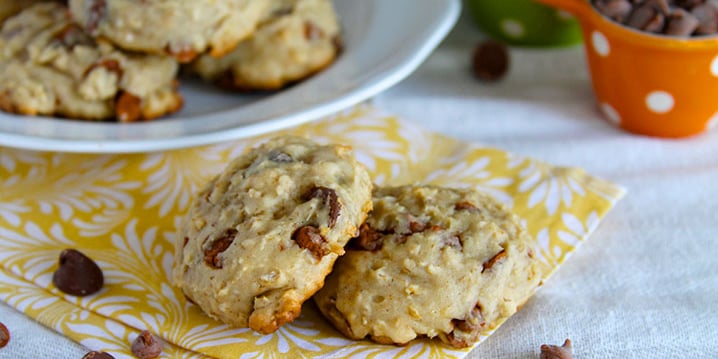
There is a particular kind of kitchen optimism that begins with three spotted bananas and the belief that dessert counts as responsible food-waste prevention. This chocolate chip oatmeal banana cookies recipe rewards that optimism with soft centers, lightly golden edges, chewy rolled oats, and pockets of melted semisweet chocolate.
These cookies land somewhere between classic oatmeal chocolate chip cookies and banana bread. They are sturdier than breakfast-style banana oat cookies, but softer and more tender than traditional chocolate chip cookies. In other words, they are cookiesnot hockey pucks pretending to be wellness snacks.
Very ripe bananas deliver the strongest banana flavor, while oats provide a hearty chew. Because mashed banana adds considerable moisture, the ingredient ratios and chilling time matter. Too much banana can turn a cookie into a muffin top wearing a chocolate-chip disguise.
Why You Will Love These Banana Oatmeal Cookies
This recipe is useful whenever one lonely banana has crossed the line from “perfectly ripe” to “please deal with me today.” Unlike banana bread, it does not require several bananas, a loaf pan, or an hour of staring through the oven door.
- Balanced texture: Rolled oats make the cookies chewy, while mashed banana keeps the centers tender.
- Easy preparation: Melted butter eliminates the need for a stand mixer.
- Big banana flavor: One very ripe banana provides sweetness, moisture, and unmistakable banana-bread character.
- Plenty of chocolate: Semisweet chips prevent the cookies from wandering too far into breakfast territory.
- Freezer-friendly: Both the unbaked dough portions and finished cookies can be frozen.
- Flexible: Walnuts, pecans, coconut, dried cranberries, or different chocolate varieties can be added without rebuilding the entire recipe.
Chocolate Chip Oatmeal Banana Cookies Recipe
Prep time: 15 minutes
Chilling time: 30 minutes
Baking time: 11–14 minutes per batch
Total time: About 1 hour
Yield: 22–24 cookies
Difficulty: Easy
Ingredients
- 1 cup all-purpose flour, spooned and leveled (120 grams)
- 1 1/2 cups old-fashioned rolled oats (about 135 grams)
- 1/2 teaspoon baking soda
- 1/2 teaspoon ground cinnamon
- 1/2 teaspoon fine salt
- 1/2 cup unsalted butter, melted and cooled slightly (113 grams)
- 1/2 cup packed light brown sugar (107 grams)
- 1/4 cup granulated sugar (50 grams)
- 1 large egg yolk
- 1 teaspoon pure vanilla extract
- 1/2 cup mashed very ripe banana (about 120 grams or 1 large banana)
- 1 cup semisweet chocolate chips, plus more for topping (170 grams)
- 1/2 cup chopped walnuts or pecans, optional
- Flaky sea salt for finishing, optional
Equipment
- Two baking sheets
- Parchment paper or silicone baking mats
- One large mixing bowl
- One medium mixing bowl
- Whisk and flexible spatula
- 1 1/2-tablespoon cookie scoop or measuring spoon
- Wire cooling rack
Step-by-Step Instructions
-
Combine the dry ingredients.
In a medium bowl, whisk together the all-purpose flour, rolled oats, baking soda, cinnamon, and salt. Whisking now distributes the baking soda evenly, preventing one unfortunate cookie from tasting like it lost a fight with a box of antacid.
-
Mix the butter and sugars.
Pour the melted, slightly cooled butter into a large bowl. Add the brown sugar and granulated sugar, then whisk vigorously for about 30 seconds. The mixture should look smooth and glossy rather than oily.
-
Add the wet ingredients.
Whisk in the egg yolk and vanilla. Add the mashed banana and continue whisking until the mixture is mostly uniform. A few tiny banana lumps are harmless; large chunks can create damp pockets in the cookies.
-
Make the dough.
Add the dry ingredients to the banana mixture. Fold gently with a spatula until only a few streaks of flour remain. Fold in the chocolate chips and optional nuts. Stop mixing as soon as everything is incorporated.
-
Chill for 30 minutes.
Cover the bowl and refrigerate the dough. Chilling gives the oats time to absorb moisture and allows the melted butter to firm up. This produces thicker cookies with a more satisfying chew.
-
Prepare the oven.
While the dough chills, position a rack in the center of the oven and preheat it to 350°F. Line two baking sheets with parchment paper.
-
Portion the dough.
Scoop rounded 1 1/2-tablespoon portions onto the prepared baking sheets, leaving about 2 inches between them. Gently press each mound into a thick disk. Banana oatmeal dough does not spread as dramatically as classic chocolate chip cookie dough, so a little encouragement is helpful.
-
Bake.
Bake one sheet at a time for 11–14 minutes. The cookies are ready when their edges look set and lightly golden but the centers still appear soft. Avoid waiting for the centers to look completely dry; that is how tender cookies become emergency coasters.
-
Finish and cool.
Immediately press a few extra chocolate chips into the warm tops for a bakery-style appearance. Add a tiny pinch of flaky salt if desired. Let the cookies cool on the pan for 8 minutes before transferring them to a wire rack.
The Best Ingredients for Soft, Chewy Results
Use a Heavily Spotted Banana
The ideal banana should have numerous brown spots and feel soft when gently squeezed. As bananas ripen, their flavor becomes sweeter and more pronounced, making them better suited to baking. A yellow banana with a green stem technically works, but its flavor may disappear behind the oats and chocolate.
Measure the mashed fruit rather than relying entirely on the number of bananas. Fruit sizes vary, and excessive banana can make the dough wet, puffy, and overly cake-like.
Choose Old-Fashioned Rolled Oats
Old-fashioned oats create a distinct, chewy texture and remain visible in the baked cookies. Quick oats can be substituted, but they absorb liquid more rapidly and produce a softer, more uniform crumb. Steel-cut oats are not suitable because they remain too firm during the short baking time.
Established oatmeal cookie recipes commonly use either old-fashioned or quick-cooking oats, with old-fashioned oats delivering the heartier bite many people associate with homemade oatmeal cookies.
Combine Brown and White Sugar
Brown sugar contributes moisture, caramel flavor, and chewiness. Granulated sugar encourages spreading and lightly crisp edges. Using both creates a better balance than relying on banana as the only sweetener.
A banana-only cookie can be delicious, but it usually resembles baked oatmeal or a breakfast cookie. This recipe is intended to be a proper dessert cookie, complete with sugar, butter, and absolutely no identity crisis.
Use Semisweet Chocolate
Semisweet chocolate chips provide enough bitterness to balance the banana and brown sugar. Milk chocolate creates a sweeter result, while dark chocolate produces stronger contrast. Chopped chocolate can also be used for irregular puddles and thin chocolate streaks.
Tips for Perfect Chocolate Chip Oatmeal Banana Cookies
Weigh the Flour When Possible
Too much flour produces dry, dense cookies. A digital kitchen scale is the easiest solution. Without one, fluff the flour, spoon it gently into the measuring cup, and level the top with a straight edge. Do not scoop directly from the bag unless your goal is accidentally inventing banana-flavored masonry.
Cool the Melted Butter
The butter may be warm, but it should not be hot. Hot butter can partially cook the egg yolk and melt the sugar unevenly. Let it stand for approximately five minutes before mixing.
Do Not Skip the Chill
Freshly mixed dough may look loose because the banana and melted butter contribute moisture. During refrigeration, the oats hydrate and the fat firms. A 30-minute chill helps the cookies hold their shape and improves their final texture.
Bake a Test Cookie
Ovens, baking sheets, banana moisture, and measuring habits all vary. Bake one cookie before portioning the entire batch. If it barely spreads, flatten the remaining dough slightly more. If it spreads excessively, chill the dough for another 15 minutes.
Let the Cookies Set on the Pan
The centers are fragile immediately after baking. Resting on the hot sheet completes the setting process without drying them out. Moving them too early may cause breakage, although broken-cookie pieces remain mysteriously edible.
Easy Flavor Variations
Banana Walnut Oatmeal Cookies
Add 1/2 cup toasted chopped walnuts. Toasting the nuts first deepens their flavor and helps them stay crisp against the soft cookie centers.
Peanut Butter Banana Cookies
Replace two tablespoons of the melted butter with two tablespoons of creamy peanut butter. Use conventional shelf-stable peanut butter for predictable texture; natural peanut butter can make the dough oilier.
Double Chocolate Banana Cookies
Replace two tablespoons of flour with two tablespoons of unsweetened cocoa powder. Add dark chocolate chips for a richer, brownie-like version.
Coconut Banana Oatmeal Cookies
Fold in 1/3 cup sweetened or unsweetened shredded coconut. Coconut complements banana naturally and adds a pleasant chew.
Gluten-Free Version
Use a trusted cup-for-cup gluten-free flour blend and oats labeled gluten-free. Oats themselves do not contain wheat, but cross-contact during growing and processing can be important for people who must avoid gluten.
Reduced-Chocolate Version
Use 1/2 cup chocolate chips and add 1/2 cup toasted pecans, dried cranberries, or raisins. This keeps the total volume of add-ins consistent while reducing sweetness.
Troubleshooting Common Cookie Problems
Why Are My Cookies Too Cakey?
The most likely cause is too much mashed banana. Use exactly 1/2 cup, or 120 grams. Overmixing can also incorporate excess air and encourage a muffin-like crumb. Mix only until the flour disappears.
Why Did the Cookies Spread Too Much?
The butter may have been too hot, the dough may not have chilled long enough, or the flour may have been undermeasured. Return the dough to the refrigerator for 15–20 minutes before baking another tray.
Why Did They Barely Spread?
Too much flour, very absorbent quick oats, or an unusually small amount of banana can create stiff dough. Flatten the portions before baking. If the dough seems exceptionally dry, mix in one or two teaspoons of milk.
Why Are the Centers Gummy?
Large banana chunks, oversized dough portions, or insufficient baking can leave the centers damp. Mash the banana thoroughly, keep portions consistent, and bake until the edges are set.
Why Are the Cookies Dry?
They were probably overbaked. Banana cookies remain soft and may look slightly underdone when they first leave the oven. Their texture firms as they cool.
Storage and Freezing Instructions
Room-Temperature Storage
Once completely cool, place the cookies in an airtight container. They have their best texture during the first three days. A piece of parchment between layers prevents the chocolate from marking the cookies above it.
Freezing Baked Cookies
Arrange the cooled cookies in a freezer-safe container with parchment between layers. Freeze for up to two months for the best flavor and texture. Thaw at room temperature or warm briefly in a low oven.
Freezing Cookie Dough
Scoop and flatten the dough as directed, then freeze the portions on a parchment-lined tray until firm. Transfer them to a freezer bag. Bake from frozen at 350°F, adding approximately two minutes to the baking time.
A Food-Safety Reminder
Do not taste the unbaked dough. Raw flour can carry harmful bacteria, and dough containing uncooked egg is not considered safe to eat unless the ingredients have been specifically treated for edible dough. Wash bowls, utensils, hands, and work surfaces after handling raw flour and dough.
Frequently Asked Questions
Can I Make These Cookies Without an Egg?
Yes. Replace the egg yolk with one tablespoon of milk or nondairy milk. The cookies may be slightly more delicate, so let them cool fully before moving them.
Can I Use Frozen Bananas?
Yes. Thaw the banana completely, drain away excessive separated liquid, mash it, and measure 1/2 cup. Using all the thawing liquid can make the dough too wet.
Can I Make the Dough Ahead?
The covered dough can be refrigerated overnight. It will become firmer as the oats continue absorbing moisture. Allow it to sit at room temperature for 10 minutes if it becomes difficult to scoop.
Are These Breakfast Cookies?
Emotionally, perhaps. Nutritionally, they are still dessert cookies made with butter, added sugar, and chocolate. The banana and oats contribute flavor and texture, but they do not issue the cookie a health-food passport.
Can I Double the Recipe?
Yes. Double every ingredient by weight or volume, mix in a sufficiently large bowl, and bake in separate batches. Avoid overcrowding the oven because uneven airflow can cause inconsistent browning.
Kitchen Experiences and Lessons from Banana Cookie Batches
The first surprise many bakers encounter is how dramatically one banana can change a familiar cookie dough. A classic oatmeal chocolate chip dough feels dense and buttery. Add mashed banana, and it becomes softer, stickier, and slightly less interested in behaving like a traditional cookie. This is normal. The solution is not to keep adding flour until the spoon stands upright. The solution is patience: give the oats time to absorb moisture during chilling.
Another common experience involves banana measurement. Two fruits from the same bunch can produce very different amounts of mashed banana. One may yield barely one-third cup, while a larger banana can approach three-quarters cup. Tossing the entire fruit into the bowl without measuring often produces inconsistent results. One batch may be chewy and tidy; the next may spread into soft banana pancakes with chocolate freckles. Measuring 120 grams keeps the recipe dependable.
The test-cookie method is especially valuable here. Baking a single portion may feel excessively cautious when the household is already circling the kitchen, but it provides useful information before an entire tray is committed. A cookie that remains perfectly round needs more flattening. A cookie that runs across the parchment like it has travel plans needs colder dough. This tiny experiment can rescue the rest of the batch.
Chocolate distribution creates its own small adventure. Standard chips hold their shape and provide neat pockets of chocolate. Chopped chocolate melts into thin ribbons, puddles, and uneven chunks. Combining both produces the most interesting result: chips for structure and chopped chocolate for dramatic molten sections. Pressing several pieces onto the cookies immediately after baking also improves their appearance without changing the dough ratio.
Texture changes as the cookies cool. Straight from the oven, the centers are extremely soft and the edges are barely crisp. After an hour, the oats become more noticeable and the cookie gains enough structure to hold comfortably. By the following day, the banana’s moisture softens the edges, creating a uniformly tender cookie. Anyone who prefers crisp edges should warm the cookies for a few minutes in a 300°F oven rather than microwaving them.
Families also tend to divide into two camps over the optional nuts. Walnut supporters argue that toasted nuts keep the sweetness under control and reinforce the banana-bread flavor. Chocolate purists consider nuts an unnecessary obstacle between them and the next melted chocolate pocket. The practical compromise is to divide the finished dough in half and add nuts to only one portion. Mark the nut-filled cookies with a walnut piece on top before baking.
These cookies are also useful for learning when “healthy-looking” and “health food” are not the same thing. Oats and bananas give the recipe a rustic appearance and more substance than a plain sugar cookie, but it remains a sweet treat. That is not a flaw. A cookie is allowed to be a cookie, particularly when it tastes like banana bread found a chocolate bar and made an excellent decision.
The most satisfying experience comes from the recipe’s practicality. It uses one overripe banana, pantry staples, and a single bowl for the wet ingredients. It is forgiving enough for casual weekend baking yet specific enough to produce consistent results. Serve the cookies warm with cold milk, pack them into lunchboxes, or freeze a few dough portions for the next emergencywhich, in cookie terms, means any evening when the kitchen is suspiciously dessert-free.
Final Thoughts
A dependable chocolate chip oatmeal banana cookies recipe should deliver recognizable banana flavor without sacrificing the chewy character of a real cookie. Measuring the banana, using old-fashioned oats, chilling the dough, and removing the cookies while their centers remain soft are the four details that make the biggest difference.
The finished cookies are tender, chocolate-packed, lightly spiced, and practical enough for an ordinary afternoon. They also provide a dignified future for that brown banana on the counter, which has been staring at everyone for two days and deserves closure.