Some families bring marshmallows. Some bring acoustic guitars. And then there are the brave souls who show up to the campsite with a pile of terrifying fireproof human skull logs and say, “Relax, kids, it’s called ambiance.”
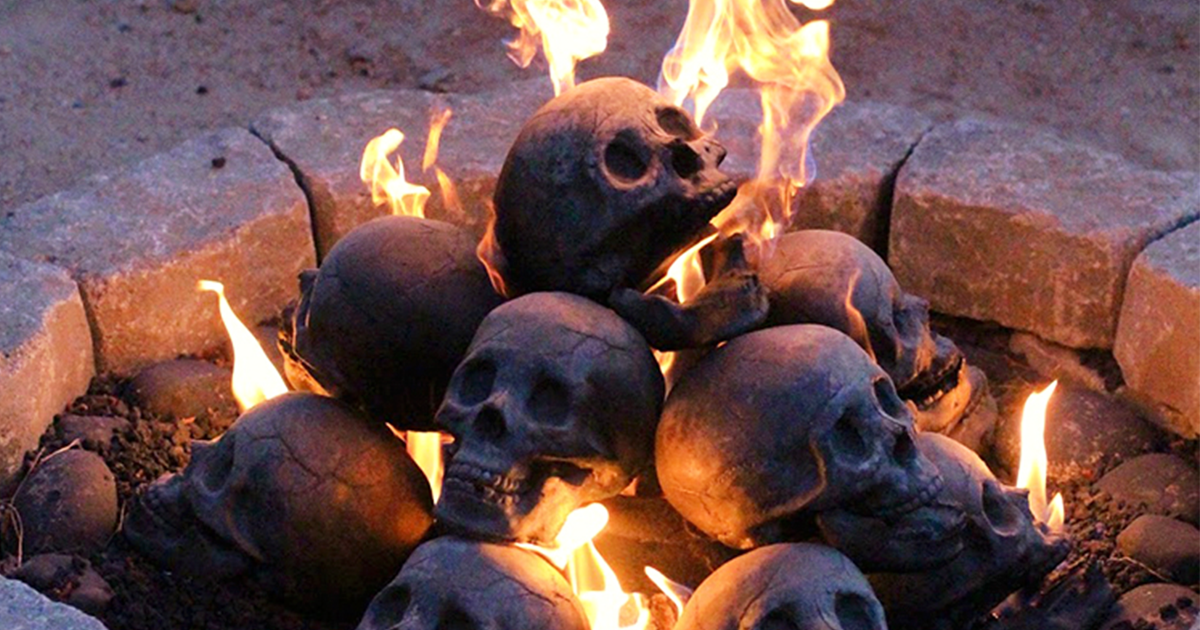
Fireproof human skull logs are exactly what they sound like: skull-shaped fire accessories designed to sit inside a fire pit, fireplace, or campfire setup and turn ordinary flames into a dramatic display of glowing eye sockets, flickering jaws, and horror-movie energy. They are not real skulls, obviously. They are usually made from heat-resistant ceramic, refractory ceramic fiber, or cement-like fireproof materials, then finished with fire-safe paint or coating. The result is part Halloween decoration, part outdoor conversation starter, and part “Grandma may never camp with us again.”
Despite the creepy look, these skull fire pit logs are mostly about decorative fun. They do not replace firewood in a traditional campfire, and they are not magic safety devices. They are accessories that sit among flames, much like decorative gas logs, lava rocks, or fire glass. Used correctly, they can make a backyard fire pit, Halloween bonfire, or family camping trip feel wildly memorable. Used carelessly, they can create smoke, cracks, burns, blocked burners, or a family story that begins with “So then the park ranger arrived…”
This guide explains what fireproof human skull logs are, how they work, where they fit best, what to consider before buying them, and how to use them safely without turning your camping trip into a cautionary pamphlet.
What Are Fireproof Human Skull Logs?
Fireproof human skull logs are decorative fire-safe skulls made to withstand high heat. Most versions are designed for outdoor fire pits, gas fireplaces, propane fire bowls, wood-burning fire pits, Halloween displays, and themed campfire setups. They are often sold as ceramic skull logs, fire pit skulls, skull gas logs, or fireproof skull fireplace logs.
The phrase “logs” can be a little misleading. These skulls usually do not burn like wood. Instead, they sit in or near the flame and create a visual effect. When flames pass through the hollow eyes, nose, and mouth, the skull appears to glow from within. It is spooky, theatrical, and just dramatic enough to make your uncle stop telling the same fishing story for twelve beautiful seconds.
Common Materials
Most fire pit skulls are made from one of three material families:
- Refractory ceramic fiber: Lightweight, heat-resistant, and commonly used in decorative gas logs.
- Refractory ceramic: Denser and often more durable, with a realistic stone-like feel.
- Heat-resistant cement or composite: Often used for larger skull designs intended for wood fires and outdoor pits.
Some listings describe these skull logs as reusable, non-toxic, fireproof, weather-resistant, or capable of handling very high temperatures. Always treat those claims as product-specific, not universal. A skull made for a propane fire bowl may not be appropriate for a roaring wood bonfire, and a decorative skull that looks like it survived a dragon attack still deserves a quick read of the instructions.
Why People Love Skull Fire Pit Logs
The appeal is simple: regular fire is cozy, but skull fire is unforgettable. Human skull fire logs add instant personality to a campsite or backyard without requiring complicated setup. Place them carefully, light the fire safely, and suddenly your ordinary flame becomes a campfire with a backstory.
They Create an Instant Theme
For Halloween camping, haunted backyard parties, spooky movie nights, fantasy-themed gatherings, or October family cookouts, skull fire pit logs do the heavy lifting. You do not need fog machines, animatronic zombies, or a cousin hiding in the bushes with a Bluetooth speaker. The fire itself becomes the decoration.
They Are Reusable
Unlike carved pumpkins, paper decorations, or that one inflatable ghost that gives up halfway through the season, ceramic skull logs can often be used again and again. After cooling completely, they can be stored and brought back for future camping trips, fall parties, or evenings when your patio needs more “ancient cursed temple” and less “suburban Wednesday.”
They Look Great in Photos
Let’s be honest: part of the fun is the picture. A stack of glowing skulls in a fire pit makes a bold visual for social media, Halloween invitations, camping blogs, or family photo albums that future generations will open and quietly wonder about.
Are Fireproof Human Skull Logs Safe?
They can be safe when used according to the manufacturer’s instructions and basic fire-safety rules. The important phrase is “according to the manufacturer’s instructions.” These skulls are decorative accessories, and different models have different limits. Some are made for gas fireplaces. Some are marketed for propane fire pits. Others are sold for wood-burning fire pits or campfires. Do not assume one skull is safe for every flame source just because it looks emotionally prepared for danger.
Read the Product Instructions First
Before placing skull logs in any fire, check whether the product is approved for wood, natural gas, propane, indoor fireplaces, outdoor fire pits, or campfires. If the instructions say “gas fireplace only,” do not toss it into a wood-burning bonfire like a medieval villain. If the product warns against wet use, let it dry fully before lighting the fire.
Wet ceramic can crack or pop when heated quickly. That means skull logs should be stored dry, covered when not in use, and inspected before every burn. If you see major cracks, flaking, strange residue, or structural damage, retire the skull. It has served bravely.
Do Not Block Gas Ports
If you use skull fire logs in a gas or propane fire pit, placement matters. Decorative logs should not block burner holes, gas flow, pilot assemblies, or ventilation. Poor placement can cause uneven flames, soot buildup, delayed ignition, or dangerous gas behavior. Leave room for flames to move naturally around the skulls.
Keep Them Away From Children Until Fully Cool
A fireproof skull is still extremely hot after use. The word “fireproof” means the material resists damage from flame; it does not mean it becomes safe to touch while hot. Teach children that the skulls are decorations, not toys. That rule also applies to pets, curious adults, and that one friend who says, “I just want to see if it’s still warm.” No, Brad. Use your eyes.
Best Uses for Skull Fire Pit Logs
Terrifying fireproof human skull logs are versatile, but they shine brightest in settings where atmosphere matters.
Halloween Camping Trips
Halloween camping is the obvious match. Add a few skull logs to an approved fire ring, tell ghost stories, pass around cider, and suddenly the campsite feels like a haunted frontier outpost. Keep the fire small, controlled, and legal for the campground. The skulls should enhance the experience, not announce your presence to three counties.
Backyard Fire Pits
For homeowners with a patio fire pit, skull logs are an easy seasonal upgrade. They work especially well in black metal bowls, stone fire pits, and modern propane fire tables. A few skulls mixed with lava rock or ceramic logs can create a dramatic display without replacing your whole setup.
Gas Fireplaces
Some skull logs are designed for gas fireplaces. If yours is, the effect can be excellent: clean flames, controlled heat, and skulls that glow like they are judging your streaming-service choices. However, indoor use requires extra caution. Only use models rated for indoor gas fireplaces, keep screens or barriers in place, maintain ventilation, and follow fireplace manufacturer rules.
Halloween Parties and Themed Events
For outdoor Halloween parties, gothic weddings, horror movie nights, Renaissance-fair camps, and fantasy role-playing gatherings, skull logs can be the centerpiece. They provide a dramatic mood without needing electricity, batteries, or a fog machine that smells like a haunted laundromat.
How to Choose the Right Fireproof Skull Logs
Not all skull logs are equal. Some are small decorative pieces. Others are close to adult-skull size. Some come in white, gray, black, beige, or hand-painted finishes. Before buying, think about size, material, heat rating, fuel compatibility, and cleaning needs.
1. Match the Skull to Your Fire Type
The most important buying factor is compatibility. For a wood-burning campfire, choose skulls specifically listed for wood fires or campfires. For a gas fire pit, choose models designed for gas or propane use. For an indoor fireplace, confirm indoor approval. When in doubt, do not improvise. Fire is already improvising enough.
2. Consider Size and Weight
Small skulls are easier to arrange and transport. Larger skulls make a bigger visual impact but can be heavier and harder to pack. For family camping, a set of two to four medium skulls may be more practical than one giant skull that takes up half the trunk and scares the gas station cashier.
3. Look for Heat-Resistant Materials
Search for product descriptions that mention refractory ceramic, ceramic fiber, fireproof coating, heat resistance, or use in fireplaces and fire pits. Avoid decorative skulls made from resin, plastic, plaster, or unknown materials. If it was designed for a bookshelf, it does not belong in a fire.
4. Check for Drainage and Dry Storage Needs
Outdoor fire accessories can absorb moisture. A good fire pit cover, storage bin, or dry gear bag helps protect skull logs between uses. Let them dry fully before placing them near flame. This simple step reduces the chance of cracking and extends their life.
5. Choose a Realistic Finish
White skulls look classic and bone-like. Black skulls create a charred, demonic effect. Gray and beige versions blend more naturally with stone, ash, and firewood. For maximum drama, mix colors and sizes. For minimum family concern, maybe start with one.
How to Use Skull Logs on a Camping Trip
Using fireproof skull logs outdoors is mostly about placement and safety. The goal is to create a spooky flame effect while keeping the fire controlled and campground-friendly.
Step 1: Confirm Fires Are Allowed
Before packing skull logs, check campground rules, local fire restrictions, and burn bans. Many parks restrict open flames during dry or windy conditions. If fires are not allowed, do not argue that your skulls “need this.” They do not. They are ceramic. They can wait.
Step 2: Use an Existing Fire Ring
Whenever possible, build your campfire in an established fire ring or approved fire pit. This reduces environmental impact and keeps the flame contained. Clear dry leaves, needles, grass, and loose debris from the area before lighting anything.
Step 3: Keep the Fire Small
Skull logs look best with controlled flames moving through and around them. You do not need a towering bonfire. A smaller fire is easier to manage, safer around kids, and better for actually seeing the skull effect. Huge flames turn your expensive skull display into a vague orange blur with teeth.
Step 4: Place Skulls Carefully
Place skulls on a stable surface in the fire ring. Do not stack them so high that they can roll out. In a wood fire, arrange them around the flame path rather than burying them under heavy logs. In a gas fire pit, keep them clear of burner ports and allow open flame movement.
Step 5: Let Everything Cool Completely
After the fire is out, leave the skulls alone until they are fully cool. Use gloves or tools if you need to move them later. Never pack hot skull logs into a vehicle, plastic bin, tent, or storage bag. That is not camping. That is mobile arson with accessories.
Fire Safety Tips Every Family Should Follow
A creepy campfire is fun. A runaway campfire is not. Whether you use skull logs or plain old firewood, follow standard outdoor fire safety every time.
Keep Distance From Flammable Items
Set campfires well away from tents, chairs, coolers, dry brush, low branches, and anything that can burn. Fire pits should sit on stable, nonflammable ground. Avoid lighting fires during strong winds, and never place a portable fire pit on a wooden deck unless the product and surface protection are specifically designed for that use.
Supervise Children and Pets
Kids will be fascinated by glowing skulls. Pets will be fascinated by everything except your instructions. Keep both at a safe distance. Create a “no crossing” circle around the fire and repeat the rule often. The skulls are there for looking, not touching, poking, licking, or naming.
Skip Accelerants
Do not use gasoline, lighter fluid, alcohol, or other accelerants to start a campfire. Use kindling, tinder, and proper fire starters instead. Accelerants can cause sudden flare-ups, chemical smells, and stories that end with missing eyebrows.
Keep Water and Tools Nearby
Always have water, sand, a shovel, heat-resistant gloves, and long fire tools nearby. A fire extinguisher is a smart addition for backyard fire pits and car camping setups. If you need emergency tools, you want them within arm’s reach, not “somewhere in the trunk under the inflatable kayak.”
Extinguish Completely
Before leaving camp or going to sleep, drown the fire with water, stir the ashes, and repeat until everything is cool to the touch. Dirt can insulate embers instead of fully extinguishing them, so water is usually the safer choice when available. If it is too hot to touch, it is too hot to leave.
Can You Roast Marshmallows Over Skull Logs?
This depends on your setup. If you are using a wood-burning campfire and the skull logs are approved for wood fires, you can roast marshmallows over the fire in the usual way, keeping food away from direct contact with the decorative skulls. However, avoid dripping food, sugar, grease, or marshmallow goo onto skull logs, especially in gas fire pits.
Gas fire pits are often not designed for cooking unless the manufacturer specifically says they are. Sticky food can clog burner ports, create smoke, attract insects, or damage decorative media. In other words, your s’mores should not become a maintenance problem with graham crackers.
Cleaning and Maintenance
After each use, allow the skull logs to cool fully. Brush away loose ash or soot with a soft brush. Do not use harsh chemicals unless the manufacturer approves them. If the skulls are ceramic, avoid soaking them and then heating them immediately. Store them in a dry place to reduce moisture damage.
Over time, skull logs may discolor. That is normal. Fire has opinions. A bit of darkening can actually make the skulls look more realistic. However, deep cracks, crumbling edges, or pieces breaking off mean it is time to replace them.
Design Ideas for Maximum Campfire Drama
Want the best visual effect? Try arranging skulls in a loose semicircle facing outward. Flames will move through the features, and guests will see the skull expressions from their chairs. For a larger fire pit, place one larger skull in the center and smaller skulls around it. This creates a “cursed council meeting” effect, which is rarely available in normal patio decor.
For family-friendly Halloween camping, pair skull logs with orange camp lanterns, plaid blankets, cider, ghost stories, and glow sticks. Keep the mood spooky but playful. The goal is “fun campfire memory,” not “why is little Emma sleeping in the car with a flashlight and a granola bar?”
Experience Section: What It Feels Like to Bring Skull Logs on a Family Camping Trip
The first thing you notice when you bring fireproof human skull logs camping is that everyone has an opinion before the fire is even lit. Someone will say they are awesome. Someone will ask if they are legal. Someone’s child will immediately name one “Kevin.” This is how traditions begin.
Setting them up feels almost ceremonial. You clear the fire ring, place the wood, and then nestle the skulls where the flames will catch their features. At first, they look silly in daylight. A ceramic skull sitting next to a bag of hot dog buns is not exactly terrifying. It looks like Halloween got lost on the way to a picnic. But once the sky darkens and the first flames begin to move, the whole mood changes.
The eyes glow first. Then the mouth flickers. The nose cavity flashes orange, then fades, then flashes again. Suddenly the campsite has a campfire that seems alive in the most theatrical way possible. The kids lean in from a safe distance. Adults start taking photos. Somebody says, “That is actually very cool,” in the voice people use when they expected nonsense and received art.
The best part is how quickly the skull logs become the center of the evening. Ghost stories sound better. Hot chocolate tastes more dramatic. Even ordinary sounds, like a branch snapping in the woods, get upgraded into suspicious evidence. A family camping trip can sometimes drift into routine: dinner, dishes, fire, sleep. Skull logs add a little shared weirdness, and shared weirdness is underrated. It gives everyone something to talk about that is not work, traffic, school schedules, or who forgot the ketchup.
There is also a practical lesson hidden inside the novelty. Because the skulls are unusual, they make people pay attention to the fire. You talk about where to sit, why not to touch hot ceramic, how to keep the fire small, and why the flames must be fully extinguished before bed. In that way, the spooky decoration becomes a teaching tool. Fire safety sounds less boring when the instructor is a glowing skull named Kevin.
Of course, not every moment is cinematic. Skull logs get sooty. They need time to cool. They take up packing space. If you are hiking miles into the backcountry, they are probably ridiculous. But for car camping, cabin weekends, backyard camping, and Halloween-season trips, they are surprisingly effective. They turn a normal fire into an event.
One smart approach is to treat them as a special-night accessory. Do not use them every time. Save them for the first night of a camping trip, a birthday campout, Halloween weekend, or the evening when everyone needs a laugh. Bring them out after dinner, arrange them safely, and let the fire do the theater. You do not need a speech. The skulls have cheekbones. They can handle the presentation.
By the end of the night, the experience feels less like a gimmick and more like a memory maker. The kids remember the glowing faces. Adults remember the laughter. The photos look incredible. And the fire, once fully drowned, stirred, and cooled, leaves behind the best kind of camping evidence: ash, stories, and a few reusable skulls ready for the next adventure.
Conclusion
Terrifying fireproof human skull logs are a wonderfully strange upgrade for family camping trips, backyard fire pits, Halloween parties, and anyone who believes cozy flames should occasionally stare back. They are decorative, reusable, dramatic, and surprisingly good at turning an ordinary evening outdoors into a story people retell.
The key is to use them wisely. Choose skull logs that match your fire type, follow the product instructions, keep them dry, place them safely, and never forget basic campfire rules. Use approved fire rings, keep flames small, supervise children and pets, avoid accelerants, and extinguish everything completely before leaving or sleeping.
Done right, skull fire pit logs deliver the perfect mix of spooky charm and family fun. They are creepy enough to impress the teenagers, silly enough to delight the kids, and useful enough to give adults an excuse to say, “Please do not poke the flaming skull.” That sentence alone may be worth the purchase.