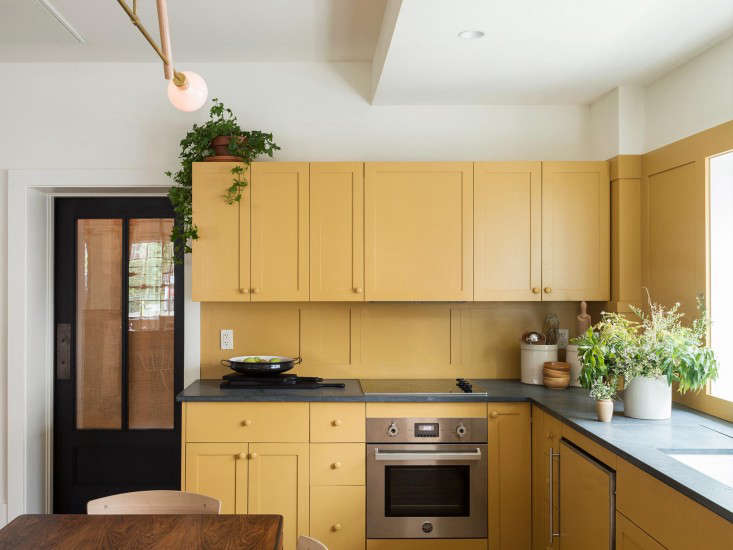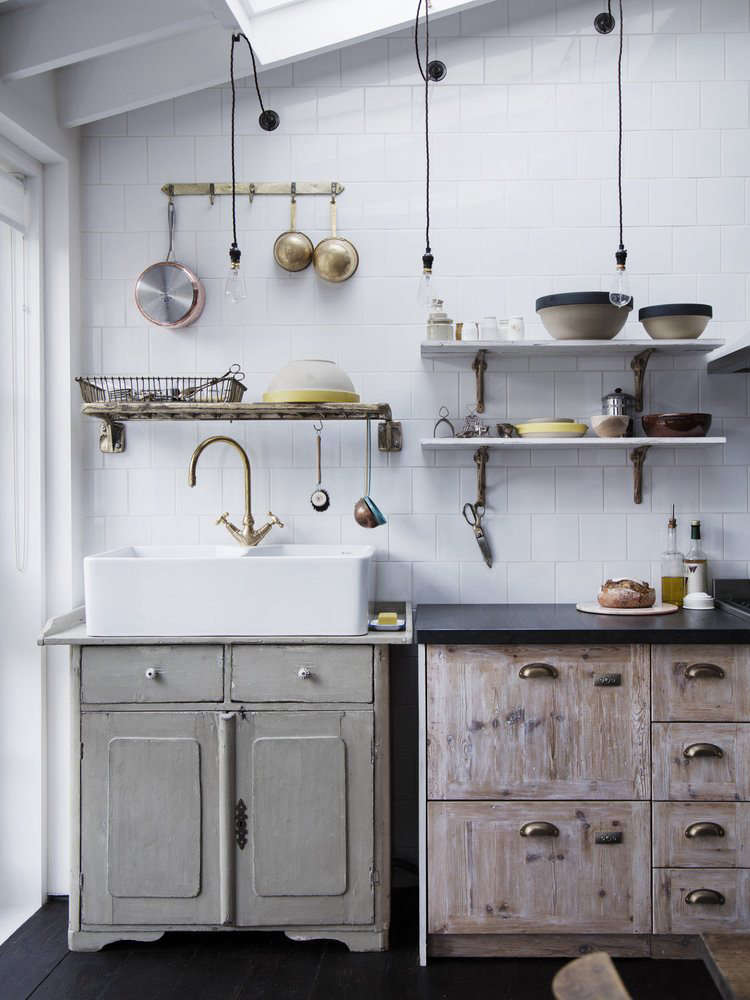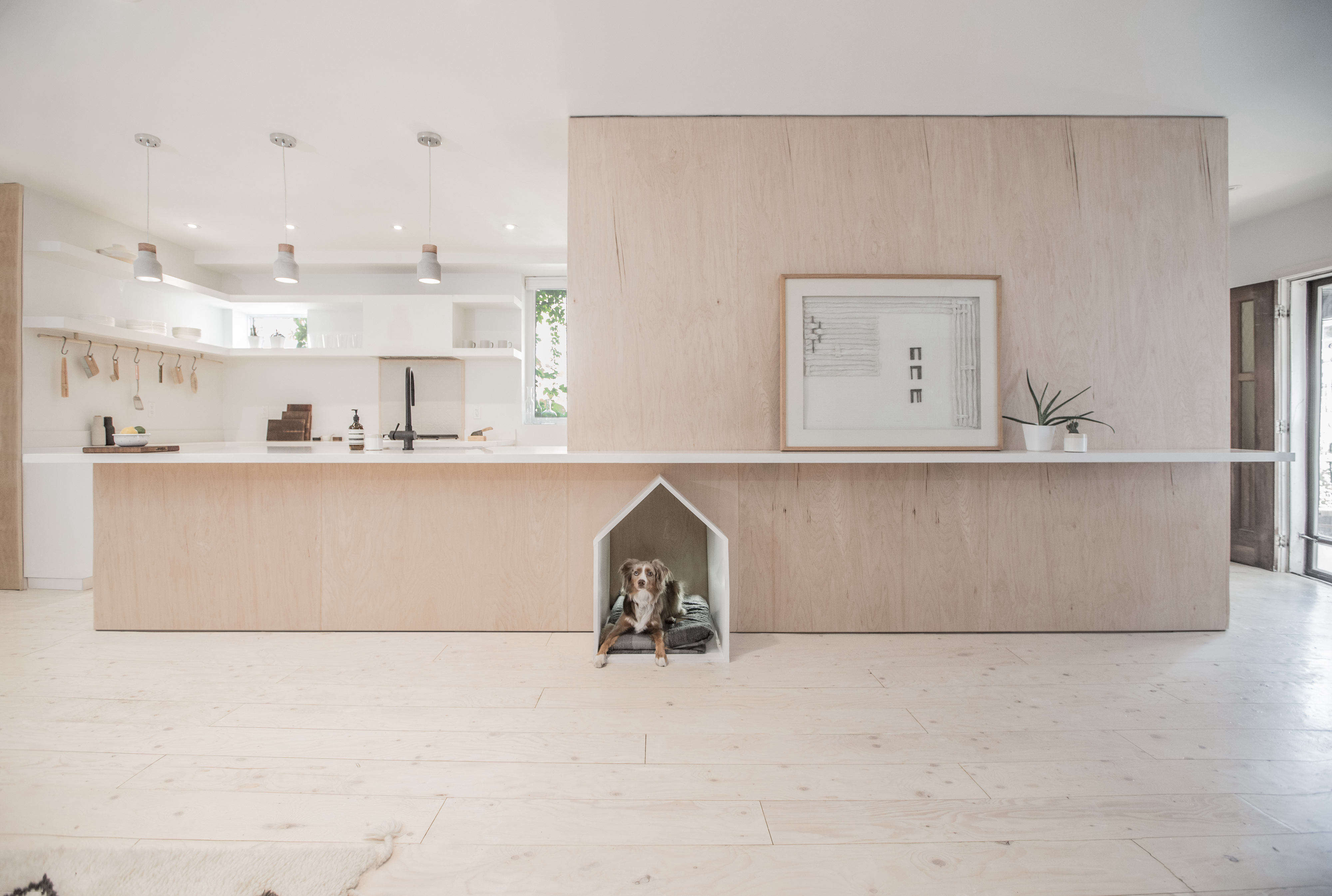
An open kitchen design already has a lot of jobs. It has to cook dinner, host guests, hide yesterday’s cereal bowl, make coffee feel like a personality trait, and somehow look calm while everyone is asking, “Where are the snacks?” Now add one more resident: the dog. Suddenly, the kitchen is not just a kitchen. It is a family command center, a dining room, a mudroom, a pet lounge, and occasionally a high-speed zoomies runway.
That is why an open kitchen design with a built-in dog house and IKEA cabinets is such a clever idea. It combines the clean, practical structure of modular cabinetry with a pet-friendly feature that feels intentional instead of improvised. No more dog bed floating in the traffic lane. No more food bowls doing their best impression of ankle traps. No more bulky crate sitting in the corner like a metal sculpture titled “We Gave Up.”
The beauty of this concept is that it can work in a compact apartment kitchen, a family home, or a remodel where every inch must earn its rent. With thoughtful planning, IKEA cabinets can frame storage, seating, appliances, and a cozy dog nook in one streamlined design. The result is an open kitchen that looks polished, works hard, and quietly says, “Yes, the dog has better real estate than most humans.”
Why an Open Kitchen Works So Well for Modern Homes
Open kitchens remain popular because they make daily life feel more connected. Instead of trapping the cook behind walls, the kitchen flows into the dining or living area. Parents can keep an eye on children, hosts can talk to guests, and nobody has to shout through a doorway while stirring soup like a medieval messenger.
But open layouts also expose everything. A closed kitchen can hide a little chaos. An open kitchen cannot. If the counter is cluttered, the dog bed is awkwardly placed, or the trash bin is visible from the sofa, the whole room notices. This is where built-in planning becomes important. The more open the space, the more intentional the storage must be.
A successful open kitchen usually depends on three ideas: clear zones, easy movement, and visual consistency. Clear zones define where cooking, cleaning, eating, pet care, and storage happen. Easy movement keeps people from bumping into each other during the breakfast rush. Visual consistency helps the kitchen blend with nearby living areas, especially when cabinets and finishes are visible from multiple angles.
The Built-In Dog House: Cute, Practical, and Shockingly Sensible
A built-in dog house inside the kitchen is not necessarily a tiny roofed cottage with a mailbox that says “Sir Barksalot.” In most modern designs, it is a recessed pet nook, cabinet-framed dog bed, or ventilated kennel space built into the lower cabinetry, island, or unused end wall. It gives the dog a defined resting spot while keeping the kitchen floor open and organized.
The best location is usually away from heat, sharp corners, appliance doors, and heavy foot traffic. Under the end of an island, beside a pantry wall, or at the end of a cabinet run can work beautifully. The goal is to create a cozy den effect without placing the dog in the middle of the cooking action. Dogs love being near their people. They do not need to be directly under the boiling pasta.
What Makes a Dog Nook Safe?
Safety matters more than cuteness. A built-in dog house should have good ventilation, smooth edges, durable surfaces, and enough room for the dog to stand, turn around, and lie down comfortably. If the nook has a door, it should be sturdy and breathable. If it is simply an open cubby, it should still feel protected without becoming a dark cave of mystery crumbs.
A washable cushion is essential. Removable covers, moisture-resistant flooring, and wipeable interior panels make cleanup easier. This is especially important in kitchens, where crumbs, water splashes, and the occasional dramatic dog drool moment are all part of the ecosystem.
Why IKEA Cabinets Are a Smart Foundation
IKEA kitchen cabinets are popular for remodels because they are modular, widely available, budget-conscious, and customizable. The SEKTION system offers base cabinets, wall cabinets, high cabinets, drawers, shelves, fronts, panels, and organizers that can be combined in many ways. That flexibility makes IKEA cabinets especially useful for an open kitchen with a built-in dog house, because pet-friendly design often requires a little creative puzzle-solving.
For example, a run of base cabinets can stop short of a wall to create a pet nook. A cover panel can finish the side cleanly. A countertop can continue over the dog area to preserve the working surface. Cabinet fronts can match the rest of the kitchen so the dog zone looks built-in rather than added later. It is basically cabinetry doing a magic trick, except the rabbit is a Labrador.
IKEA also works well with semi-custom upgrades. Many homeowners pair IKEA cabinet boxes with custom doors, specialty hardware, stone counters, wood panels, or built-in trim. This allows a kitchen to keep costs controlled while looking more tailored. In an open-concept home, that balance matters because the kitchen has to look good from the living room, dining table, and possibly the judgmental eyes of your dog.
Designing the Layout: Think in Zones, Not Just a Triangle
The classic kitchen work triangle connects the sink, refrigerator, and cooking surface. It is still useful, but modern open kitchens often work better when planned as zones. A zone-based layout considers how people actually use the room: prep zone, cooking zone, cleanup zone, coffee zone, snack zone, storage zone, and in this case, pet zone.
The dog house should not interrupt the main kitchen zones. If someone opening the dishwasher blocks the dog nook, that will become annoying by Tuesday. If the pet bed sits where people pass behind the cooktop, it creates a tripping hazard. A good pet zone should feel nearby but not central, visible but not exposed, and connected without causing traffic jams.
Example Layout: Island Dog Nook
In a medium open kitchen, the dog nook can fit at the end of the island facing away from the cooking zone. The island still provides prep space, seating, and storage, while the dog gets a quiet den beneath the counter overhang or inside a framed opening. This works especially well when the dog enjoys being near the family but does not need a closed crate.
Example Layout: Cabinet Wall Dog House
Another option is building the dog house into a tall cabinet wall. Imagine pantry storage on one side, drawers on the other, and a low arched or rectangular dog opening in the center. Above it, closed cabinets can store treats, leashes, grooming supplies, or the emergency backup bag of food that everyone forgets until dinner time.
Example Layout: Breakfast Nook Pet Zone
If the kitchen opens into a dining area, a dog bed can be tucked beneath a bench or beside built-in banquette seating. This creates a shared family zone where the dog can rest during meals without sitting directly under the table and silently negotiating for chicken.
Storage Ideas That Keep the Open Kitchen Calm
Open kitchens need excellent storage because everything is visible. IKEA cabinets can help organize both human and pet supplies. Deep drawers can hold pots, pans, mixing bowls, or dog food containers. Pull-out trays can keep treats and supplements organized. Tall pantry cabinets can hide bulk food bags, extra paper towels, and small appliances that do not deserve daily counter space.
For the dog area, consider a dedicated drawer for leashes, waste bags, grooming wipes, medications, and toys. A pull-out bin can store kibble if it seals properly. A shallow drawer near the feeding station can hold bowls, mats, and cleaning cloths. If you feed your dog in the kitchen, placing bowls in a recessed toe-kick drawer or low open shelf can reduce floor clutter.
The trick is to avoid turning the kitchen into a pet store aisle. The dog’s items should be easy to access but not visually loud. Matching cabinet fronts, concealed storage, and simple hardware help the entire open kitchen feel calm and cohesive.
Materials That Can Survive Dogs, Dinner, and Real Life
A pet-friendly kitchen should be durable without looking like it belongs in a veterinary clinic. Choose cabinet fronts that wipe clean easily. Matte finishes can look sophisticated, but they may show fingerprints depending on color and texture. Wood-look fronts add warmth and help an open kitchen feel less sterile. White cabinets brighten the space but may require more frequent cleaning near the dog zone.
For flooring, durability is key. Luxury vinyl plank, porcelain tile, sealed hardwood, and engineered wood are common choices for active kitchens. The best surface depends on budget, style, and maintenance preferences. If the dog is older, slippery floors can be a problem, so add washable runners or low-profile rugs with non-slip backing.
Inside the dog house, avoid rough materials and unfinished edges. A wipeable panel, sealed plywood, or smooth cabinet-grade surface is easier to clean than raw wood. If the nook is painted, use a low-VOC, scrubbable finish. Dogs may not care about paint chemistry, but your nose will.
Ventilation, Lighting, and Comfort
A built-in dog house should never feel stuffy. If the opening is large and uncovered, ventilation is usually simple. If you add a door, lattice, metal bars, or decorative panels, make sure airflow remains generous. For a closed kennel-style design, ventilation is not optional. It is the difference between a cozy retreat and a cabinet with opinions.
Lighting also matters. The dog nook does not need a chandelier, although some dogs would absolutely accept one. Soft ambient light from the kitchen may be enough. If the nook is deep, a low-heat LED strip on a sensor can make it easier to clean and more welcoming at night.
Comfort is simple: choose a bed that fits the space, leaves breathing room, and can be washed. A removable cushion beats a built-in upholstered pad because dogs are experts at making permanent things smell temporary.
How to Make the Built-In Dog House Look Intentional
The secret is repetition. Repeat cabinet colors, trim lines, hardware finishes, and countertop materials. If the dog nook has an arch, consider repeating soft curves elsewhere, such as pendant lights, bar stools, or a round dining table. If the kitchen uses flat slab IKEA fronts, keep the dog opening clean and minimal. If the design leans traditional, add framed trim or beadboard inside the nook.
Scale is also important. A tiny opening for a large dog looks uncomfortable. A giant cave for a small dog can look odd unless balanced with surrounding cabinets. Measure the dog, not your optimism. Dogs come with dimensions. Use them.
Color can help the dog house disappear or become a charming feature. Painting the interior the same color as the cabinets creates a seamless effect. Using a contrasting wood tone can make the nook feel warm and furniture-like. Adding a nameplate is optional, but if your dog already runs the household, formal signage may simply be honest.
Budget-Friendly Tips for an IKEA-Based Pet Kitchen
One reason homeowners love IKEA cabinets is that they can create a high-functioning kitchen without paying fully custom prices. To stay budget-conscious, use standard cabinet sizes wherever possible. Custom cuts, specialty doors, and complicated trim increase cost. A simple rectangular dog cubby at the end of a cabinet run is usually easier and cheaper than a curved, paneled, kennel-style structure.
Spend money where it improves daily use: drawer organizers, durable hardware, quality countertop installation, proper lighting, and safe finishing around the dog nook. Save money by keeping the layout simple, using standard cabinet boxes, and limiting custom millwork to visible areas.
If you are working with a contractor, show clear inspiration images and measurements. If you are doing a DIY version, plan carefully before cutting panels. A built-in dog house should not weaken cabinet support or interfere with countertop stability. When in doubt, ask a cabinet installer, carpenter, or kitchen designer. Confidence is wonderful; unsupported countertops are less wonderful.
Common Mistakes to Avoid
The first mistake is putting the dog house too close to appliances. Avoid placing the nook beside the oven, directly under a cooktop, or where refrigerator and dishwasher doors swing open. Heat, noise, and traffic can make the space uncomfortable.
The second mistake is forgetting cleaning access. If the nook is too deep or has fixed trim that traps fur, cleaning becomes a full-body workout. Design the space so you can remove the bed, wipe the walls, vacuum the corners, and recover emotionally.
The third mistake is ignoring the dog’s personality. Some dogs love enclosed spaces. Others prefer open beds where they can monitor the room like tiny security guards. A built-in design should match the dog’s habits, not just the homeowner’s Pinterest board.
Conclusion: A Kitchen That Works for Everyone, Paws Included
An open kitchen design with a built-in dog house and IKEA cabinets is more than a cute remodeling idea. It is a practical answer to how families actually live. The kitchen is no longer just a place for cooking. It is where homework happens, guests gather, coffee saves lives, and pets remain deeply involved in all snack-related decisions.
By using IKEA cabinets as a flexible foundation, homeowners can create storage-rich, stylish kitchens that include a dedicated pet zone without sacrificing flow or beauty. The best designs keep the dog comfortable, the kitchen organized, and the open layout visually calm. When done well, the built-in dog house looks like it was always meant to be there. The dog will agree, probably by immediately napping in it and shedding on the new cushion.
Real-Life Experience: Living with an Open Kitchen and a Built-In Dog House
Living with this kind of kitchen feels different from simply adding a dog bed after the remodel. A loose dog bed tends to migrate. One day it is beside the island. The next day it is halfway into the walkway. By Friday, it has become a furry speed bump between the refrigerator and the sink. A built-in dog house solves that problem because the dog has a clear, permanent place to rest.
In everyday use, the biggest benefit is flow. When the dog nook is placed at the end of a cabinet run or island, people can cook, unload groceries, and walk through the kitchen without stepping over paws. This is especially helpful during busy mornings. Someone is making coffee, someone is packing lunch, someone is asking where the keys are, and the dog is calmly supervising from the built-in nook like a tiny project manager with no email access.
The storage advantage becomes obvious quickly. Having one drawer for treats, leashes, grooming wipes, and food scoops prevents pet supplies from scattering across the house. It also makes routines easier. Feeding takes less time. Cleaning takes less time. Even guests understand where the dog belongs because the design communicates it naturally. There is no need to say, “Just move the bed over there,” while pointing vaguely at a corner.
Another real-life advantage is visual calm. Open kitchens can become cluttered fast because they are visible from surrounding rooms. When the pet zone is built into the cabinetry, it looks like part of the architecture instead of an afterthought. Matching panels, simple trim, and a washable cushion can make the dog nook feel polished. It is one of those small details that makes visitors say, “That is so smart,” which is much better than, “I think I stepped in water.”
There are a few lessons learned, too. First, measure generously. Dogs do not enjoy spaces that are technically correct but emotionally cramped. Second, choose washable everything. The bed cover, interior surface, and nearby flooring should all be easy to clean because dogs bring in fur, crumbs, mystery moisture, and occasionally a leaf they consider emotionally important. Third, do not place the dog area where cabinet doors, dishwasher doors, or bar stools constantly block it. A pet nook should reduce frustration, not create a new household obstacle course.
The best experience comes when the kitchen supports both human habits and pet habits. If the dog likes to watch the room, keep the opening outward-facing. If the dog prefers privacy, tuck the nook beside a quieter cabinet wall. If the dog eats in the kitchen, place food storage nearby but not directly inside the sleeping space. A little planning makes the design feel effortless later.
Overall, this setup makes the kitchen feel more complete. It respects the fact that pets are part of family life while still keeping the design clean and functional. IKEA cabinets make the idea more approachable because the modular system gives homeowners a practical starting point. Add thoughtful measurements, durable finishes, and a little design discipline, and the result is a kitchen that serves dinner, stores everything, welcomes guests, and gives the dog a dignified headquarters. Honestly, the dog may still prefer the cardboard box the cabinets came in, but that is not the kitchen’s fault.
Note: This article is written for web publication and synthesizes real kitchen planning, IKEA cabinet design, open-concept layout, remodeling, and pet-friendly home design practices without inserting source links or unnecessary reference markers.