Some home trends arrive like a marching band. This one slips in through the back door wearing muddy boots, carrying a basket of herbs, and somehow making the whole place feel calmer. “Escape to the Country” is not just about decorating with shiplap and pretending you own a chicken named Mabel. It is about building a home that feels softer, slower, warmer, and much easier to live in.
That is exactly why the trend has such staying power. People are craving rooms that work hard without looking harsh. They want kitchens that welcome actual cooking, entryways that can handle real-life clutter, and outdoor spaces that feel less like a showroom and more like a deep exhale. On The Organized Home, that country escape is not about fantasy. It is about function with soul.
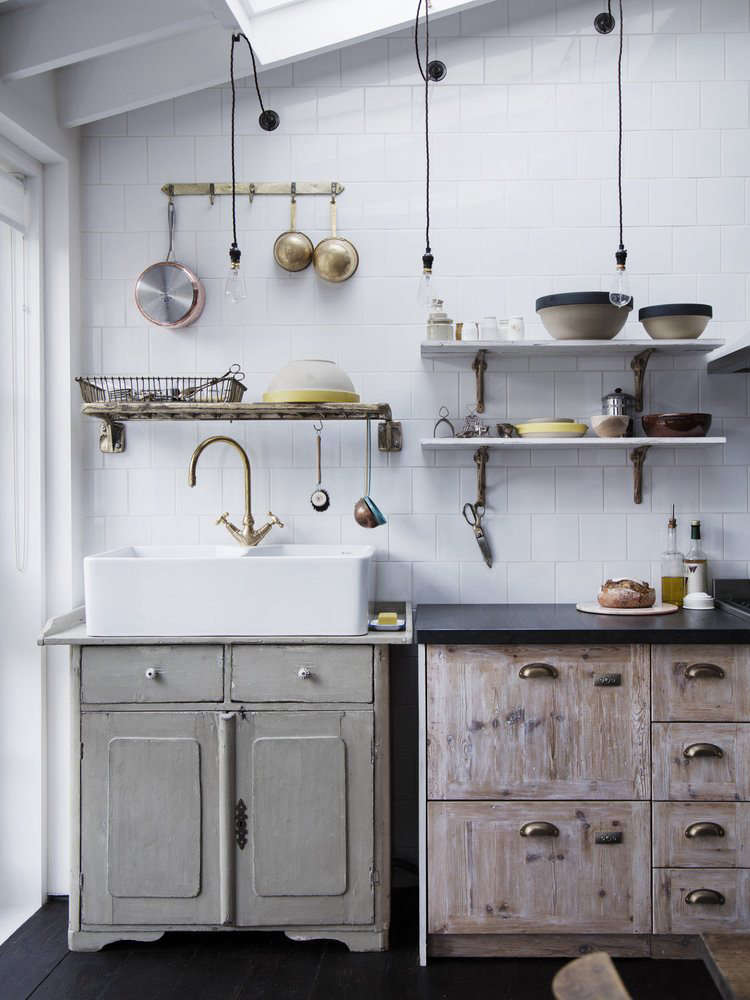
At its best, this look blends organization, comfort, and a little nostalgia. Think open shelves that display the pretty stuff while the ugly stuff hides politely in baskets. Think warm wood, relaxed linens, garden views, painted cabinetry, peg rails, stone, vintage finds, and pantries that do the behind-the-scenes work like a very competent stage manager. The result is a home that looks collected instead of decorated, personal instead of trendy, and practical instead of precious.
Why “Escape to the Country” Feels So Right Right Now
The appeal of country-inspired living is not hard to understand. Modern life is loud. Notifications buzz, countertops disappear under packages, and somehow every family owns twelve water bottles but can only find one lid. In that chaos, a country-style home promises something deeply attractive: order without sterility.
This is why the trend is resonating far beyond actual rural houses. You do not need a farmhouse, a field, or a suspiciously photogenic goat to borrow the idea. What people really want is the feeling of country life: more texture, more usefulness, more breathing room, and more connection to daily rituals like cooking, gardening, reading, gathering, and putting your keys in the same spot for once.
The updated version also feels more mature than the old mass-market farmhouse craze. Instead of leaning on clichés, it favors authenticity. Less “Live Laugh Love” nailed to a wall. More antique stool by the window, a striped runner in the mudroom, a pantry that quietly saves dinner on a Tuesday, and a garden path that makes taking out the trash almost poetic. Almost.
What Defines the Look
Warm, Natural Materials
An organized country home starts with materials that feel grounded. Wood with visible grain, unlacquered metals, woven baskets, stone-inspired surfaces, cotton, linen, and ceramic accents all create a home that feels tactile and lived in. These textures matter because they soften the visual edges of storage. A bank of plain plastic bins may be practical, but a row of labeled wicker baskets looks practical and charming.
Colors That Feel Like a Deep Breath
The palette usually leans warm and earthy: creamy whites, muted greens, dusty blues, oat tones, mushroom browns, charcoal accents, and sun-faded wood. This is not the icy, hyper-minimal white box of years past. It is warmer, gentler, and far more forgiving when life inevitably leaves fingerprints on everything.
Collected Pieces Instead of Matchy-Matchy Sets
The country look works best when rooms feel layered over time. A freestanding hutch in the kitchen, an old bench in the entry, open shelving above beadboard, a vintage lamp beside modern cabinetry, or a handmade crock holding wooden spoons can all create that collected feeling. The room should look like it belongs to someone with a life, not a catalog with excellent lighting.
The Organized Country Home Begins With Hardworking Spaces
Mudrooms, Boot Rooms, and Entry Nooks
If this trend had an unofficial mascot, it would probably be the mudroom. The entry zone is where country charm and organization officially shake hands. A bench, hooks, cubbies, closed storage, washable rugs, and baskets for shoes and scarves can turn daily chaos into a manageable routine.
Even a tiny entry can borrow the same logic. Add a narrow bench with storage below, wall hooks at different heights, a tray for keys, and a durable basket for dog leashes, umbrellas, or reusable grocery bags. It is not glamorous work, but neither is searching the house for a missing left sneaker at 8:12 a.m.
Pantries That Keep the Kitchen Sane
A country kitchen without good storage is just a pretty place to lose your flour. One reason this trend pairs so beautifully with organization is the renewed love of pantries, butler’s pantries, hutches, and unfitted kitchen pieces. These spaces let the working parts of the kitchen disappear just enough to keep the room feeling calm.
Use clear jars for dry goods, woven bins for snacks, risers for canned items, and labels that are useful rather than fussy. Keep the everyday items at eye level and the bulk buys below. If you have no pantry, use a freestanding cupboard, a vintage cabinet, or a bookshelf with baskets and doors added below. Country homes have always been good at one thing: making do elegantly.
Laundry Rooms With Better Manners
The “Escape to the Country” mindset also elevates utility rooms. Laundry spaces are no longer an apology hidden behind a folding door. They are becoming multipurpose workhorses with counters for folding, hanging rails, drawers for supplies, sinks for dirty garden jobs, and enough personality to make the chore feel slightly less rude.
A striped Roman shade, a row of labeled bins, or a peg rail for cleaning tools can make this space feel coherent with the rest of the home. The lesson is simple: when utility spaces are pleasant and organized, the whole house behaves better.
Kitchens That Feel Cozy, Useful, and Genuinely Lived In
The kitchen is where this trend really earns its keep. A country-style organized kitchen is not about stuffing every surface with crocks, cutting boards, and decorative pears. It is about balance. The room should feel warm, but it also needs to work.
Start with the bones. Shaker-style cabinetry, farmhouse or apron-front sinks, warm paint colors, wood accents, tile with a handmade feel, and mixed metals all help create the look. Then layer in organization that supports the mood: drawer dividers, tray storage, pull-out shelves, concealed recycling, under-sink caddies, and a place for awkward appliances that otherwise live on the counter like freeloading relatives.
Breakfast nooks, freestanding islands, plate racks, and hutches can also add that softer “country escape” feeling. A kitchen should invite people to linger, not just rotate through like airport passengers. When the layout supports prep, storage, and gathering, the room becomes the beating heart of the organized home.
Do Not Forget the Outdoors
Country style is not only an indoor affair. Part of the trend’s pull comes from its relationship with the outdoors. Gardens, porches, gravel paths, potted herbs, layered landscaping, and casual seating areas all contribute to the sense that home extends beyond four walls.
The modern version is especially appealing because it does not demand perfection. A cottage-style garden can be a little loose. A meadowscaped edge can look intentional rather than fussy. A porch with simple rockers, lanterns, and weather-friendly textiles can feel deeply inviting without needing a full renovation budget. The point is to create usable outdoor moments: morning coffee, evening conversations, a place for muddy boots, a patch for tomatoes, or a bench under a tree where you can dramatically rethink your life for ten minutes.
Outdoor organization matters here, too. Potting supplies need bins. Garden tools need hooks. Cushions need storage. Firewood needs a neat home. The country look is charming, yes, but it is also quietly disciplined.
How to Get the Look Without Turning Your Home Into a Theme Park
The biggest mistake people make with country-inspired decorating is pushing too hard. Not every room needs barn doors, rooster art, reclaimed signs, and enough faux distressing to suggest the furniture survived three separate storms. The better approach is lighter, smarter, and more personal.
Try These Easier Upgrades
- Swap cold-looking storage bins for woven baskets, wood crates, or canvas-lined containers.
- Add a bench and hooks near the entry to create an instant mudroom effect.
- Use warm green, cream, or earthy paint colors in kitchens, laundry rooms, or pantries.
- Bring in one freestanding piece, such as a hutch, cupboard, or antique table, to soften built-ins.
- Style open shelves sparingly with useful pieces: crocks, bowls, jars, cutting boards, and cookbooks.
- Plant herbs or flowering containers near the kitchen door or porch for easy, everyday beauty.
- Choose textiles with softness and durability, like striped runners, checked pillows, or washable linen-look curtains.
In other words, aim for “gracefully practical,” not “gift shop exploded in the foyer.”
What to Avoid
If you want this trend to feel fresh, skip the overly commercial farmhouse formula. Too much shiplap, overly distressed furniture, giant novelty signs, and rooms stripped of personality can make the house feel staged rather than sincere. The new country mood is more layered, more grounded, and less eager to announce itself.
Also avoid clutter in the name of coziness. Country homes can hold more visual texture, but they still need editing. Group similar items together. Leave breathing room on surfaces. Let beautiful storage do part of the design work. Organization is what keeps the charm from tipping into chaos.
Why This Trend Works So Well for Real Life
What makes “Escape to the Country” more than a passing aesthetic is that it solves real problems. Families need drop zones. Cooks need pantry storage. Pet owners need washable floors. Gardeners need utility sinks. Remote workers need rooms that feel calm rather than clinical. This style gives people permission to build homes around actual habits.
That may be the secret behind its popularity. It offers beauty, but not beauty that sits on a pedestal and judges your mail pile. It wants your home to function. It wants your spaces to feel human. It wants a little wear, a little warmth, and enough storage to keep the whole lovely operation from unraveling by Wednesday.
Experiences That Make “Escape to the Country” So Appealing
What really sells this trend is not the paint color or the pantry labels. It is the feeling you get when you live with it. A country-inspired organized home changes the rhythm of ordinary days in subtle ways, and that is where the magic lives.
Imagine walking in after a long afternoon and having somewhere for everything. Shoes slide under the bench. Jackets land on hooks. The dog leash goes in the basket, not on the dining chair for the fifth time this week. The room does not fight you. It receives you. That sounds small, but after a chaotic day, a calm entryway feels like a standing ovation.
In the kitchen, the experience gets even better. You open a pantry and actually find what you need without excavating three stale cracker boxes and a mystery bag of lentils from 2023. The jars line up neatly. The linens feel soft. The light hits the wood shelf just right. Dinner is still dinner, but it feels less like a battle and more like a ritual. That is the quiet luxury of an organized country home: not extravagance, but ease.
Then there is the sensory side of it. Country-inspired homes tend to engage all the things that make a house feel alive. The creak of floorboards. A basket of blankets by the chair. Herbs by the window. Fresh air through a back door. Rain on the porch roof. The scent of bread, coffee, tomato vines, or laundry drying nearby. These are not dramatic design moves, but they make a home memorable. You feel them before you analyze them.
There is also something emotionally generous about the style. It allows imperfection. A pair of muddy boots by the door looks normal here. So does a stack of cookbooks, a vase of grocery-store flowers, or a slightly crooked antique stool that everyone loves anyway. The house does not ask you to perform. It just asks you to live well inside it.
Even people in apartments or suburban homes can borrow that experience. A tiny breakfast nook can feel like a countryside retreat if it has the right light, a soft cushion, and a little order. A balcony with herbs and a folding chair can create the same mood as a wraparound porch, just with fewer square feet and probably more neighbor commentary. The point is not acreage. It is atmosphere.
And perhaps that is why this trend keeps climbing. It does not promise perfection. It promises relief. It says your home can be useful and beautiful at the same time. It says storage can be charming, routines can be calming, and a little connection to nature can make modern life feel less frantic. In a world that often feels rushed and overdesigned, “Escape to the Country” offers something wonderfully persuasive: a home that lets you loosen your shoulders, put the kettle on, and remember that comfort is not laziness. It is a design choice, and frankly, a very good one.
Conclusion
“Trending on The Organized Home: Escape to the Country” is ultimately about more than décor. It is about creating a home that feels grounded, welcoming, and intelligently organized. The trend blends country warmth with practical systems, proving that beautiful rooms do not have to be fragile and functional spaces do not have to be boring. Whether you start with a mudroom bench, a pantry refresh, a softer kitchen palette, or a few baskets that finally give your clutter a permanent address, the goal is the same: a home that feels calm enough to live in and lovely enough to enjoy.