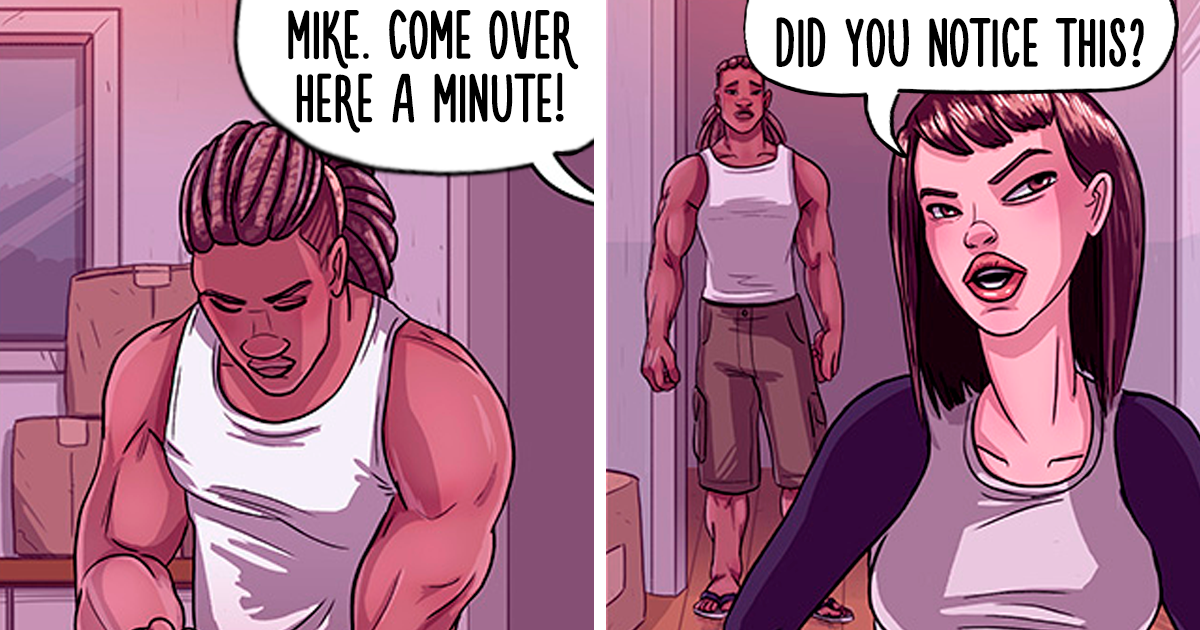
Some comics tap you gently on the shoulder. Others kick open the door, steal your expectations, and leave you staring at the final panel like your brain just dropped its coffee. That is the special charm of twisted ending comics: they look simple, read quickly, and then ambush you with a punchline, a shiver, or a tiny emotional crisis wearing cartoon shoes.
“We Create Comics With Twisted Endings (Part 2)” fits into a beloved corner of online comics where short stories, dark humor, visual suspense, and clever last-panel reversals meet. These are not just random jokes with spooky wallpaper. The best examples use the language of comics itself: panel timing, facial expressions, silence, misdirection, and the reader’s natural habit of filling in gaps between images. In other words, the twist does not merely happen at the end. It is planted quietly from the beginning, usually while pretending to be harmless. Very rude. Very effective.
Why Twisted Ending Comics Work So Well
Comics are built for surprises. A film controls time by editing. A novel controls time through sentences. A comic controls time through panels, gutters, page turns, and visual rhythm. That makes the medium perfect for unexpected endings because the reader participates in the trick. We look at one panel, assume what happens between panels, and then the final image reveals that our assumption was hilariously, tragically, or magnificently wrong.
This is why short webcomics with twist endings travel so well online. They are compact enough for a quick scroll, but strong enough to create a reaction. A four-panel joke can be shared during lunch. A creepy eight-panel story can be read in bed, regretted immediately, and then sent to a friend with the message, “You need to suffer with me.” That shareable emotional jolt is the engine behind many viral comics.
The Setup: Make the Reader Comfortable
A great twist begins with comfort. The first panels should feel understandable: two people talking, a monster appearing, a child asking a question, a lonely astronaut drifting through space, or a cute animal doing something suspiciously cute. The reader relaxes because the scene seems familiar.
That comfort is not laziness. It is bait. The creator uses recognizable situations so the reader forms a quick prediction. Once that prediction exists, the final panel can overturn it. Without expectation, there is no twist. Without the soft rug, there is nothing to pull out from under the reader’s feet.
The Middle: Hide the Trap in Plain Sight
The middle panels do the quiet work. They add details, raise tension, and keep the reader moving. In twisted ending comics, every small visual choice matters: a character looking away, a clock on the wall, a repeated phrase, an object in the background, or a shadow that seems decorative until it becomes extremely impolite.
The best creators do not cheat. They do not suddenly introduce a random spaceship, secret twin, or evil toaster unless the story has prepared us for that possibility. A satisfying twist feels surprising and inevitable at the same time. The reader should think, “I did not see that coming,” followed one second later by, “Wait, the clues were right there.”
The Ending: Reframe Everything
The final panel is where twisted ending comics earn their applause. A good ending does not just add a joke; it changes the meaning of the whole comic. A romantic scene becomes a horror story. A scary scene becomes a joke. A silly conversation suddenly becomes heartbreak. A harmless object becomes the villain. The last panel makes the reader mentally reread the entire strip in a new light.
That reframe is the secret sauce. The final image works like a trapdoor under the story. The reader falls through, lands in a new interpretation, and immediately wants to show someone else. Congratulations, the comic has become a tiny emotional boomerang.
The Appeal of Dark Humor and Emotional Whiplash
Many comics with unexpected endings use dark humor, but “dark” does not always mean cruel. Often, it means honest. These comics look at fear, loneliness, death, anxiety, awkwardness, and human weirdness, then turn them sideways. The humor comes from the gap between what we expected and what the comic reveals.
Dark humor comics can also be oddly comforting. Life is full of uncertainty, and twist comics turn that uncertainty into a controlled experience. The reader gets startled, but safely. We can laugh at monsters, ghosts, existential dread, and bad decisions because they are contained inside neat little rectangles. Therapy is expensive; a comic panel is cheaper and has better facial expressions.
Still, the strongest twisted comics know when not to overdo it. A punchline that exists only to shock can feel hollow. A twist that reveals character, theme, or emotional irony lasts longer. The difference is simple: shock makes readers blink; meaning makes them remember.
What Makes “Part 2” Energy So Addictive?
A “Part 2” collection carries a special promise. It tells readers, “You liked the first batch? Good. We have more little traps.” Returning readers already know the game, which means the creator must work harder. Once an audience expects a twist, the twist has to become smarter, cleaner, and better hidden.
This is where craft becomes essential. A second collection cannot simply repeat the same formula. If every comic ends with a monster, the reader learns to expect the monster. If every joke is a fake-out death, the surprise gets tired and asks for a vacation. Part 2 must vary the emotional temperature: funny, creepy, sweet, tragic, absurd, then funny again. A good collection feels like a haunted snack platter.
Example 1: The Innocent Conversation
Imagine a comic where two friends talk about being afraid of the dark. One says there is nothing to fear. The other points behind them. The reader expects a monster. The final panel reveals the real fear: the person who said “nothing to fear” has no reflection, no shadow, or no body at all. The twist works because the setup feels ordinary, the dialogue misdirects us, and the final image changes who we thought was safe.
Example 2: The Cute Creature
A small creature asks for a hug. The art is adorable. The colors are soft. The reader prepares for sweetness. Then the final panel reveals that every hug absorbs a memory, or the creature is collecting humans like emotional batteries. The twist lands because cuteness creates trust. The ending weaponizes that trust. Very rude. Also excellent.
Example 3: The Cosmic Joke
A lonely astronaut sends a message into space: “Is anyone out there?” After several quiet panels, a reply arrives: “Please stop contacting us.” Suddenly, the comic shifts from loneliness to cosmic embarrassment. The joke is funny because it treats the universe like a group chat where Earth has been muted.
How Artists Use Visual Storytelling to Build the Twist
Twisted ending comics are not only written; they are staged. The artist controls where the eye goes, what the reader notices, and what stays hidden until the right moment. A background detail can become a clue. A character’s expression can contradict the dialogue. A silent panel can create dread faster than a paragraph of explanation.
Panel size also matters. Small panels speed up the rhythm. Wide panels slow the reader down. A sudden close-up can create intimacy or alarm. A final full-width panel can feel like a reveal, a punchline, or a cinematic slap. In short comics, layout is not decoration. Layout is timing.
Color, Contrast, and Mood
Color can trick the reader before the story does. Warm colors may suggest safety. Cold colors may suggest danger. A cheerful palette can make a dark ending more surprising because the reader does not emotionally prepare for disaster. Many modern webcomics use clean, readable art not because it is simple, but because clarity helps the twist land faster.
Think of it like a magic trick. The cleaner the stage, the easier it is to misdirect the audience. If every panel is overloaded, the twist can get buried. If the visual information is controlled, the final reveal hits with satisfying precision.
Why Online Readers Love Short Comics With Unexpected Endings
Online reading habits reward speed, clarity, and emotional impact. A twisted comic can deliver all three. It takes less time than a video, more visual personality than a text joke, and more narrative satisfaction than a meme. It is a tiny story with a beginning, middle, and endplus a little trapdoor at the finish.
Platforms such as social media feeds, comic apps, creator portfolios, and webcomic communities have made short-form comics easier to discover. Readers do not need to visit a comic shop or commit to a long series. They can stumble upon one strip, laugh, panic mildly, and follow the artist before the kettle boils.
This low barrier is a major reason webcomics continue to thrive. Independent creators can publish directly, test ideas, build audiences, and develop a recognizable voice. Some focus on relatable daily humor. Others use surreal jokes, horror, fantasy, or melancholy. Twisted ending comics sit beautifully in the middle because they can borrow from all of those styles.
The Difference Between a Cheap Twist and a Great Twist
Not every surprise is a good surprise. A cheap twist ignores the story and simply throws a weird ending at the reader. A great twist grows from the story. It respects the setup, rewards attention, and reveals something sharper than the obvious answer.
Here is the quick test: after the ending, does the reader want to reread the comic? If yes, the twist probably works. Rereading means the audience believes the comic played fair. They want to return to the beginning and find the hidden wires. If the reader only feels confused, the ending may be random rather than clever.
Great Twists Usually Do Three Things
First, they create a clear expectation. Second, they break that expectation in a way that still makes sense. Third, they leave an emotional aftertaste. That aftertaste might be laughter, sadness, unease, or the strange feeling that your toaster has been judging you all morning.
The emotional aftertaste matters most. A twist should not be a locked door; it should be a window opening onto a stranger view. The best ones make the reader feel that the comic is bigger than its length.
Lessons Creators Can Learn From Twisted Ending Comics
For writers and artists, twisted ending comics offer a useful creative workout. They force creators to think economically. There is no room for clutter. Every panel must earn its place. Every line of dialogue must either build expectation, deepen character, or prepare the reveal.
They also teach restraint. Many beginners explain too much. They label emotions, over-describe settings, and warn readers that something important is coming. But twist comics work best when the reader is allowed to participate. Let the audience connect the dots. Then, in the final panel, rearrange the dots into a skull wearing a party hat.
Start With the Ending
One practical method is to begin with the final reveal. Ask: what image, line, or reversal would make the reader reinterpret everything? Once the ending is clear, build backward. What must the reader believe before the reveal? What clues can be planted without shouting? What ordinary situation can hide the extraordinary truth?
Keep the Characters Human
Even absurd comics need emotional logic. Readers respond more strongly when characters want something recognizable: love, safety, attention, revenge, snacks, or the sweet release of canceling plans. A twist feels stronger when it interrupts a human desire. The monster is scarier if the character was just trying to make a friend. The joke is funnier if the character’s mistake feels painfully familiar.
Experience Notes: Reading and Creating Comics With Twisted Endings
The first time you seriously study twisted ending comics, you start reading them differently. At first, you are just enjoying the ride. Then you begin noticing the machinery. You see how the first panel quietly sets the rules, how the second panel nudges your assumption, how the third panel delays the truth, and how the last panel snaps the whole thing shut like a mousetrap with excellent branding.
One experience that stands out is how often the best twisted comics rely on silence. A beginner might think the final line has to be clever, but many unforgettable endings are wordless. A character opens a door. A shadow falls across the floor. A background detail suddenly becomes the point. The reader supplies the scream, the laugh, or the “oh no.” That participation makes the comic feel personal, almost as if the twist happened inside the reader’s own imagination.
Creating these comics also teaches patience. It is tempting to rush toward the reveal because the ending is the exciting part. But the reveal only works if the road leading to it is smooth. If the setup is weak, the twist feels like a prank. If the setup is too obvious, the twist arrives wearing a name tag. The sweet spot is delicate: the story must be clear enough to follow and sneaky enough to surprise.
Another lesson comes from reader reactions. People love to comment when they feel tricked in a fair way. They say things like, “I had to read this twice,” or “I was not ready,” or “How dare you make me feel emotions before breakfast?” Those reactions show that twisted ending comics create a shared experience. Readers do not simply consume the story; they compare their surprise with other people’s surprise. The comic becomes a small social event.
There is also a strange comfort in making or reading dark twist comics. They let us approach uncomfortable ideas from an angle. Fear becomes funny. Loneliness becomes poetic. Death becomes a punchline, but not always a disrespectful one. Sometimes the twist is not there to mock pain; it is there to make pain visible without turning the whole room into a thunderstorm.
For creators, the process can feel like designing a tiny haunted house. The entrance must be inviting. The hallway must guide the visitor. The scary thing must be hidden, but not impossible to notice. And when the door finally opens, the reader should laugh, gasp, or immediately send the comic to a friend with no context. That is the dream: a story small enough to fit on a phone screen, but sharp enough to follow someone around for the rest of the day.
Conclusion: The Tiny Genius of a Great Final Panel
“We Create Comics With Twisted Endings (Part 2)” represents more than a catchy title. It points to a style of comics that has become one of the internet’s most satisfying storytelling forms. These comics are quick, clever, visual, and emotionally agile. They can be funny, scary, sad, absurd, or all four before your thumb finishes scrolling.
The best twisted ending comics understand that surprise is not enough. The twist must be earned. It must grow from the setup, use the artwork wisely, and leave the reader with a feeling that lingers. Whether the final panel makes us laugh at a cosmic joke or stare nervously at the hallway, the effect is the same: we remember the story because it changed shape in our hands.
In a crowded digital world, that is powerful. A well-made comic with an unexpected ending does not need a thousand pages to matter. Sometimes all it needs is four panels, one clever reversal, and the confidence to let the reader walk directly into the trap. Politely, of course.
Note: This article synthesizes public information and common industry knowledge from creator portfolios, comics platforms, humor publications, visual storytelling resources, and webcomic culture. Source links are not inserted in the article by request.