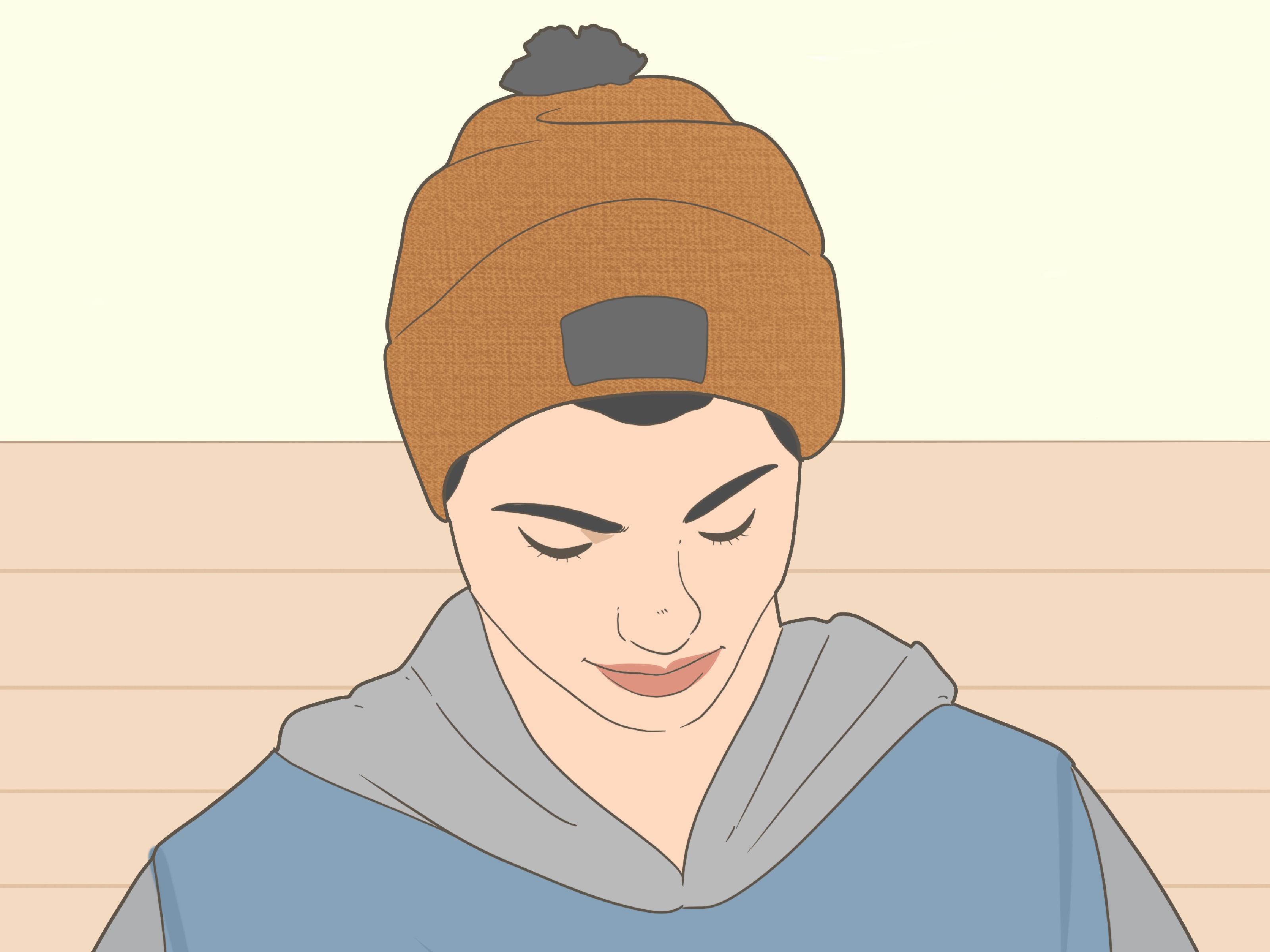
Wearing a beanie sounds simple until your hair decides to audition for a weather documentary. One minute you look cozy and stylish; the next, your roots are flat, your ends are floating with static, and your bangs have formed a tiny rebellion. The good news? A beanie can be one of the easiest winter accessories to stylewhen you know how to work with your hair instead of trapping it under knit fabric and hoping for the best.
This guide breaks down simple ways to wear your hair with a beanie in 11 practical steps. Whether your hair is long, short, curly, straight, wavy, natural, thick, fine, freshly washed, or running on dry shampoo and optimism, these tips will help you create a look that feels intentional, comfortable, and easy to maintain.
The secret is not trying to make your beanie behave like a helmet. A beanie should frame your face, protect your hair, and add personality to your outfit. Think cozy coffee-shop main character, not “I lost a wrestling match with laundry.”
Why Beanie Hair Happens
Before we get into the styling steps, let’s quickly talk about the usual suspects: friction, dryness, pressure, and moisture imbalance. Knit hats rub against hair, especially around the crown and hairline. Cold outdoor air and heated indoor air can make strands dry, which increases static. Tight hats flatten roots, while putting a beanie over damp hair can set unwanted bends and creases as your hair dries underneath.
That does not mean beanies are bad for your hair. It simply means your hairstyle needs a little planning. The right prep, placement, and post-beanie refresh can make the difference between “effortlessly cool” and “my scalp has entered witness protection.”
Simple Ways to Wear Your Hair with a Beanie: 11 Steps
1. Start with Completely Dry Hair
The first rule of beanie styling is simple: do not put a beanie over wet or damp hair unless you are intentionally creating flattened roots and surprise dents. Hair is more shapeable when damp, so if you cover it with a snug hat before it dries, the beanie can press it into place.
For the best result, dry your hair fully before putting on your beanie. If you blow-dry, focus on lifting the roots with your fingers or a round brush. If you air-dry, wait until your hair is dry to the touch from roots to ends. This one small habit helps reduce hat hair dramatically.
2. Choose the Right Beanie Fit
A tight beanie may feel secure, but it can flatten your hair faster than a Monday morning alarm flattens your mood. Look for a beanie that sits comfortably without squeezing your scalp. A slightly looser or slouchy beanie gives your hair more room and creates a softer, more relaxed look.
If you have curly, coily, or textured hair, consider a satin-lined or silk-lined beanie. These smoother linings help reduce friction, which can help protect curls and minimize frizz. For fine or straight hair, lightweight ribbed knits, cashmere blends, or cotton-rich beanies can be easier to style because they do not always press the hair down as aggressively as heavy, tight knits.
3. Prep Your Roots for Volume
If your biggest fear is flat hair, root prep is your new best friend. Before putting on a beanie, apply a small amount of volumizing mousse, root spray, or dry shampoo at the crown. Use your fingers to lift the hair at the roots, then let the product settle before adding the hat.
Dry shampoo is especially helpful because it absorbs oil and adds grip. This makes your hair less likely to collapse under the beanie. Do not overload your roots, though. Too much product can make hair feel stiff, dusty, or heavy. The goal is soft support, not architecture.
4. Wear Your Hair Down for an Easy Casual Look
The simplest way to wear your hair with a beanie is to leave it down. This works beautifully with straight, wavy, curly, or layered hair. Place the beanie slightly back from your hairline so some hair frames your face. Let the rest fall naturally over your shoulders.
For straight hair, smooth the ends with a tiny amount of serum or lightweight oil. For waves, scrunch in a touch of styling cream before wearing the hat. For curls, use your fingers to shape the front pieces and avoid pulling the beanie too far down, which can flatten curl definition near the roots.
This look is perfect for casual errands, winter walks, school days, coffee runs, and any moment when you want to look like you triedbut not like you held a board meeting with your mirror.
5. Try Face-Framing Pieces
Leaving out a few face-framing strands instantly makes a beanie hairstyle look softer and more styled. Pull out small sections around your temples, cheekbones, or jawline, depending on your haircut. This trick works especially well with curtain bangs, layered cuts, long bangs, and wavy hair.
For a polished effect, lightly curl or bend the front pieces away from your face before adding the beanie. For a relaxed effect, leave them natural. The key is not to pull out too much hair. A few pieces look effortless; half your head escaping from the hat looks like the beanie filed for divorce.
6. Go for a Low Ponytail
A low ponytail is one of the most reliable beanie hairstyles because it keeps hair controlled without creating awkward bumps under the hat. Gather your hair at the nape of your neck, secure it with a soft hair tie, and let the ponytail sit under the edge of the beanie.
You can wear the ponytail centered or slightly to one side. A centered ponytail looks sporty and clean, while a side ponytail feels softer and more casual. To avoid tension, keep the ponytail loose. Tight styles under a beanie can feel uncomfortable and may create pressure around the hairline.
7. Create a Side Braid
A side braid is practical, cute, and excellent for reducing tangles on windy days. Sweep your hair over one shoulder, braid loosely, and secure the end. Then place your beanie slightly back so the braid remains visible.
This style works well for long hair, layered hair, and thick hair that tends to puff out under winter accessories. It also helps manage static because the hair is gathered instead of rubbing freely against scarves, coats, and sweaters.
For a more relaxed look, gently tug at the braid to loosen it. Pull out a few front pieces if you want a soft, casual finish. The result feels cozy, stylish, and very “I own a mug that says something inspirational.”
8. Use Two Braids for a Playful Look
Two braids and a beanie make a fun combination, especially for outdoor activities, travel days, or casual weekends. Part your hair down the middle or slightly off-center, create two low braids, and place the beanie over the crown.
This style is great because it keeps hair secure and distributes volume evenly on both sides. It also works for many textures. For curly or natural hair, two twists can create a similar look while helping preserve curl pattern. For shorter hair, mini braids near the front can add detail without needing long length.
9. Wear a Low Bun Under the Beanie
A low bun is ideal when you want your hair off your neck but still want to wear a beanie comfortably. Gather your hair at the nape, twist it into a loose bun, and secure it with pins or a soft tie. Place the beanie above the bun, allowing the bun to sit below the back edge.
This style pairs well with oversized coats, scarves, and turtlenecks because it keeps your hair contained. It is also a lifesaver on second- or third-day hair. Add a little texture spray or dry shampoo first, and suddenly “I did not wash my hair today” becomes “minimalist winter styling.” Truly, branding is everything.
10. Style Short Hair with Texture
Short hair and beanies can look fantastic, but shape matters. If your hair is pixie-length, cropped, or bobbed, add texture before putting on the hat. Use a small amount of styling paste, cream, or light wax through the ends. This helps your hair look piecey and intentional when it peeks out.
For bobs and lobs, tuck one side behind your ear or let the front pieces frame your face. Avoid pulling the beanie too low if you want to keep volume. A cuffed beanie worn slightly above the eyebrows can create a balanced look, while a slouchy beanie can make short hair feel artsy and relaxed.
11. Refresh Your Hair After Removing the Beanie
Even the best beanie hairstyle may need a quick reset after you take the hat off. Keep a mini refresh kit handy: a travel brush or wide-tooth comb, a small dry shampoo, a light hair oil or serum, and maybe a few pins or elastics.
For straight hair, flip your head upside down and gently shake the roots. For waves and curls, avoid brushing; instead, use your fingers to reshape and lift. For static, rub a tiny amount of leave-in conditioner, serum, or hair oil between your palms and smooth it lightly over the surface. Focus on the ends and flyaways, not the roots.
Best Beanie Hairstyles by Hair Type
For Straight Hair
Straight hair can become flat under a beanie, so volume is the priority. Use dry shampoo or root spray before wearing the hat. Try loose waves, a low ponytail, or a side braid to keep the style from looking too pressed down.
For Wavy Hair
Wavy hair looks great with beanies because the texture adds natural movement. Apply a lightweight curl cream or sea-salt spray before styling. Leave the hair down, use face-framing pieces, or choose a loose low bun for an easy winter look.
For Curly Hair
Curly hair benefits from friction control. A satin-lined beanie can help protect curl shape, while a slouchy fit gives curls more space. Avoid brushing curls after removing the hat. Instead, mist lightly with water or curl refresher and reshape with your fingers.
For Coily or Natural Hair
Protective styles pair beautifully with beanies. Try twists, braids, low puffs, mini twists, or a loose low bun. A satin or silk lining is especially helpful for reducing dryness and friction. If your beanie is not lined, you can wear a thin silk scarf underneath for extra protection.
For Fine Hair
Fine hair often needs lightweight products. Avoid heavy oils near the scalp. Use a small amount of volumizing spray, dry shampoo, or texture mist. A loose beanie, face-framing strands, and a low ponytail can help fine hair look soft rather than squished.
For Thick Hair
Thick hair can create bulk under a beanie, so controlled styles are useful. Side braids, low buns, and low ponytails keep the hair organized. Choose stretchier beanies or slouchy shapes so the hat does not sit awkwardly on top of your hair.
How to Avoid Static, Frizz, and Hat Hair
Static is one of the most common beanie problems, especially in winter. It happens more often when the air is dry and hair lacks moisture. To reduce static, use conditioner regularly, apply leave-in conditioner when needed, and avoid over-drying your hair with hot tools.
A satin-lined beanie or silk scarf can reduce friction. Natural fibers and softer knits may also feel gentler than rough synthetic fabrics. If your hair gets staticky during the day, smooth a tiny amount of serum over the outer layer. You can also lightly mist your brush with flexible hairspray and pass it over straight hair to calm flyaways.
Frizz is slightly different from static, but the solutions overlap: moisture, gentle handling, and less friction. Avoid rough towel-drying, harsh brushing, and putting hats on damp hair. Treat your hair like a favorite sweatersoft handling, no panic, and absolutely no unnecessary violence.
Beanie Placement Tips That Actually Matter
How you place your beanie changes the entire look. For a casual style, wear it slightly back so your hairline or bangs show. For warmth, pull it lower over your ears, but avoid smashing the front if you want volume. For a streetwear-inspired look, try a cuffed beanie sitting higher on the head. For a cozy, relaxed feel, choose a slouchy beanie that falls slightly toward the back.
If you have bangs, let them peek out naturally. Curtain bangs can be parted and shaped around the face. Blunt bangs may need the beanie placed a little farther back to avoid flattening them. If your bangs misbehave after hat removal, a tiny spritz of water and a quick finger-style can usually bring them back from their dramatic side quest.
Common Beanie Hair Mistakes to Avoid
Wearing a Beanie on Damp Hair
This is the fastest way to create creases and flat roots. Dry first, then style.
Choosing a Hat That Is Too Tight
A tight beanie may stay put, but it can also flatten your style and feel uncomfortable. A better fit gives your hair room to breathe.
Using Too Much Product
Heavy oils, creams, or gels can make hair look greasy under a beanie. Use lightweight products and apply them mainly to the mid-lengths and ends.
Ignoring Your Hair Texture
Not every beanie hairstyle works the same way for every hair type. Choose styles that support your natural texture instead of fighting it.
Extra Experience-Based Tips for Wearing Your Hair with a Beanie
After trying many beanie hairstyles in real-life situationscold mornings, windy sidewalks, school runs, travel days, outdoor markets, and those days when the mirror clearly has an attitudethe most useful lesson is this: your beanie hairstyle should match your day. A style that works for a two-hour winter walk may not be the best choice for sitting indoors all afternoon. If you plan to remove your beanie often, choose a style that can recover quickly, like a low ponytail, side braid, or loose waves.
For long hair, the side braid is one of the most dependable options. It keeps hair from tangling under scarves and jacket collars, and it still looks cute when the beanie comes off. A loose braid also prevents the ends from rubbing too much against wool coats. If your hair is layered, use a small amount of styling cream first so shorter pieces do not escape immediately like they have somewhere better to be.
For medium-length hair, wearing it down with face-framing pieces often looks the most natural. The beanie becomes part of the style instead of something sitting on top of it. A quick bend with a curling wand on the front pieces can make the whole look feel polished, even if the back of your hair is simply existing peacefully under the hat.
For short hair, texture is everything. A beanie can hide too much of the haircut if it is pulled too low, so leave some shape visible around the ears, forehead, or nape. A little styling paste can help the ends look defined instead of crushed. Short hair also looks great with cuffed beanies because the clean edge of the hat creates structure.
For curly and coily hair, the biggest experience-based tip is to protect your pattern before you leave the house. Do not rely on fixing everything later. Use a moisturizing product, choose a gentle lining when possible, and avoid tight hats that compress the crown. If your curls lose shape, refreshing with your fingers usually works better than brushing. A small spray bottle with water or curl refresher can be a winter bag hero.
Another practical trick is to keep your beanie clean. Hair products, scalp oil, and sweat can build up inside the hat, making roots look greasy faster. Wash your beanie according to the care label, especially if you wear it several times a week. A clean beanie is better for your hair, your scalp, and everyone standing near you in an elevator.
Finally, remember that beanie hair does not need to be perfect. The charm of a beanie is its relaxed, cozy personality. A few flyaways can look soft. A slightly messy braid can look intentional. A loose bun under a slouchy beanie can look stylish without requiring a 45-minute styling ceremony. The goal is not to defeat winter hair completely; the goal is to make it work for you with less stress and more confidence.
Conclusion
Learning how to wear your hair with a beanie is mostly about preparation, placement, and choosing styles that suit your hair type. Start with dry hair, use lightweight products, avoid tight hats when possible, and rely on simple styles like low ponytails, side braids, low buns, textured short hair, and face-framing pieces. With the right approach, your beanie can be more than a cold-weather necessityit can be the finishing touch that makes your outfit look cozy, stylish, and completely intentional.
So yes, you can stay warm without surrendering your hairstyle to the winter chaos gremlins. Choose the right beanie, give your hair a little support, and keep a quick refresh plan ready. Cozy and cute can absolutely live in the same zip code.