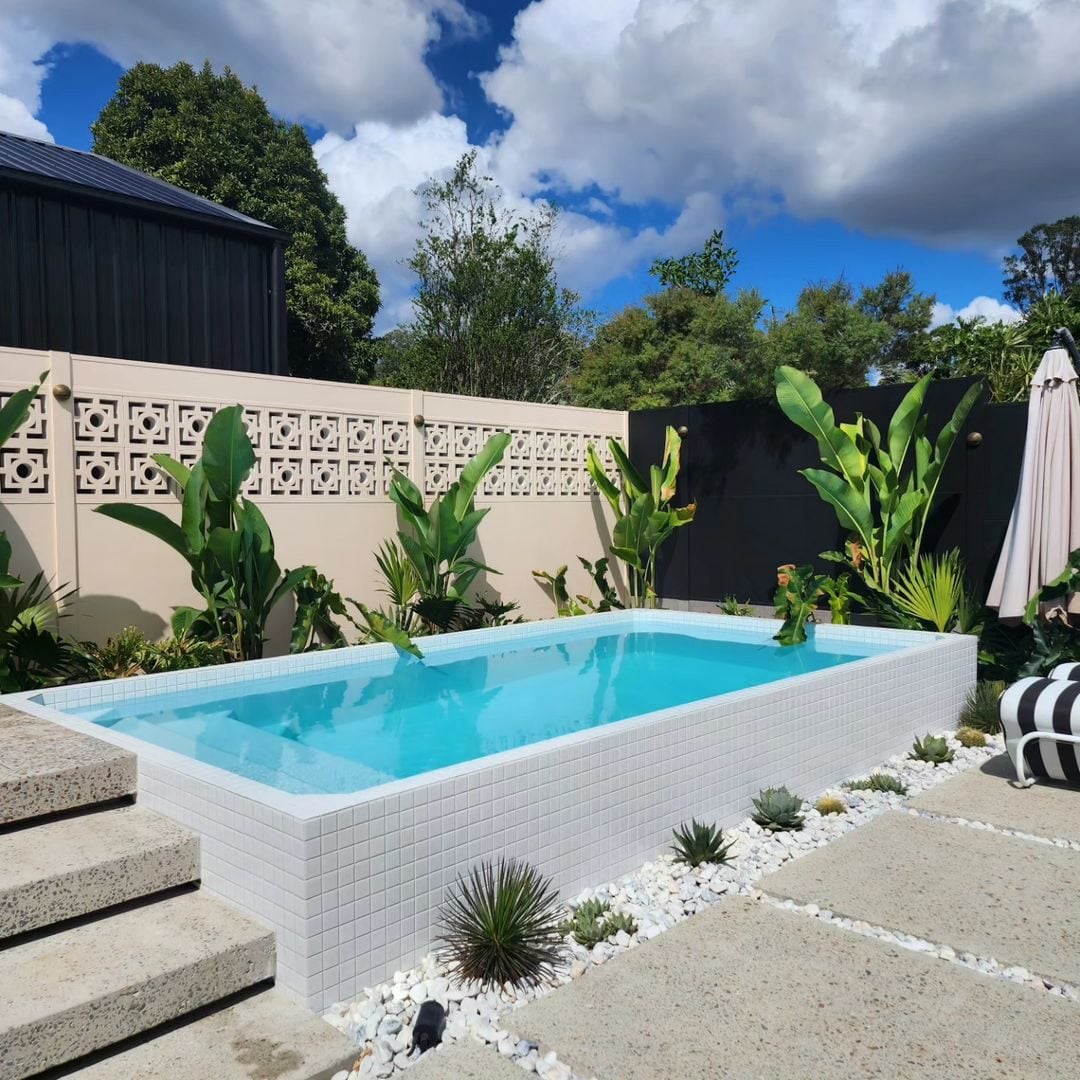
A plunge pool is what happens when a swimming pool decides to stop trying to host the Olympics and starts focusing on a better life: cooling off, relaxing, looking gorgeous, and fitting into backyards that do not have the square footage of a country club. Compact, stylish, and surprisingly versatile, plunge pools have become one of the smartest outdoor upgrades for homeowners who want water, beauty, and comfort without turning the entire yard into a pool deck with a house attached.
Unlike a traditional swimming pool, a plunge pool is usually smaller, deeper than a typical wading pool, and designed for soaking, dipping, hydrotherapy, lounging, and quick relief from hot weather. It is not meant for long lap swimming, cannonball contests, or your cousin’s “watch this” diving routine. Instead, it gives you a private backyard retreat that can feel like a boutique hotel, a spa, or a tiny resort where the dress code is “barefoot and slightly smug.”
Below, we’ll break down what a plunge pool is, how it compares to a regular pool, what to consider before building one, and nine of the best plunge pool ideas for small yards, modern patios, cozy courtyards, and outdoor spaces that deserve a splash of personality.
What Is a Plunge Pool?
A plunge pool is a compact pool designed primarily for relaxation, cooling off, and soaking rather than full-body swimming workouts. Many plunge pools are rectangular, square, round, or custom-shaped, and they can be installed in-ground, above-ground, or partially raised. Some are cold plunge pools used for recovery, while others are heated and function almost like a spa or oversized hot tub.
Typical plunge pools are often around 8 to 12 feet wide and 12 to 24 feet long, though smaller and larger versions exist. Depth varies depending on use. A lounging plunge pool may be around 4 to 5 feet deep, while a more athletic or hydrotherapy-focused design may go deeper. The beauty of a plunge pool is that it can be tailored to the way you actually live. If you mostly want to sit with a cold drink and pretend emails do not exist, you do not need a massive pool.
Plunge Pool vs. Traditional Pool: What’s the Difference?
The biggest difference is purpose. A traditional pool is usually built for swimming, games, family gatherings, and larger-scale entertaining. A plunge pool is more about compact luxury, relaxation, design, and efficient use of space. It requires less room, less water, and often less maintenance than a full-size pool, though it is still a serious home-improvement project that needs planning, permits, equipment, and professional installation in many cases.
Cost can vary widely based on materials, location, excavation, access, finishes, heating, decking, fencing, and landscaping. Vinyl and above-ground models are usually more budget-friendly, while concrete, custom tile, integrated spas, waterfalls, lighting, and premium hardscaping increase the price. The small size can make a plunge pool more affordable than a traditional in-ground pool, but “small” does not automatically mean “cheap.” Backyard dreams still know how to send invoices.
Why Homeowners Love Plunge Pools
Plunge pools are popular because they solve a very modern problem: people want resort-style outdoor living, but many homes have smaller lots, tighter budgets, and less time for maintenance. A plunge pool can fit beside a patio, inside a courtyard, along a fence line, near a deck, or even in a narrow side yard. With the right design, it can make a small outdoor space feel intentional instead of cramped.
They also offer flexible comfort. In warm climates, a plunge pool can be a refreshing escape from summer heat. In cooler regions, a heated plunge pool can extend the outdoor season. Add jets, bench seating, a cover, and smart controls, and suddenly your backyard is less “patch of grass” and more “personal wellness department.”
9 of the Best Plunge Pool Ideas
1. The Modern Minimalist Plunge Pool
A modern minimalist plunge pool is perfect for homeowners who love clean lines, calm colors, and the kind of backyard that looks like it knows how to meditate. Think rectangular shape, smooth concrete or porcelain tile, simple coping, and a restrained palette of white, charcoal, beige, or soft gray.
This design works especially well in urban backyards, contemporary homes, and patios with architectural landscaping. Keep the surrounding area uncluttered with built-in bench seating, a pair of sleek loungers, and low-maintenance plants such as ornamental grasses, agave, boxwood, or dwarf olive trees. The goal is not to decorate every inch. The goal is to let the water, light, and geometry do the heavy lifting.
2. The Courtyard Plunge Pool
If your outdoor space is enclosed by walls, fences, or neighboring buildings, a courtyard plunge pool can turn that limitation into a design advantage. Courtyards naturally feel private, and a small pool can become the centerpiece of the entire space.
Use vertical elements to make the area feel lush rather than boxed in. Climbing vines, wall planters, outdoor mirrors, narrow trees, or textured stone walls can add depth. A courtyard plunge pool also benefits from soft lighting. Wall sconces, LED strips under coping, and small landscape lights can make the space glow at night. Add a bistro table and suddenly you have a dinner setting that says, “Yes, we are fancy now.”
3. The Tropical Resort Plunge Pool
For a vacation mood, surround your plunge pool with tropical plants, natural stone, warm wood, and layered greenery. Palms, bird of paradise, elephant ears, hibiscus, and ferns can create the feeling of a private island, even if your actual view includes a garage and your neighbor’s recycling bin.
To make this idea work, focus on texture. Pair stone pavers with wood decking, use outdoor cushions in warm neutrals or botanical prints, and consider a small waterfall or bubbling feature for sound. The water feature does not need to be huge. Even a gentle spillover edge can create enough movement to make the backyard feel more peaceful.
4. The Heated Spa-Style Plunge Pool
A heated plunge pool is ideal for homeowners who want year-round usability. With heating, jets, and built-in seating, a plunge pool can behave like a luxurious hybrid between a pool and a spa. It is excellent for chilly evenings, sore muscles, casual entertaining, and pretending winter is optional.
For comfort, include submerged benches, ergonomic seating ledges, non-slip steps, and a nearby towel hook or storage cabinet. If you live in a cooler climate, invest in a quality cover to reduce heat loss. A heated plunge pool is more expensive to operate than an unheated one, but smart controls, efficient equipment, and thoughtful insulation can help manage energy use.
5. The Stock Tank or Above-Ground Plunge Pool
Not every plunge pool needs to be a major excavation project. A stock tank pool or stylish above-ground plunge pool can be a practical option for renters, budget-conscious homeowners, or anyone who wants a seasonal cooling spot without committing to a full custom build.
To make an above-ground plunge pool look intentional, build around it. Add a low platform deck, gravel border, potted plants, privacy screen, and outdoor steps. The secret is to avoid the “giant bucket in the yard” effect. When framed with landscaping and seating, even a simple above-ground pool can look charming, relaxed, and surprisingly polished.
6. The Narrow Side-Yard Plunge Pool
Side yards are often treated like outdoor hallways for trash cans, garden hoses, and things nobody wants to look at. But a narrow plunge pool can completely change that space. A slim rectangular pool installed along the side of a home can create a sleek, architectural water feature while still leaving room for a walkway.
This idea works best with strong planning. You will need to consider drainage, privacy, equipment placement, setbacks, and access for installation. Use linear pavers, wall-mounted lighting, and vertical planting to emphasize length. If space is very tight, choose a pool with a built-in bench instead of adding separate furniture.
7. The Natural Stone Plunge Pool
A natural stone plunge pool is a beautiful choice for homeowners who want the pool to blend into the landscape rather than stand out as a shiny blue rectangle. Stone coping, boulder accents, gravel paths, and native plants can make the pool feel like a tucked-away spring.
This style works well in rustic, desert, mountain, Mediterranean, and cottage-inspired yards. Choose materials that match the local climate and architecture. In hot regions, lighter stone can reduce surface heat. In lush regions, irregular stone and layered planting can create a garden-like mood. Just make sure walking surfaces are slip-resistant, because elegance disappears quickly when someone performs an accidental cartoon skid.
8. The Plunge Pool with a Sun Shelf
A sun shelf, also called a tanning ledge or Baja shelf, is a shallow platform built into the pool. It is perfect for lounge chairs, small children under close supervision, dogs who believe they are lifeguards, and adults who want to be in the water without fully committing to wet hair.
In a plunge pool, every square foot matters, so the sun shelf should be sized carefully. A small ledge at one end may be enough. Add an umbrella sleeve for shade, or place the shelf near a pergola or shade sail. This feature makes the pool more versatile and gives the design a resort-like feel without requiring a large footprint.
9. The Entertainment-Focused Plunge Pool
If you love hosting, design the plunge pool as part of a larger outdoor living zone. Place it near a patio, outdoor kitchen, fire pit, or covered seating area. The pool does not need to be large to support great entertaining; it just needs to be positioned where people naturally gather.
Include wide coping where guests can sit, nearby tables for drinks and snacks, and durable outdoor lighting. A small plunge pool with a fire feature nearby can create a dramatic contrast: cool water, warm flames, and everyone suddenly taking photos like they are documenting a celebrity backyard tour. For safety and comfort, leave clear walking paths and avoid crowding the pool edge with too much furniture.
Important Planning Tips Before Installing a Plunge Pool
Check Permits, Setbacks, and Local Rules
Before you fall in love with a tile sample, check your local building codes, zoning rules, homeowners association requirements, and permit process. Pools often require specific setbacks from property lines, utilities, septic systems, structures, and easements. Skipping this step is the fastest way to turn a fun project into an expensive lesson in municipal paperwork.
Think About Safety from Day One
A plunge pool may be small, but it is still a pool. Plan for fencing, gates, alarms, covers, anti-entrapment drain covers, non-slip surfaces, safe lighting, and clear visibility from the house. If children visit your home, layers of protection are essential. Safety features should not be treated as accessories; they are part of the design.
Choose Equipment That Matches the Pool
Filtration, pumps, heaters, sanitation systems, and covers should be sized for your specific pool volume and usage. A variable-speed pump can help reduce energy waste, while a proper cover can reduce evaporation, heat loss, and debris. The best equipment setup is not always the biggest or most expensive; it is the one that fits the pool and how you use it.
Plan the Whole Outdoor Room
A plunge pool is not just a water feature. It is part of an outdoor room. Think about shade, seating, storage, privacy, lighting, drainage, landscaping, and how people will move through the space. The most successful plunge pool ideas feel connected to the home, not dropped into the yard like a surprise appliance.
Best Materials for a Plunge Pool
Concrete offers the most customization and can be shaped, tiled, and finished in many ways, but it usually costs more and takes longer to install. Fiberglass pools are often faster to install and can have smooth, durable surfaces, though shapes and sizes are more limited. Vinyl can be more affordable, but liners eventually need replacement. Precast concrete plunge pools are another option, offering a factory-made shell that can reduce on-site construction time.
For decking and coping, consider slip resistance, heat retention, maintenance, and style. Porcelain pavers, textured concrete, natural stone, composite decking, and wood can all work, depending on your climate and budget. Avoid materials that become slick when wet or painfully hot in direct sun. Your future bare feet will have opinions.
How Much Space Do You Need for a Plunge Pool?
You do not need a huge yard, but you do need enough room for the pool, safe access, equipment, code-required barriers, and comfortable circulation. A tiny pool squeezed into a yard with no walking space may look good in a cropped photo, but real life requires room for towels, people, maintenance, and at least one chair where someone can supervise with iced tea.
As a rule, design the pool and the surrounding area together. A 7-by-13-foot plunge pool, for example, can feel generous when paired with smart decking and built-in seating. A larger pool can feel awkward if it eats the whole yard. Balance matters more than size.
Experience Notes: What Living With a Plunge Pool Is Really Like
One of the biggest surprises about plunge pools is how quickly they become part of daily life. A traditional pool can feel like an event: swimsuits, towels, toys, skimmers, guests, and a full afternoon commitment. A plunge pool is different. It invites quick use. You can step outside after work, cool off for ten minutes, and return to dinner feeling like you briefly escaped to a boutique resort that happens to be located behind your kitchen.
The best experience comes when the pool is easy to access. If you have to uncover furniture, drag out cushions, move planters, and perform a small obstacle course to reach the water, you will use it less. The most successful plunge pool setups keep towels nearby, provide a place to set drinks, include good lighting, and make entry simple with safe steps or a bench. Convenience is not glamorous, but it is the reason a backyard feature gets used instead of admired from the window.
Another real-life lesson is that privacy matters more than many homeowners expect. A small pool creates a more intimate setting than a big pool, which means you may feel more exposed if neighbors can see directly into the space. Fencing, hedges, pergolas, trellises, outdoor curtains, and layered planting can make the plunge pool feel calm and protected. Even partial privacy helps. You do not need to build a fortress; you just need enough screening to avoid making accidental eye contact with someone taking out the trash.
Maintenance is also easier than a large pool in many cases, but it is not zero. Smaller water volume can change temperature and chemistry more quickly, so consistent care is important. Leaves, sunscreen, pollen, and heavy use can affect clarity. A good cover, proper filtration, regular testing, and routine cleaning make a major difference. Think of it like owning a small garden: manageable, rewarding, and happiest when you do not ignore it for three weeks.
Design choices also affect the experience. Dark interior finishes can make water look dramatic and lagoon-like, but they may absorb more heat. Light finishes feel crisp and modern, but may show debris more clearly. Built-in benches make soaking more comfortable. A sun shelf adds flexibility. Shade keeps the pool usable during peak afternoon heat. Lighting turns evening dips into a ritual. None of these details are random; they shape how the pool feels day after day.
For many homeowners, the biggest emotional benefit is not swimming. It is atmosphere. Moving water, reflected light, cool surfaces, and greenery can make even a small yard feel more alive. A plunge pool can become the anchor for morning coffee, weekend reading, quiet conversations, post-work decompression, and summer gatherings. It gives the backyard a reason to exist beyond mowing, grilling, and wondering where the patio cushions went.
The smartest advice is to design for your real habits, not fantasy habits. If you are not a lap swimmer, do not mourn the lack of laps. If you love evening relaxation, prioritize heating, lighting, and seating. If you entertain, plan deck space. If you hate maintenance, keep the shape simple and invest in a cover. A plunge pool works best when it is honest about your lifestyle. And when done well, it proves that small can still feel luxurious, refreshing, and wonderfully indulgent.
Conclusion
A plunge pool is a compact, stylish, and highly practical way to bring water into your outdoor living space without committing to a full-size swimming pool. It can be modern, tropical, rustic, spa-like, budget-friendly, or built for entertaining. The best plunge pool ideas begin with the same question: how do you want to feel when you step outside?
If the answer is cooler, calmer, happier, and slightly more like someone who owns excellent patio furniture, a plunge pool may be exactly the backyard upgrade you need. Plan carefully, respect safety requirements, choose durable materials, and design the surrounding space with as much care as the pool itself. When the water, landscaping, lighting, and seating work together, even a tiny pool can make a backyard feel like a private escape.