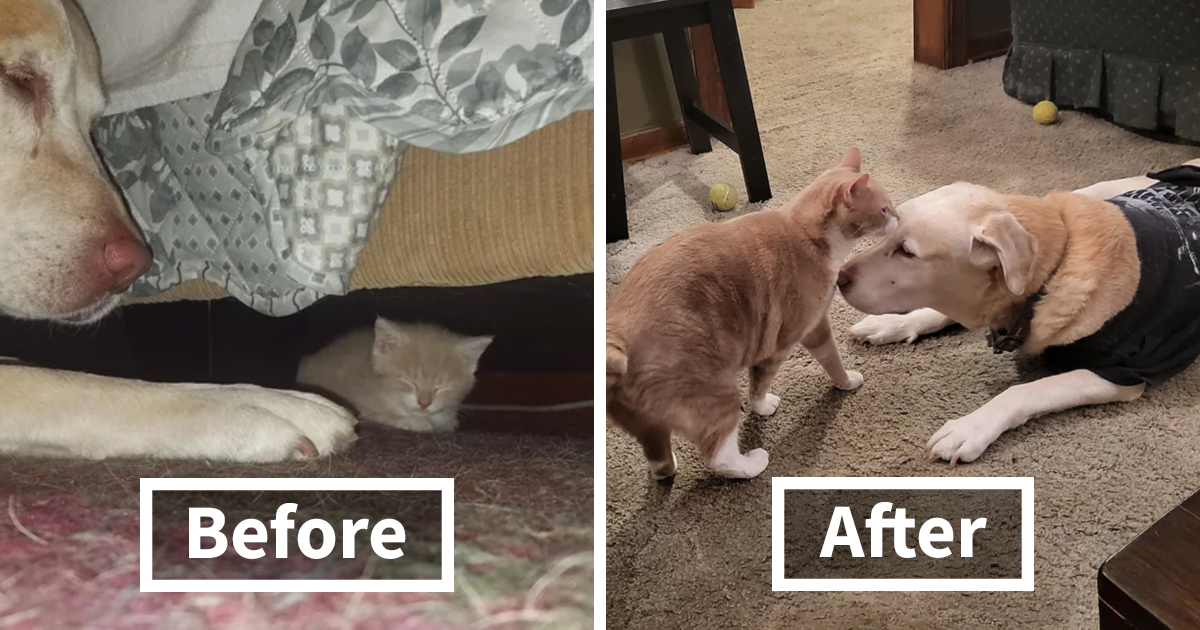
Some glow-ups involve a new haircut, a gym membership, and a suspiciously expensive moisturizer. Cat transformations? They often start with a cardboard carrier, a quiet room, a bowl of food, and a human willing to say, “You are safe now.” That is when the magic begins.
Across shelters, foster homes, rescue groups, and family living rooms, adopted cats prove every day that change is not just possibleit can be spectacular. A frightened kitten becomes the mayor of the couch. A thin stray turns into a glossy, biscuit-making professional. A senior cat who once hid behind a litter box learns that laps are basically heated furniture designed by destiny.
In the United States, millions of cats enter animal shelters and rescue networks each year, and many of them leave with a second chance. Adoption does more than place a pet in a home. It can restore health, reduce stress, build trust, and give a cat the daily routine it needs to blossom. The transformation may be dramatic, quiet, hilarious, or all three before breakfast.
Why Cat Adoption Transformations Are So Powerful
A cat’s “before and after” story is not only about appearance. Yes, the fur becomes cleaner, the eyes brighten, and the ribs disappear under healthy weight. But the deeper transformation happens in behavior. A cat begins to nap belly-up because it no longer expects danger. It starts chirping at birds from a window instead of scanning every sound for trouble. It learns the food bowl refills, the hand is kind, and the bed is not a trap.
Veterinary care is also a huge part of the change. Many adopted cats receive vaccinations, parasite control, spay or neuter surgery, microchipping, and treatment for common problems before or soon after adoption. With steady meals, hydration, grooming, enrichment, and a predictable environment, cats can recover from stress in ways that look almost cinematic.
50 Cat Transformations That Show What Adoption Can Do
1. From Hiding Under Furniture to Owning the Whole House
Many newly adopted cats spend their first days hiding. That is not failure; that is decompression. With patience, the same cat may soon patrol the hallway like a tiny landlord collecting emotional rent.
2. From Matted Fur to Silky Confidence
Neglected cats often arrive with tangled coats. Regular brushing, proper nutrition, and a calm home can turn rough fur into a glossy coat worthy of dramatic slow-motion entrances.
3. From Skinny Stray to Healthy House Panther
Underweight cats can gain strength with measured meals and veterinary guidance. The “after” photo often shows a fuller face, brighter eyes, and the proud posture of a cat who knows dinner has a schedule.
4. From Fearful Eyes to Slow Blinks
One of the sweetest signs of trust is the slow blink. A cat who once watched every movement with suspicion may eventually blink softly as if saying, “Fine, human. You may continue serving me.”
5. From Shelter Stress to Window-Sill Peace
Shelters do lifesaving work, but they can be noisy and unfamiliar. A quiet home with a sunny window can help a cat relax, stretch out, and rediscover the serious business of bird supervision.
6. From Scruffy Kitten to Playful Acrobat
Kittens rescued from rough conditions may look fragile at first. After care and nutrition, they often become airborne chaos machines, attacking toys, curtains, and invisible ghosts with Olympic dedication.
7. From “Do Not Touch” to Lap Champion
Some cats need weeks or months before seeking touch. When they finally climb into a lap, it feels less like cuddling and more like receiving a royal appointment.
8. From Dull Coat to Healthy Shine
Coat condition can reflect nutrition, grooming, and overall health. Adoption gives cats access to consistent care, and the result can be a shine that says, “I have a staff now.”
9. From Outdoor Survivor to Indoor Comfort Expert
Outdoor cats may need help adjusting indoors. With perches, scratching posts, toys, and routine, many discover that indoor life includes fewer fights and more blankets. Excellent trade.
10. From Silent to Chatty
Some cats barely make a sound at first. Once secure, they may develop a full vocabulary of chirps, trills, meows, and mysterious hallway announcements at 3 a.m.
11. From Defensive Swats to Gentle Head Bumps
Fear can look like aggression. A cat that swats may be asking for space. Respecting boundaries can turn panic into trust and trust into affectionate forehead bonks.
12. From Cage Corner to Couch King
The cat who once curled in the back of a shelter kennel may later claim the best couch cushion. This is not entitlement. This is interior design leadership.
13. From Rough Paw Pads to Soft Steps
Street life is hard on paws. Indoor safety, clean surfaces, and care can help cats move with more comfort, especially when their new home includes rugs, beds, and other luxury landing zones.
14. From Overwhelmed to Routine-Loving
Cats thrive on predictability. Feeding times, play sessions, and quiet rest periods can help adopted cats feel secure and confident faster.
15. From Flea-Bitten to Fresh
Parasite treatment can dramatically improve comfort. Once itching and irritation fade, cats often sleep better, groom more normally, and stop looking personally betrayed by their own skin.
16. From Lonely to Bonded
Some cats bond deeply with people, other cats, or even polite dogs. Adoption can turn isolation into companionshipprovided introductions are slow and supervised.
17. From Senior Shelter Cat to Beloved Grandmaster
Senior cats may be overlooked, but they often make calm, grateful companions. Their transformation is less “wild kitten energy” and more “wise velvet roommate who knows where the blankets are.”
18. From Startled by Every Sound to Sleeping Through Life
With time, a cat who once jumped at every noise may sleep through dishwashers, doorbells, and human attempts to assemble furniture badly.
19. From Food Anxiety to Mealtime Manners
Cats who experienced hunger may guard food or overeat. A stable feeding routine can help them learn that meals are reliable, not a one-time miracle.
20. From Shy Foster Cat to Adoption Ambassador
Foster homes often reveal a cat’s real personality. A cat labeled “too shy” in a shelter may become playful and affectionate once placed in a quieter setting.
21. From Broken Trust to Gentle Curiosity
Trust does not arrive like a delivery package. It builds in small moments: a treat accepted like a delivery package. It builds in, a toy chased, a nap taken nearby. Adoption creates the conditions for those moments to multiply.
22. From Uncertain Steps to Confident Exploration
Many cats explore one room first, then a hallway, then the entire house. Eventually, they inspect closets as though searching for unpaid taxes.
23. From Bored to Enriched
Scratching posts, puzzle feeders, wand toys, tunnels, and cat trees help indoor cats use their natural hunting and climbing instincts. Enrichment turns nervous energy into healthy activity.
24. From Litter Box Confusion to Clean Routine
Stress, illness, box placement, and litter type can affect litter habits. With veterinary help and thoughtful setup, many adopted cats settle into reliable routines.
25. From “Invisible Cat” to Family Comedian
Some cats seem invisible at first. Then one day they roll off the couch mid-stretch, chase a bottle cap, and become the household’s unpaid entertainment department.
26. From Street Tough to Blanket Softie
The toughest-looking stray may melt into a pile of purrs once it experiences warmth, safety, and a blanket that has been legally declared “mine.”
27. From Nervous Grooming to Relaxed Self-Care
Stress can change grooming behavior. In a stable home, grooming often returns to normal, and the cat begins looking less like a thundercloud and more like a polished loaf.
28. From Medical Mystery to Managed Health
Adoption often leads to veterinary follow-up that catches dental disease, skin issues, parasites, or chronic conditions. Proper care can transform both comfort and quality of life.
29. From Scared Kitten to Confident Adult
A tiny rescue kitten can become a bold adult cat with the help of socialization, play, nutrition, and patient handling. The before-and-after can feel like watching a flower learn sarcasm.
30. From Shelter Number to Named Family Member
A name matters. “Cat 427” becomes Mochi, Luna, Beans, Mr. Pickles, or Duchess Thunderpaws. Identity is part of belonging.
31. From Avoiding Hands to Asking for Scratches
Gentle touch on the cat’s terms can change everything. A cat that once backed away may eventually push its head under a hand like it is activating a snack dispenser.
32. From Cold Nights to Heated Beds
Comfort is not a small thing. Warm bedding, safe shelter, and indoor climate control help cats rest deeply, especially those rescued from harsh weather.
33. From Stress Shedding to Settled Coat
Stress can contribute to excessive shedding or poor coat condition. Once a cat feels safe, regular grooming and nutrition can make a visible difference.
34. From “Too Old” to Perfect Companion
Older cats are often already litter trained, calmer, and full of personality. Their transformation may be the quiet joy of finally being chosen.
35. From Unsure Around People to Door Greeter
A once-cautious cat may eventually greet guests, inspect shoes, and judge everyone’s character with laser accuracy.
36. From Scratching Furniture to Using a Post
Scratching is normal feline behavior. Giving a sturdy post in the right location can save furniture and give cats a healthy outlet.
37. From Restless Nights to Secure Sleep
When cats feel safe, their sleep changes. They sprawl, curl, snore, twitch, and occasionally look like they were poured into the bed.
38. From Avoiding Play to Hunting Toys
Play builds confidence. Wand toys are especially helpful because they let cats engage without feeling pressured by direct human contact.
39. From “Problem Cat” to Understood Cat
Many behavior problems are communication. A cat may need more resources, less stress, medical care, or a better environment. Adoption works best when humans learn the language.
40. From Rescue Intake Photo to Holiday Card Star
The same cat who looked scared in an intake photo may later appear on a family holiday card wearing no costume at all because everyone wisely values their fingers.
41. From Uncertain Appetite to Healthy Eating
Some cats eat poorly when stressed. Once settled, appetite often improves. Any major change should be discussed with a veterinarian, but routine can help.
42. From Alone in a Kennel to Part of a Morning Ritual
Adopted cats become part of daily life: coffee companion, bathroom supervisor, keyboard assistant, and strict enforcer of breakfast punctuality.
43. From Rough Rescue to Gentle Purr Machine
Purring is not always simple, but in a relaxed adopted cat, it often becomes the soundtrack of healing. It is tiny thunder with emotional benefits.
44. From Avoiding Eye Contact to Watching Everything
Confidence changes posture. The cat who once looked down may later sit tall, observe the room, and make it clear that no drawer opens without permission.
45. From No Toys to Favorite Toys
Every adopted cat eventually chooses a favorite object. It may be a plush mouse, a crinkle ball, or the receipt you threw on the floor by accident. Cats respect chaos.
46. From Emergency Rescue to Recovery Story
Some transformations involve real medical recovery after injury, infection, or neglect. Adoption gives these cats not only treatment but a reason to keep trusting the world.
47. From Nervous Around Other Pets to Peaceful Coexistence
Slow introductions, scent swapping, and separated spaces can help cats adjust to other pets. Rushing introductions is like skipping to the final chapter and wondering why the plot exploded.
48. From Forgotten to Celebrated
Adoption changes a cat’s status. It is no longer one of many waiting animals. It becomes someone’s lock-screen photo, emergency contact topic, and emotional support potato.
49. From Surviving to Thriving
The biggest transformation is the shift from survival mode to joy. A thriving cat plays, rests, explores, bonds, and feels secure enough to be wonderfully weird.
50. From Rescue Cat to Rescuer
People adopt cats to save them, but many adopters quietly admit the cat saved them back. Companionship, routine, laughter, and unconditional presence can transform the human side of the story too.
What Makes These Cat Transformations Happen?
Patience Comes First
Adopted cats do not transform on a human schedule. Some relax in hours; others need months. The best adopters understand that hiding, cautious eating, and nighttime exploring are part of adjustment. The goal is not to force affection. The goal is to make safety predictable until the cat decides the home is trustworthy.
A Safe Room Works Wonders
A small starter room with food, water, litter, bedding, toys, hiding places, and a scratching post can help a new cat decompress. This is especially useful when other pets live in the home. Instead of dropping a cat into the middle of a busy house and hoping for the best, a safe room says, “Here is your headquarters. Take your time.”
Veterinary Care Turns Hope Into Health
A wellness exam soon after adoption helps establish a health baseline. It also gives adopters guidance on vaccines, parasite prevention, dental care, diet, weight, and behavior. A transformation is not only love; it is love plus a plan.
Enrichment Builds Confidence
Cats are hunters, climbers, scratchers, watchers, and professional nap scientists. A home that includes vertical space, scratching surfaces, interactive play, hiding spots, and window views supports natural behavior. A bored cat may invent trouble. An enriched cat still invents trouble, but with better equipment.
Experience-Based Reflections: What Living Through a Cat Transformation Teaches You
Anyone who has helped an adopted cat settle in knows the transformation is rarely instant. The internet loves dramatic before-and-after photos, and those photos are powerful. But the real story often happens in tiny scenes that do not look impressive at first. The cat eats while you sit quietly across the room. The cat stops freezing when you stand up. The cat walks past you without sprinting like a furry submarine missile. These little moments are milestones.
One of the biggest lessons is that trust has a sound. Sometimes it is the first purr. Sometimes it is the soft thump of paws landing on the bed at night. Sometimes it is the ridiculous crunch of a cat eating treats from your hand after three weeks of acting like your fingers might be haunted. When a rescue cat begins to trust, the entire house feels different.
Another experience many adopters share is the surprise of personality. A cat may seem quiet in a shelter because the environment is overwhelming. At home, that same cat may become bold, silly, demanding, affectionate, or deeply opinionated about laundry baskets. Adoption reveals who the cat is underneath stress. It is like watching a shy actor discover they are actually the star of the show.
There is also a learning curve for humans. You learn that slow introductions prevent drama. You learn not to place the litter box beside the washing machine if your cat thinks spin cycle equals earthquake. You learn that scratching posts work best where the cat already wants to scratch, not where they look cutest on your mood board. You learn that “cat-proofing” is not a one-time project; it is an ongoing negotiation with a creature who can find a rubber band behind a closed cabinet.
Adopting a cat can also change the rhythm of a home. Mornings become feeding time, playtime, and possibly a lecture from a small animal who believes you sleep too late. Evenings become a ritual of wand toys, couch time, and checking whether the cat is in the cardboard box instead of the expensive bed. Spoiler: the box wins.
The emotional transformation is often mutual. Many adopters begin by wanting to give a cat a better life. Then, slowly, the cat gives something back: companionship after a difficult day, laughter during ordinary moments, and comfort without complicated speeches. A cat does not need to understand your calendar, inbox, or existential dread. It simply sits nearby, blinks slowly, and makes the room feel less empty.
The most important experience is realizing that adoption is not a single heroic moment. It is a daily practice. It is cleaning the litter box, scheduling the vet visit, trimming nails one paw at a time, respecting boundaries, and celebrating progress that other people might not notice. The transformation is built from ordinary care repeated consistently.
And that is what makes cat adoption so moving. The “after” photo is beautiful, but it is only the evidence. The true miracle is the steady kindness behind it: the safe room, the full bowl, the patient hand, the warm bed, the play session, the vet care, the second chance. Adoption changes everything because it gives a cat permission to stop surviving and start living.
Conclusion
Cat transformations prove that adoption is one of the most meaningful ways to change an animal’s life. A frightened shelter cat can become a confident companion. A neglected stray can become a healthy, playful family member. A senior cat can finally enjoy peace, comfort, and devotion. These stories are not only cute; they are evidence of what consistent care, veterinary support, patience, and love can do.
If you are thinking about adopting, remember this: the best transformations are not always the fastest. Give a cat time, space, routine, and respect. The reward may arrive as a slow blink, a head bump, a purr, or a dramatic flop across your laptop during an important meeting. However it appears, it will be worth it.