A stone patio is one of those outdoor features that makes a home feel instantly more inviting. It says, “Come sit outside, drink something cold, and pretend the weeds between the pavers are part of the design.” But after a season of rain, falling leaves, muddy shoes, grill splatter, bird visits, and mystery spots that no one in the household will admit to causing, even the prettiest patio can start looking tired.
The good news is that you do not need a chemistry lab, a professional crew, or a pressure washer loud enough to wake three neighborhoods. Learning how to clean a stone patio naturally DIY is mostly about using gentle methods, the right tools, and a little patience. Natural stone is durable, but it is not invincible. Limestone, travertine, sandstone, slate, flagstone, bluestone, and granite all have different personalities. Some are tough and dense; others are porous, soft, or sensitive to acidic cleaners.
This guide walks you through a stone-safe, plant-conscious, beginner-friendly cleaning process using simple supplies such as warm water, mild dish soap, baking soda, a garden hose, and a good scrub brush. We will also cover what not to use, how to handle stains, how to prevent moss and algae, and what real DIY experience teaches you after the first bucket of dirty water makes you question your life choices.
Why Natural Stone Patios Need Gentle Cleaning
Natural stone patios are popular because they look timeless. A flagstone path has charm. Bluestone feels classic. Limestone gives a soft, elegant look. Slate brings texture and drama. Granite is sturdy and polished-looking, even outdoors. However, the same qualities that make stone beautiful can also make it vulnerable to the wrong cleaning method.
Many natural stones are porous, meaning they can absorb water, oils, tannins from leaves, and cleaning residues. Some stones, especially limestone, marble, and travertine, react poorly to acids. That means vinegar and lemon juice, two famous “natural cleaning heroes,” can become villains when used on the wrong patio. They may etch the stone, dull the surface, or slowly weaken sealers.
The safest natural approach is simple: remove loose debris first, use a pH-neutral or very mild cleaning solution, scrub with a non-metal brush, rinse thoroughly, and let the patio dry completely. It is less dramatic than blasting everything with harsh chemicals, but your patio will thank you by not developing cloudy patches, scratches, or damaged joints.
Supplies You Need for a Natural DIY Stone Patio Cleaning
Before you start, gather everything in one place. This prevents the classic DIY comedy scene where you are covered in muddy water and realize the brush is still in the garage.
Basic cleaning tools
- Outdoor broom or leaf blower
- Garden hose with spray nozzle
- Two buckets
- Soft- to medium-bristle nylon scrub brush
- Small detail brush for joints and corners
- Microfiber cloths or old clean towels
- Plastic putty knife or wooden scraper
- Gloves and knee pads
Natural cleaning ingredients
- Warm water
- Mild liquid dish soap
- Baking soda
- Cornstarch or baking soda for absorbing fresh grease
- Optional 3% hydrogen peroxide for spot-testing organic stains
- Optional stone-safe pH-neutral cleaner for delicate or sealed stone
Keep the ingredient list boring. Boring is good here. Your stone patio does not need a fizzy volcano science fair project. It needs dirt loosened, residue rinsed away, and stains treated carefully.
What Not to Use on a Natural Stone Patio
Natural DIY cleaning often gets misunderstood. “Natural” does not automatically mean “safe for every surface.” A chili pepper is natural too, but you still would not rub it into your eyes. The same logic applies to stone patios.
Avoid vinegar and lemon juice
Vinegar and lemon juice are acidic. They may work on some household grime, but they can etch limestone, marble, travertine, and other calcium-based stones. Even if damage does not appear immediately, repeated use may dull the patio or weaken its protective sealer.
Avoid chlorine bleach
Bleach can discolor stone, damage nearby plants, and create runoff concerns. It is also dangerous when mixed with other cleaners. Never mix bleach with vinegar, ammonia, acids, or mystery products from the back of the cabinet. That is not cleaning; that is auditioning for a safety warning label.
Avoid wire brushes and steel wool
Metal brushes can scratch stone and may leave tiny metal particles behind, which can rust and create new stains. Use nylon bristles instead.
Avoid high-pressure blasting
A pressure washer can help on some hardscape surfaces, but it can also remove joint sand, chip soft stone, loosen mortar, and force water into places it should not go. If you use one, choose low pressure, a wide fan tip, and keep the nozzle moving. For many patios, a hose and brush are safer.
Step-by-Step: How to Clean a Stone Patio Naturally DIY
Choose a dry, mild day if possible. Very hot sun can dry soap before you rinse it. Rain can dilute your cleaner and turn the project into outdoor soup. A cloudy morning is often ideal.
Step 1: Clear the patio completely
Move chairs, planters, rugs, grills, lanterns, and décor. Yes, even the heavy planter you keep pretending is “fine where it is.” Dirt, algae, and stains often hide underneath patio furniture and pots. If you clean around objects, you will end up with bright clean outlines that look like patio tan lines.
Step 2: Sweep away loose debris
Use a broom or leaf blower to remove leaves, twigs, soil, pollen, and grit. Pay close attention to corners and joints. Organic debris traps moisture, and moisture encourages moss, algae, mildew, and weeds. A clean sweep is the first step toward a cleaner patio and fewer slippery green patches.
Step 3: Inspect the stone and joints
Look for cracks, loose stones, missing mortar, failing joint sand, drainage problems, and stubborn stains. If a stone rocks underfoot, fix that before deep cleaning. Water and scrubbing can make loose areas worse. Also note whether the patio seems sealed. If water beads on the surface, it may have a functioning sealer. If water soaks in quickly, the stone may be more porous and stain-prone.
Step 4: Pre-rinse with clean water
Rinse the patio with a garden hose. Pre-wetting helps prevent the stone from absorbing too much soap and loosens dirt before scrubbing. It also cools the surface if it has been sitting in the sun.
Step 5: Mix a mild soap solution
Fill a bucket with warm water and add a small squirt of mild liquid dish soap. You do not need bubbles stacked like a bubble bath. Too much soap leaves film, attracts dirt, and makes rinsing harder. A few drops to a teaspoon per gallon is usually enough for routine cleaning.
Step 6: Scrub in small sections
Dip your nylon brush into the soapy water and scrub one manageable section at a time. Work with the texture of the stone. For uneven flagstone or rough slate, use circular motions and short strokes to get into low spots. Do not let the solution dry on the surface.
Step 7: Use baking soda for stubborn grime
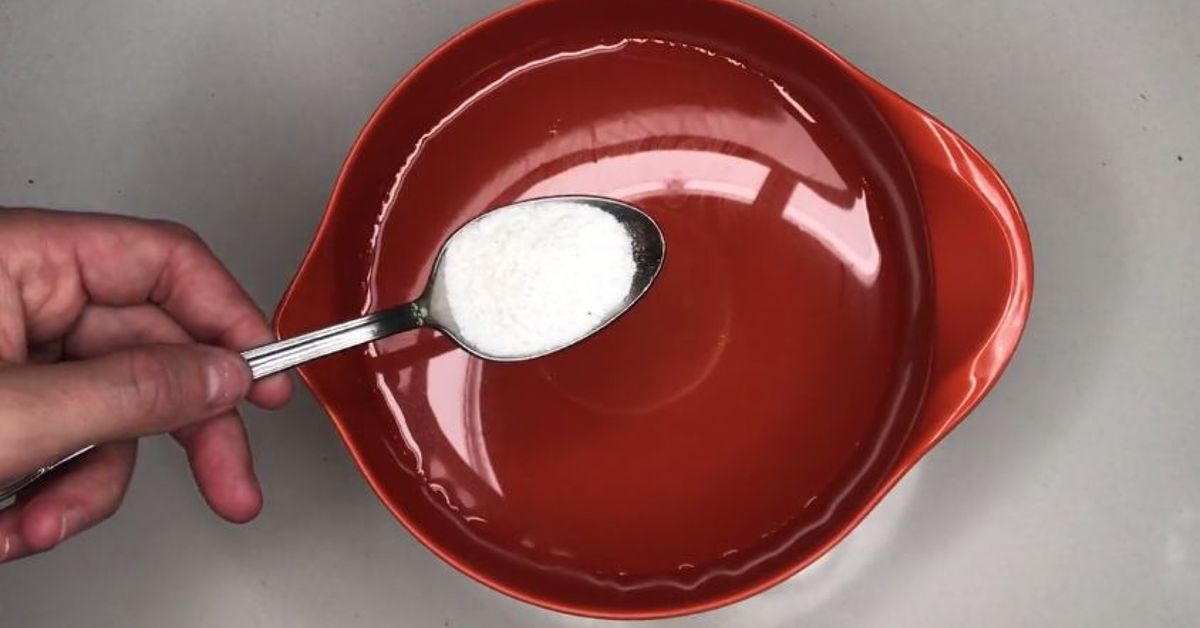
For dirty patches, make a paste with baking soda and water. Apply it to the stain, let it sit for 5 to 10 minutes, then scrub gently and rinse well. Baking soda is mildly alkaline and slightly abrasive, so do not grind it into polished stone like you are sanding a picnic table. Gentle pressure is enough.
Step 8: Rinse thoroughly
Rinsing is not optional. Soap and baking soda residue can leave cloudy marks or attract new dirt. Use the garden hose to rinse each cleaned section until the water runs clear. Direct runoff toward gravel, lawn, or soil where appropriate, and avoid sending dirty, soapy water into storm drains when possible.
Step 9: Let the patio dry
Allow the stone to dry completely before replacing furniture and planters. Drying reveals missed spots and helps prevent trapped moisture under outdoor rugs or pots. If you see chalky residue after drying, rinse again and wipe with clean water.
How to Remove Common Stone Patio Stains Naturally
Stains are where patio cleaning gets personal. One minute you are admiring the view; the next you are kneeling over a dark spot asking, “Is this barbecue sauce, motor oil, or ancient patio archaeology?” Here is how to approach common stains without damaging the stone.
Grease and food stains
For fresh grease from grills or outdoor meals, blot the spill immediately. Do not rub it deeper. Sprinkle baking soda or cornstarch over the spot and let it sit for several hours to absorb oil. Sweep it up, then clean with warm water and mild dish soap. Repeat if needed. For older oil stains, a stone-safe poultice may be necessary.
Leaf and tannin stains
Leaves, acorns, berries, and mulch can leave brown or yellow marks. Start with soap and water. If the stain remains, test 3% hydrogen peroxide on a hidden area. If the stone color does not change, apply a small amount to the stain, wait briefly, scrub gently, and rinse thoroughly. Do not use peroxide on colored stone without testing, because it may lighten some surfaces.
Moss and algae
Moss and algae love shade, moisture, and debris. Scrub the area with warm soapy water, rinse well, and let it dry in sunlight. For repeat growth, trim overhanging plants, improve airflow, redirect sprinklers, and sweep more often. The long-term cure is usually less moisture, not stronger cleaner.
Rust stains
Rust may come from metal furniture, tools, fertilizer, or irrigation water. Avoid lemon juice or vinegar, especially on limestone or travertine. Natural methods often struggle with rust, so use a cleaner specifically labeled safe for your type of stone if the stain is serious. Better yet, prevent rust by adding protective feet to metal furniture.
White haze or efflorescence
A powdery white film may be mineral salts moving through stone, mortar, or pavers. First, try dry brushing. Then rinse lightly and dry. Avoid acids unless a stone professional confirms they are safe for your specific material. Acid can solve one problem while creating a more expensive one.
Can You Use Baking Soda on a Stone Patio?
Yes, baking soda can be useful for DIY stone patio cleaning, but use it wisely. It works best as a mild paste for localized grime, food stains, or light organic marks. It should not be dumped across the whole patio in giant clouds like you are seasoning a driveway.
Always rinse baking soda thoroughly. If residue dries on textured stone, it can leave a white film. Also remember that baking soda contains sodium, so avoid heavy use near delicate plants or soil areas where runoff may collect. For small stains, it is helpful. For weekly patio snowstorms of baking soda, not so much.
Can You Use Vinegar to Clean a Stone Patio?
In most cases, no. Vinegar is natural, affordable, and popular, but it is not the best choice for natural stone. Acidic cleaners can etch or dull limestone, travertine, marble, and other sensitive stones. Vinegar may also weaken grout or joint materials over time.
If you have concrete pavers, vinegar may sometimes be suggested for certain stains. But a natural stone patio is different. When the exact stone type is unknown, skip vinegar and use mild soap, warm water, and a pH-neutral stone cleaner instead. Your patio does not need a salad dressing.
Should You Pressure Wash a Stone Patio?
Pressure washing is tempting because it gives instant visual results. Unfortunately, instant results can come with hidden damage. High pressure may erode soft stone, loosen joint sand, dislodge mortar, or create uneven surfaces. It can also push dirty water and sediment toward storm drains.
If you decide to use a pressure washer, treat it like a power tool, not a magic wand. Use low pressure, choose a wide-angle nozzle, keep the spray moving, and test a hidden spot first. Avoid pointing directly into joints. For older patios, soft stone, or mortared joints, manual scrubbing is often the better DIY option.
How to Prevent Moss, Algae, and Weeds Naturally
The cleanest patio is the one that does not get filthy again two weeks later. Prevention is where the real DIY victory happens.
Improve sunlight and airflow
Trim shrubs, low branches, and dense plants that keep the patio damp. Moss and algae are less enthusiastic when the area dries quickly.
Fix drainage problems
If water pools after rain, the patio may need leveling, joint repair, or better drainage along the edge. Standing water is basically a welcome mat for green slime.
Sweep often
Leaves and dirt hold moisture and feed organic growth. A quick weekly sweep can prevent a major seasonal cleaning project.
Remove weeds by hand
Pull weeds from the roots when the soil is damp. A narrow weeding tool or old screwdriver can help. Avoid salt-based weed killers near patios and garden beds because salt can damage soil, plants, and some hardscape materials.
Refresh joint sand
If your patio uses sand joints, refill gaps after cleaning and drying. Polymeric sand can help reduce weed growth when installed correctly, but follow the product directions carefully to avoid haze on the stone.
Seasonal Stone Patio Maintenance Schedule
A natural stone patio does not need constant fussing. It just needs regular attention before grime becomes a full-time resident.
Weekly or biweekly
Sweep leaves, soil, and pollen. Move small planters occasionally so moisture does not collect underneath.
Monthly during outdoor season
Rinse high-traffic areas with a hose. Spot clean food spills, bird droppings, and grill grease quickly.
Spring
Do a full wash with warm water and mild soap. Inspect joints, drainage, furniture feet, and stains left from winter debris.
Fall
Remove leaves often. Tannins from wet leaves can stain stone, especially lighter patios. Clean before winter so grime does not sit for months.
Every few years
Consider whether the patio needs resealing. A breathable penetrating sealer can help reduce staining on some stone patios, but it must be compatible with the stone type and outdoor conditions.
Experience-Based Tips for Cleaning a Stone Patio Naturally DIY
The first thing most homeowners learn while cleaning a stone patio naturally is that the patio is bigger than it looked while they were drinking coffee on it. A “quick clean” can become a half-day project if you skip preparation. The best experience-based advice is to divide the patio into sections. Clean one square or one cluster of stones at a time. This keeps the soap from drying, helps you track progress, and gives you the emotional satisfaction of seeing clean stone appear like a before-and-after photo in real life.
Another lesson is that dry debris matters more than people think. If you start by spraying water over leaves, dirt, pollen, and old potting soil, you create patio mud. Sweep first. Sweep twice if needed. Get into corners, under furniture, around planters, and along steps. This one step can cut your scrubbing time dramatically. It is not glamorous, but neither is scrubbing wet leaf paste from between flagstones.
Testing cleaners is also a habit worth building. Many patios are made from mixed stone or stone of unknown origin. A previous homeowner may have installed it years ago, and now you are left guessing whether it is limestone, sandstone, slate, or something with a fancy quarry name. Before using baking soda paste, hydrogen peroxide, or any store-bought stone cleaner, test a small hidden area. Wait for it to dry fully. Stone can look fine when wet and reveal discoloration later.
People also discover that the stiffest brush is not always the best brush. Aggressive scrubbing can damage soft stone or loosen joint material. A medium nylon brush, steady pressure, and repeated passes usually work better than attacking the patio like it owes you money. For textured stone, patience beats force.
Planter stains are another common surprise. Pots trap moisture underneath, especially if they sit directly on the stone. Over time, they can create dark circles, algae patches, mineral marks, or rust stains from metal stands. Use pot feet or risers to improve airflow. Move planters every few weeks during rainy seasons. Your patio will dry faster, and the plants may appreciate better drainage too.
The biggest experience-based truth is that prevention feels boring until it saves your weekend. A five-minute sweep after windy weather, a quick rinse after a barbecue, and trimming back overgrown shrubs can prevent hours of scrubbing later. Natural patio cleaning is not about one heroic annual battle. It is about small habits that keep stone looking good without harsh chemicals.
Finally, expect imperfections. Natural stone is supposed to have color variation, texture, pits, fossils, veins, and weathering. The goal is not to make your patio look like a showroom floor. The goal is to remove grime, reduce slippery growth, protect the stone, and make the space pleasant again. If the patio looks clean, safe, and ready for chairs, conversation, and possibly a plate of grilled food, the DIY mission is a success.
Conclusion
Cleaning a stone patio naturally is not complicated, but it does require the right mindset. Gentle beats harsh. Neutral beats acidic. Prevention beats panic scrubbing. With warm water, mild dish soap, careful use of baking soda, a nylon brush, and a thorough rinse, you can refresh most stone patios without risking damage from vinegar, bleach, wire brushes, or excessive pressure washing.
The best DIY method starts with sweeping, continues with small-section scrubbing, and ends with complete rinsing and drying. From there, keep moss and algae away by reducing shade, improving drainage, removing debris, and maintaining the joints. Your patio does not have to be perfect to be beautiful. It just needs to be clean enough that guests notice the stone instead of wondering what happened near the grill last July.