Note: This article is written for educational and storytelling purposes. Anxiety is real, treatable, and different for everyone. Doodling can be a helpful coping tool, but it is not a substitute for professional mental health care. If anxiety feels overwhelming, reaching out to a licensed therapist, doctor, trusted support person, or crisis line can make a meaningful difference.
When Anxiety Gets Loud, Sometimes a Tiny Doodle Speaks Best
Anxiety has a talent for turning ordinary moments into full-blown dramatic productions. A missed text becomes evidence that everyone secretly hates you. A calendar reminder feels like a personal threat. A casual “Can we talk?” message can send the brain sprinting through 47 worst-case scenarios before breakfast.
That is why doodle comics about anxiety hit so deeply. They take something invisible, messy, and hard to explain, then shrink it into a small drawing with a face, a punchline, and just enough truth to make readers whisper, “Oh no, that’s me.” For people who live with anxious thoughts, a simple comic can feel like someone opened a window in a stuffy room.
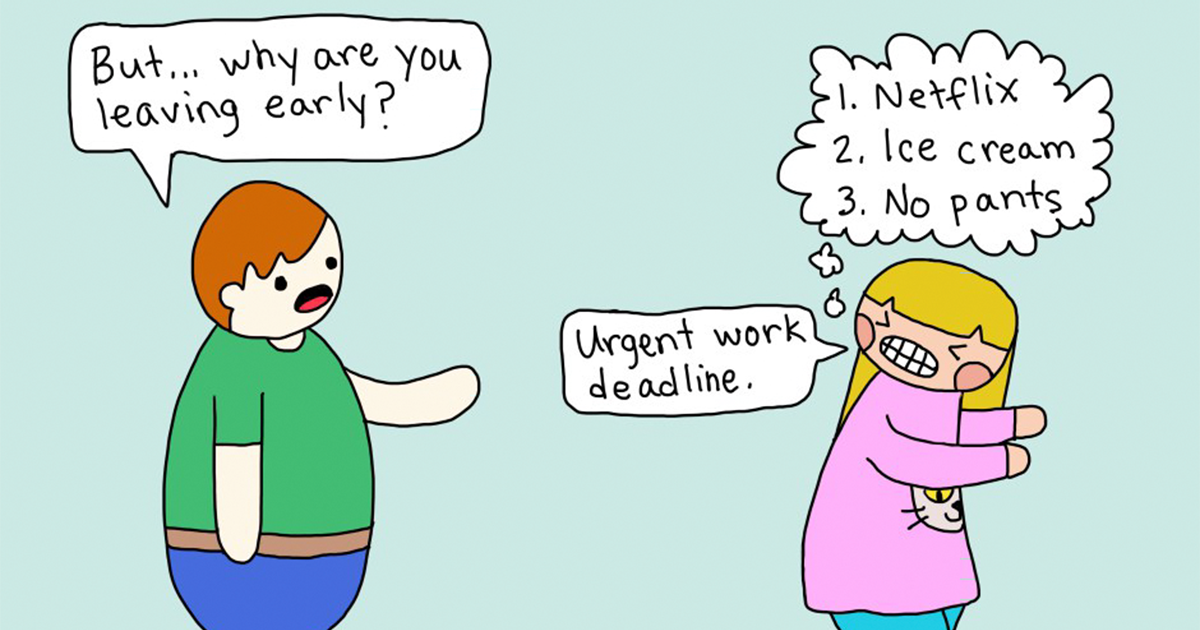
The idea behind I Suffer From Anxiety, So I Decided To Doodle These Comics To Help Others is beautifully simple: use art to translate anxiety into something relatable. Not glamorous. Not overly polished. Not wrapped in inspirational glitter. Just honest little drawings about the everyday weirdness of trying to function while your nervous system behaves like it heard thunder in the distance.
Why Anxiety Is So Hard to Explain
Anxiety is not just “worrying too much.” It can show up as racing thoughts, muscle tension, stomach discomfort, sweating, trouble sleeping, restlessness, irritability, difficulty concentrating, and a constant sense that something is about to go wrong. Sometimes the danger is real. Sometimes the danger is an email subject line. Anxiety, unfortunately, is not known for checking facts before hitting the panic button.
One reason anxiety feels so isolating is that much of it happens internally. A person may look calm while their mind is hosting a disaster-preparedness conference. They may smile through dinner while rehearsing every sentence they said for signs of accidental weirdness. They may cancel plans not because they are rude, but because their body has decided that going outside is suddenly a high-stakes Olympic event.
This gap between appearance and experience is where comics become powerful. A doodle can show the outside version of a person standing still while the inside version is being chased by a swarm of “what ifs.” It can make the private chaos visible without requiring a long, exhausting explanation. Sometimes a drawing of a tiny anxious character hiding under a blanket says more than a paragraph ever could.
The Magic of Turning Panic Into a Character
When anxiety becomes a character in a comic, something interesting happens: it becomes separate from the person experiencing it. Instead of “I am broken,” the message becomes “my anxiety is acting up again.” That tiny shift matters. It creates distance, and distance can create relief.
Imagine a comic where anxiety appears as a tiny goblin with a clipboard, demanding a full report on every embarrassing thing you have done since kindergarten. It is funny because it is ridiculous. It is comforting because it is accurate. And it is helpful because it reminds the reader that anxious thoughts are not always wise thoughts. Sometimes they are just very dramatic interns with too much caffeine.
Doodle comics also work because they do not need to be perfect. In fact, the roughness can make them more human. A shaky line, a simple face, or a crooked speech bubble can feel more emotionally honest than a polished illustration. Anxiety itself is not polished. It is scribbly. It interrupts. It loops. It makes a five-minute task feel like assembling furniture without instructions.
How Doodling Can Support Mental Health
Creative expression is widely recognized as a helpful way to process emotions, reduce stress, and support self-awareness. Formal art therapy is a mental health profession guided by trained clinicians, while casual doodling is a self-directed creative practice. They are not the same thing, but both point toward an important truth: making marks on paper can help people externalize what they feel.
Doodling gives anxiety somewhere to go. Instead of letting a thought loop endlessly in the mind, you can turn it into a shape, a monster, a cloud, a speech bubble, or a tiny potato-shaped character saying, “We should worry about taxes even though it is July.” The act of drawing slows the thought down. It gives your hands something to do. It makes the abstract concrete.
For many people, doodling is less intimidating than journaling. A blank page of words can feel like homework assigned by your emotions. But a tiny sketch? That feels playful. You do not need to know anatomy, perspective, or shading. You only need a pen and the willingness to let your anxious brain appear on paper wearing a silly hat.
Why Anxiety Comics Help Other People Feel Seen
One of the most painful parts of anxiety is the belief that you are the only one struggling this way. Anxiety loves isolation. It tells people they are too sensitive, too complicated, too needy, too much. A relatable comic quietly disagrees.
When someone reads a comic about avoiding phone calls, overthinking social interactions, or celebrating the “small success” of leaving the house, they may feel recognized instead of judged. That recognition can be surprisingly powerful. It says, “You are not strange for feeling this.” It says, “Other people know this particular flavor of mental static.” It says, “Your struggle is real, even when it looks small from the outside.”
Comics can also help friends and family understand anxiety better. A person who has never experienced panic may not understand why choosing a restaurant can feel impossible. But a comic showing a character overwhelmed by twelve menu options and a waiter hovering nearby can make the feeling instantly clearer. Humor becomes a bridge. Nobody has to deliver a lecture. The drawing does the explaining.
The Humor Is Not a Denial of Pain
Some people worry that joking about anxiety makes it seem less serious. In reality, humor can be a way of surviving seriousness. The joke does not erase the pain; it makes the pain easier to hold for a moment.
Anxiety comics are funny because they are honest, not because anxiety is harmless. There is a difference between laughing at someone’s suffering and laughing with recognition. The best mental health comics do the second thing. They treat anxious people with tenderness. They let readers laugh without feeling mocked.
Humor also interrupts shame. Anxiety often arrives with a side dish of embarrassment: “Why can’t I just be normal?” A comic can respond, “Normal is overrated, and also everyone is secretly weird.” That does not cure anxiety, but it can soften the self-criticism that makes anxiety heavier.
Specific Anxiety Moments That Make Great Comics
1. The Small Task That Becomes a Mountain
One comic might show a character staring at a sink with one spoon in it, while anxiety whispers, “This is now your life’s greatest challenge.” Many people with anxiety understand how tiny tasks can become emotionally loaded. The comic is funny, but it also validates the experience of feeling stuck.
2. The Social Hangover
Another comic might show a person returning home from a perfectly normal conversation, only to replay every word like a courtroom transcript. Did the joke land? Was the goodbye weird? Did “you too” make sense after the cashier said “enjoy your meal”? Social anxiety often thrives after the event, not just during it.
3. The Fake Emergency Brain Alert
A classic anxiety doodle could show the brain smashing a big red alarm button because someone took three minutes longer than usual to reply. The body reacts as if danger has arrived, even when the situation is uncertain rather than threatening.
4. The Tiny Victory
Not every comic has to focus on struggle. Some of the most meaningful anxiety comics celebrate small wins: making a phone call, attending an appointment, asking for help, taking a walk, or getting through a difficult day. To outsiders, these may look ordinary. To someone with anxiety, they can feel like climbing a mountain in flip-flops.
What Makes Doodle Comics So Shareable?
Doodle comics travel well online because they are quick to understand and emotionally specific. A reader does not need a psychology degree to get the point. In three panels, a comic can capture the experience of panic, avoidance, relief, and self-compassion.
They also fit the way people often talk about mental health online: short, visual, honest, and community-driven. A person may not post a long personal essay about anxiety, but they might share a comic that says what they are not ready to say directly. In that way, a doodle becomes a gentle form of disclosure. It opens the door without forcing anyone to walk through it too quickly.
Visual storytelling can also reduce stigma. When anxiety is portrayed as part of daily life rather than a mysterious flaw, it becomes easier to discuss. Comics remind readers that mental health struggles can belong to funny people, talented people, successful people, quiet people, loud people, and people who appear to be “doing fine.” Anxiety does not require permission to show up. It simply arrives, usually at an inconvenient time, because apparently it has no manners.
Doodling as a Personal Coping Ritual
Creating anxiety comics can become a small ritual of self-care. The process may begin with a feeling: tight chest, racing thoughts, dread, restlessness. Then comes the question, “What would this look like as a cartoon?” That question changes the relationship to the feeling. Instead of being swallowed by anxiety, the artist observes it.
The doodle does not need to be good. It only needs to be honest. A scribbled storm cloud. A nervous turtle. A character hiding inside a hoodie. A brain holding a microphone and yelling nonsense. These images may seem silly, but silliness can be grounding. It invites play into a space that anxiety tries to make rigid.
Over time, doodling can also reveal patterns. Maybe the anxious comics cluster around work emails, crowded spaces, family expectations, health worries, or perfectionism. Seeing those patterns on paper can help a person understand triggers and bring clearer examples to therapy or conversations with a doctor.
How to Start Drawing Anxiety Comics Even If You “Can’t Draw”
The phrase “I can’t draw” has stopped too many good doodles from being born. Anxiety comics do not require artistic greatness. Stick figures are allowed. Blob people are allowed. A square with eyes is allowed. Honestly, a square with eyes might be emotionally devastating if it says the right thing.
Start with one anxious thought. Write it down as dialogue. Then draw a tiny character reacting to it. The character can be you, your brain, your anxiety, your inner critic, your pet, or a suspicious-looking toaster. Keep it small. One panel is enough.
For example, write: “What if everyone remembers that awkward thing I said?” Then draw a little brain sitting in a detective office surrounded by red string and photos from 2009. That is a comic. Congratulations, you are now the mayor of Doodle Town.
You can also create recurring characters. Anxiety might be a mosquito. Self-compassion might be a tired but kind raccoon. Courage might be a tiny bean wearing boots. The more familiar these characters become, the easier it is to use them when emotions feel heavy.
What Anxiety Comics Should Avoid
Responsible mental health comics should avoid turning anxiety into a personality trend or a cute accessory. Anxiety can be funny, but it can also be exhausting, disruptive, and painful. Good comics can balance humor with respect.
They should also avoid offering oversimplified advice. “Just relax” is not helpful in real life, and it is not helpful in comic form unless the comic is making fun of how unhelpful it is. Better messages include: “You are not alone,” “Small steps count,” “Rest is allowed,” “Ask for support,” and “Your anxious thoughts are not always facts.”
It is also important to be careful with crisis content. If a comic discusses panic, depression, self-harm, or hopelessness, it should point toward real support. Art can open a conversation, but people in danger need human help, safety, and professional care.
Why Helping Others Can Also Help the Artist
Sharing anxiety comics can be vulnerable. The artist is essentially saying, “Here is a strange little corner of my mind. Does anyone else live here?” When people respond with recognition, the artist receives something back: connection.
That connection can reduce shame. It can transform private struggle into shared language. It can remind the artist that their anxiety is not meaningless if it helps someone else feel less alone. The pain is not romanticized, but it becomes part of a larger human exchange.
There is also purpose in making something useful out of discomfort. Anxiety may interrupt, exaggerate, and overcomplicate, but the artist can answer by creating. A doodle comic says, “Fine, anxiety, if you are going to show up, at least sit still while I draw you.”
Five Gentle Doodle Prompts for Anxious Days
If you want to try anxiety doodling, begin with prompts that feel safe and manageable:
- Draw your anxiety as a weather forecast.
- Draw your brain as an overworked office employee.
- Draw one tiny victory from today.
- Draw a comforting character giving you advice you actually need.
- Draw your anxious thought, then draw a kinder response beside it.
The goal is not to create a masterpiece. The goal is to create a little breathing room. Some days, the doodle may be funny. Other days, it may be messy or sad. Both count. Healing rarely arrives in perfect line art.
Experiences Related to Doodling Comics About Anxiety
The first time I turned anxiety into a doodle, it was not a grand artistic breakthrough. There was no dramatic music, no golden beam of inspiration, no montage of me sharpening pencils with heroic determination. It was more like: I felt terrible, I had a pen nearby, and my brain was being rude. So I drew it as a small, frantic creature holding a megaphone.
That tiny drawing did something unexpected. It made the feeling less huge. My anxiety had been floating around like fog, impossible to grab. Once it had eyes, arms, and a ridiculous expression, I could look at it. I could laugh at it a little. I could say, “Ah, there you are again,” instead of believing every frightening thing it shouted.
Over time, doodling became a way to check in with myself. If I could not explain what I felt, I could draw a character buried under blankets. If I felt overwhelmed by messages, I could draw my phone as a villain wearing a cape. If I managed to do something difficult, I could draw a tiny parade for myself. The parade usually had one balloon and a confused duck, but emotionally, it counted.
One of the most meaningful experiences came from sharing a comic about canceling plans because of anxiety. I worried people would think it was lazy, dramatic, or antisocial. Instead, people said they understood. Some admitted they had done the same thing. Others said the comic helped them understand a friend or partner better. That response changed the way I saw the doodles. They were not just personal coping tools; they were little bridges.
Doodling also taught me that anxiety is not always loud. Sometimes it is quiet avoidance. Sometimes it is perfectionism pretending to be ambition. Sometimes it is the urge to apologize for existing in a room. Comics gave me a way to notice these patterns without attacking myself for having them.
There were days when drawing helped me calm down. There were also days when it did not fix anything, and that mattered too. A doodle is not a magic spell. It cannot replace sleep, therapy, medication when prescribed, supportive relationships, movement, or real-life problem-solving. But it can be a doorway. It can help you begin. It can turn “I don’t know what’s wrong with me” into “Here is what I’m feeling.”
The best part is that doodle comics make room for contradiction. Anxiety can be serious and absurd. A person can be struggling and still funny. A bad day can contain a tiny joke. A shaky drawing can carry a strong message. Sometimes the most healing sentence is not “Everything is fine.” Sometimes it is “This is hard, but at least I drew my panic as a raccoon in business casual.”
If these comics help others, it is because they do not pretend anxiety is simple. They do not scold people into positivity. They sit beside the reader and say, “Same.” In a world where so many people are quietly fighting invisible battles, that small word can feel enormous.
Conclusion: Tiny Comics, Big Comfort
I Suffer From Anxiety, So I Decided To Doodle These Comics To Help Others is more than a catchy title. It captures a powerful idea: personal struggle can become shared comfort when expressed with honesty, humor, and care. Anxiety may be invisible, but comics can make it recognizable. They can turn racing thoughts into characters, panic into panels, and shame into connection.
Doodle comics do not cure anxiety, and they should never be treated as a replacement for professional support. But they can help people feel seen. They can make difficult conversations easier. They can offer a small moment of relief on a hard day. Sometimes, that small moment is enough to keep going.
And if all you can draw today is a nervous blob with tired eyes, draw the blob. Give it a name. Let it speak. Someone out there may look at that little anxious blob and feel, for the first time all day, a little less alone.