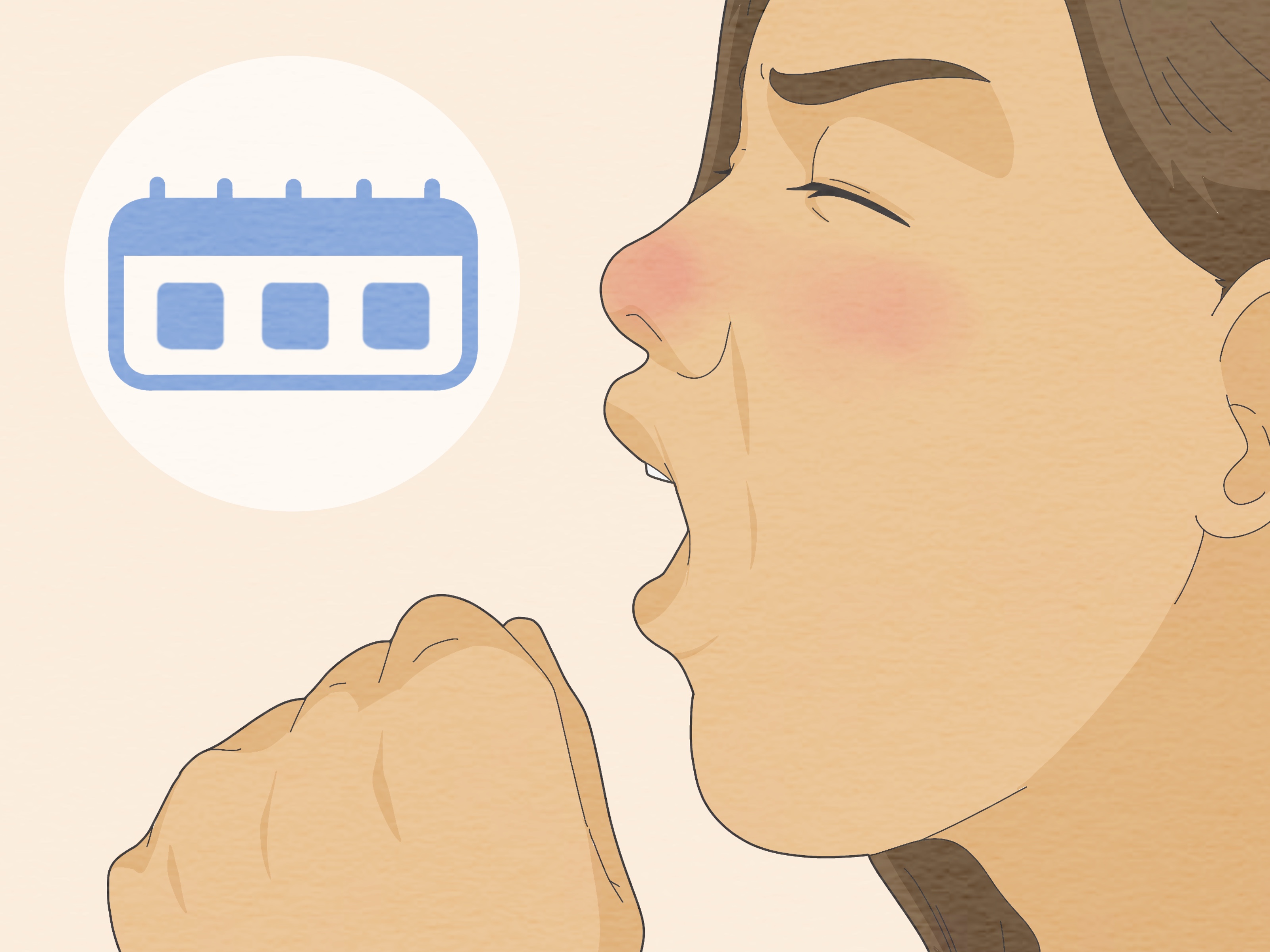
When congestion turns your chest into a badly tuned accordion, an old-fashioned onion poultice may sound either wonderfully practical or suspiciously like dinner wearing a washcloth. This guide explains how to prepare one safely, what it may realistically do, what science hasand has notshown, and when a stuffy nose or heavy cough needs more than a kitchen remedy.
What Is an Onion Poultice?
An onion poultice is a warm compress made by placing softened onion inside a clean cloth and resting the wrapped bundle on the upper chest. Versions of this folk remedy have appeared in household and herbal traditions for generations. The basic idea is simple: warmth may feel soothing, moisture may make the experience more comfortable, and the strong onion aroma may create a temporary sensation that the nose is opening.
That last wordsensationmatters. There are no high-quality clinical trials showing that an onion poultice pulls infection from the lungs, cures a cold, or reliably clears chest mucus through the skin. Onions contain flavonoids and organosulfur compounds that have shown antioxidant, anti-inflammatory, antimicrobial, and airway-related activity in laboratory, animal, and limited human research. However, evidence about an onion compound is not automatically evidence that a cloth-wrapped onion placed on the chest will deliver a useful dose to the respiratory tract.
In other words, the onion is biologically interesting, but it has not earned a tiny white coat and a pulmonary medicine license.
Nasal Congestion and Chest Congestion Are Not the Same
Before making a poultice, identify the problem you are trying to soothe. Nasal congestion usually comes from swollen tissues and mucus in the nose and sinuses. It may occur with a cold, allergies, sinus inflammation, dry air, or another upper respiratory condition.
Chest congestion is a looser everyday term. People often use it to describe a mucus-producing cough, chest heaviness, rattling, or the feeling that secretions are difficult to move. Those symptoms can occur with a chest cold or acute bronchitis, but they can also appear with asthma, pneumonia, flu, COVID-19, RSV, or chronic lung disease.
An onion poultice cannot tell those conditions apart. Pay attention to the complete symptom picture rather than assuming every rumble is “just congestion.”
How Might an Onion Poultice Feel Helpful?
Warmth can be comforting
A comfortably warm compress may relax tense chest muscles and create a soothing ritual while you rest. Warmth does not kill a respiratory virus or directly drain the lungs, but comfort has value when you are tired, achy, and personally offended by your own sinuses.
The aroma may change how congestion feels
Cut onions release volatile sulfur compounds that irritate sensory nerves around the eyes and nose. That is why onions can make you tear up and produce nasal secretions. Some people interpret this temporary response as “loosening” congestion.
The sensation may make the nose feel different, but it should not be confused with proof that mucus deep in the airways has been removed. More sneezing and watery eyes do not necessarily mean the lungs are becoming clearer.
Onion compounds are being studied
Researchers have examined onion and its constituents for possible anti-inflammatory, antioxidant, antimicrobial, antiallergic, and airway-relaxing effects. Much of that research uses extracts, isolated compounds, oral preparations, cells, or animalsnot a homemade chest compress.
The fairest conclusion is that onions have potentially useful chemistry, while the specific poultice method remains scientifically unconfirmed.
How to Make an Onion Poultice for Congestion
What you will need
- 1 medium yellow, white, or red onion
- 1 to 2 tablespoons of water
- A small skillet or saucepan with a lid
- A clean, tightly woven cotton cloth or thin kitchen towel
- A second dry towel
- A bowl or plate for cooling the poultice
Avoid loose cheesecloth that allows onion juice or pieces to touch the skin. Skip essential oils, menthol, mustard, cayenne, alcohol, vinegar, and other supposed “power boosters.” More dramatic is not more therapeutic; sometimes it is simply more irritating.
Step 1: Chop the onion
Peel the onion and chop it into small pieces. Smaller pieces soften evenly and fit more comfortably inside the cloth. There is no medically established “best” onion variety, so use what is available rather than conducting a produce-aisle clinical trial.
Step 2: Gently heat until soft
Place the chopped onion and water in the pan. Cover and warm over low to medium-low heat for about five to eight minutes, stirring occasionally. The onion should become soft and translucent, not browned, crisp, or hot enough to audition as fajita filling.
You may also steam the onion. The goal is to create a soft, warm, damp mixture while avoiding scorching oil and excessive heat.
Step 3: Wrap it completely
Spoon the softened onion into the center of the clean cloth. Fold every side inward to create a flat packet with at least one complete layer of fabric between the onion and the skin. A flatter packet distributes warmth more evenly than a lumpy onion boulder.
Step 4: Cool and test carefully
Let the packet cool on a plate. Test it against the inside of your wrist or forearm for at least 30 seconds. It should feel pleasantly warm, never hot, stinging, or difficult to tolerate. Remember that chest skin may be more sensitive than your hands.
Step 5: Apply it to the upper chest
Place the wrapped poultice over intact skin on the upper chest. Keep it away from the face, nose, mouth, front of the neck, broken skin, rashes, surgical sites, and medical devices. Lay the second dry towel loosely over it to protect clothing and retain mild warmth.
Step 6: Limit the session
Use the poultice for approximately 10 to 20 minutes while sitting upright or reclining comfortably. Remove it sooner if it becomes uncomfortable.
Do not tape it tightly, sleep with it, place a heating pad over it, or repeatedly reheat it while it remains on the body. Combining a moist compress with an external heat source can cause burns before the user recognizes that the skin is becoming injured.
Step 7: Clean the skin and discard the onion
After removal, gently wash the area with lukewarm water and pat it dry. Discard the cooked onion; do not eat or reuse it. Launder the cloth before another session.
If the skin becomes red, itchy, swollen, blistered, or painful, stop using the poultice. Wash away any remaining onion residue and apply a cool, clean compress.
Essential Onion Poultice Safety Rules
Do not apply raw onion directly to the skin
Direct and prolonged contact may irritate skin, and onion handling has been associated with allergic and irritant reactions in susceptible people. A cloth barrier reduces direct exposure but does not make an allergy disappear.
Avoid use in higher-risk situations
Do not use an onion poultice on someone with a known onion or Allium allergy. It is also a poor choice for infants, anyone unable to communicate discomfort, people with reduced skin sensation, and people with fragile, damaged, inflamed, or recently treated skin.
Strong onion fumes may bother people with asthma, scent-triggered headaches, sensitive eyes, allergic reactions, or fragrance-triggered breathing symptoms. Remove the poultice and move to fresh air if the aroma causes coughing, wheezing, throat tightness, dizziness, or nausea.
Be especially cautious with children
Ask a pediatric healthcare professional before using a heated home remedy on a child. Babies and young children can be burned at temperatures that an adult may consider merely warm, and young children may not clearly communicate discomfort.
Do not place an onion poultice in a crib, under a sleeping child, near a baby’s face, or anywhere it could interfere with breathing. Congestion in an infant should be managed with pediatric guidance and safer measures such as saline drops and appropriate nasal suction.
Never treat breathing difficulty with a poultice
A warm compress is not an inhaler, antibiotic, antiviral medication, oxygen treatment, or medical evaluation. If someone is struggling to breathe, breathing rapidly, pulling in around the ribs, wheezing severely, turning blue around the lips, becoming confused, or experiencing chest pain or pressure, seek urgent medical help.
Evidence-Based Ways to Ease Congestion
If you choose to try an onion poultice, use it alongsidenot instead ofbetter-supported comfort measures.
Drink fluids and rest
Water, clear broth, and warm caffeine-free drinks help prevent dehydration and may make thick secretions easier to manage. Rest gives your body room to recover. Warm liquids can also soothe an irritated throat, which may reduce the “sandpaper swallowed sideways” feeling.
Alcohol and excessive caffeine may contribute to dehydration, so they are not ideal substitutes for water when you are sick.
Use saline for nasal stuffiness
Saline nasal spray can moisturize the nasal passages and help loosen mucus. It contains no medicated decongestant and can be used according to the product instructions.
A saline rinse may also help, but use only distilled, sterile, properly filtered, or previously boiled and cooled water. Never use untreated tap water in a nasal-rinsing device. Wash the device after every use and allow it to dry completely.
Add moisture safely
A clean cool-mist humidifier may ease dryness and stuffiness. Change the water as directed and clean the unit carefully so it does not become a tiny indoor swamp distributing mold and bacteria.
A warm shower can provide temporary moisture without requiring you to lean over a bowl of scalding water. Steam burns are a real risk, particularly for children, so avoid placing the face over boiling water.
Consider honey for cough when age-appropriate
For adults and children older than one year, honey may soothe a cough, especially at night. It can be taken from a spoon or mixed into a warm drink.
Never give honey to an infant younger than 12 months because of the risk of infant botulism.
Use medication thoughtfully
Over-the-counter products may reduce symptoms, but many contain several active ingredients. Combining products can accidentally double the dose of acetaminophen, decongestants, antihistamines, or cough suppressants.
These medicines may not be appropriate for people with high blood pressure, heart disease, glaucoma, prostate problems, pregnancy, or certain medication interactions. Read the Drug Facts label and ask a pharmacist when uncertain.
The FDA does not recommend over-the-counter cough and cold medicines for children younger than two. Manufacturers generally label these products not to be used in children younger than four.
When to Contact a Healthcare Professional
Seek medical advice promptly for severe or concerning symptoms. Important warning signs include:
- Trouble breathing, fast breathing, severe wheezing, or shortness of breath
- Chest pain, chest pressure, blue lips, fainting, confusion, or unusual drowsiness
- Coughing up blood or bloody mucus
- Dehydration, very little urination, or inability to keep fluids down
- Fever lasting more than four days
- Symptoms lasting more than 10 days without improvement
- Symptoms that improve and then return or become worse
- A cough lasting more than three weeks
- A chronic condition such as asthma, COPD, heart disease, or immune suppression becoming worse
- A baby younger than three months with a temperature of 100.4°F (38°C) or higher
Call earlier when the sick person is an infant, an older adult, pregnant, immunocompromised, or living with significant heart or lung disease.
Frequently Asked Questions
Can an onion poultice cure bronchitis?
No. Acute bronchitis is commonly viral and usually improves with supportive care, but a persistent or severe cough needs assessment. An onion poultice has not been proven to cure bronchitis or prevent pneumonia.
Does onion draw mucus out through the skin?
There is no reliable evidence that it does. Mucus is moved through the respiratory system by the airway lining, coughing, hydration, and normal clearance mechanismsnot pulled through chest skin into a cloth.
Can I leave an onion poultice on overnight?
No. Overnight use increases the risk of prolonged skin irritation, pressure, and burns, especially if the packet is reheated or paired with a heating pad.
Should I use raw or cooked onion?
Traditional recipes vary, but softened onion wrapped completely in cloth is easier to handle and allows the temperature to be controlled. Raw onion juice should not remain directly against the skin.
How often can I use an onion poultice?
There is no evidence-based dosage schedule. If an adult with intact, nonsensitive skin chooses to try it, one brief session is a sensible test. Stop if irritation develops, and do not keep repeating the remedy to avoid seeking care for persistent symptoms.
Can I use an onion poultice during pregnancy?
Pregnancy can change skin sensitivity and contribute to nasal congestion. Discuss persistent symptoms and any home treatment with an obstetric healthcare professional, particularly if fever, breathing difficulty, or medication questions are involved.
Can I add essential oils?
Adding essential oils is unnecessary and increases the risk of skin irritation, eye irritation, breathing symptoms, and accidental exposure. A simple warm onion packet is already pungent enough to announce itself to the entire household.
Practical Experiences Related to Onion Poultices
The following are composite, realistic scenarios intended to illustrate safe use. They are not personal testimony, clinical evidence, or a promise of results.
Experience 1: The comfort came from warmth, not a miracle
An adult with a mild cold prepared a small poultice after two days of a stuffy nose and irritating cough. The first packet was too hot, even though it felt acceptable when touched quickly with the fingertips. After letting it cool and testing it on the inner forearm for 30 seconds, the second attempt felt comfortably warm.
During the 15-minute session, the person felt calmer and noticed that breathing through the nose seemed temporarily easier. The cough did not vanish, and there was no dramatic release of mucus. The most obvious benefits were warmth, rest, and the pause from staring at a phone while searching “how long can one human nose remain blocked?” A saline spray and warm drink provided more predictable relief afterward.
Experience 2: Onion fumes were not everyone’s friend
Another person tried the poultice while dealing with allergy-related congestion. Within a few minutes, the strong smell caused eye watering, sneezing, and additional nasal drainage. At first, that reaction felt like the remedy was working. Then the person developed throat irritation and removed the packet.
This experience illustrates why a stronger sensation is not necessarily a better result. Onion vapors can stimulate the eyes and nose, but irritation is not the same as healing. After washing the skin and opening a window, the symptoms settled. The person later used a saline rinse with appropriately treated water and addressed the underlying allergies with professional guidance.
Experience 3: A skin reaction ended the experiment
A user with sensitive skin placed a well-wrapped poultice on the chest for about 10 minutes. The temperature was safe, but a pink, itchy patch appeared afterward. The onion had not touched the skin directly, yet moisture had seeped through the cloth.
The person washed the area gently, avoided another application, and used a cool compress. The rash faded rather than spreading. This is a useful reminder that “natural” describes where something came from, not whether every body will welcome it with a standing ovation. Anyone with eczema, contact allergies, damaged skin, or previous reactions to onions should skip the remedy.
Experience 4: Red flags mattered more than tradition
A caregiver considered making a poultice for a family member whose “chest cold” included rapid breathing, fever, and pain when taking a deep breath. Instead of trying the remedy first, the caregiver contacted a healthcare professional. That decision mattered because chest congestion can overlap with conditions that require examination and testing.
The lesson is not that every cough is an emergency. It is that home remedies belong in the comfort category. They should never become a gatekeeper that makes someone prove they are sick enough before receiving care.
Experience 5: A better routine used several modest tools
For an uncomplicated cold, one adult created a simple evening routine: a warm shower, saline nasal spray, a clean humidifier, water at the bedside, and an optional 10-minute onion compress. The poultice was not treated as the star of the show. It was merely one comforting step.
That approach produced a realistic outcome. Congestion improved gradually as the illness ran its course, sleep became easier on some nights, and no single method received magical credit. This is often the healthiest way to view traditional remedies: appreciate the ritual, limit the risk, pair it with evidence-based care, and keep expectations parked on planet Earth.
Conclusion
An onion poultice for congestion is easy to make, inexpensive, and potentially comforting when used as a mildly warm, fully wrapped compress on intact adult skin. Its strongest plausible benefit is the soothing experience of warmth and rest. Although onion compounds have attracted scientific interest, the poultice itself has not been proven to clear the lungs, shorten a cold, or treat an infection.
Use careful temperature testing, limit contact time, avoid direct skin exposure, and stop at the first sign of irritation. Combine the ritual with hydration, rest, saline, safe humidity, and appropriate medical treatment.
Most importantly, treat breathing difficulty, chest pain, prolonged fever, dehydration, worsening symptoms, or illness in a high-risk patient as reasons to seek carenot reasons to add a second onion.