A lost dental crown has a special talent for appearing at the worst possible time: during dinner, on vacation, before a meeting, or while you are confidently chewing something you now regret. The good news is that a crown falling off is common, manageable, and usually not a reason to panic. The less-good news is that it still needs attention from a dentist because the tooth underneath may be sensitive, weakened, decayed, or exposed to bacteria.
This guide explains how to fix a lost dental crown temporarily, what not to do, when to call a dentist, and how to protect the tooth until professional care is available. Think of this as a calm, practical “save the crown, save the tooth, save your lunch plans” checklistnot a replacement for dental treatment.
Important note: The steps below are for temporary protection only. A dental crown should be evaluated and recemented, repaired, or replaced by a licensed dentist. If you have severe pain, swelling, bleeding, fever, facial swelling, trouble swallowing, or signs of infection, seek urgent dental care right away.
What Is a Dental Crown, and Why Can It Fall Out?
A dental crown is a custom-made cap that covers and protects a damaged, weakened, root-canal-treated, cracked, or heavily filled tooth. Crowns can be made from porcelain, ceramic, zirconia, metal, porcelain-fused-to-metal, or resin-based materials. They are designed to restore chewing function, protect tooth structure, and improve the appearance of a tooth.
Even a well-made crown is not invincible. Dental cement can weaken over time, the tooth underneath can develop decay, the bite may place too much pressure on the crown, or sticky foods can pull it loose. Sometimes the crown is perfectly intact and simply needs to be recemented. Other times, the tooth or crown is damaged and needs a new restoration. That is why the most important “fix” is not superglue, wishful thinking, or pretending the tooth is on vacationit is calling your dentist.
How to Fix a Lost Dental Crown: 15 Steps
1. Stay Calm and Stop Chewing Immediately
The moment you realize your dental crown has come loose or fallen out, stop chewing. If you keep eating, you might bite down on the crown, crack it, swallow it, or damage the exposed tooth. Carefully remove any food from your mouth and check whether the crown is still there.
Staying calm matters because a lost crown is often repairable. Panic leads to bad ideas, and bad ideas lead to phrases dentists hear too often, such as “I used household glue.” Please do not make your dentist say, “Oh no,” with their whole face.
2. Find the Crown and Handle It Gently
If the crown is in your mouth, remove it carefully. Hold it by the outside surface rather than scraping or picking at the inside. If it fell onto a plate, napkin, sink, or floor, retrieve it and inspect it under good lighting.
Do not throw the crown away. Even if it looks damaged, bring it to your dental appointment. Your dentist may be able to recement it, use it as a reference for a replacement, or determine why it came off in the first place.
3. Rinse the Crown With Warm Water
Gently rinse the crown with warm water to remove food debris. You can use a soft toothbrush if needed, but do not scrub aggressively. Avoid alcohol, bleach, harsh cleaners, soap, or boiling water. A dental crown is not a coffee mug, and it does not need a dramatic kitchen cleaning routine.
If cement remains inside the crown, do not dig it out with sharp tools. You could scratch or damage the fit. Let your dentist handle any stubborn cement safely.
4. Store the Crown in a Safe Container
Place the crown in a small plastic bag, pill container, retainer case, or clean sealed container. Label it if necessary, especially if you are traveling or dealing with more than one dental appliance. Keep it away from children, pets, napkins, and trash cans.
Many crowns have been lost forever because someone wrapped one in a tissue and then cleaned the table. A crown in a napkin is basically dental camouflage.
5. Look at the Tooth, but Do Not Poke It
Use a mirror to look at the exposed tooth. Check for sharp edges, dark areas, cracks, bleeding, swelling, or obvious pieces of tooth inside the crown. If the tooth looks broken, the crown does not fit, or the area is painful, do not try to reattach the crown yourself.
A crown that falls off because the cement failed is different from a crown that falls off because the tooth underneath fractured or decayed. Only a dentist can properly diagnose the difference.
6. Call Your Dentist as Soon as Possible
Contact your dental office right away and explain what happened. Tell them whether the crown is permanent or temporary, when it came off, whether you have pain, whether the tooth looks broken, and whether you still have the crown.
Even if you are not in pain, do not wait for weeks. The exposed tooth can become sensitive, shift slightly, collect bacteria, or become harder to restore. If your regular dentist is unavailable, ask for emergency instructions or contact an emergency dental clinic.
7. Know When It Is an Urgent Dental Problem
A lost crown is usually not life-threatening, but some symptoms require urgent care. Seek same-day dental help if you have severe or worsening pain, swelling in the gums or face, pus, fever, bleeding that does not stop, a bad taste with swelling, sharp broken tooth edges, or signs that the tooth split.
You should also get urgent help if the crown came off after trauma, such as a fall, sports injury, or accident. Trauma can damage the tooth root, surrounding bone, or neighboring teeth even if the crown is the most obvious problem.
8. Rinse Your Mouth Gently
Rinse your mouth with warm water to clear away food particles. A mild salt-water rinse can also help keep the area clean. Mix about half a teaspoon of salt into a cup of warm water, swish gently, and spit it out.
Do not swish aggressively if the area is sore. The goal is gentle cleaning, not turning your mouth into a washing machine.
9. Protect the Exposed Tooth From Temperature and Pressure
The tooth under a crown may be sensitive to air, cold drinks, hot foods, sweets, or biting pressure. Until you see a dentist, avoid chewing on that side. Choose soft foods and avoid anything hard, sticky, crunchy, chewy, or extremely hot or cold.
Good temporary choices include yogurt, scrambled eggs, soup that is warm rather than hot, mashed potatoes, smoothies without hard seeds, pasta, oatmeal, and soft rice dishes. Bad choices include caramels, nuts, hard bread crusts, ice, popcorn kernels, and anything that makes you think, “I can probably chew this carefully.” Famous last words.
10. Use Temporary Dental Cement Only if Appropriate
If your dentist says it is okay, and the crown fits cleanly over the tooth without pain or a high bite, you may use over-the-counter temporary dental cement from a pharmacy. These products are made for short-term dental emergencies and are not the same as permanent dental cement.
Read the package instructions carefully. Temporary cement can help reduce sensitivity and keep the crown in place until your appointment, but it is not a permanent repair. If the crown does not seat fully, feels crooked, causes pain, or makes your bite feel too high, remove it and store it safely instead.
11. Test the Crown Fit Before Cementing
Before applying any temporary material, gently place the clean crown over the tooth to see whether it fits. Do not force it. A properly seated crown should feel stable and should not interfere with your bite. If your teeth hit the crown before the rest of your teeth come together, the crown may not be positioned correctly.
If the fit feels wrong, do not cement it. A poorly seated crown can damage the tooth, irritate your bite, or become a choking risk if it comes loose again.
12. Apply a Small Amount of Temporary Cement
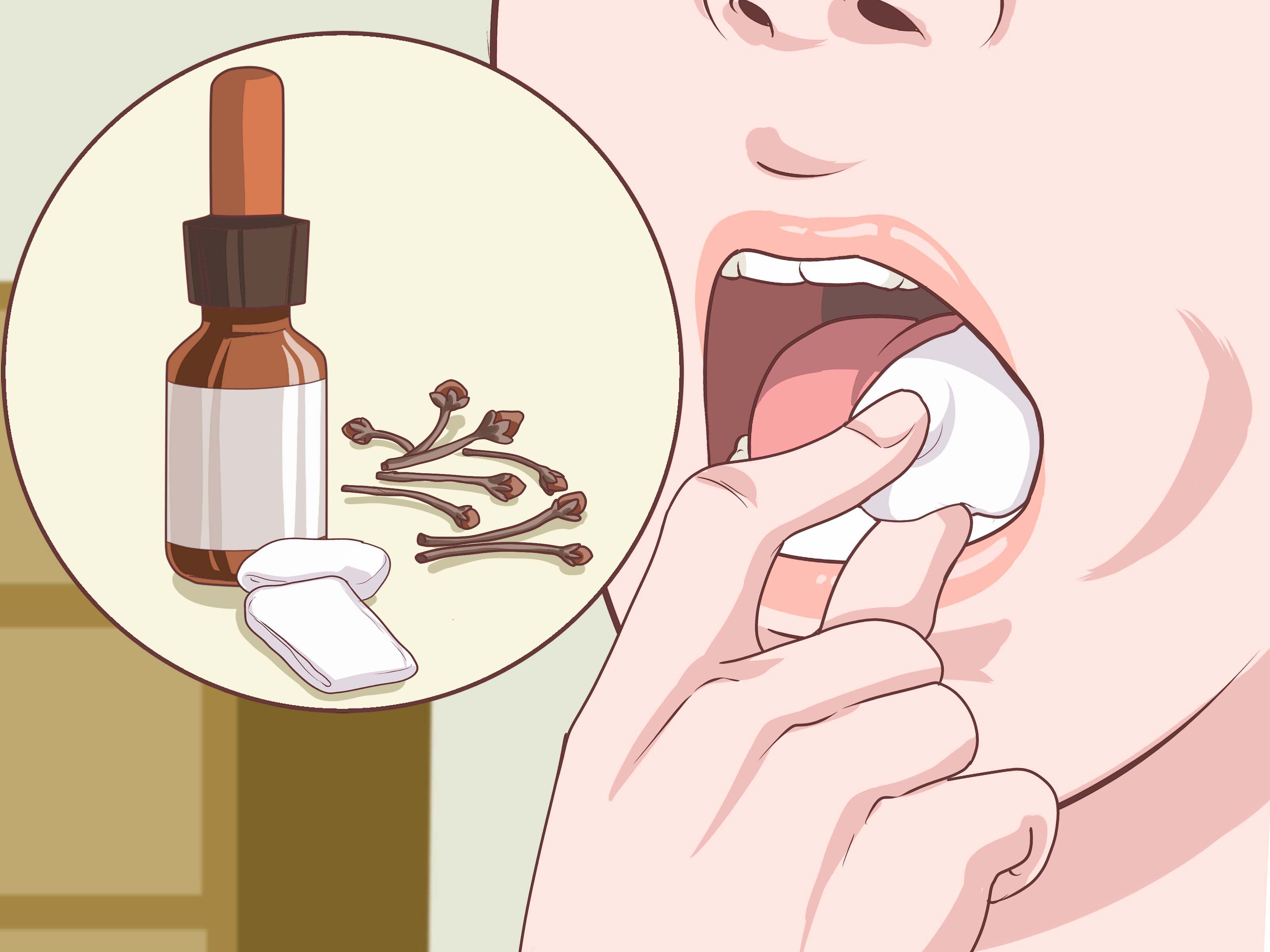
If the crown fits and you have been advised to use temporary cement, dry the crown and tooth as well as you comfortably can. Place a small amount of temporary dental cement inside the crown. Seat it carefully over the tooth, then bite down gently on gauze or a clean cloth for the time recommended on the product label.
Use only a small amount. More cement does not mean more security; it often means more mess. Wipe away excess material from the edges, and avoid chewing on that side.
13. Never Use Superglue or Household Adhesives
Do not use superglue, craft glue, hot glue, epoxy, nail glue, or any household adhesive to reattach a dental crown. These products are not designed for the mouth. They can irritate tissues, damage the crown or tooth, make professional repair harder, and create an unsafe situation if the crown loosens again.
It may feel tempting to “solve” the problem quickly, but household glue can turn a simple recementing appointment into a much more complicated repair. Your future selfand your dentistwill thank you for resisting.
14. Manage Discomfort Safely
If the tooth is sensitive or sore, avoid triggers such as cold drinks, sweets, and biting pressure. You may use an over-the-counter pain reliever according to the product label, as long as it is safe for you and you have no medical reason to avoid it. Do not place aspirin directly on the gum or tooth because it can burn or irritate oral tissues.
If pain is strong, throbbing, or worsening, call your dentist promptly. Pain can mean the tooth nerve is irritated, the tooth is cracked, decay is present, or infection is developing.
15. Keep Your Dental Appointment Even If the Crown Feels Fine
A temporary fix is only a bridge to professional care. Even if the crown feels comfortable after you use temporary cement, your dentist still needs to check the tooth, clean the crown, evaluate the fit, remove old cement, assess decay or fracture, and recement or replace the restoration properly.
Skipping the appointment because “it feels okay” is like putting tape on a leaking pipe and declaring yourself a plumber. Temporary solutions are helpful, but they are not the final repair.
What Your Dentist May Do After a Crown Falls Out
At the appointment, your dentist will examine the crown and the tooth underneath. They may take X-rays to check for decay, cracks, root problems, or infection. If the tooth is healthy and the crown still fits well, the dentist may clean both surfaces and recement the crown.
If the crown no longer fits, the tooth has changed shape, decay is present, or the crown is cracked, you may need a new crown. If the tooth is severely damaged, additional treatment may be needed before a new crown can be placed. In some cases, a buildup, post, root canal evaluation, or extraction may be discussed. The best option depends on how much healthy tooth structure remains.
Common Reasons a Dental Crown Falls Out
Weakened Dental Cement
Dental cement can gradually break down from chewing forces, saliva, temperature changes, and time. When the seal weakens, the crown may loosen and eventually come off.
Tooth Decay Under the Crown
A crown protects the visible part of a tooth, but the margin where crown meets tooth can still develop decay. If decay weakens the tooth structure, the crown may lose support and fall out.
Sticky or Hard Foods
Caramel, taffy, hard candy, ice, nuts, and chewy bread can pull or stress a crown. If the cement is already weak, one enthusiastic bite may finish the job.
Teeth Grinding or Clenching
Bruxism, or grinding and clenching, can place heavy force on crowns. Over time, this can loosen cement, chip porcelain, or cause bite-related problems.
Poor Fit or Bite Changes
If a crown is too high or the bite changes over time, pressure may concentrate on the crown. That extra force can make it loosen faster.
What Not to Do When a Crown Falls Out
Do not ignore the problem, even if there is no pain. Do not chew on the exposed tooth. Do not force the crown back into place. Do not use household glue. Do not sleep with a loose crown in your mouth because it could come off again. Do not try to reshape the crown or tooth with tools. And please, do not watch one dramatic internet video and decide you are now a garage-based dental laboratory.
The safest approach is simple: save the crown, protect the tooth, use temporary dental cement only when appropriate, and see a dentist as soon as possible.
How to Prevent a Dental Crown From Falling Out Again
Good crown care starts with daily oral hygiene. Brush twice a day with fluoride toothpaste, floss carefully around the crown, and clean along the gumline. If floss catches or shreds near the crown, tell your dentist because it may signal a rough margin or fit issue.
Avoid chewing ice, opening packages with your teeth, biting fingernails, or using crowned teeth as tools. If you grind your teeth at night, ask your dentist about a night guard. Keep regular dental checkups so your dentist can spot early decay, bite problems, or crown looseness before the crown makes a surprise exit.
Temporary Crown vs. Permanent Crown: Does It Change What You Should Do?
If a temporary crown falls off, call your dentist promptly. Temporary crowns are designed to protect the tooth while a permanent crown is being made, and they are usually weaker than permanent crowns. They may come loose more easily, especially with sticky foods or heavy chewing.
If a permanent crown falls off, the situation still needs professional evaluation. A permanent crown may be recemented if the tooth and crown are healthy, but the dentist must check for decay, cracks, or fit problems first.
Real-Life Experiences and Practical Lessons From Lost Dental Crowns
People often describe losing a crown as less painful than expected but much more emotionally annoying. One minute, dinner is normal. The next minute, there is a tiny tooth-shaped object in your mouth and your brain is running a full emergency broadcast. The first lesson is that calm action beats frantic improvisation. Most people who handle the situation well do the same few things: they stop chewing, save the crown, call the dentist, and avoid turning the repair into a craft project.
A common experience is the “no pain, so I ignored it” mistake. Because a crowned tooth may not hurt immediately, some people wait days or weeks before calling the dentist. That delay can allow food and bacteria to collect around the exposed tooth. The tooth may also shift slightly, the gum may become irritated, or the crown may no longer fit as cleanly. The lesson is simple: no pain does not mean no problem. Dental issues are sneaky like that.
Another common story involves travel. A crown falls out during a weekend trip, a business conference, or a family vacation. The person stores the crown in a napkin, then the napkin disappears. This is why a small container is your best friend. A pill case, contact lens case, or plastic bag can prevent a very expensive game of “Where did I put that?” If you travel often and have several crowns, packing a tiny dental emergency kit with temporary dental cement, gauze, and your dentist’s phone number is a smart move.
Some people successfully use temporary dental cement for a day or two before seeing a dentist, but the best outcomes usually happen when they test the fit first and use only a small amount. The crown should feel normal when gently seated. If it feels high, wobbly, painful, or crooked, it is better to leave it out and protect the tooth with careful eating until your appointment. A crown forced into the wrong position can create bite pain or damage the tooth.
There is also the “superglue regret” experience, which dentists know all too well. Someone panics, uses household glue, and feels victorious for about ten minutes. Later, the crown comes loose again, the gum is irritated, or the dentist has to spend extra time removing inappropriate adhesive. The lesson: temporary dental cement exists for a reason. Household glue belongs in a drawer, not in your mouth.
Many patients are surprised that the dentist may not simply “pop it back on.” The dentist has to check why it came off. If the tooth underneath is healthy, recementing may be straightforward. If decay caused the crown to loosen, the tooth must be treated first. If the crown is cracked or the bite is off, a replacement may be needed. That diagnosis protects you from repeating the same problem.
The biggest practical takeaway is this: a lost dental crown is usually fixable, but it rewards quick, sensible action. Save the crown, keep the tooth clean, avoid chewing on that side, use temporary cement only when appropriate, and let a dentist complete the repair. Your tooth is not trying to ruin your day; it is sending a very small, very expensive-looking message that it needs attention.
Conclusion
Knowing how to fix a lost dental crown can help you stay calm and protect your tooth until you receive professional care. The safest plan is to retrieve the crown, rinse it gently, store it securely, call your dentist, avoid chewing on the affected side, and use temporary dental cement only when the crown fits properly and your dentist or product instructions support it. Never use household glue, never force the crown into place, and never assume that no pain means everything is fine.
A dental crown is there to protect a tooth that already needed support. When the crown falls out, that tooth becomes more vulnerable. Fast action can make the difference between a simple recementing visit and a more complex dental repair. Treat the situation seriously, but do not panic. Your crown may be temporarily lost, but your common sense is still firmly attached.