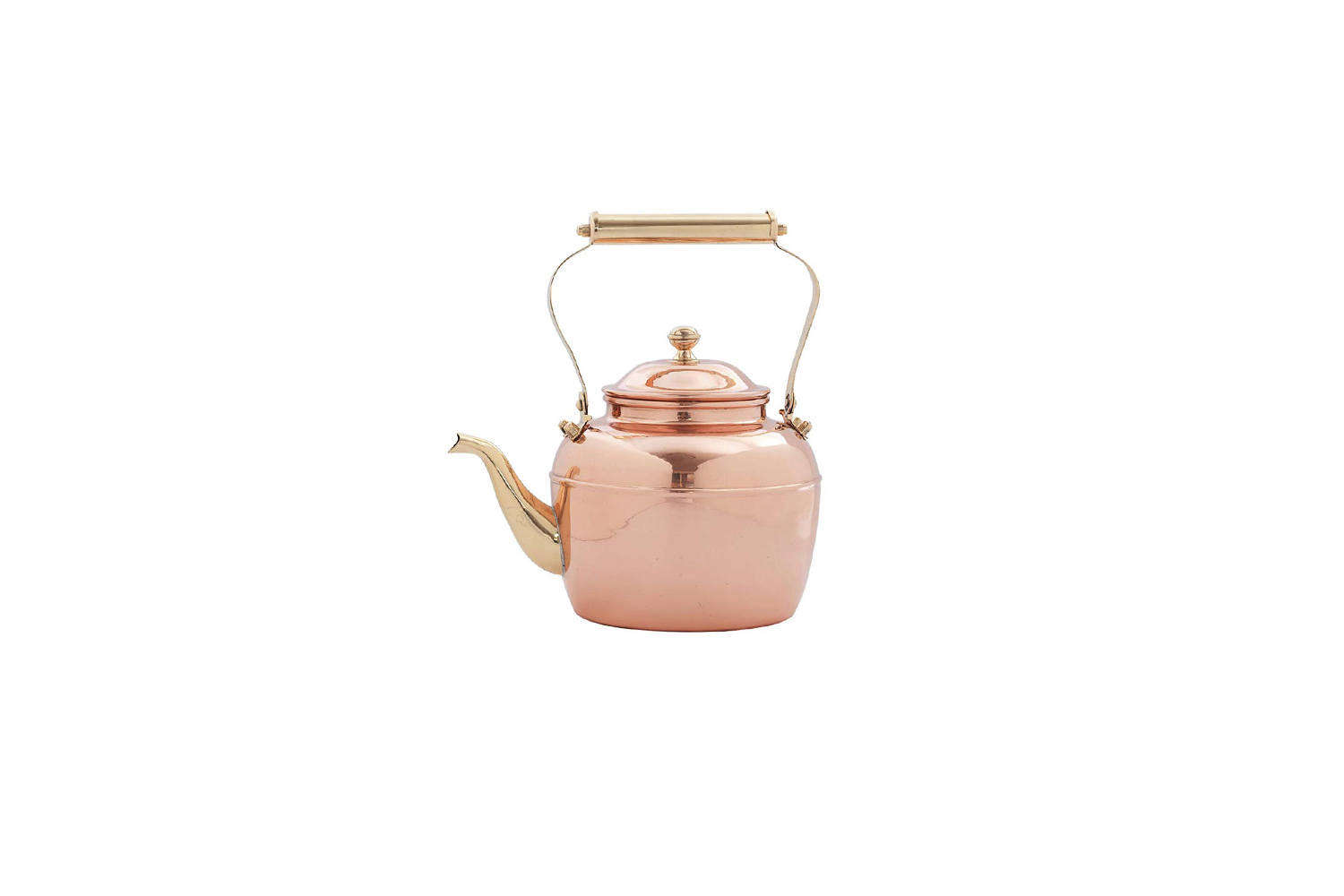
The Old Dutch Solid Copper Teakettle is the kind of kitchen piece that makes a stovetop look like it has a trust fund, a design degree, and a very serious tea habit. It is not merely a container for hot water. It is a gleaming copper conversation starter, a functional accent, and a small daily luxury for people who believe boiling water should not feel like a chore performed by stainless steel office furniture.
Old Dutch International has long been associated with copper kitchenware, serving pieces, and classic countertop accessories. Among its most recognizable pieces, the solid copper teakettle stands out because it blends old-world charm with everyday practicality. The best-known version, often identified as model 887, features a 2.5-quart capacity, solid copper construction, nickel lining, and brass details. That combination gives it the warm, heirloom look people love while making it more practical for regular stovetop use.
This review-style guide takes a closer look at the Old Dutch copper tea kettle: its design, materials, performance, care needs, safety considerations, styling potential, and real-life ownership experience. Spoiler alert: copper is gorgeous, but it does expect better manners than your average kettle.
What Is the Old Dutch Solid Copper Teakettle?
The Old Dutch Solid Copper Teakettle is a stovetop tea kettle made with a solid copper exterior and traditionally styled metal accents. Depending on the version, it may include a brass handle, brass knob, brass spout, wood handle, or ceramic handle. The most commonly discussed model is the Old Dutch 2.5 Qt. Solid Copper Tea Kettle with Brass Handle, a handsome kettle designed for gas and electric stovetops.
Its purpose is simple: heat water for tea, coffee, cocoa, instant oatmeal, pour-over coffee, French press brewing, or that emergency cup of noodles that somehow tastes better at midnight. But its appeal goes beyond function. The copper finish gives the kettle a warm, vintage-inspired personality that fits farmhouse kitchens, cottage-style spaces, traditional homes, French country interiors, and even modern kitchens that need one bold metallic accent.
Key Features of the Old Dutch Solid Copper Teakettle
1. Solid Copper Construction
Copper has been prized in cookware for generations because it conducts heat quickly and evenly. In a teakettle, that means the kettle can respond efficiently to the burner. Water heats without the sluggishness sometimes associated with heavier, less conductive materials. The Old Dutch Solid Copper Teakettle uses copper not as a cosmetic afterthought, but as the star of the show.
Unlike copper-colored stainless steel kettles, a solid copper kettle develops character over time. The surface may darken, glow, patina, or show small signs of use. For some owners, that aging is part of the romance. For others, it is the beginning of a lifelong relationship with copper polish. Choose your adventure.
2. Nickel-Lined Interior
A key detail in the 2.5-quart brass-handle model is its nickel-lined interior. This matters because copper should not be used unlined for general food and drink preparation. Copper can react with certain substances, especially acidic ingredients, and a lining helps create a protective barrier between the copper and what you are preparing.
For a teakettle, the main job is heating water, which is less reactive than tomato sauce or lemon juice. Even so, a lining is a sensible feature. It also makes the interior easier to maintain. Owners should still inspect the inside periodically and avoid harsh scrubbing that could damage the lining.
3. Brass Handle, Knob, and Spout
The brass details give the Old Dutch copper kettle a polished antique look. Copper and brass are close cousins in the design world: both warm-toned, both classic, and both very good at making a kitchen look more expensive than the grocery receipt suggests.
The brass handle and knob also create visual contrast. Instead of a single flat copper tone, the kettle gets depth and definition. This is one reason the Old Dutch Solid Copper Teakettle works as both a usable kettle and a decorative stovetop piece.
4. 2.5-Quart Capacity
The 2.5-quart capacity is generous for most households. It is large enough to prepare several cups of tea, fill a French press, or support a breakfast table without requiring constant refills. At the same time, it is not so oversized that it becomes awkward to lift or store.
For comparison, Old Dutch has also offered larger copper kettles, including 4-quart models with wooden handles, and smaller hammered designs around 2 quarts. The 2.5-quart version sits in a practical middle zone: big enough for family use, still elegant enough for everyday display.
Design and Kitchen Style Appeal
The Old Dutch Solid Copper Teakettle is especially appealing because it does not look like a generic kitchen appliance. It looks like something you found in a charming shop, inherited from a stylish aunt, or rescued from a movie set where everyone drinks tea while discussing architecture.
Its copper finish pairs beautifully with white cabinets, butcher-block counters, marble, dark green paint, navy tile, open shelving, and vintage-inspired hardware. In a farmhouse kitchen, it feels natural and cozy. In a modern kitchen, it becomes the warm accent that keeps the room from feeling too cold. In a maximalist kitchen, it joins the party and probably brings biscuits.
The kettle also photographs well, which matters more than many people admit. A copper kettle on a stovetop instantly adds texture and warmth to kitchen photos. For home bloggers, food photographers, Airbnb hosts, and anyone who secretly rearranges the counter before guests arrive, this kettle earns its keep even when it is not boiling water.
Performance: How Well Does It Heat Water?
Copper is famous for thermal conductivity, and that advantage is relevant here. The Old Dutch copper teakettle can heat water efficiently because copper transfers heat quickly from the burner to the water inside. On a gas stove, the responsiveness is especially noticeable. On an electric stove, it still performs well, provided the kettle sits evenly on the burner.
That said, copper does not need aggressive heat. In fact, high heat can discolor the exterior and may be unnecessary for everyday use. Medium heat is usually enough. Think of copper as a quick learner, not a cast-iron skillet that needs a pep talk and three business days to warm up.
Owners should also avoid heating the kettle while empty. Dry boiling can damage many kettles, and copper is no exception. Always make sure there is enough water inside before turning on the burner.
Is the Old Dutch Solid Copper Teakettle Safe?
Safety depends on proper use and condition. The nickel-lined interior is an important feature because lined copper is generally preferred for cookware and drinkware applications. The lining helps prevent direct contact between water and copper. However, owners should inspect the interior. If the lining becomes worn, scratched, or compromised, the kettle should be retired from active use or evaluated by a professional.
It is also important to use the kettle for its intended purpose: heating water. Do not use it to heat acidic liquids, brew spiced cider directly, simmer vinegar mixtures, or store beverages. A teakettle is not a soup pot wearing a fancy hat.
For safest everyday use, fill it with clean water, heat it on gas or electric stovetops, pour carefully, and empty any remaining water after use. Drying the kettle helps reduce spotting and keeps the interior and exterior in better condition.
How to Clean the Old Dutch Solid Copper Teakettle
Daily Cleaning
For regular cleaning, use warm water, mild dish soap, and a soft cloth or sponge. Rinse well and dry immediately with a clean towel. Do not put the kettle in the dishwasher. Dishwashers are too harsh for copper finishes and can dull, spot, or damage the surface.
Exterior Polishing
Copper naturally tarnishes. Some people love the darker patina because it gives the kettle a lived-in vintage personality. Others prefer the bright penny-like shine. If you want the polished look, use a copper-specific cleaner according to its directions, or use a gentle homemade method such as lemon and salt on the exterior only. Always rinse thoroughly and dry completely.
Avoid abrasive pads, steel wool, harsh scouring powders, or aggressive scrubbing. Copper is beautiful, but it is not interested in being sanded like a garage project.
Interior Care
Because the interior is lined, be gentle. Do not scrape it with metal tools. Do not use harsh chemical cleaners inside. If mineral deposits build up from hard water, a mild kettle-safe cleaning approach may help, but avoid leaving acidic solutions sitting inside for long periods unless the manufacturer specifically approves it.
Pros and Cons
Pros
The Old Dutch Solid Copper Teakettle has excellent visual appeal, efficient heat transfer, a useful 2.5-quart capacity, and classic brass detailing. It works well as both a functional kettle and a decorative kitchen accent. Its lined interior is also a meaningful feature for users who want the beauty of copper with a more practical cooking surface.
Cons
Copper requires more maintenance than stainless steel. It tarnishes, spots, and reacts to fingerprints. The kettle should be hand washed and dried rather than tossed into a dishwasher. It may also be harder to find new because some retailer listings show older Old Dutch copper kettle models as discontinued or no longer widely available.
In short, this is not the kettle for someone who wants zero maintenance. It is for someone who enjoys beautiful kitchen tools and does not mind occasionally polishing the star of the stovetop.
Who Should Buy an Old Dutch Solid Copper Teakettle?
This kettle is a strong choice for tea lovers, copper cookware collectors, farmhouse-style decorators, traditional kitchen enthusiasts, and anyone who wants a kettle that looks special without feeling overly delicate. It is also a smart pick for people who enjoy pieces that age visibly and develop character.
It may not be the best choice for users who want an induction-compatible kettle, a dishwasher-safe appliance, or a whistle that screams across the house like a tiny steam-powered referee. Some Old Dutch copper kettles are classic stovetop kettles rather than modern whistling models, so buyers should check the specific version before purchasing.
Buying Tips for the Old Dutch Solid Copper Teakettle
Because availability can vary, buyers should pay attention to the exact model, capacity, handle material, lining, and condition. Newer listings may refer to model 887, while vintage listings may show ODI or Old Dutch pieces made in different countries, including Portugal, Korea, China, or India depending on the item and era.
If buying vintage, inspect photos carefully. Look for dents, interior wear, loose handles, damaged spouts, or green corrosion. A little exterior patina can be charming. Interior damage is a different story. If the lining is worn through, the kettle may be better suited for display than daily use.
Also confirm whether the kettle is functional or decorative. Online vintage listings sometimes describe copper kettles as display pieces, and that wording matters. A decorative kettle may look lovely on a shelf but may not be suitable for boiling water.
How to Style It in the Kitchen
The easiest way to style the Old Dutch Solid Copper Teakettle is to leave it on the stovetop. That sounds almost too simple, but copper has enough visual presence to carry the scene. Pair it with wooden cutting boards, ceramic canisters, linen towels, brass cabinet pulls, or open shelves with white dishes.
For a farmhouse look, place it near a crock of wooden utensils and a small potted herb. For a modern look, let it stand alone against matte black, white, or stone surfaces. For a vintage look, combine it with copper molds, old cookbooks, or a ceramic sugar bowl. The kettle is versatile because copper behaves like jewelry for the kitchen: small amount, big effect.
of Real-Life Experience With an Old Dutch Solid Copper Teakettle
Using an Old Dutch Solid Copper Teakettle feels different from using an ordinary kettle. The first thing you notice is the weight and visual warmth. It does not disappear into the background. It sits on the stove like it has been assigned a speaking role. The copper catches morning light, reflects cabinet colors, and somehow makes even a sleepy Tuesday feel slightly more intentional.
In daily use, the 2.5-quart size is one of its best qualities. It is large enough to make tea for several people, but not so large that it becomes a workout. When making pour-over coffee, the kettle can heat enough water for multiple cups, though users who need a precision gooseneck spout may prefer a dedicated coffee kettle. For tea, French press, hot chocolate, and general hot water needs, it feels right at home.
The heating experience is satisfying. On a gas stove, the copper responds quickly, so there is no need to blast the burner. Medium heat does the job. That is good news because high flame can discolor copper, especially if the flame licks up the sides. The best habit is to keep the flame under the base and let the metal do what it does best. Copper is fast; it does not need to be shouted at.
Pouring is generally comfortable, but the handle deserves respect. Brass and metal components can become warm, so a towel or potholder is a smart companion. This is not a plastic-handled electric kettle that lets you wander around half-awake. It asks you to be present. Honestly, that is part of the charm. Making tea becomes a small ritual instead of another button press.
The main ownership lesson is maintenance. Copper changes. It spots. It darkens. It shows fingerprints from that one person who “just wanted to look.” At first, this may feel annoying. Then, after a while, it becomes part of the relationship. A quick wipe after use prevents water marks. Occasional polishing restores the shine. Letting it patina gives it a softer, antique look. There is no single correct approach; the kettle can be bright and polished or mellow and moody.
One practical tip: empty leftover water after use and dry the kettle when possible. This helps reduce mineral buildup and keeps the piece looking cared for. Another tip: never attack it with abrasive scrubbers. Copper rewards gentle hands. Treat it like a nice leather bag, not a baking sheet after lasagna night.
The Old Dutch Solid Copper Teakettle is most enjoyable for people who appreciate tools with personality. It is not the lowest-maintenance kettle, and that is exactly the point. It brings beauty to a daily habit. It makes the kitchen feel warmer. It turns boiling water into a small ceremony. And in a world full of appliances that beep, blink, and demand firmware updates, a solid copper kettle feels refreshingly human.
Final Verdict
The Old Dutch Solid Copper Teakettle is a beautiful and functional piece for anyone who values classic materials, warm kitchen design, and a more tactile tea-making experience. Its solid copper body, lined interior, brass accents, and generous capacity make it both practical and decorative. It does require hand washing, careful drying, and occasional polishing, but those small chores are part of owning real copper.
If you want a kettle that hides in a cabinet and asks for nothing, choose stainless steel. If you want a kettle that turns your stovetop into a design moment and makes tea feel a little more special, the Old Dutch copper teakettle deserves serious consideration. It boils water, yes, but it also brings charm. And charm, unlike microwave water, should never be underestimated.