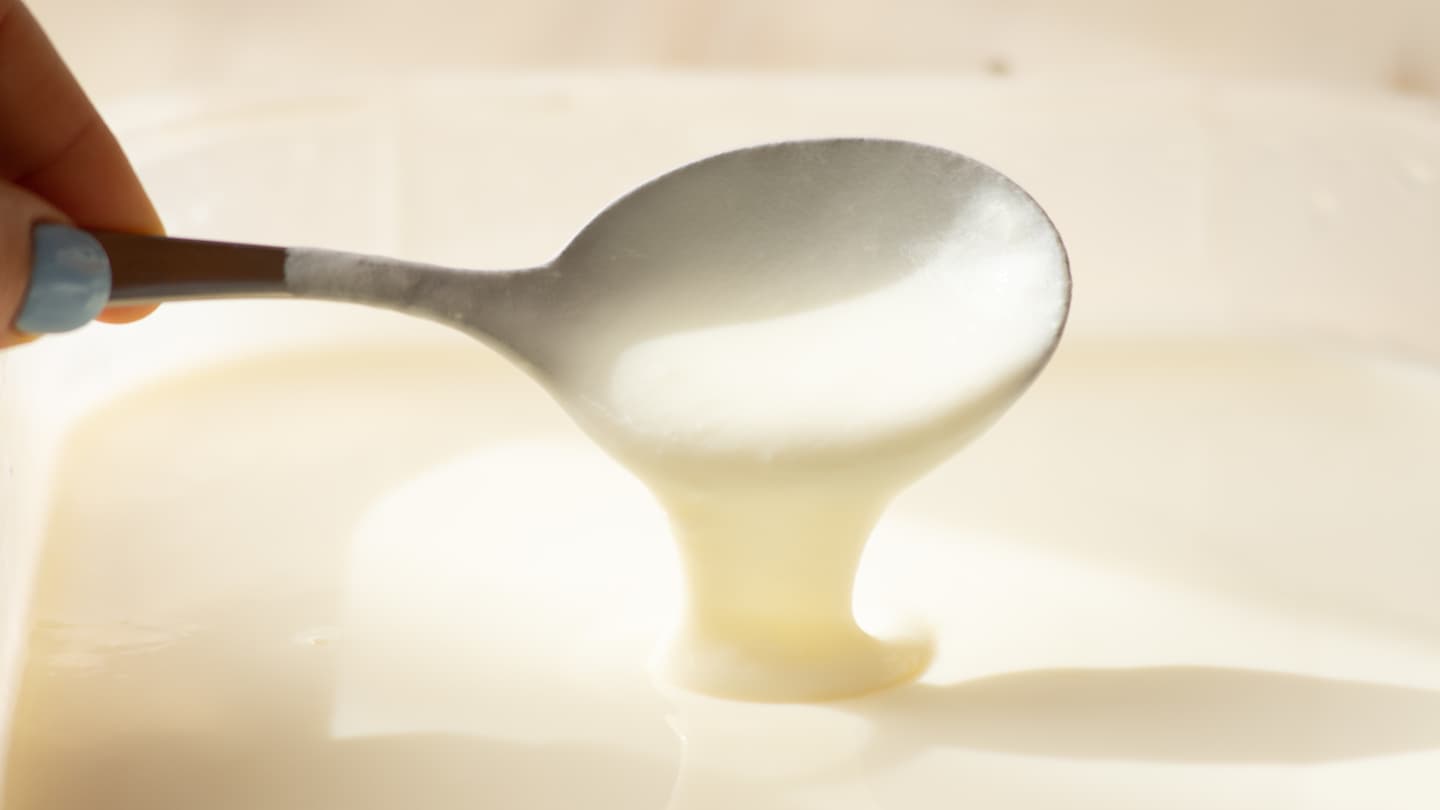
Some food trends fade before your spoon hits the sink. Others cling on for dear life. Stretchy yogurt falls firmly into the second category. If you’ve seen glossy yogurt pulling into long ribbons like melted cheese, you already understand the internet’s obsession. It’s playful, oddly mesmerizing, and just weird enough to make people immediately ask, “Wait… is that actually yogurt?”
The answer is yes but with an asterisk the size of a cereal bowl. Stretchy yogurt is real, delicious, and surprisingly easy to make at home. But it is not exactly the same thing as traditional cultured yogurt straight from the tub. In most viral versions, the signature stretch comes from adding starch to yogurt and heating it until it turns thick, shiny, and elastic. Think of it as yogurt meeting pudding, then borrowing a little mochi energy on the way out the door.
This guide breaks down what stretchy yogurt is, why it became such a sensation, how it differs from Greek yogurt and labneh, whether it still counts as a healthy snack, and how to make your own homemade version without turning your kitchen into a dairy-themed science fair. Spoon ready? Let’s get into it.
What Is Stretchy Yogurt, Exactly?
Stretchy yogurt is a yogurt-based treat known for its thick, sticky, elastic texture. Unlike traditional yogurt, which is creamy and spoonable, stretchy yogurt is designed to pull, stretch, and ribbon. That texture is the whole point. Flavor matters, of course, but the bounce and chew are what made this trend explode online.
Many versions sold in specialty yogurt shops are topped like dessert bowls: fruit, boba, jellies, cereal, coconut, syrups, or powdered flavorings. The look is part soft-serve fantasy, part ASMR bait, and part “Is this breakfast or dessert?” Depending on the shop, the base may taste tangy, sweet, or lightly milky, with flavors ranging from mango and peach to matcha and black sesame.
Here’s the key distinction: traditional yogurt gets its body from fermentation. Stretchy yogurt gets its dramatic pull from texture engineering usually a starch such as tapioca, rice, or potato starch added to yogurt or a yogurt-and-milk mixture. Once heated, the starch thickens and creates that glossy, stretchy consistency. In other words, it is yogurt, but it is also a texture-forward dessert that has been given a serious makeover.
Why the trend took off
The rise of stretchy yogurt makes perfect sense in the age of visual food trends. It checks every box: unusual texture, satisfying stretch, customizable toppings, and strong camera appeal. It also taps into a broader love of chewy, bouncy textures that are celebrated across many Asian food traditions. If boba, mochi, and cheese pulls can go viral, yogurt was only one dramatic spoon-lift away from joining the club.
Is Stretchy Yogurt the Same as Greek Yogurt?
Not quite. Greek yogurt and stretchy yogurt may look equally thick, but they get there in different ways.
Greek yogurt becomes thick because it is strained. Removing whey concentrates the yogurt, giving it a richer texture and often more protein per serving than regular yogurt. It is still fundamentally traditional fermented yogurt.
Stretchy yogurt, by contrast, usually becomes thick and elastic because starch is added and heated. That means it behaves more like a yogurt-based dessert or snack than a standard bowl of cultured yogurt.
That difference matters for texture, nutrition, and even expectations. If you buy or make stretchy yogurt expecting plain Greek yogurt in a new outfit, you may be confused by the chewiness. If you approach it like a fun hybrid between yogurt, pudding, and a soft mochi-inspired snack, you’ll get the appeal much faster.
What about labneh?
Labneh is also strained yogurt, but taken even further. It is thicker than Greek yogurt and often spreadable, almost like a soft cheese. Stretchy yogurt is not labneh either. Labneh is tangy, dense, and naturally thick from straining. Stretchy yogurt is glossy and elastic because of added starch and heat. Same yogurt family, very different personalities.
Does Stretchy Yogurt Still Have Probiotics?
This is where the yogurt plot thickens literally and nutritionally.
Traditional yogurt is made with live cultures. Those cultures help ferment milk, create yogurt’s tang, and may offer probiotic benefits when the final product still contains live and active cultures. Plain yogurt and Greek yogurt are often praised for protein, calcium, and beneficial bacteria.
But many homemade stretchy yogurt recipes involve heating yogurt with starch. Once you heat yogurt enough to thicken a starch-based mixture, you should not assume the finished bowl still delivers the same live-culture benefits as unheated yogurt. You may still get protein, calcium, tangy flavor, and a satisfying texture, but the viral stretchy version is best thought of as a yogurt-based food rather than a guaranteed probiotic powerhouse.
That doesn’t make it bad. It just means you should be honest about what it is. Stretchy yogurt can absolutely be part of a balanced snack or dessert, especially if you start with plain Greek yogurt and keep the sweeteners modest. But if your main goal is live cultures, a cold plain yogurt with fruit is still the safer bet.
What Makes Yogurt Stretch?
The magic word is starch. Tapioca starch is the most common choice in homemade stretchy yogurt because it creates a glossy, chewy texture without much flavor of its own. It is the same reason tapioca shows up in foods known for bounce and chew. When mixed with liquid and heated, tapioca starch swells and thickens, helping transform an ordinary yogurt mixture into something delightfully dramatic.
Milk also plays a role. Adding a little milk loosens thick yogurt just enough for the starch to disperse evenly before heating. As the mixture warms, the starch thickens the liquid while the yogurt brings tang, creaminess, and body. Stirring after heating helps smooth it out and encourage the signature pull.
If your first batch is not stretchy, one of three things probably happened:
- You did not use enough starch.
- You did not heat it long enough for the starch to activate.
- You expected ordinary yogurt behavior from a mixture that needed a little more coaxing.
In short, stretchy yogurt is less about fermentation wizardry and more about understanding how dairy and starch work together. Delicious chemistry, minus the pop quiz.
How to Make Stretchy Yogurt at Home
The easiest homemade version uses just three main ingredients: Greek yogurt, milk, and tapioca starch. It is quick, approachable, and much less intimidating than it looks on social media.
Basic homemade stretchy yogurt recipe
Ingredients:
- 1/2 cup plain Greek yogurt
- 1/2 cup milk
- 2 to 4 tablespoons tapioca starch
- 1 to 2 tablespoons honey, maple syrup, or sugar, optional
- Toppings of choice: fruit, granola, jam, coconut, nuts, boba, or cereal
Method:
- In a microwave-safe bowl, whisk together the Greek yogurt, milk, tapioca starch, and optional sweetener until smooth.
- Microwave for about 1 1/2 to 2 minutes, depending on your microwave’s strength.
- Stir well with a spatula or spoon until the mixture becomes glossy and uniform.
- Let it cool for a minute or two. As it cools, it often gets smoother and stretchier.
- Top and serve warm, room temperature, or chilled slightly, depending on your texture preference.
Stovetop version
If you do not love microwaving dairy, use a small saucepan over low heat. Stir constantly for several minutes until the mixture thickens and becomes stretchy. Low and slow works better than blasting it and hoping for the best. Hope is not a cooking method.
Tips for the best texture
- Use plain Greek yogurt for a thicker base and more protein.
- Start with 2 tablespoons of tapioca starch, then add more next time if you want extra chew.
- Do not dump in too much sweetener at the start or the mixture can get overly loose.
- Stir thoroughly after heating. The texture improves as the starch fully hydrates.
- Serve with contrasting toppings such as crunchy granola or juicy fruit so the bowl does not become one big beige mystery.
Want “Real” Homemade Yogurt First? Start Here
If you want to make traditional yogurt from scratch before turning it into anything stretchy, the classic process is wonderfully simple. Heat milk, cool it, add starter culture, and incubate until set. Many home recipes recommend heating milk to around 180°F, cooling it to roughly 108°F to 115°F, then adding live-culture yogurt or starter and incubating until thick. Straining the finished yogurt creates Greek-style yogurt; straining longer gets you closer to labneh.
This is worth knowing because it helps explain the difference between making yogurt and making stretchy yogurt. Traditional yogurt depends on time, temperature, and cultures. Stretchy yogurt depends on texture-building ingredients and heat. Both are fun. They are just different kitchen projects.
Safety matters
If you make yogurt from scratch, use pasteurized milk unless you fully understand the risks of raw milk. Homemade dairy projects are not the place for unnecessary drama. Start clean, use sanitized tools, refrigerate promptly, and do not leave finished yogurt hanging out at room temperature once it has set.
Is Stretchy Yogurt Healthy?
It can be depending on what goes into it. The healthiest homemade versions start with plain yogurt or Greek yogurt, modest sweetener, and toppings that add real value, such as berries, nuts, chia seeds, or sliced banana. If your bowl is piled with candy, syrups, cookie crumbs, and sweetened cereal, congratulations: you made dessert. A delicious dessert, sure, but dessert nonetheless.
That said, stretchy yogurt can still offer some real benefits:
- Protein: especially if you start with Greek yogurt.
- Calcium: dairy yogurt remains a solid source.
- Satisfaction: the thick texture can make a small portion feel substantial.
- Customization: you can control sweetness and toppings at home.
The biggest watch-out is added sugar. Flavored yogurts and sweet toppings can stack up quickly. If you want a bowl that feels indulgent without becoming a sugar bomb, keep the base plain and add sweetness yourself. Fruit, cinnamon, vanilla, or a drizzle of honey go a long way.
Common Mistakes People Make With Stretchy Yogurt
1. Using the wrong yogurt
Thin, heavily sweetened yogurt can work, but plain Greek yogurt usually gives the most reliable body and flavor. Starting with a stronger base means less wrestling later.
2. Confusing stretchy with slimy
Stretchy yogurt should feel glossy, thick, and pleasantly chewy. If it becomes gummy, gluey, or suspiciously wallpaper-paste-adjacent, the starch ratio may be off.
3. Overloading the bowl
A mountain of wet toppings can crush the texture. Save some restraint for once. A few carefully chosen toppings usually make a better bowl than turning it into a refrigerator clean-out project.
4. Calling it probiotic yogurt without qualification
If you heated it significantly, it is smarter to think of it as a yogurt-based snack or dessert, not automatically a live-culture health food.
How to Serve Stretchy Yogurt
Stretchy yogurt is most fun when you play with contrast. Try one of these combinations:
- Fresh and bright: strawberries, kiwi, mango, and toasted coconut
- Breakfast energy: banana, granola, chia, and peanut butter
- Dessert mode: crushed pistachios, honey, and a spoonful of jam
- Trendy café style: popping boba, fruit cubes, and cereal clusters
You can also chill it briefly for a thicker texture or serve it slightly warm for maximum stretch. There is no wrong answer here, only different levels of drama.
Experiences With Stretchy Yogurt: What People Notice When They Make It, Eat It, and Share It
The first experience most people have with stretchy yogurt is confusion. The second is delight. The third is usually an immediate attempt to hand a spoon to someone nearby and say, “Look at this.” That reaction makes sense because stretchy yogurt is not just food; it is a tiny performance. You pull up a spoonful, it stretches farther than expected, and suddenly breakfast has become entertainment.
For home cooks, the experience often begins with skepticism. A bowl of Greek yogurt, milk, and starch does not look especially glamorous before heating. It looks like a mistake in progress. But once the mixture warms and thickens, it changes quickly. The texture turns glossy, the spoon leaves ribbons, and the whole thing feels oddly satisfying to stir. It gives the same kind of kitchen joy as watching caramel darken or bread dough come together simple ingredients becoming something that feels much more impressive than the effort involved.
Tasting it for the first time is another surprise. People expect a bowl of plain yogurt, but the mouthfeel is completely different. It is thicker, chewier, and more playful. Some compare it to melted marshmallow’s more sophisticated cousin. Others say it lands somewhere between pudding, mochi, and frozen yogurt that decided not to freeze. The tang of yogurt keeps it from becoming too sweet or too heavy, which is part of why the trend works. It is rich enough to feel special, but bright enough that you still want another bite.
There is also a social element to the experience. Stretchy yogurt is one of those foods people naturally customize. One person adds mango and coconut. Another goes full dessert with chocolate cereal and berries. Someone else keeps it minimal with honey and pistachios and acts very elegant about it. Set out toppings for a group and you get an instant make-your-own yogurt bar that feels more exciting than a standard bowl of granola ever could.
Parents and kids often enjoy it for different reasons. Kids love the stretch, the spoon-pull, and the toppings. Adults tend to appreciate that it can feel indulgent while still starting from yogurt instead of a fully frosted dessert. It is also a conversation starter. Bring it to a brunch table and you will not spend the morning explaining your muffin recipe. Everyone will be too busy asking why the yogurt behaves like a cheese commercial.
Perhaps the most interesting experience, though, is that stretchy yogurt changes how people think about texture. American home cooks often focus on flavor first and texture second. This trend flips that order. The texture is the main attraction, and the flavor supports it. Once people get that, they start experimenting more confidently more fruit, less sugar, different starch levels, a Greek-yogurt base one day and a lighter one the next. Stretchy yogurt becomes less of a gimmick and more of a reminder that food can be nourishing, tasty, and a little silly all at once. Honestly, that is not a bad goal for any bowl on the breakfast table.
Final Takeaway
Stretchy yogurt is one of those rare food trends that is both internet-friendly and genuinely fun to make at home. It is not the same thing as plain yogurt, Greek yogurt, or labneh, and it should not be marketed as a miracle health food in a dramatic new form. But as a creative yogurt-based snack or dessert, it absolutely earns its moment.
If you love chewy textures, customizable toppings, and recipes that make people raise an eyebrow before asking for seconds, stretchy yogurt is worth trying. Start simple: Greek yogurt, milk, tapioca starch, a little sweetness, and toppings that make you happy. The result is a bowl that is creamy, tangy, stretchy, and just ridiculous enough to feel memorable.
Which, to be fair, is more than most breakfasts can say.