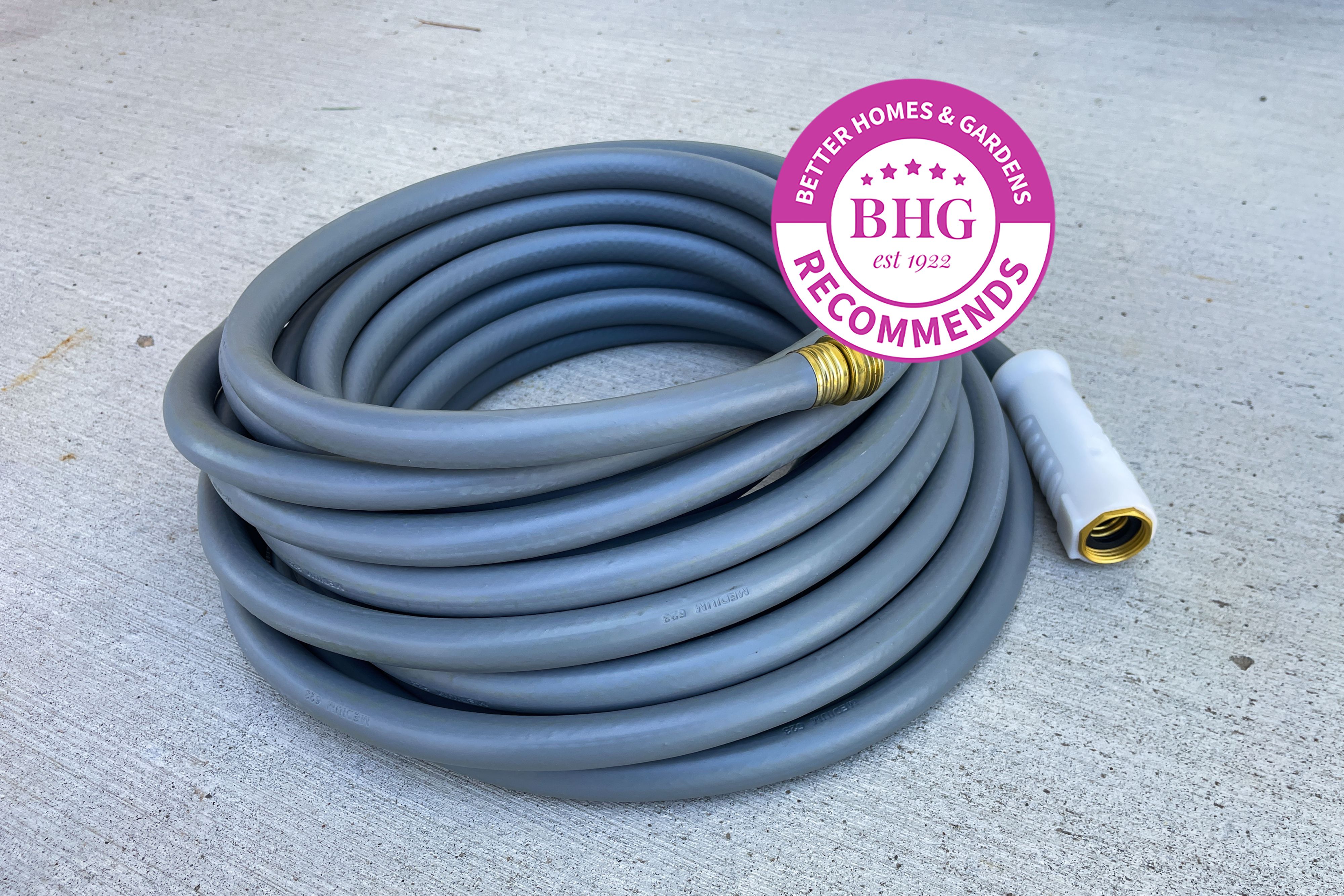
If you have ever tried to water a thirsty tomato bed with a hose that kinks every six feet, leaks at the faucet, and somehow turns into a backyard anaconda the second you need to put it away, you already know the truth: not all garden hoses deserve a spot by your spigot.
For this article, we reviewed the strongest takeaways from major U.S. testing roundups, backyard trials, long-term use reports, and expert buying guides to identify the hoses that consistently stood out. Instead of pretending every yard has the same needs, we focused on what actually matters in real life: maneuverability, kink resistance, durability, fittings, storage, and whether the hose makes watering easier or turns it into a low-budget action movie.
The result is a practical list of five standout winners. These are the hoses that kept showing up for the right reasons, whether the job was watering flower beds, rinsing muddy patio furniture, washing a car, or reaching that one stubborn corner of the yard that always seems farther away than it looked on paper.
How We Chose the Winners
To narrow the field, we looked for patterns across reputable reviews rather than falling in love with a single flashy pick. The best garden hose is not always the heaviest, the cheapest, or the one that arrives with seven unnecessary accessories and a nozzle that looks like it belongs on a sci-fi set. It is the one that works smoothly, survives repeated use, and does not make you mutter under your breath while dragging it around hydrangeas.
- Kink resistance: Because a hose that folds in on itself every few steps is basically a garden prank.
- Ease of use: Lightweight hoses scored well when they stayed flexible and easy to coil.
- Durability: Rubber, hybrid polymer, and stainless steel designs all had advantages depending on the task.
- Fittings and connections: Brass and crush-resistant fittings mattered more than marketing buzzwords.
- Value: The best pick was not always the cheapest; it was the one most likely to last long enough to justify its price.
The 5 Winners of Our Best Garden Hose Tests
1. Flexzilla Garden Hose Best Overall
If one hose best captured the phrase “easy to live with,” it was the Flexzilla. This hybrid polymer hose kept earning praise for staying flexible, resisting kinks, and being easier to maneuver than many traditional rubber models. That combination matters more than people think. A hose can be technically durable, but if it feels like you are pulling a reluctant python across your lawn, you will not love using it.
The Flexzilla hits a sweet spot between toughness and usability. It is not feather-light, but it is lighter and more cooperative than many heavy-duty hoses. It also tends to lie flatter, loop more easily, and avoid the annoying memory curl that makes some hoses feel permanently offended by being uncoiled. Several review outlets highlighted its all-weather flexibility, drinking-water-safe inner tube, and fittings that are easy to connect without a wrestling match.
Why it won: It does almost everything well. It is a strong choice for homeowners who want one dependable hose for watering, cleanup, and general yard work.
Best for: Most households, medium-size yards, everyday watering, and anyone who wants a hose that feels premium without being absurdly heavy.
Watch out for: It is not the cheapest option, and like many flexible hoses, the exterior can look a little scuffed after hard use. Functionally, though, it remains one of the most balanced picks on the market.
2. Dramm Rubber Garden Hose Best Heavy-Duty Winner
If the Flexzilla is the versatile all-rounder, the Dramm is the backyard tank. This hose repeatedly impressed testers who wanted something rugged, reliable, and built to survive a lot of pulling, dragging, stepping on, and general homeowner chaos. Its rubber construction is the big story here: rubber hoses tend to be more durable, more crush-resistant, and better suited to demanding jobs than flimsy vinyl models.
The Dramm’s strength is not subtle. It is sturdy, delivers strong water pressure, and tends to hold up exceptionally well under repeated use. Gardeners with larger beds, longer watering sessions, or tougher terrain often prefer this kind of hose because it feels like it was made for real work rather than occasional decorative spritzing.
But let’s be honest: this hose is not exactly dainty. Heavy-duty rubber comes with weight, and the Dramm is the kind of hose you notice when you are hauling it from one side of the yard to the other. Still, if your priority is longevity and performance, that tradeoff makes sense.
Why it won: It is one of the strongest choices for buyers who want durability first and convenience second.
Best for: Serious gardeners, larger properties, frequent use, and homeowners who are tired of replacing lighter hoses every couple of seasons.
Watch out for: Weight. If you want something easy for elderly users, quick patio watering, or tight storage spaces, this may feel like overkill.
3. Flexi Hose Best Expandable Winner
Expandable hoses have a devoted fan club for one simple reason: when they work well, they are wonderfully easy to handle. The Flexi Hose is one of the few expandable models that consistently earned praise for making life easier without feeling disposable. It expands when filled, shrinks when empty, and stores in a fraction of the space of a traditional hose. That is a big advantage if your garage is already full of lawn gear, planters, and the mystery extension cord nobody claims.
What makes the Flexi Hose stand out is that it delivers the convenience people want from an expandable hose without feeling too flimsy. It is lightweight, easy to drag around delicate plants, and far less likely to flatten your annuals as you move from bed to bed. Many users also appreciate that it is quick to coil by hand and often comes with a spray nozzle, which adds value for buyers who want an out-of-the-box setup.
Still, expandable hoses are best seen as convenience specialists. They shine for light to moderate watering jobs, container gardens, patios, and homeowners who prioritize storage and maneuverability. They are less ideal for punishing daily use across rough ground.
Why it won: It offers the easiest storage and handling of the group while still feeling more trustworthy than many expandable competitors.
Best for: Patios, raised beds, smaller yards, and gardeners who hate dragging a heavy hose around like they are towing a canoe.
Watch out for: Expandable hoses are not the first choice for the harshest, most demanding jobs. Always check current safety notices and product details before buying any expandable design.
4. Stanley Fatmax Professional Grade Garden Hose Best Budget Winner
The word “budget” sometimes makes people picture a sad, twisty hose with plastic fittings and the lifespan of a ripe avocado. The Stanley Fatmax is not that kind of budget pick. It stood out because it brought professional-grade features and strong performance to a more approachable price point. Reviewers repeatedly liked its solid construction, high flow rate, and overall toughness for the money.
This hose is a smart choice for shoppers who care about performance but do not want to leap straight into premium-price territory. It has the feel of a workhorse, and it performs especially well when you need a strong stream for jobs beyond gentle plant watering, such as rinsing patios, filling larger containers, or working with high-output nozzles.
The Stanley Fatmax is not the lightest hose in the shed, but that is partly why it feels substantial. It offers a more serious build than many bargain options, which means it is better suited to buyers who want one hose that can handle a lot without immediately upgrading next season.
Why it won: It delivers impressive performance-per-dollar and feels far sturdier than the average “cheap” hose.
Best for: Buyers who want strong value, solid flow, and a tougher build without paying premium-hose prices.
Watch out for: If your main priority is ultra-lightweight handling, you may prefer a more flexible hose style.
5. Bionic Steel Metal Garden Hose Best Metal Winner
The Bionic Steel earns its place because it solves a very specific kind of frustration: traditional hoses that kink, snag, and coil into a tangled mess the moment you stop paying attention. Stainless steel hoses are not for everyone, but the Bionic Steel showed why this category has become more popular. It is flexible for a metal hose, resists kinking exceptionally well, and tends to glide over rough surfaces without the same puncture worries that haunt lighter materials.
This hose is especially appealing if your watering route includes concrete, gravel, decking, or other abrasive surfaces. The segmented metal exterior helps it stay tangle-free, and many testers appreciated how easily it wound onto a reel. It also looks satisfyingly indestructible, which never hurts.
That said, metal hoses come with personality. They can warm up in direct sun, and some gardeners simply prefer the feel of polymer or rubber. But if you are tired of battling twists and soft-sided hose drama, this is the model most likely to make you say, “Where have you been all my life?”
Why it won: It is one of the strongest anti-kink, anti-tangle choices for tougher surfaces and fuss-free handling.
Best for: Hardscapes, patios, decks, rough ground, and anyone who values tangle resistance over traditional hose feel.
Watch out for: It may get warm in direct sunlight, and the included nozzle on some kits is not always the star of the show.
How to Choose the Right Garden Hose for Your Yard
Start with the material, not the color
Rubber hoses are usually the toughest, but they are also heavier. Hybrid polymer hoses tend to offer the best balance of durability and flexibility. Expandable hoses are easy to store and maneuver but are best for lighter-duty tasks. Stainless steel hoses excel at resisting kinks and abrasion, especially on rough surfaces.
Do not buy more length than you actually need
A 50-foot hose is the sweet spot for many homes. It covers a decent amount of ground without becoming annoyingly heavy or awkward to store. A 100-foot hose makes sense if your spigot is far from the action, but longer hoses are harder to drag and coil. More hose is not automatically more happiness.
Pay attention to fittings and diameter
Brass fittings generally outlast plastic ones, and they are less likely to crack or strip under repeated use. As for diameter, 5/8-inch is a common all-purpose choice because it offers a good mix of flow and practicality. If you mainly water delicate containers, you may not need a hose built like a fire station accessory.
Storage decides lifespan more than people admit
Even a great hose will have a rough life if it is left in a sun-baked pile all season. A simple reel, wall hook, or hose pot can reduce tangles, limit UV exposure, and help the hose last longer. In freezing climates, draining and storing the hose before winter is one of the easiest ways to avoid damage.
What the Testing Experience Consistently Taught Us About Garden Hoses
One of the most interesting things about reading through so many test reports is how quickly the same real-world experiences start repeating themselves. Reviewers with totally different yards, climates, and priorities kept describing the same moments of delight and disappointment. That tells you a lot. The best garden hose is not just a product with good specs; it is the one that still feels easy to use when you are tired, in a hurry, and trying to finish watering before dinner.
Again and again, testers loved hoses that felt cooperative. That sounds simple, but it is huge. A cooperative hose uncoils without a fight, follows you around corners without snagging every shrub, and does not collapse into a knot because you glanced away for three seconds. Flexible hybrid hoses earned a lot of love for this reason. They made everyday chores feel smoother, especially for people watering mixed spaces like lawns, beds, containers, and patios in one trip.
Heavy-duty rubber hoses inspired a different kind of admiration. Testers often described them with the tone people use for old pickup trucks: not glamorous, definitely not light, but deeply trustworthy. They dragged over stone, handled repeated use, and delivered strong pressure with little drama. The main complaint was almost always the same: weight. A hose can be wonderfully durable and still feel like a gym membership if you have to pull 100 feet of it around a large yard.
Expandable hoses produced the most emotionally dramatic reactions. When testers liked them, they really liked them. They appreciated how little storage space they required, how easy they were to carry, and how gently they moved through flower beds without flattening everything in their path. For people with raised beds, patios, or limited strength, that convenience was not a luxury; it was the whole point. But the lesson from multiple reviews was clear: buyers should be choosy. The best expandable hose can be a joy, while a poor one can be a short-lived disappointment.
Metal hoses created another interesting pattern. People often approached them with skepticism and then ended up surprised by how flexible and easy to reel they felt. Their biggest strength was freedom from kinks and tangles. Their most common downside was heat in full sun and a slightly different feel in the hand compared with softer hose materials. In other words, metal hoses win over the practical crowd, not the sentimental crowd.
Another consistent experience was that fittings matter more than most buyers think. A hose can have beautiful material and decent flexibility, but if the connections are awkward, leak-prone, or fragile, frustration starts at the faucet. Testers repeatedly noticed when fittings screwed on smoothly, held pressure well, and survived being bumped, stepped on, or reeled up over and over again. This is one of those details that sounds boring until you own a hose with bad fittings. Then it becomes the only thing you can think about.
The reports also made one thing painfully obvious: longer is not always better. A 100-foot hose sounds heroic in the store. In actual use, it can feel like you adopted a reluctant sea creature. Many testers found that a 50-foot hose was easier to manage for routine yard work, while longer hoses were best reserved for genuinely long distances or large properties. Smart gardeners often ended up using more than one hose instead of demanding one mega-hose do everything.
Finally, the biggest shared experience was almost philosophical: the best hose reduces friction in your life. It does not have to be the most expensive or the trendiest. It just has to make the job easier often enough that you stop thinking about the hose and start thinking about the garden. That, in the end, is what separated the winners from the also-rans.
Final Verdict
If you want one hose that works for the widest range of homes and chores, the Flexzilla Garden Hose is the best overall winner. If you want brute strength and long-haul durability, choose the Dramm Rubber Garden Hose. If storage and light handling matter most, the Flexi Hose is the standout expandable pick. If you want solid performance without spending too much, the Stanley Fatmax Professional Grade Garden Hose is the budget winner. And if you are done with tangles forever and want a hose that laughs at rough surfaces, the Bionic Steel Metal Garden Hose is the top metal option.
The best garden hose is not just the one with the loudest label. It is the one that fits your yard, your strength, your storage situation, and your patience level. Choose wisely, and your plants get water. Choose poorly, and your neighbors get to hear you invent new vocabulary by the hydrangeas.