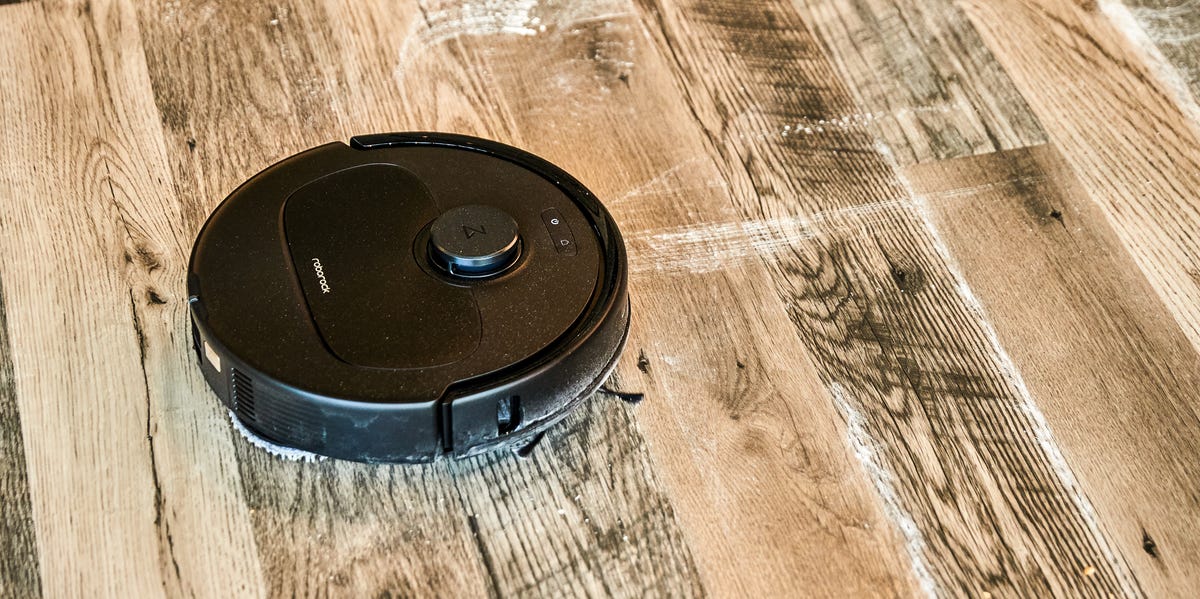
Shopping for a robot vacuum sounds easy until you realize the category has turned into a sci-fi talent show. One model promises “20,000 Pa.” Another says it can mop, map, dodge socks, avoid pet accidents, and probably file your taxes if you ask nicely enough. But here is the truth: the right robot vacuum is not the one with the flashiest ad. It is the one that matches your floors.
If your home is mostly hardwood, you need excellent fine-dust pickup and gentle cleaning. If you have carpet, brush design and carpet boost matter more than braggy marketing. If your home is a mix of tile, rugs, laminate, and pet hair confetti, you need a machine that can switch modes without dragging a wet mop across your favorite rug like a tiny, expensive disaster.
This guide breaks down exactly how to choose the best robot vacuum for your floor type, what features actually matter, and which specs you can stop obsessing over. Because buying a robot vacuum should feel less like decoding a spaceship manual and more like making one smart household upgrade.
Why Floor Type Should Be Your First Filter
Many shoppers start with brand names, price, or whether a robot vacuum empties itself. Those things matter, but your floor type matters more. A robot vacuum that shines on hardwood can be merely average on carpet. A vacuum-mop combo that does a beautiful job on sealed tile may be a poor match for homes with lots of rugs, thick thresholds, or medium-pile carpet.
Think of robot vacuums this way: every model has a comfort zone. Some are specialists at hard floors and stain removal. Others are better at lifting debris from carpet fibers, handling pet hair, or moving room to room without getting stranded at a doorway like a confused hockey puck.
Before you compare models, answer these questions:
- What percentage of your home is hard floor versus carpet?
- Are your rugs low-pile, plush, or shag?
- Do you need mopping, or just vacuuming?
- Do you have pets, long hair, kids, thresholds, cords, or clutter?
- Do you want a hands-off dock, or are you fine doing some maintenance yourself?
Once you know your home’s layout, the robot vacuum category gets much less overwhelming.
A Quick Match Table: What Each Floor Type Needs
| Floor Type | Best Features to Prioritize | Watch Outs |
|---|---|---|
| Hardwood / Engineered Wood | Fine dust pickup, edge cleaning, gentle wheels, reliable mapping, optional light mopping | Over-wetting, poor corner cleaning, bulky robots that miss under furniture |
| Tile / Stone | Strong suction, good debris pickup, mopping performance, stain handling | Weak mops that only smear light dust, poor grout-line cleaning |
| Laminate / Vinyl | Controlled water output, vacuum-only option, smart room settings | Too much water, dragging wet pads over seams or edges |
| Low-Pile Carpet | Carpet boost, strong brush system, decent threshold climbing | Mops that do not lift high enough, hair tangles |
| Medium- or High-Pile Carpet | Dual rubber brushes or strong brushroll, higher real-world carpet cleaning, powerful suction, smart navigation | Robots that bog down, get stuck, or leave embedded debris behind |
| Mixed Floors | Mop lift, carpet detection, multi-floor mapping, threshold handling, obstacle avoidance | Wet rugs, missed rooms, poor transitions between surfaces |
How to Choose for Hardwood and Engineered Wood Floors
Hardwood floors may look forgiving because debris sits on top instead of sinking in, but they expose weak robot vacuums fast. Fine dust, grit, hair, and crumbs show up clearly, especially along baseboards and in corners. On wood, the best robot vacuum is the one that picks up small particles consistently, not just cereal pieces big enough to qualify as a snack.
What matters most on wood floors
Look for strong hard-floor pickup, especially with fine debris like dust, sand, or litter. Edge cleaning also matters because open wood floors tend to collect dust along walls. A low-profile design is helpful if your couch or bed has just enough clearance to tease the robot but not enough to welcome it.
If you also want mopping, choose a combo model with controlled water output and room-specific settings. Sealed hardwood can handle light mopping, but the goal is maintenance cleaning, not turning your floors into a mini indoor lake. Unsealed or damaged wood is another story; in that case, vacuum-only is the safer move.
Good picks for wood-heavy homes often combine precise mapping, reliable navigation, and a mop system that can clean light paw prints or kitchen film without flooding the floor.
How to Choose for Tile and Stone Floors
Tile is where robot vacuum-and-mop combos can really earn their keep. Crumbs, dust, tracked-in dirt, and dried splashes all love tile, especially in kitchens, mudrooms, bathrooms, and entryways. A robot vacuum that can both vacuum and mop can keep these spaces looking civilized between deep cleans.
What matters most on tile
On tile, suction still matters, but mopping quality matters more than many buyers expect. Some robots “mop” by gently dragging a damp cloth behind them. That is fine for light maintenance, but not so impressive when spaghetti sauce, coffee drips, or mystery kitchen speckles enter the chat.
If tile is a big part of your home, look for:
- Spinning or scrubbing mop pads rather than a passive wet cloth
- Automatic mop washing and drying if you want less upkeep
- Smart room controls so you can give the kitchen more water and the hallway less
- Strong navigation around chair legs, table bases, and bathroom obstacles
Stone and textured tile can also benefit from repeated passes and better edge cleaning. If you have deep grout lines, just know that no robot vacuum is replacing a true deep scrub. They are maintenance heroes, not miracle workers.
How to Choose for Laminate and Vinyl Floors
Laminate and vinyl are practical, popular, and generally robot-friendly, but they reward moderation. These floors usually do well with vacuuming and light mopping, yet they do not love excess moisture. So if your home has laminate throughout, the smartest choice is often a vacuum-mop combo with careful water control rather than the most aggressive mop on the market.
What matters most on laminate and vinyl
Look for adjustable water flow, vacuum-only zones, and the ability to customize settings room by room. This lets you use more moisture in the kitchen and less in living areas. A model that can detect carpets and lift its mop is especially helpful if laminate is mixed with rugs.
Translation: you want a robot that understands boundaries. Much like a toddler with markers, it should know where not to make a mess.
How to Choose for Carpet and Rugs
Carpet is where robot vacuums separate into two groups: the ones that genuinely clean carpet and the ones that mostly glide over it with great confidence. If your home has a lot of carpet, do not focus only on suction numbers. Brush design, carpet detection, debris pickup, and real-world testing matter more.
Low-pile carpet
Low-pile carpet is the easiest carpet for most robot vacuums to handle. A good model should increase suction automatically when it crosses onto carpet and maintain enough brush contact to pull up dust, crumbs, and pet hair.
Low-pile rugs also make mop lift important. If you are buying a combo unit, it should either lift the mop high enough or avoid rugs entirely during mopping runs. Otherwise, your robot may politely season your rug with dampness.
Medium- and high-pile carpet
If you have thicker carpet, you need to be pickier. Look for a robot vacuum with stronger carpet pickup, solid threshold climbing, and a brush system that resists tangles. Dual rubber brushes are especially appealing in pet homes because they handle hair better and tend to need less maintenance than traditional bristle-heavy designs.
Also be realistic: even the best robot vacuum is usually better for maintenance cleaning than replacing a full-size upright on thick carpet. If your home is wall-to-wall plush and your dog sheds like it is a competitive sport, a robot vacuum can still help a lot, but it should be part of your strategy, not the entire strategy.
The Best Setup for Mixed-Floor Homes
Mixed-floor homes are where the smartest robot vacuums shine. If your living room has rugs, the kitchen is tile, the bedrooms are wood, and the hallway has that one annoying threshold nobody mentions until moving day, you need a model that adapts on the fly.
The must-have features for mixed floors
- Mop lift or rug avoidance: essential if you want a combo model
- Carpet detection: the robot should recognize floor changes and respond automatically
- Threshold climbing: critical if rooms are separated by sills, tracks, or raised transitions
- Reliable mapping: helps you set room-specific schedules and cleaning rules
- Obstacle avoidance: useful for cords, shoes, toys, and pet surprises
This is also where app quality matters. The app should let you create no-go zones, no-mop zones, custom room settings, and multi-floor maps. A cheap robot with a terrible app is still a terrible robot, just one you can complain about from your phone.
Features That Matter More Than Marketing
1. Real cleaning performance, not just suction numbers
High suction looks impressive on the box, but it is not the whole story. Brush design, airflow, navigation pattern, side brush placement, and how well the robot seals against the floor all affect what actually ends up in the dustbin. Treat suction numbers as one clue, not the entire mystery novel.
2. Brush design
For carpet and pet hair, the brush system matters a lot. Dual rubber brushes or anti-tangle systems are excellent for homes with long hair and shedding pets. If you hate cleaning a tangled roller with tiny scissors and big resentment, prioritize this feature.
3. Mop lift and carpet protection
If you want a vacuum-mop combo and you own even one rug you care about, insist on mop lift or accurate carpet avoidance. This is not a luxury feature anymore. It is basic household diplomacy.
4. Threshold climbing
Measure your tallest threshold before buying. A robot can be amazing on paper and useless in real life if it cannot leave the kitchen. Door tracks, bathroom lips, raised transitions, and thick rug edges can all stop a robot cold.
5. Mapping and navigation
LiDAR-based models often map quickly and move efficiently. Camera-based or hybrid systems may offer better object recognition. In cluttered homes, obstacle avoidance can save you from constant rescues. In open homes, fast mapping and straight cleaning paths may matter more.
6. Dock automation
Self-emptying is wonderful for almost everyone. If you want mopping too, a dock that washes and dries mop pads reduces maintenance and helps prevent odors. But remember: more automation usually means a bigger dock, higher price, and more floor space devoted to your robot’s luxury condo.
Common Buying Mistakes to Avoid
- Buying for price alone and ignoring floor type
- Choosing a mopping model without checking mop lift
- Ignoring threshold height and room transitions
- Assuming every robot vacuum is great for pet hair
- Overvaluing raw suction numbers and undervaluing brush design
- Skipping app reviews and smart controls
- Expecting a robot vacuum to replace every deep-cleaning task
How to Pick the Right Robot Vacuum in 5 Simple Steps
- Identify your dominant floor type. If more than half your home is hardwood or tile, prioritize hard-floor pickup and mopping. If carpet dominates, prioritize brushroll performance and carpet cleaning scores.
- Decide whether you really need mopping. It is great for sealed hard floors, but less important in carpet-heavy homes.
- Measure thresholds and note rug types. This one step prevents a lot of buyer’s remorse.
- Match features to your household. Pets need anti-tangle brushes and strong hair pickup. Busy families benefit from obstacle avoidance and self-empty docks.
- Read performance-based reviews, not just brand claims. Testing on your floor type matters more than general hype.
Final Thoughts
The best robot vacuum for your home is not the one with the fanciest name or the largest number printed on the packaging. It is the one that works with your floors instead of against them. Hardwood homes need excellent dust pickup and controlled mopping. Tile homes benefit from stronger stain handling. Carpeted homes need real brush power and reliable carpet adaptation. Mixed-floor homes need smart transitions, threshold climbing, and rug-friendly mopping behavior.
Start with your surfaces, then your household habits, then your must-have features. Do that, and you will end up with a robot vacuum that actually saves time instead of creating a new hobby called “watching a machine get stuck under a chair.”
Real-World Experiences: What People Usually Learn After Living With a Robot Vacuum
One of the most useful things about choosing a robot vacuum by floor type is that it lines up with what people tend to experience after the honeymoon period. In the first week, almost every robot vacuum feels impressive. It maps the house, glides around furniture, and makes you feel like you are living in the future. By week three, the real test begins. That is when owners start noticing whether it actually fits the home.
People with mostly hardwood often say the biggest surprise is how much fine dust shows up in the dustbin every day. Even homes that look clean can collect a shocking amount of powdery debris, hair, and crumbs along the edges of rooms. In these homes, owners tend to be happiest with robots that run frequently, clean methodically, and reach under furniture well. They usually care less about maximum suction and more about consistency. A robot that quietly removes dust every morning often feels more valuable than one with huge power claims but messy navigation.
Tile-floor households usually talk about kitchens first. That is where the difference between a basic robot vacuum and a good vacuum-mop combo becomes obvious. Dry debris is easy. Sticky spots, sauce splashes, and footprints are harder. Owners who bought a combo with effective mopping often say it reduced how often they had to pull out a full mop. Owners who bought a weak mopping system usually describe it as “fine for light maintenance,” which is a polite way of saying it does not do much when life gets interesting.
Carpeted homes tell a different story. The happiest owners are usually the ones who understood that robot vacuums are maintenance tools, not magic wands. On low-pile carpet, a strong model can keep things looking noticeably cleaner day to day. On thicker carpet, people are most satisfied when they still use a full-size vacuum occasionally for deeper cleaning. Pet owners especially learn to value brush design over flashy claims. A vacuum that resists tangles and handles fur well is worth its weight in household peace.
Mixed-floor households often become obsessed with two things: transitions and mops. They quickly notice whether the robot crosses thresholds smoothly, whether it gets stuck on rug edges, and whether it keeps rugs dry. A model with accurate carpet detection and mop lift usually earns lasting praise because it removes the need to babysit. That is the dream, after all. Nobody buys a robot vacuum hoping to follow it around like a nervous stage manager.
Another common experience is that app quality matters more over time than it does on day one. At first, many apps seem similar. Later, owners start caring about room naming, targeted cleaning, custom schedules, no-go zones, and multi-floor maps. The better the app, the easier it is to adapt the robot to real life. And real life is messy. Furniture moves. Holiday decorations appear. Someone leaves charging cables where no charging cable should ever be left.
The bottom line from real-world use is simple: the right robot vacuum feels less dramatic over time, not more. It does its job quietly, handles the surfaces you actually have, and asks for very little attention. That is how you know you picked well.