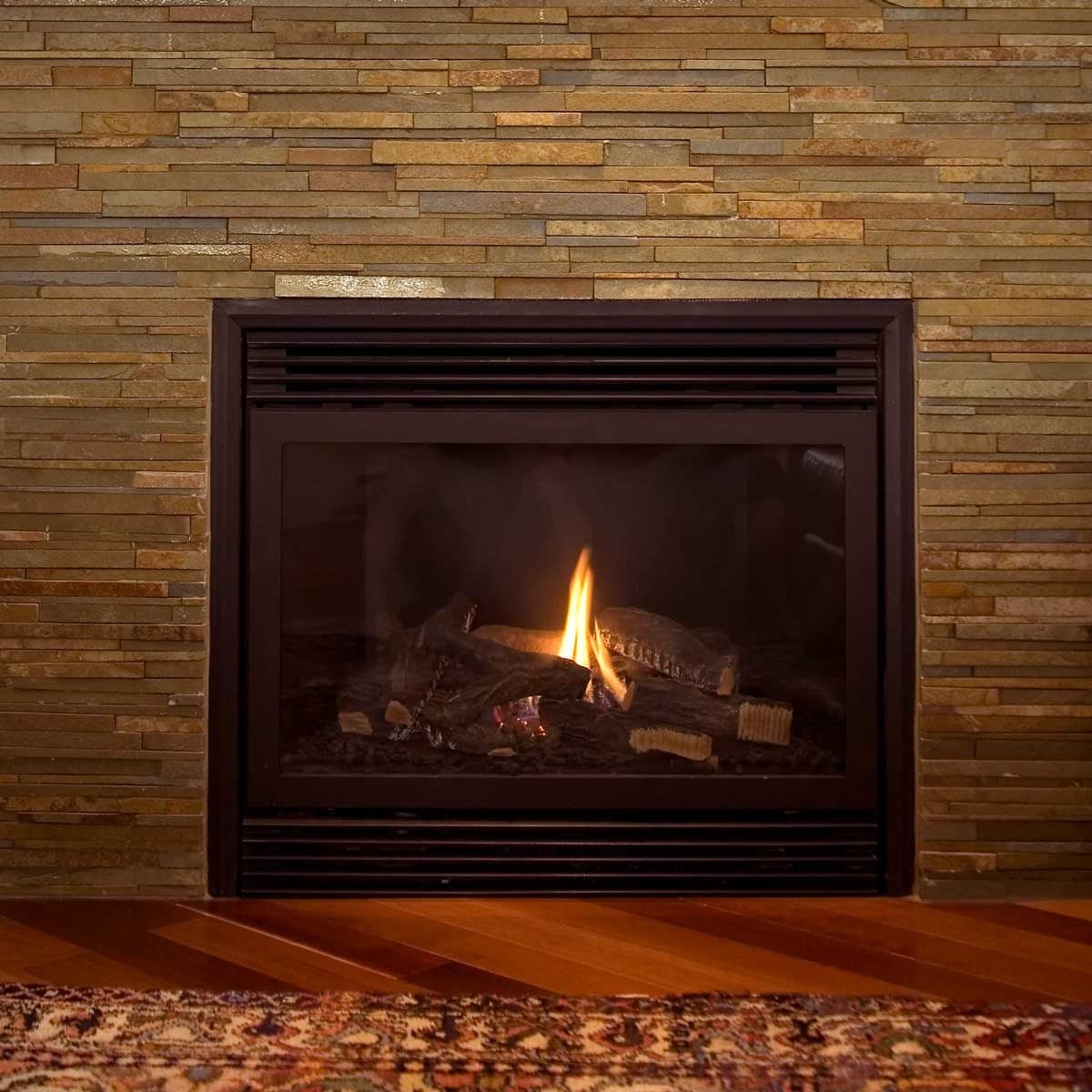
Gas fireplaces have become the “I want cozy, but I do not want to chop wood in the rain” solution for modern homes. They deliver real flames, steady heat, easy controls, and a lot less mess than a traditional wood-burning fireplace. No ash bucket. No smoky sweater. No dramatic newspaper-kindling ritual that makes you feel like you are auditioning for a frontier documentary.
Still, choosing the right gas fireplace is not as simple as pointing at a pretty flame and saying, “That one looks warm.” Gas fireplaces come in different venting systems, installation styles, shapes, and heat outputs. Some fit inside an existing masonry fireplace. Some are built into a new wall. Some are freestanding like a classic stove. Others stretch across the wall like a modern ribbon of fire.
This guide breaks down the top gas fireplace types, explains where each one works best, and helps you compare comfort, safety, installation needs, and design style before you buy.
What Is a Gas Fireplace?
A gas fireplace is a heating appliance that burns natural gas or propane to create flame, warmth, and ambiance. Instead of wood logs, most gas fireplaces use ceramic logs, fire glass, stones, or modern burner media. Many models turn on with a wall switch, remote control, thermostat, or smart control system.
The biggest advantage is convenience. A gas fireplace can warm a living room in minutes and shut off instantly when you are done. It can also reduce the hassle of hauling wood, cleaning ash, and dealing with smoke. However, because it burns fuel, proper sizing, installation, venting, and carbon monoxide safety are essential.
How to Choose the Right Gas Fireplace Type
Before comparing the eight main types, think about four practical questions: Do you already have a fireplace? Do you need real heat or mainly visual ambiance? Can your home support venting? And where do you want the fireplace to live?
Venting Comes First
Gas fireplaces are commonly grouped by venting method: direct-vent, B-vent, and ventless. Venting affects installation cost, indoor air quality, heating efficiency, and where the unit can be placed. Direct-vent models are popular because they pull combustion air from outdoors and send exhaust outdoors through a sealed system. Ventless models offer flexible installation but require careful attention to local codes, room size, ventilation, and safety devices.
Installation Style Matters
A gas fireplace insert is designed to slide into an existing fireplace. A built-in gas fireplace becomes part of a wall or framed structure. A freestanding gas stove sits on the floor and often brings a more traditional look. Outdoor gas fireplaces are engineered for patios, covered terraces, and open-air living spaces.
BTU Output Should Match the Room
BTU output tells you how much heat the fireplace can produce. Bigger is not always better. A fireplace that is too powerful for a small room can make the space uncomfortable, while an undersized model may look beautiful but heat like a polite candle. Always match the fireplace to the room size, insulation level, ceiling height, and climate.
1. Direct-Vent Gas Fireplaces
A direct-vent gas fireplace is one of the most popular choices for modern homes. It uses a sealed combustion system, usually with a pipe-within-a-pipe design. One channel brings in outdoor air for the fire, while the other sends exhaust gases outside.
This setup makes direct-vent fireplaces efficient and safer for indoor air because the combustion process is separated from the room. They can vent horizontally through an exterior wall or vertically through the roof, giving homeowners more placement options than a traditional chimney-dependent fireplace.
Best For
Direct-vent fireplaces are ideal for living rooms, bedrooms, basements, additions, and homes without a traditional masonry chimney. They work especially well when you want reliable heat, real flames, and strong safety performance.
Pros
Direct-vent models are efficient, attractive, and widely available in traditional, transitional, and modern designs. They do not use indoor air for combustion, and many models have sealed glass fronts, adjustable flame height, blowers, and thermostat controls.
Cons
They usually cost more to install than ventless units because they require vent pipe, framing, professional gas-line work, and careful clearances. The sealed glass can also become very hot, so households with children or pets should use safety screens and follow manufacturer instructions.
2. B-Vent Gas Fireplaces
B-vent gas fireplaces, also called natural-vent gas fireplaces, use indoor air for combustion and vent exhaust upward through a vertical pipe or chimney system. They rely on natural draft, meaning warm exhaust rises and exits through the vent.
These fireplaces often produce tall, attractive flames and a more open-fire look than sealed direct-vent units. However, they are typically less efficient because some heated indoor air escapes with the exhaust.
Best For
B-vent fireplaces are best for homeowners who value flame appearance and already have a suitable vertical venting path. They are often chosen for decorative effect rather than serious zone heating.
Pros
The flame presentation can be beautiful, and the installation may make sense in homes that already have vertical venting. They can create a classic fireplace atmosphere without burning wood.
Cons
B-vent units are generally not as heat-efficient as direct-vent models. They also need proper draft conditions and professional installation to prevent exhaust problems. If your goal is maximum heat for your fuel dollar, a B-vent fireplace is usually not the top performer.
3. Ventless Gas Fireplaces
Ventless gas fireplaces, also called vent-free fireplaces, do not use a chimney or exterior vent. Instead, they burn gas very efficiently and release heat directly into the room. That makes them flexible and often less expensive to install.
Because there is no vent, almost all the heat stays indoors. That sounds wonderful until you remember that combustion also creates moisture and trace byproducts. Modern ventless units include oxygen depletion sensors and other safety features, but they are not allowed everywhere. Some states, cities, and building codes restrict or prohibit them.
Best For
Ventless fireplaces can work for supplemental heat in permitted areas, especially where exterior venting is difficult. They are often used in rooms where homeowners want easy installation and occasional ambiance.
Pros
They are usually more affordable to install, highly heat-efficient, and flexible in placement. Since no chimney or vent is required, they can fit into spaces where a vented fireplace would be impractical.
Cons
Ventless fireplaces require careful use. They should be sized correctly, operated according to the manufacturer’s time limits, and paired with working carbon monoxide alarms. They may not be the best choice for tightly sealed homes, people with respiratory sensitivities, or anyone who wants a primary heat source.
4. Gas Fireplace Inserts
A gas fireplace insert is designed to fit inside an existing masonry or prefab fireplace opening. If your old wood-burning fireplace looks charming but performs like a decorative hole in the wall, an insert can turn it into a cleaner, warmer, easier-to-use feature.
Gas inserts are commonly available in direct-vent and ventless models. Direct-vent inserts usually use liners that run through the existing chimney, one for intake and one for exhaust. This allows homeowners to keep the traditional fireplace location while upgrading performance.
Best For
Gas inserts are best for homeowners who already have a fireplace and want more heat, less maintenance, and better control. They are especially useful when a wood fireplace is drafty, smoky, or rarely used because it is too much work.
Pros
Inserts can dramatically improve convenience and heating performance. Many include realistic log sets, blowers, remotes, thermostats, and decorative fronts. They also preserve the architectural value of an existing fireplace.
Cons
The existing fireplace must be measured carefully, and installation should be handled by a qualified professional. Depending on the chimney condition, liner requirements, and gas-line access, the total project cost can rise quickly.
5. Built-In or Zero-Clearance Gas Fireplaces
A built-in gas fireplace is installed into a framed wall, chase, or custom surround. Many are zero-clearance models, meaning they are engineered with insulation and clearances that allow installation close to approved combustible framing materials.
This is the fireplace type designers love because it can be planned into almost any style. Want stacked stone and a rustic mantel? Done. Want a minimalist wall with a television above it? Possible with the right heat-management system. Want a dramatic floor-to-ceiling feature wall? Your contractor may sigh, but yes, that is the general idea.
Best For
Built-in gas fireplaces are ideal for new construction, major remodels, room additions, and homeowners who want a permanent focal point. They are also a strong choice when no existing fireplace is available.
Pros
They offer the most design flexibility. You can choose traditional logs, modern fire glass, linear shapes, clean-face fronts, stone surrounds, tile walls, or custom millwork. Direct-vent built-ins can also provide dependable supplemental heat.
Cons
Built-ins require planning. Framing, vent routing, gas-line installation, electrical access, clearances, finish materials, permits, and inspections may all be involved. They are usually not a casual weekend project unless your weekends include licensed tradespeople and a very patient building inspector.
6. Gas Log Sets
Gas log sets are burners with decorative ceramic logs placed inside an existing fireplace. They are one of the simplest ways to convert a wood-burning fireplace to gas. Instead of building a full insert into the opening, the log set sits inside the firebox and creates the look of burning logs.
There are vented and ventless gas log sets. Vented logs usually need the chimney damper open while operating, so they create a realistic flame but send much of the heat up the chimney. Ventless logs keep more heat indoors but come with the same code and air-quality considerations as other ventless appliances.
Best For
Gas log sets are best for homeowners who want fireplace ambiance at a lower cost and already have a suitable fireplace. They are great for occasional use, especially when the main goal is atmosphere rather than serious heating.
Pros
They are relatively affordable, visually convincing, and easier to install than a full insert. Vented log sets can produce a beautiful, natural-looking flame pattern.
Cons
They are not the most efficient heating option. A vented log set may look wonderful but lose a lot of heat through the chimney. If you want the fireplace to help warm the room, a direct-vent insert is often a better investment.
7. Freestanding Gas Stoves
A freestanding gas stove looks like a traditional wood stove but burns natural gas or propane. It sits on the floor and usually vents through a wall, ceiling, or existing chimney depending on the model.
This type of gas fireplace has a cozy, old-house charm. It works well in cabins, cottages, basements, sunrooms, and family rooms where a built-in wall fireplace would feel too formal. It is the fireplace equivalent of a wool blanket: practical, warm, and quietly confident.
Best For
Freestanding gas stoves are ideal for spaces that need supplemental heat without a major wall remodel. They also suit traditional, farmhouse, rustic, and craftsman-style interiors.
Pros
They offer flexible placement, strong heat output, and classic style. Many models have glass doors on multiple sides, giving a generous view of the flame. Installation can be simpler than a built-in fireplace if venting and gas access are convenient.
Cons
They take up floor space and may not match ultra-modern interiors. Clearances still matter, and the venting route must be planned carefully. As with all gas appliances, professional installation is strongly recommended.
8. Outdoor Gas Fireplaces
Outdoor gas fireplaces are designed for patios, decks, courtyards, pool areas, and covered outdoor living spaces. They may be built into a wall, installed as a linear fireplace, or designed as a see-through feature between two outdoor zones.
Unlike indoor models, outdoor gas fireplaces must handle weather exposure. Stainless steel components, drainage planning, wind resistance, and manufacturer-approved installation locations all matter. A fireplace that looks gorgeous indoors may not survive outdoors unless it is specifically rated for that job.
Best For
Outdoor gas fireplaces are best for homeowners who entertain outside, want a resort-style patio, or need a cleaner alternative to a wood fire pit. They are popular in outdoor kitchens, lounge areas, and covered terraces.
Pros
They add atmosphere, extend patio season, and avoid the smoke and sparks of a wood fire. Many modern models use linear burners, fire glass, and stainless-steel finishes for a sleek architectural look.
Cons
Outdoor fireplaces still require gas-line planning, safe clearances, and weather-appropriate installation. Wind can affect flame performance, and local codes may limit placement near property lines, openings, or combustible structures.
Design Variations Worth Knowing
Linear Gas Fireplaces
Linear gas fireplaces are long, low, and modern. They often use ribbon-style flames, fire glass, stones, or contemporary media instead of traditional logs. They are popular in open-concept living rooms, luxury bedrooms, restaurants, and sleek outdoor patios.
See-Through Gas Fireplaces
See-through or double-sided gas fireplaces allow the flame to be viewed from two spaces. They can divide a living room and dining room, connect a bedroom and bathroom, or bridge indoor and outdoor areas. They are dramatic, but they require careful planning for framing, heat movement, privacy, and furniture placement.
Corner and Peninsula Gas Fireplaces
Corner and peninsula units expose the flame from two or three sides. They work well in open layouts where a standard flat-wall fireplace would disappear. Think of them as the fireplace version of a stage performer: they want to be seen from multiple angles.
Safety Tips for Any Gas Fireplace
Every gas fireplace should be installed according to the manufacturer’s instructions and local building codes. Hire qualified professionals for gas-line work, venting, and final setup. A beautiful fireplace is not a place to freestyle with tools and optimism.
Install carbon monoxide alarms on every level of the home and near sleeping areas. Test them regularly and replace them according to the manufacturer’s schedule. Keep furniture, curtains, toys, paper, and holiday decorations away from the fireplace. If the glass front gets hot, use the safety barrier screen provided with the unit.
Schedule annual service to check burners, ignition, seals, fans, venting, logs, glass, and safety controls. If flames change color dramatically, soot appears, odors develop, or alarms sound, shut off the fireplace and call a professional.
Which Gas Fireplace Type Is Best?
The best gas fireplace depends on your home and your goal. For efficient indoor heat and broad design flexibility, a direct-vent built-in fireplace is often the strongest all-around choice. For upgrading an existing fireplace, a direct-vent insert is usually the most practical. For low-cost ambiance, gas logs may be enough. For patios, choose an outdoor-rated gas fireplace. For modern drama, look at linear or see-through models.
If you are unsure, start with venting. Once you know what your home can safely support, the options become much easier to compare.
Real-World Experiences: What Homeowners Learn After Living With Gas Fireplaces
One of the most common homeowner experiences with gas fireplaces is the surprise of how often they actually use them. Many people imagine a fireplace as a special-occasion feature: Thanksgiving, snow days, movie nights, and the one evening each winter when everyone agrees to wear matching socks. But because gas fireplaces are so easy to turn on, they often become part of daily life.
In a family room, a direct-vent fireplace can become the favorite morning spot. People turn it on while drinking coffee, reading the news, or convincing themselves that checking email under a blanket counts as productivity. The instant control is the big win. With wood, you build the fire, tend the fire, clean the fire, and then smell faintly like a campsite. With gas, you press a button and the room changes mood in seconds.
Homeowners with old masonry fireplaces often report that inserts make the biggest practical difference. A drafty wood fireplace may look charming but pull warm indoor air up the chimney. After installing a direct-vent insert, the same fireplace opening can produce steadier heat and become much easier to use. The living room finally feels warm instead of “historically authentic but chilly.”
Ventless fireplaces create more mixed experiences. Some homeowners love the lower installation cost and flexible placement. Others notice added humidity, have concerns about indoor air quality, or discover that local rules limit where and how the unit can be used. The lesson is clear: ventless models should never be impulse buys. They need correct sizing, careful operation, working carbon monoxide alarms, and a serious conversation with a local professional.
Outdoor gas fireplaces often become social magnets. Guests naturally gather around the flame, even when the weather is only mildly cool. The experience is less about heating the entire outdoors, which is impossible unless you have negotiated with physics, and more about creating a comfortable zone. A linear outdoor fireplace can make a patio feel like a hotel lounge, especially when paired with deep seating, good lighting, and wind-aware placement.
Freestanding gas stoves tend to win over people who like traditional design. They feel substantial, cozy, and slightly nostalgic, but without the woodpile. They are especially appreciated in sunrooms, cabins, and basement family rooms where a built-in fireplace would require too much remodeling.
The biggest regret homeowners mention is not planning the whole wall. A fireplace affects television height, mantel depth, furniture spacing, outlet placement, tile selection, and traffic flow. A beautiful fireplace installed too high, too low, or too close to a TV can become a daily annoyance. Before installation, tape the dimensions on the wall, sit in the room, and imagine real life: watching TV, walking around furniture, opening doors, and decorating for the holidays.
The best experiences usually come from matching the fireplace to the way the room is actually used. A formal living room may need elegance more than heat. A basement may need serious warmth. A patio may need weather resistance. A bedroom may need quiet operation and gentle flame control. Choose for your life, not just the showroom photo.
Conclusion
Gas fireplaces offer a practical mix of comfort, style, and convenience. The eight major typesdirect-vent, B-vent, ventless, inserts, built-ins, log sets, freestanding stoves, and outdoor gas fireplaceseach solve a different problem. Some are built for heating performance. Some are designed for visual impact. Some help revive an old fireplace. Others create an outdoor gathering place that makes guests mysteriously forget to leave.
For most homeowners, the smartest path is to decide where the fireplace will go, confirm what venting is possible, compare heat needs, and then choose the design. With proper installation, good maintenance, and carbon monoxide safety, a gas fireplace can become one of the most loved features in the home: warm, beautiful, and blissfully free of ash cleanup.