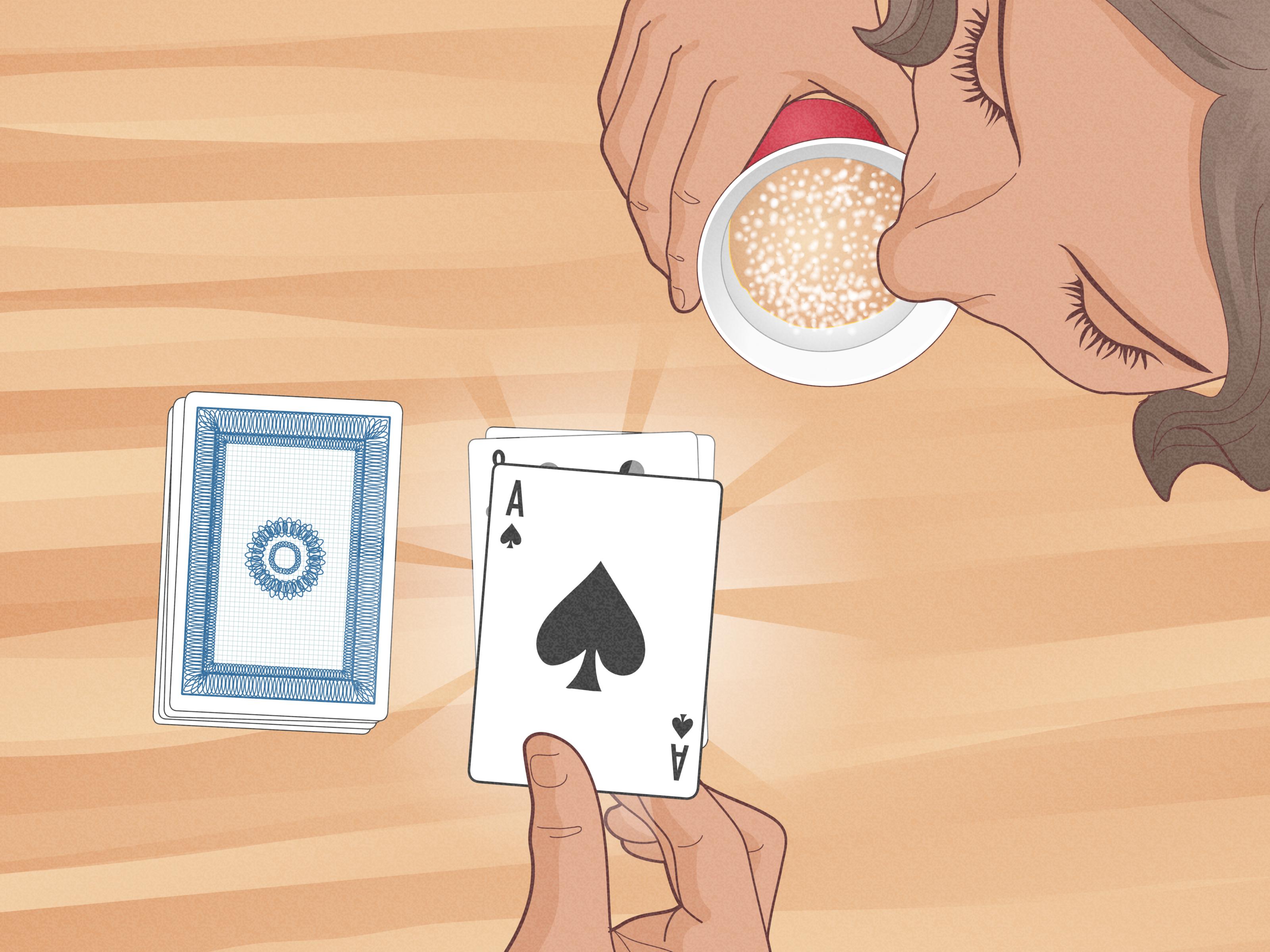
Some parties need a DJ. Some need a suspiciously large bowl of chips. And some only need one humble deck of cards to turn a quiet living room into a laughing, rule-making, “Wait, whose turn is it?” kind of night. That is the magic of card drinking games: they are cheap, portable, easy to learn, and flexible enough for two friends, a dinner party, or a full-blown house gathering.
This guide covers more than 30 fun card drinking games for any group size, from classic chaos like King’s Cup and Ride the Bus to quick, low-prep games like Higher or Lower, Screw Your Neighbor, and Red or Black. You will also find tips for pacing, adapting games for small or large groups, and keeping the night fun without turning it into a cautionary tale told by your group chat the next morning.
Before the cards come out, remember the golden rule: drinking games should be optional, social, and safe. Use small sips, offer nonalcoholic drinks, let people pass without pressure, and never let anyone drive after drinking. The best party is the one everyone remembers for the jokes, not the emergency logistics.
Why Card Drinking Games Work for Almost Any Party
Card drinking games are popular because they solve three classic party problems at once: they give people something to do, they create easy conversation, and they require almost no equipment. A standard 52-card deck can become a strategy game, a bluffing game, a memory test, a dare generator, or a social icebreaker.
They also scale beautifully. If you have two or three people, you can play prediction games like Higher or Lower. If you have six to twelve people, group games like King’s Cup, Pyramid, and President keep everyone involved. If you have a giant crowd, you can split into tables, rotate winners, or run mini-tournaments. In other words, one deck of cards can do more social work than a playlist titled “Party Vibes 2014.”
Quick Safety Rules Before You Play
Set Sip-Based Penalties
Use sips instead of shots. A “drink” in these games should usually mean one small sip, not an entire glass. This keeps the game playable longer and helps everyone stay comfortable.
Make Passing Normal
Players should be able to skip a drinking penalty, switch to water, or take a silly alternative penalty such as doing a dance move, telling a joke, or drawing a card with their non-dominant hand.
Decide House Rules First
Many drinking card games have regional variations. Before you begin, agree on what each card means, how much a penalty is, and when the game ends. Five minutes of rule-setting can prevent 45 minutes of “That’s not how we played it in college.”
Best Card Drinking Games for 2 Players
1. Higher or Lower
One player flips a card. The next player guesses whether the following card will be higher or lower. Guess wrong, take a sip. Guess right, pass the turn. Aces can be high or low, but decide before starting. This is one of the easiest drinking games with cards because it takes about twelve seconds to learn.
2. Red or Black
Guess the color of the next card. If you are wrong, sip. If you are right, your opponent sips. To make it more interesting, require two correct guesses in a row before passing the deck.
3. Suit Guess
Guess the suit of the next card: hearts, diamonds, clubs, or spades. A correct guess lets you assign two sips. A wrong guess means you take one. It is simple, quick, and surprisingly dramatic when someone confidently says “clubs” for the fifth time and is betrayed again.
4. War With Sips
Play the classic card game War. Each player flips one card, and the lower card takes a sip. Ties trigger “war,” where each player places three cards face down and one card face up. The loser takes extra sips based on the number of cards involved.
5. Blackjack Sips
Play casual blackjack against a dealer. If you bust, sip. If the dealer beats you, sip. If you hit 21, assign a sip. Keep the stakes light and the pace friendly.
Best Card Drinking Games for 3–5 Players
6. Screw Your Neighbor
Each player gets one card and tries not to end the round with the lowest card. On your turn, you may keep your card or swap with the player next to you. Kings are usually safe because they can block a swap. After everyone acts, reveal cards. The lowest card takes a sip.
7. F the Dealer
The dealer holds the deck and asks a player to guess the value of the top card. After a wrong guess, the dealer says whether the card is higher or lower. If the player misses again, they drink based on how far away the guess was. If they guess correctly, the dealer drinks and eventually passes the deck after a set number of wins.
8. In-Between
Deal two cards face up. The player bets whether the next card will fall between those two values. If it does, they assign sips. If it does not, they drink. If the next card matches one of the boundary cards, add a bigger penalty.
9. Across the Bridge
Lay ten cards face down in a line. Players cross the bridge by flipping one card at a time. Number cards are safe. Face cards trigger penalties and usually add more cards to the bridge. The goal is to reach the end without the bridge turning into a never-ending cardboard toll road.
10. Dealer’s Choice
Each round, the dealer makes a simple rule before flipping a card. For example: red cards mean the dealer drinks, black cards mean the group drinks, face cards create a dare, and aces reverse direction. After one full round, the next player becomes dealer.
11. Lucky Seven
Players take turns flipping cards and counting upward from one. Any time a seven appears, a multiple of seven is reached, or a number with seven in it is called, the player must say a chosen word instead of the number. Mistakes mean sips.
12. Quick Draw
Two players flip cards at the same time. Highest card wins and assigns a sip. Matching colors double the penalty. Matching ranks make everyone at the table take a sip. It is fast, loud, and best played with a designated card collector unless you enjoy finding the seven of clubs under the couch in August.
Best Card Drinking Games for 6–10 Players
13. King’s Cup
Place a cup in the center and spread the deck around it in a circle. Players draw cards one at a time, and each card value has a rule. A common setup is: two means “you,” three means “me,” four means “floor,” five means “guys,” six means “chicks,” seven means “heaven,” eight means “mate,” nine means “rhyme,” ten means “categories,” jack means “make a rule,” queen means “question master,” king adds to the cup, and ace starts waterfall.
14. Ring of Fire
Ring of Fire is a close cousin of King’s Cup. Cards are arranged around a center drink or cup, and drawing a card triggers the matching rule. Some groups play that breaking the card circle causes a penalty. Others slide cards under a can tab until it pops. Choose the safer version and keep penalties modest.
15. Ride the Bus
Ride the Bus usually starts with prediction rounds: red or black, higher or lower, inside or outside, and suit. Wrong guesses mean sips. Then players use their cards in a pyramid round. The person with the most cards left may have to “ride the bus,” guessing through a final sequence of cards.
16. Pyramid
Deal a pyramid of face-down cards on the table, then give each player a hand of cards. Flip pyramid cards row by row. If a player has a matching card, they can assign drinks. Higher rows are worth more. Bluffing is allowed in some versions, which turns the game into poker’s mischievous cousin.
17. Beeramid
Beeramid is a pyramid variation where the bottom row has the lowest drink value and the top row has the highest. Players claim matching cards from their hands to assign sips. If bluffing is allowed, another player can challenge. A failed bluff usually means the bluffer drinks; a failed challenge means the challenger drinks.
18. President
President, also known by less polite names, is a shedding card game where players race to get rid of all their cards. The first player out becomes President in the next round, while the last player gets the least glamorous title. Drinking rules can be added for passing, losing a round, failing to beat the previous play, or ending in last place.
19. Categories
Draw a card to choose the category leader. That player names a category such as “pizza toppings,” “famous athletes,” or “things you should not text your ex.” Players go around naming items in that category. Repeats, long pauses, or wrong answers mean a sip.
20. Questions
Players may only speak in questions. If someone answers normally, hesitates too long, or repeats a question, they drink. Use cards to choose the starting player or topic. It sounds easy until someone asks, “Why are you looking at me like that?” and chaos blooms.
21. Thumb Master
Assign one card, often a five, as Thumb Master. Whoever draws it can secretly place their thumb on the table at any time. Everyone else must copy. The last person to notice drinks. This game is especially funny when people become suspicious of every hand movement in the room.
22. Rhyme Time
When a player draws the chosen rhyme card, they say a word. Each player must say a rhyming word. No repeats, no invented nonsense unless your group votes that “orange-door hinge” is acceptable. The first player to fail takes a sip.
Best Card Drinking Games for Large Groups
23. Circle of Death
Circle of Death is ideal for large groups because it keeps turns moving and lets people jump in quickly. Like King’s Cup, each card has a rule, but you can customize the deck for your crowd. For big groups, use shorter penalties and more social prompts so nobody waits ten minutes to participate.
24. Waterfall
Waterfall is often part of King’s Cup, but it can stand alone. Draw cards to choose a leader, then everyone starts sipping. Nobody may stop until the person before them stops. For safety, make this a symbolic mini-waterfall with tiny sips, not a marathon.
25. Never Have I Ever With Cards
Use cards to determine who gives the prompt. Red cards mean a light prompt, black cards mean a spicy prompt, face cards mean the group can ask a follow-up question. Anyone who has done the thing takes a sip. Keep prompts funny rather than cruel.
26. Most Likely To
Draw a card, then read a “most likely to” prompt. Everyone points to the person they think fits the statement. The person with the most votes drinks. Examples include “most likely to become famous by accident” or “most likely to bring snacks to a bank robbery.”
27. Card Charades
Assign each suit a charades category: hearts for romance, diamonds for celebrities, clubs for actions, and spades for movies. Draw a card and act out something from that category. If your team guesses, assign sips. If not, your team drinks.
28. Rule Builder
Every face card creates a new rule. For example, players cannot say first names, cannot point, or must salute before drinking. Anyone who breaks a rule drinks. The game gets funnier as rules stack up and everyone forgets whether clapping is illegal.
29. Suit Teams
Divide players into four teams by suit. Flip cards from the deck. When your suit appears, your team gives out a sip. When a face card from your suit appears, your team must complete a challenge, such as naming five songs with colors in the title.
30. Kings Tournament
For a large party, split players into multiple King’s Cup tables. Winners rotate clockwise after each round, while rule cards stay with the table. By the end, every table has its own strange constitution, and nobody knows why saying “nice” requires jazz hands.
31. Speed Categories
Flip a card. The suit determines the category, and the value determines how many seconds players have to answer. Hearts might be food, diamonds might be celebrities, clubs might be places, and spades might be songs. Miss your answer and take a sip.
32. Memory Chain
Draw a card and add one item to a growing list. The next player repeats the list and adds another item. If someone forgets the chain, they drink. Use themes like “things at a terrible wedding” or “items in a wizard’s backpack.”
33. Social Suit Rules
Each suit has a group action. Hearts mean compliment someone, diamonds mean assign a sip, clubs mean start a category, and spades mean answer a question. This is a friendly option for mixed groups because it balances drinking with conversation.
34. Card Dare Draw
Assign dares to certain cards before the game starts. Keep them harmless and funny: speak in an accent for one round, perform a dramatic toast, or explain your last text like it is a courtroom exhibit. If a player refuses a dare, they take a sip or choose a non-drinking alternative.
How to Choose the Right Game for Your Group Size
For 2–3 Players
Choose fast games with constant turns, such as Higher or Lower, Red or Black, Blackjack Sips, or War With Sips. Avoid games with long waiting periods because small groups need momentum.
For 4–6 Players
Try Screw Your Neighbor, F the Dealer, Across the Bridge, or Pyramid. These games create enough suspense without requiring a crowd.
For 7–12 Players
King’s Cup, Ride the Bus, President, and Circle of Death work well because they combine turns, group rules, and social interaction.
For 12+ Players
Use team games, tournament formats, or multiple decks. Large groups need simple rules, short turns, and flexible participation. The bigger the party, the more important it is to avoid complicated scoring systems.
Tips for Making Card Drinking Games More Fun
Use a Rule Card
Write the rules on a phone note, whiteboard, or piece of paper. This prevents arguments and saves newcomers from asking what a seven does every two minutes.
Add Non-Drinking Options
Good alternatives include drinking water, doing a silly challenge, answering a question, or giving someone else a compliment. This keeps the game inclusive for sober friends, designated drivers, and people who simply do not feel like drinking more.
Keep Rounds Short
A great drinking game should end before people get bored. Fifteen to thirty minutes is often ideal. After that, switch games, take a snack break, or let the deck retire with dignity.
Match the Game to the Mood
If the group is quiet, choose icebreakers like Most Likely To or Never Have I Ever. If the group is competitive, play President or Pyramid. If everyone is already loud, King’s Cup will not calm them down, but it will give the chaos a schedule.
of Real-World Experience: What Makes These Games Actually Work
The best experiences with card drinking games usually come from the same ingredients: simple rules, a relaxed group, and a host who knows when to slow things down. A deck of cards can start the party, but the people around the table make it memorable. The funniest moments are rarely about the drinking itself. They are about the ridiculous house rule someone creates, the friend who becomes wildly overconfident at Higher or Lower, or the group discovering that nobody can name more than three types of soup under pressure.
One useful lesson is that the first game should always be easy. If guests are still arriving, music is playing, and someone is trying to locate the bottle opener, do not open with a complicated Pyramid variation involving bluffing, multipliers, and a penalty chart that looks like tax paperwork. Start with Red or Black, Suit Guess, or a light version of King’s Cup. Once everyone understands the rhythm, you can move into more strategic games like President or Beeramid.
Another experience-based tip: create funny rules, not mean rules. Drinking games go downhill when penalties embarrass people or put them on the spot in uncomfortable ways. A rule like “you must refer to Alex as Captain Snackbeard for one round” is funny. A rule that pressures someone to reveal personal information is not. The best party rules create shared laughter without making anyone feel targeted.
Group size changes everything. With four people, every turn matters, so prediction games feel exciting. With ten people, the best games are more social because players need something to do while waiting. That is why King’s Cup remains a classic: even when it is not your turn, you are watching for thumb master, listening for banned words, or waiting for someone to break a rule. Large groups need involvement between turns, not just card flipping.
Pacing also matters more than most people think. A host can quietly keep the night enjoyable by placing water on the table, serving food, and suggesting breaks between rounds. Pretzels, pizza, tacos, chips, and fruit trays are not just snacks; they are party infrastructure. Nobody has ever said, “This gathering had too much hydration and too many nachos.”
Finally, the best card drinking games are the ones your group personalizes. Maybe your friends replace “categories” with “bad movie titles.” Maybe every queen means the player must ask questions in a dramatic detective voice. Maybe the loser of President has to wear a paper crown labeled “Assistant to the Regional President.” These tiny traditions are what turn ordinary drinking card games into stories people bring up months later.
So keep the deck nearby, keep the rules flexible, and keep the mood friendly. The cards provide structure, but the real goal is connection: laughing together, learning who has terrible poker instincts, and discovering that your quietest friend may be an absolute menace when given the power to make a rule.
Conclusion
Card drinking games are the ultimate low-cost party upgrade. With one deck, you can entertain two people, ten people, or a whole room full of guests who claim they “only came for a little while” and are still there three hours later. From King’s Cup and Ride the Bus to Screw Your Neighbor, Pyramid, President, and quick guessing games, there is a card-based drinking game for every group size and energy level.
The key is to keep the rules clear, the penalties light, and the atmosphere welcoming. Add water, snacks, non-drinking alternatives, and a strong no-pressure policy. Do that, and your card drinking games will deliver exactly what they should: laughter, friendly competition, and a party story that does not require an apology tour.