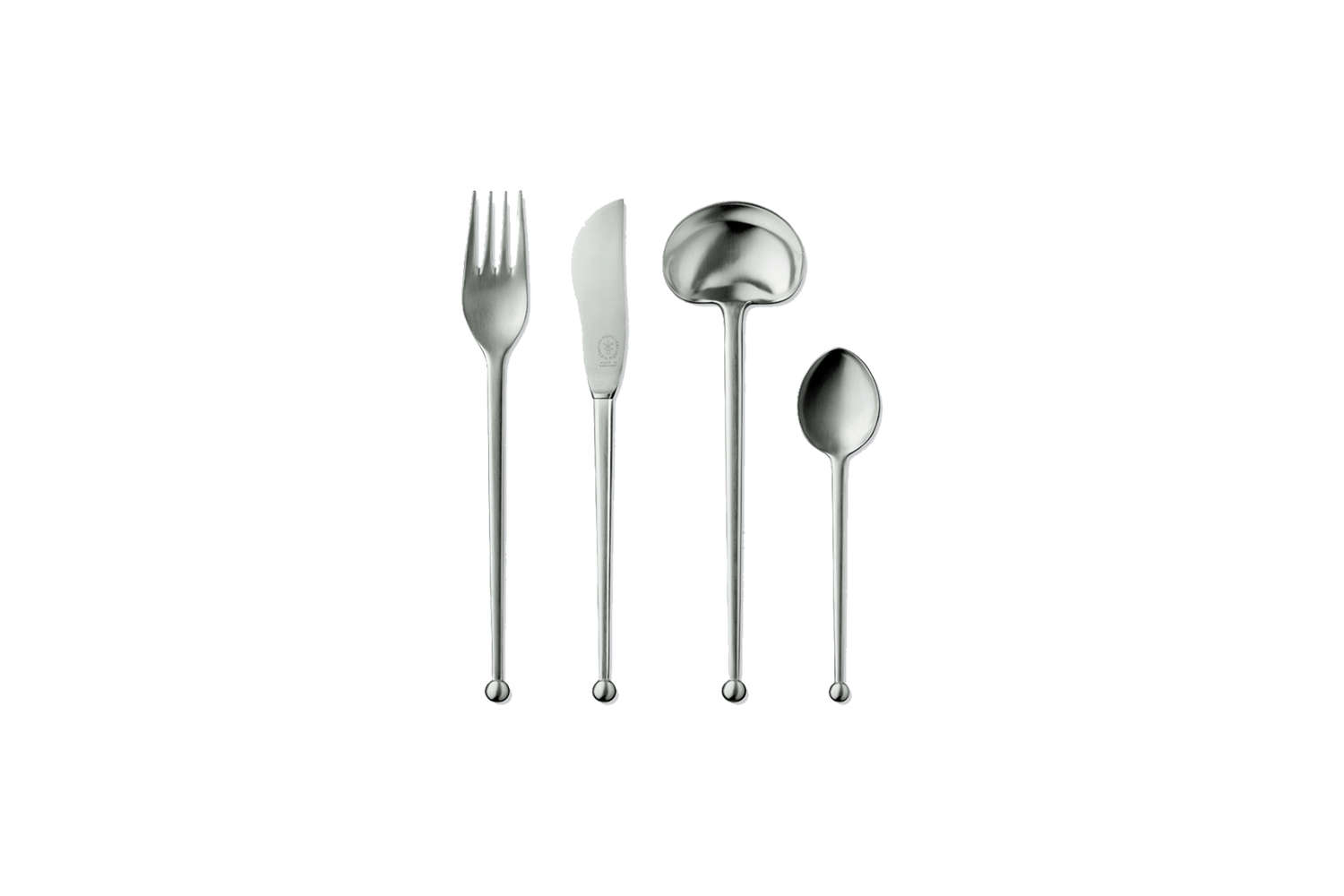
Some flatware politely waits beside the plate. Pott no. 86 Sterling Silver does not. It arrives at the table with the quiet confidence of a museum object that also happens to be ready for soup. Designed by Austrian architect and designer Josef Hoffmann, the Pott no. 86 Five-Piece Place Setting Sterling Silver is not ordinary silverware; it is sculptural tableware, functional design, and a tiny dinner-party conversation starter all in one gleaming bundle.
At first glance, the set looks clean, elegant, and almost playful. Look longer, and the details begin to wink at you: tapered handles ending in delicate rounded knobs, a wave-like knife profile, and a spoon bowl with a soft, organic shape. It is modern without being cold, artistic without being awkward, and luxurious without shouting, “Please admire me before eating your salad.”
This article explores what makes Pott no. 86 special, why collectors and design lovers care about it, how it fits into the history of modern flatware, and whether a five-piece sterling silver place setting this refined belongs on your table, in your cabinet, or in your “I will buy this when my dining room learns manners” wishlist.
What Is the Pott no. 86 Five-Piece Place Setting Sterling Silver?
The Pott no. 86 Five-Piece Place Setting Sterling Silver is a premium flatware set made from 925 sterling silver. A typical five-piece place setting includes a table fork, table spoon, table knife, salad fork, and coffee spoon. In other words, it gives one diner the essential tools for a properly dressed table, minus the drama of figuring out which fork is for existential crisis and which one is for dessert.
The set is part of Pott’s historic flatware collection, known for refined craftsmanship, modernist restraint, and designs that treat eating utensils as serious design objects. Pott no. 86 stands apart because of its distinctive form language. Instead of relying on decorative engraving, floral scrolls, or old-world ornament, it creates visual interest through shape, proportion, weight, and silhouette.
That is the magic trick. It is not fancy because someone added decoration. It is fancy because every curve seems intentional.
The Designer Behind the Pattern: Josef Hoffmann
Josef Hoffmann was one of the major figures in European modern design. Known for his work in architecture, furniture, interiors, and decorative objects, Hoffmann helped shape the visual language of early modernism. He was associated with the Vienna Secession and the Wiener Werkstätte, movements that valued craftsmanship, unity of design, and a more disciplined alternative to excessive historical ornament.
Hoffmann’s work often balanced geometry with elegance. He loved clean structure, but he was not allergic to beauty. That matters when discussing Pott no. 86. The pattern is not minimal in the plain, oatmeal-for-the-soul sense. It has personality. The rounded terminals, unusual spoon shape, and sculptural knife profile give the setting a lively presence while still preserving the discipline of modern design.
For collectors, the Hoffmann connection adds serious weight. This is not merely a pretty sterling silver flatware set. It is a piece of design history connected to one of the great names of modern European decorative art.
Why Pott no. 86 Looks So Different
Organic Shape Meets Modern Precision
Many sterling silver patterns follow familiar visual traditions: shell motifs, thread borders, floral handles, or classical curves. Pott no. 86 walks into that room, straightens its imaginary cuffs, and does something else entirely. Its shapes feel organic, but they are controlled. The spoon bowl has a rounded, almost kidney-like form. The knife has a wave-like outline. The handles taper gracefully and finish with small spherical knobs.
Those knobs are not just decoration. They visually anchor each piece, giving the setting a sense of rhythm. Laid out on a table, the five utensils feel unified, almost like members of a very stylish jazz band. Each has a role, but together they make the arrangement sing.
A Sculptural Approach to Everyday Objects
The best design often improves objects we usually ignore. A fork is a fork until a designer makes you notice the distance between the tines, the curve of the handle, and how it rests in your hand. Pott no. 86 asks the diner to slow down just a little. Not in a fussy way, but in the way a beautifully made object makes ordinary rituals feel more deliberate.
That is why this pattern appeals to people who love architecture, furniture, ceramics, and art glass. It belongs to the same conversation. It is flatware, yes, but it is also tabletop architecture on a smaller scale.
What Does 925 Sterling Silver Mean?
Pott no. 86 is made with 925 sterling silver, which means the alloy contains 92.5% pure silver and 7.5% other metals, usually added for strength. Pure silver is beautiful, but it is too soft for serious everyday use. Sterling silver gives you the glow and warmth of silver while making the pieces durable enough to function as real flatware.
This is important because Pott no. 86 is not simply silver-colored or silver-plated. Sterling silver has intrinsic material value, a distinctive feel, and a surface that develops character over time. With proper care, sterling silver flatware can last for generations. It may even outlive trends, appliances, and at least three questionable kitchen backsplash decisions.
What Comes in the Five-Piece Place Setting?
A five-piece place setting is designed for one complete table setting. The Pott no. 86 Sterling Silver set typically includes:
- Table fork
- Table spoon
- Table knife
- Salad fork
- Coffee spoon
This combination works well for formal meals, holiday dinners, intimate gatherings, and elevated everyday dining. The table fork and knife handle the main course. The table spoon is useful for soup or sauced dishes. The salad fork covers lighter courses, and the coffee spoon finishes the meal with espresso, tea, dessert, or the tiny spoonful of whipped cream everyone pretends they did not steal.
One practical benefit is that individual pieces are often available separately through specialty retailers. That matters for collectors who want to expand a service slowly or replace a missing piece without searching the ends of the earth like a flatware archaeologist.
Pott as a Flatware Brand
Pott has a long reputation for modern tableware and German craftsmanship. The company’s design language is closely linked with function, restraint, and ergonomic intelligence. Rather than creating flatware that looks decorative first and works second, Pott became known for designs that begin with use, balance, and the physical act of eating.
That tradition helps explain why Pott no. 86 feels unusual but not impractical. The pattern may be visually bold, but it remains grounded in function. The pieces are meant to be held, used, washed, stored, and brought back to the table. They are not fragile props for a lifestyle photo where nobody actually eats the pasta.
Who Is Pott no. 86 Best For?
Design Collectors
If you collect modern design, Pott no. 86 has obvious appeal. The Josef Hoffmann association, the sculptural form, and the historical importance of the pattern make it more than a luxury table setting. It is a collectible object with a story.
Hosts Who Love a Beautiful Table
Some people enjoy setting a table the way others enjoy styling a room. For them, flatware is not an afterthought. Pott no. 86 rewards that level of attention. It pairs beautifully with white porcelain, handmade ceramics, linen napkins, modern glassware, and minimalist table settings where every object has breathing room.
Luxury Gift Buyers
A sterling silver five-piece place setting can make an exceptional wedding, anniversary, housewarming, or milestone gift. It is personal without being overly sentimental and practical without being boring. Nobody unwraps Pott no. 86 and says, “Ah yes, another toaster.”
People Building a Legacy Table
Some purchases are about today. Others are about the long game. Sterling silver flatware belongs to the second category. A set like Pott no. 86 can become part of family rituals, holiday meals, and special occasions. Over time, it gathers memory as well as polish.
How to Style Pott no. 86 on the Table
Pott no. 86 is visually distinctive, so it does not need a crowded table setting to shine. In fact, it often looks best when given space. Pair it with simple plates, neutral linens, and glassware with clean silhouettes. White porcelain makes the sterling silver stand out. Matte ceramics create a beautiful contrast. A dark tablecloth can make the pieces look almost gallery-lit.
For a modern dinner party, try Pott no. 86 with ivory plates, smoky glass tumblers, and linen napkins in warm gray or oatmeal tones. For a more formal setting, combine it with fine bone china and crystal stemware. For a relaxed but elegant meal, use handmade stoneware, a low floral arrangement, and candles that do not smell like a dessert menu had a nervous breakdown.
The key is restraint. Let the flatware be the sculptural detail. If every item on the table is competing for attention, the result becomes less “curated dinner” and more “design objects fighting in public.”
How to Care for Sterling Silver Flatware
Use It More Often Than You Think
One of the best ways to care for sterling silver is to use it. Regular use can help reduce heavy tarnish buildup because the pieces are washed, dried, and handled more often. Sterling silver was made for the table, not for permanent exile in a drawer lined with family guilt.
Wash Gently and Dry Immediately
Hand-washing is usually the safest approach for fine sterling silver flatware. Use mild dish soap, warm water, and a soft cloth. Dry each piece immediately to prevent water spots. Avoid abrasive scrubbers, harsh detergents, and anything that feels like it was designed to remove barnacles from a ship.
Be Careful With Certain Foods
Foods such as eggs, mustard, salt, vinegar, lemon, and some acidic or sulfur-rich ingredients can encourage tarnish or staining if left on silver too long. That does not mean you must ban deviled eggs from your home. It simply means you should rinse and wash the flatware soon after use.
Store It Properly
For storage, use treated silver cloth, a lined flatware chest, or anti-tarnish storage bags. Keep pieces dry and separated from rubber bands, newspaper, and ordinary plastic wrap, which may contribute to discoloration. Good storage is not glamorous, but neither is discovering that your heirloom spoon has been attacked by a rogue rubber band.
Is Pott no. 86 Worth It?
The answer depends on what you value. If you simply need utensils to move food from plate to mouth, there are countless inexpensive options. They will do the job. Some may even survive the dishwasher with heroic endurance.
But Pott no. 86 is not competing with basic silverware. It belongs in the category of collectible design, heirloom tableware, and luxury craftsmanship. You are paying for sterling silver, German handcraft, historical design, and the Josef Hoffmann name. You are also paying for the pleasure of using an object that makes the table feel more intentional.
For the right buyer, that combination is worth it. For someone who loses spoons to office lunch containers every Tuesday, perhaps start with stainless steel and personal growth.
Buying Tips for Pott no. 86 Sterling Silver
Before buying, confirm the material, included pieces, retailer reputation, delivery timeline, and whether individual replacement pieces are available. Because historic and specialty flatware patterns may have limited production schedules, availability can vary. Some pieces may be made to order or require longer lead times.
If buying vintage Pott no. 86, examine condition carefully. Look for monograms, heavy scratches, bends, repairs, missing pieces, or uneven polishing. A vintage service can be an excellent find, but condition matters. Sterling silver can be polished, but poor restoration or excessive wear may affect both appearance and value.
For new buyers, a single five-piece place setting can be a smart starting point. It allows you to experience the pattern in real life before building a larger service. Think of it as dating the flatware before inviting it to Thanksgiving.
Why Pott no. 86 Still Feels Modern
Many designs age because they are tied too tightly to trends. Pott no. 86 avoids that trap. Its modernity comes from proportion, clarity, and form rather than fashion. The pieces look distinctive today because they were never trying to be trendy in the first place.
The pattern also fits current interest in fewer, better objects. Instead of buying disposable table accessories or seasonal novelty pieces, many design-conscious consumers are returning to durable, beautifully made goods. Pott no. 86 fits that philosophy perfectly. It is not fast decor. It is slow design.
There is also something refreshing about using a physical object with real weight and permanence. In a world where many things are swiped, streamed, updated, and forgotten, sterling silver flatware insists on being held. That tactile quality is part of its charm.
Final Thoughts
The Pott no. 86 Five-Piece Place Setting Sterling Silver is elegant, unusual, collectible, and surprisingly lively. It brings together Josef Hoffmann’s design legacy, Pott’s craftsmanship, and the lasting appeal of 925 sterling silver. The result is flatware that does more than complete a table setting. It changes the mood of the table.
It is not for everyone, and that is part of its appeal. Pott no. 86 is for people who notice the curve of a spoon, the balance of a knife, and the quiet pleasure of eating with something beautifully made. It is for hosts, collectors, design lovers, and anyone who believes dinner deserves better companions than whatever fork survived the college apartment years.
If you want flatware that whispers luxury while secretly doing a small modernist dance beside your plate, Pott no. 86 deserves a serious look.
Personal Experience and Practical Impressions With Pott no. 86 Five-Piece Place Setting Sterling Silver
Living with a set like Pott no. 86 is different from simply owning expensive flatware. The first experience is visual. When the pieces are placed beside a plate, they immediately shift the atmosphere of the table. Even a simple dinner feels more deliberate. A bowl of soup suddenly behaves as though it has been invited to a private gallery opening. The coffee spoon, small but expressive, has the kind of charm that makes guests pick it up before the coffee arrives.
The second experience is tactile. Sterling silver has a warmth that stainless steel rarely matches. It does not feel icy or anonymous. In the hand, Pott no. 86 feels balanced and intentional. The tapered handles guide the fingers naturally, while the rounded finials add a tiny moment of surprise. That little ball at the end of the handle is not loud, but it gives the piece character. It is the design equivalent of a raised eyebrow.
For everyday use, the biggest adjustment is care. This is not the kind of flatware you toss into the sink and forget until morning. After a meal, especially one involving mustard, lemon, eggs, or salty sauces, washing promptly becomes part of the ritual. At first, that may sound inconvenient. After a while, it feels oddly satisfying. You rinse, wash, dry, and put the pieces away with the same calm attention people give to sharpening a good chef’s knife or oiling a wooden cutting board.
Guests tend to notice Pott no. 86 without being prompted. They may not know the name Josef Hoffmann, and they may not immediately recognize the pattern, but they can tell the flatware is different. The knife shape usually gets the first comment. Then someone notices the spoon. Then someone asks whether it is vintage, modern, or “one of those design things.” The answer, delightfully, is yes in spirit: it has historical roots, modern form, and design-world credibility.
One useful lesson is that Pott no. 86 looks best when the rest of the table relaxes. Too many decorative plates, patterned linens, oversized centerpieces, or glittering accessories can overwhelm the setting. The flatware has enough personality. It prefers a supporting cast, not a circus. Simple ceramics, clear glass, low candles, and natural linen let the silver do what it does best.
Another experience is psychological. Using sterling silver changes how people behave at the table. Meals slow down slightly. Napkins get unfolded instead of ignored. Coffee feels like a proper final act. Even casual food becomes more enjoyable because the tools elevate the ritual. No, Pott no. 86 will not magically improve your cooking. Burned chicken remains burned chicken. But it will make the table feel cared for, and sometimes that is half the meal.
As a long-term purchase, Pott no. 86 makes the most sense for someone who genuinely enjoys design and intends to use it. Keeping it locked away forever misses the point. Sterling silver gathers life through use: small marks, careful polishing, family dinners, holiday meals, and quiet breakfasts that accidentally become memorable. The best experience with Pott no. 86 is not admiring it from across the room. It is picking it up, serving the meal, and letting a great design do its very practical job.
Note: This article is written as original SEO content based on current publicly available product, design-history, sterling silver, and flatware-care information. Product pricing, availability, and production timelines may change, so buyers should confirm details with an authorized retailer before purchasing.