Moving furniture sounds simple until a sofa gets stuck in a doorway, a dresser develops the personality of a boulder, and your favorite hardwood floor receives a fresh scratch that definitely was not part of the design plan. The good news? Moving heavy furniture does not have to feel like an Olympic event sponsored by lower back pain.
Whether you are relocating across town, rearranging your living room, helping a friend move, or trying to get a queen-size bed frame down a suspiciously narrow stairway, the right strategy makes all the difference. These practical tips for moving furniture will help you protect your home, save time, reduce stress, and avoid the classic moving-day mistake of saying, “We can probably lift this ourselves.” Famous last words.
This guide covers planning, packing, lifting, protecting floors, using moving equipment, loading a truck, and handling awkward furniture like sofas, dressers, beds, tables, and fragile pieces. Let’s make your move smoother, safer, and a little less likely to end with everyone silently eating pizza on the floor in defeat.
Why Smart Furniture Moving Matters
Furniture is bulky, heavy, oddly shaped, and often more delicate than it looks. A couch may survive years of movie nights, pets, snack crumbs, and accidental naps, but one careless scrape against a door frame can leave a mark that haunts you every time the sunlight hits it.
Moving furniture properly helps prevent injuries, damaged walls, scratched floors, broken legs, torn upholstery, loose joints, and wasted time. It also helps you stay organized, especially when the move involves multiple rooms, stairs, elevators, rental trucks, or storage units.
20 Tips for Moving Furniture Safely and Efficiently
1. Make a Furniture Moving Plan Before Moving Day
Do not wait until the truck is in the driveway to decide what goes first. Walk through your home and list every major furniture item: sofas, beds, dressers, dining tables, bookshelves, desks, cabinets, nightstands, TV stands, outdoor furniture, and anything else that requires more than one grunt to move.
Decide what needs to be disassembled, what requires extra protection, and what should be loaded first. A simple plan prevents chaos and saves you from moving the same item three times because it was blocking something important.
2. Measure Furniture, Doorways, Hallways, and Staircases
Measure the height, width, and depth of large furniture before moving it. Then measure doorways, hallway turns, staircases, elevators, and truck openings. This step is not glamorous, but neither is discovering that your sectional sofa is one inch too wide after you have already lifted it halfway through the front door.
For tight spaces, sketch a rough route. Note sharp corners, low ceilings, narrow landings, and doors that may need to be removed from their hinges.
3. Clear the Path Completely
Before lifting anything, clear every walkway. Remove shoes, rugs, cords, boxes, toys, plant pots, pet bowls, and decorative objects. If it can trip you, snag furniture, or make someone yell words not suitable for a family-friendly website, move it out of the way.
A clean path makes furniture moving safer and faster. It also protects walls and floors because movers can focus on the item instead of dodging obstacles like they are in a low-budget action movie.
4. Disassemble Furniture Whenever Possible
Take apart bed frames, dining tables, modular sofas, desks, shelving units, and removable legs when possible. Smaller pieces are easier to carry, easier to protect, and easier to fit through doorways.
Remove cushions, drawers, shelves, table leaves, mirrors, glass tops, and detachable hardware. This reduces weight and prevents loose parts from sliding out at the worst possible moment.
5. Bag and Label Hardware
Every screw, bolt, washer, Allen key, bracket, and tiny mystery piece should go into a labeled plastic bag. Tape the bag to the furniture item or place all hardware bags in one clearly marked “furniture parts” box.
Do not trust yourself to remember which screws belong to which bed frame. Moving day turns even organized adults into people who put remote controls in cereal boxes.
6. Use Moving Blankets and Furniture Pads
Moving blankets are one of the best investments for protecting furniture. Wrap wood pieces, upholstered furniture, tables, dressers, and cabinets to prevent scratches, dents, dirt, and rubbing during transport.
Use stretch wrap, packing bands, or moving tape to secure blankets, but avoid placing tape directly on finished wood, leather, painted surfaces, or delicate upholstery. Tape can leave residue or pull off finishes, which is a very rude goodbye gift to your furniture.
7. Protect Corners and Fragile Areas
Furniture corners, table edges, chair arms, and cabinet legs are especially vulnerable. Use corner protectors, cardboard, foam padding, or folded towels for extra cushioning.
For glass, mirrors, marble tops, and artwork, use specialty packing materials and keep pieces upright when appropriate. Flat transport can put stress on fragile surfaces, especially during bumps in the road.
8. Use Furniture Sliders for Floors
Furniture sliders are small but mighty. Place them under legs or corners to glide heavy items across floors with less lifting. Use felt sliders for hardwood, laminate, tile, and vinyl floors. Use hard plastic sliders for carpet.
Sliders are especially helpful for sofas, dressers, beds, and appliances. Push from the lower section of the item to reduce tipping risk, and move slowly. Furniture is not a shopping cart, no matter how tempting it is to give it a heroic shove.
9. Rent or Buy the Right Dolly
A dolly or hand truck can save your back and speed up the move. Use a standard hand truck for tall, boxy items like small cabinets, stacked boxes, and appliances. Use a flat furniture dolly for bulky pieces such as dressers, coffee tables, and entertainment centers.
Always secure the item with straps when needed. A dolly is helpful only if the furniture stays on it. Otherwise, you have simply created a rolling disaster with wheels.
10. Use Moving Straps for Heavy Items
Moving straps, lifting straps, or shoulder dollies help distribute weight and improve control when moving heavy furniture. They are useful for dressers, mattresses, sofas, appliances, and awkward items that are hard to grip.
Straps work best when two people communicate clearly and move at the same pace. Practice lifting slightly before committing to the full trip across the house.
11. Lift With Proper Technique
Safe lifting matters. Bend your knees, keep your back as neutral as possible, tighten your core, hold the furniture close to your body, and lift with your legs rather than your back.
Avoid twisting while carrying. If you need to turn, move your feet and rotate your whole body. Twisting under load is a quick way to make your spine file a complaint with management.
12. Do Not Move Heavy Furniture Alone
Some furniture can be moved solo with sliders or a dolly, but many pieces require help. Get at least one other person for large, heavy, fragile, or awkward items. For pianos, oversized armoires, safes, large appliances, and expensive antiques, hire professional movers.
There is no award for moving a giant dresser by yourself. There may, however, be an urgent care bill.
13. Communicate Clearly With Your Moving Team
Before lifting, decide who leads, who walks backward, where the item is going, and what commands everyone will use. Simple words like “stop,” “down,” “tilt,” “left,” and “right” can prevent confusion.
Move slowly through doorways, corners, stairs, and ramps. If someone says stop, stop immediately. Moving furniture is not the time for dramatic improvisation.
14. Remove Doors When Needed
If a doorway is too tight, removing the door from its hinges may create the extra space you need. This is often helpful for sofas, mattresses, refrigerators, desks, and wide dressers.
Keep hinge pins and screws in a labeled bag. Place the door somewhere safe where it will not fall, scratch, or become another obstacle in the moving path.
15. Protect Floors, Walls, and Door Frames
Use cardboard, ram board, old rugs, or floor runners in high-traffic areas. Add padding to sharp corners, railings, and door frames. This protects both the home you are leaving and the home you are entering.
If you are renting, protecting surfaces can help you avoid damage fees. If you own the home, it helps you avoid spending your first night repairing drywall instead of ordering takeout.
16. Move Drawers the Smart Way
Remove drawers from heavy dressers and cabinets to reduce weight. If the drawers are light and secure, you may leave them in, but wrap the furniture with stretch wrap so they do not slide out.
Never rely on gravity to keep drawers closed while furniture is tilted. Gravity has a sense of humor, and it is not on your side.
17. Handle Sofas and Mattresses Carefully
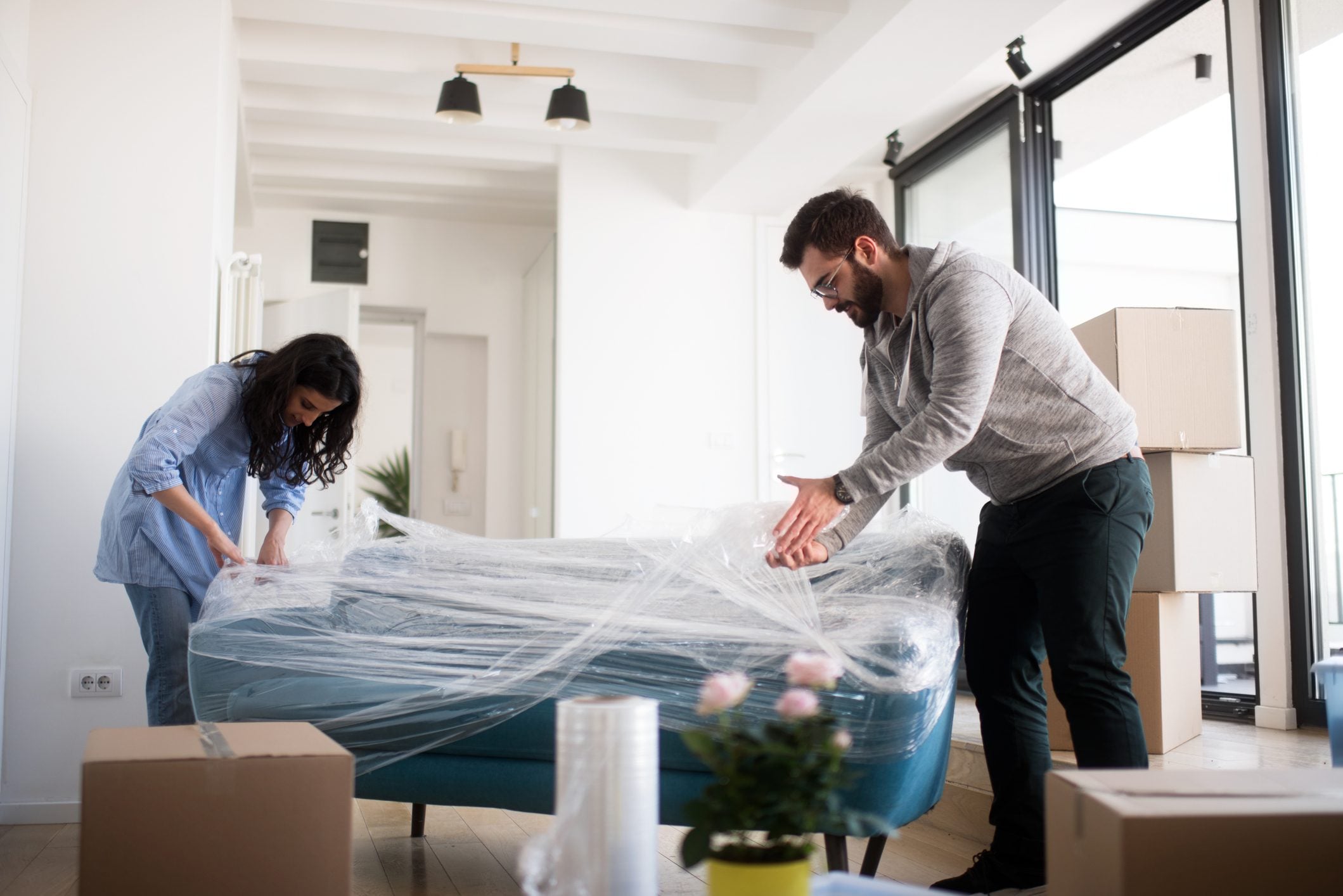
Sofas often need to be tilted, angled, or moved vertically through tight spaces. Remove legs if possible, take off cushions, and wrap the upholstery before moving.
Use mattress bags to protect mattresses from dust, moisture, and dirt. Carry mattresses upright when practical, and avoid dragging them across floors or pavement. A mattress may look flexible, but it still deserves respect.
18. Load Heavy Furniture First
When loading a moving truck, place the heaviest and largest furniture items first. Position heavy pieces toward the front of the truck and along the sides to help balance the load. Then fill gaps with boxes, cushions, blankets, or soft items to reduce shifting.
Keep fragile furniture, lamps, mirrors, and delicate decor away from heavy pieces that could crush them during transit.
19. Secure Furniture Inside the Truck
Use ratchet straps, ropes, or tie-downs to secure large furniture. Wrap pieces before strapping them so the straps do not rub directly against finished surfaces.
Furniture that shifts during transportation can scratch, dent, crack, or damage other items. A well-secured truck load should feel organized, balanced, and boring. Boring is excellent when your belongings are traveling at highway speed.
20. Know When to Hire Professional Movers
DIY moving can save money, but it is not always the best choice. Hire professional movers for large homes, long-distance moves, steep stairs, fragile antiques, heavy appliances, pianos, oversized furniture, or situations where safety is a concern.
Professional movers bring experience, equipment, and techniques that can prevent injuries and damage. Sometimes the smartest furniture moving tip is admitting that your back, your friends, and your coffee table have all suffered enough.
Common Furniture Moving Mistakes to Avoid
Skipping Measurements
Many moving problems begin with one assumption: “It should fit.” Measure first. Guessing can lead to stuck furniture, scratched walls, and a very awkward pause in the hallway.
Using Weak Boxes or Random Bags
Although this article focuses on furniture, surrounding items matter too. Weak boxes, open bags, and loose items can clutter walkways and make moving furniture harder. Use sturdy boxes and keep pathways clean.
Forgetting to Protect the New Home
People often protect furniture during loading but forget to protect the destination. Before unloading, cover floors, pad door frames, and plan where each piece will go. This prevents last-minute dragging and rearranging.
Rushing on Stairs
Stairs deserve patience. Move one step at a time, communicate constantly, and place the stronger person on the lower end when appropriate because that person often manages more of the weight. If the item feels unsafe, stop and reassess.
Room-by-Room Furniture Moving Advice
Living Room Furniture
Remove sofa cushions, wrap coffee tables, protect entertainment centers, and take photos of cable setups before disconnecting electronics. If your TV stand has glass shelves, remove and pack them separately.
Bedroom Furniture
Disassemble bed frames, bag hardware, remove drawers from dressers, and use mattress bags. Keep bedding in clearly labeled boxes so you can make the bed on the first night without opening fourteen mystery containers.
Dining Room Furniture
Remove table legs if possible. Wrap chairs in moving blankets or stack them carefully with padding between surfaces. Protect glass tabletops and marble pieces with extra care.
Home Office Furniture
Empty desks and filing cabinets before moving them. Lock or tape drawers only if the surface will not be damaged. Pack office electronics separately and label cords so your future self does not have to solve a cable puzzle at midnight.
of Real-Life Moving Experience and Practical Lessons
Anyone who has moved furniture more than once learns a few truths very quickly. First, the furniture that looks easy is usually the one that causes trouble. A small dresser can be heavier than expected because it is made of solid wood, while a large sofa might be lighter but impossible to maneuver because of its shape. That is why experienced movers think in terms of weight, size, balance, grip, and routenot just appearance.
One of the most useful lessons is to slow down at the beginning so the rest of the move goes faster. It may feel efficient to start grabbing furniture immediately, but preparation saves time. Removing drawers, taking off legs, clearing hallways, and wrapping corners can prevent delays later. Ten minutes of preparation can save an hour of struggling with a doorway.
Another practical experience is that moving blankets are never wasted. Even if you think you have enough, you will probably want more. They protect furniture in the truck, cushion items in storage, cover floors temporarily, and help slide pieces when used carefully. Old towels and comforters can help in a pinch, but real moving blankets are thicker and more reliable.
It is also smart to keep a small tool kit nearby during the entire move. Include a screwdriver, Allen wrenches, pliers, tape, zip bags, markers, a utility knife, gloves, and a flashlight. Furniture has a funny way of needing one more screw removed after everyone thought it was ready. Having tools nearby keeps the process moving.
Communication is another underrated skill. Two people carrying a heavy bookcase should not rely on facial expressions and panic noises. Clear commands make the move safer. Before lifting, agree on phrases such as “stop,” “lower,” “tilt toward me,” and “set it down.” The person walking backward should not be the only navigator. A third person can act as a spotter, especially around stairs, corners, and truck ramps.
People also learn that the truck should be loaded like a puzzle, not like a garage after a tornado. Heavy, sturdy furniture goes in first. Fragile items need protection. Tall items should be secured. Gaps should be filled so nothing shifts. If the truck is loaded loosely, furniture can move during transit and arrive with scratches, dents, or broken parts.
Finally, the best moving experience often comes from knowing your limits. Some items are worth hiring help for. A piano, oversized cabinet, antique table, or third-floor apartment move can quickly become more expensive if something breaks or someone gets hurt. Saving money is great, but not at the cost of safety. Good moving is not about proving strength. It is about using planning, equipment, patience, and common sense to get every piece from one place to another in the same conditionwith everyone’s back still speaking to them afterward.
Conclusion
Moving furniture does not have to be stressful, dangerous, or destructive. With a clear plan, proper equipment, good lifting habits, protective materials, and a little patience, you can move heavy furniture safely and efficiently. Measure first, disassemble what you can, protect surfaces, use sliders and dollies, communicate clearly, and secure everything inside the truck.
The secret is simple: work smarter before you work harder. Your furniture, floors, walls, friends, and lower back will all appreciate the effort.
Note: This article is written in original American English for web publishing and is based on widely accepted furniture moving, packing, and lifting safety practices.